What Is Crown Molding and How Does It Enhance Modern Interior Design?
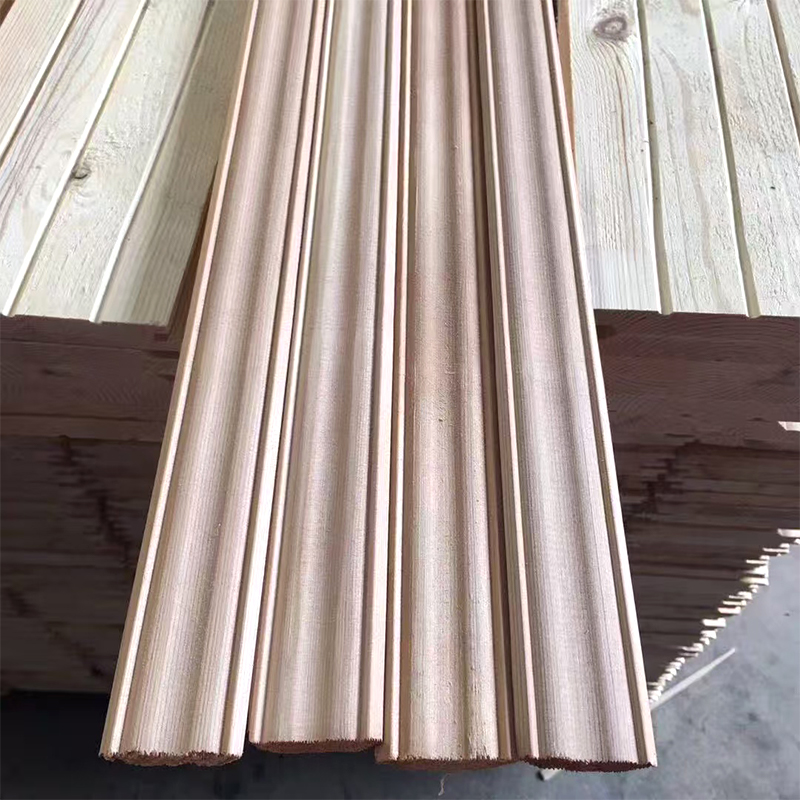
Crown molding is a decorative architectural trim installed where walls meet ceilings to create a smoother transition and add visual depth to interior spaces. It enhances modern interior design by introducing structured lines, covering minor gaps at ceiling joints, and adding character to rooms without changing the basic layout.
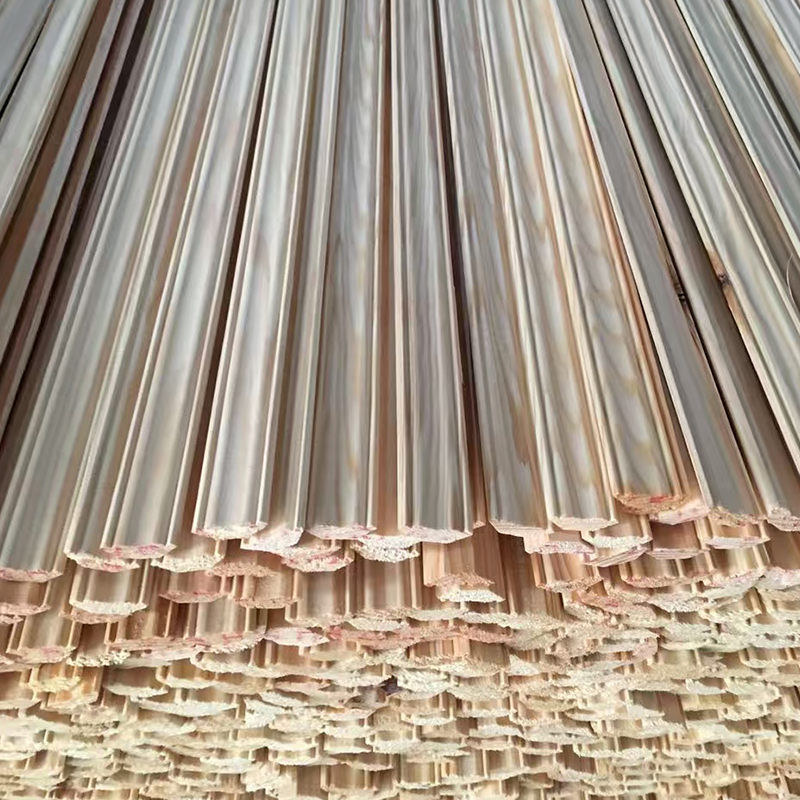
Traditionally made from solid wood, crown molding has developed into a range of profiles and materials that suit different design styles, from classic residential interiors to contemporary commercial spaces. A properly selected crown molding profile can influence how a room feels by balancing proportions, defining edges, and creating a finished appearance.
The installation position allows the trim to naturally draw attention upward, making ceilings appear more connected with the surrounding walls. This architectural detail is commonly used in living rooms, bedrooms, dining areas, offices, hotels, and custom cabinetry projects.
How Does Crown Molding Improve Interior Spaces?
The main function of crown molding is not only decoration but also the improvement of visual continuity between different architectural surfaces. The trim creates a transition line between the ceiling and wall, reducing the plain appearance of large flat areas.
Creating Architectural Detail
Crown molding adds architectural expression to rooms by introducing curves, angles, and layered profiles. A simple room can gain additional depth through the use of carefully designed trim patterns, while traditional interiors may use more detailed profiles to match historical design styles.
Covering Wall and Ceiling Transitions
During construction or renovation, small irregularities can appear where walls meet ceilings. Crown molding helps cover these areas while creating a consistent visual boundary around the room.
Enhancing Cabinetry and Built-In Features
Beyond ceiling applications, decorative molding is often installed on kitchen cabinets, bookshelves, entertainment units, and built-in storage systems. It creates a connection between furniture elements and the surrounding architecture.
What Materials Are Used for Crown Molding?
Although solid wood remains a traditional choice for crown molding, modern production methods have introduced additional materials that provide different installation and maintenance characteristics. Material selection depends on room conditions, design requirements, and finishing preferences.
Common crown molding materials and their characteristics
| Material |
Characteristics |
Typical Applications |
| Solid wood |
Natural grain, strong structure, suitable for staining and custom finishing |
Residential interiors, traditional designs, custom projects |
| Medium-density fiberboard (MDF) |
Smooth surface, easy painting, stable shape |
Interior renovation and painted trim applications |
| Polyurethane |
Lightweight, moisture-resistant, easy installation |
Commercial spaces and areas requiring low maintenance |
How Is Crown Molding Installed?
Crown molding installation requires accurate measurement and precise cutting because the trim is positioned at an angle between the wall and ceiling. Many installations use a spring angle of approximately 45 degrees, allowing the molding to sit correctly against both surfaces.
Corner joints require careful preparation. Installers commonly use miter cuts or coping techniques to create clean connections between sections. Incorrect measurements can result in visible gaps, especially in rooms where walls or ceilings are not perfectly straight.
Depending on the design requirement, crown molding can be installed as a single profile or assembled from multiple layers of trim. Common widths range from around 1½ inches to more than 7½ inches, with larger rooms often using wider profiles to maintain balanced proportions.
Where Is Crown Molding Commonly Used?
Crown molding appears in many interior environments because it can adapt to different architectural styles and functional requirements. Residential projects often use it to add detail to living rooms, bedrooms, entryways, and dining spaces.
- Living rooms use crown molding to create a defined ceiling edge and improve room proportions.
- Bedrooms use decorative trim to add warmth and architectural detail.
- Hotels and commercial interiors use molding to create consistent decorative themes.
- Cabinet and furniture projects use smaller profiles to frame built-in structures.




 English
 한국어
한국어 Español