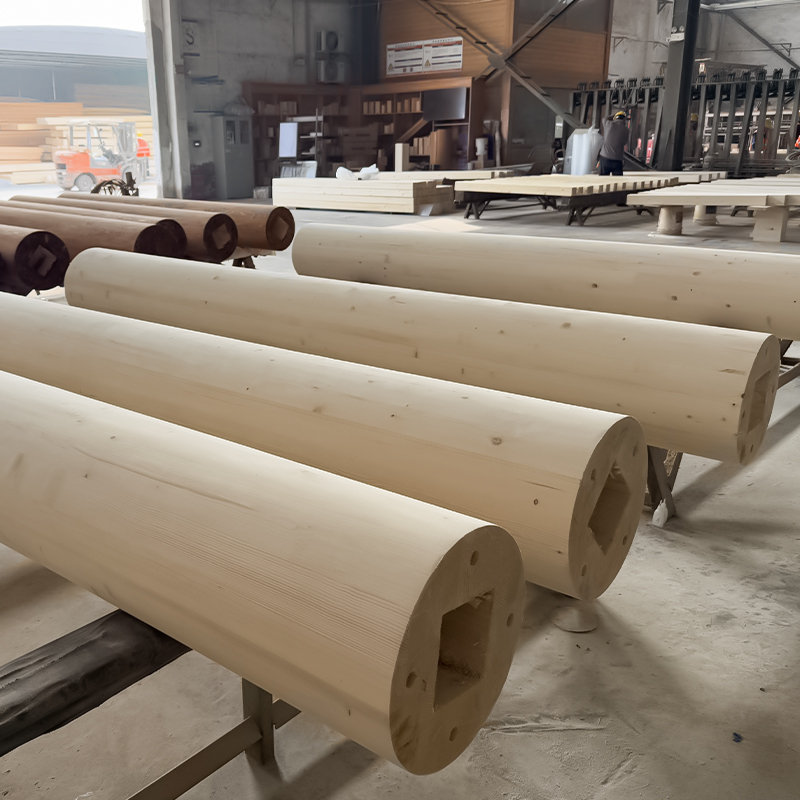
Introduction to Round Glulam Columns
Understanding Glulam and Its Composition
Glued laminated timber, commonly known as glulam, is an engineered wood product composed of multiple layers of dimensioned lumber bonded together with durable adhesives. Each layer is oriented in the same direction to enhance structural integrity and provide consistent performance. Glulam combines the natural advantages of wood with the strength and stability required for modern construction projects. The use of glued laminated timber has expanded in both residential and commercial buildings due to its versatility and reliability. Timber columns made from glulam are capable of bearing substantial loads while maintaining a lightweight profile compared to traditional solid wood columns.
Defining Round Glulam Columns
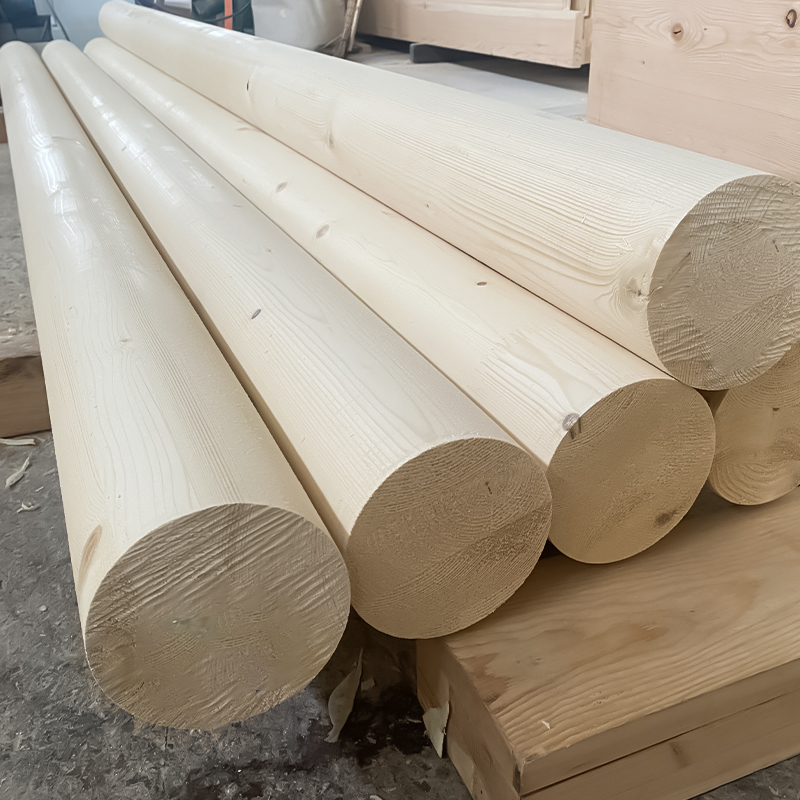
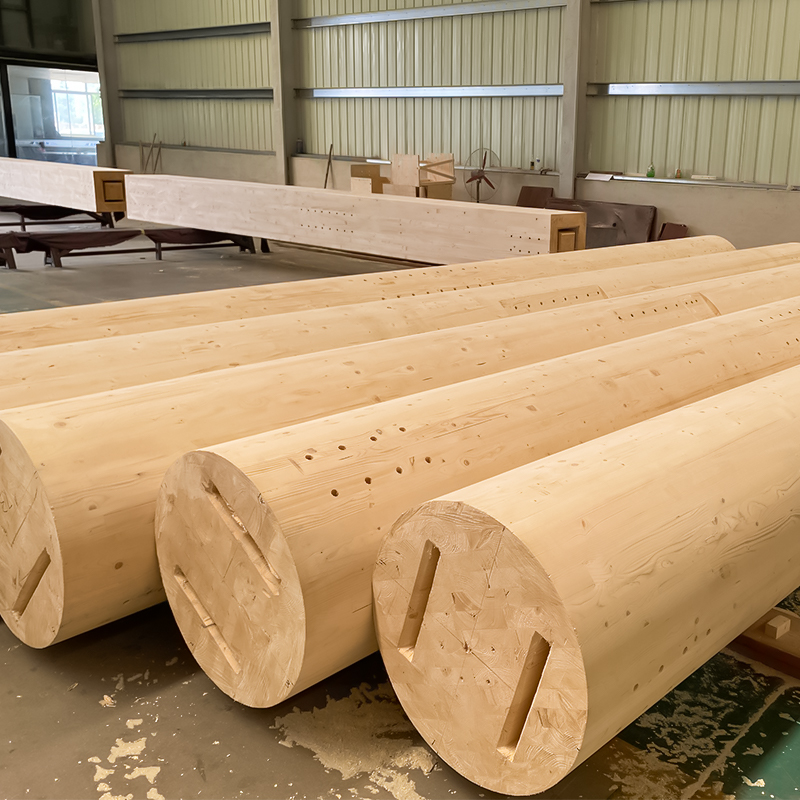
Round glulam columns are cylindrical wood columns manufactured from glued laminated timber, offering a distinctive alternative to traditional square or rectangular columns. Unlike straight timber columns, round glulam columns provide a smooth and continuous surface, which can enhance both the visual appeal and structural performance of a building. These architectural columns are increasingly used in open spaces, public buildings, and modern residential designs where aesthetics and strength are equally valued. The design flexibility of round glulam columns allows architects to integrate them into both contemporary and classical building styles.
Structural Advantages of Round Glulam Columns
One of the key advantages of round glulam columns is their ability to carry heavy loads while distributing stress evenly along the column’s circumference. The glued laminated timber construction reduces the likelihood of warping, cracking, or splitting, which can occur with solid wood columns. Round glulam columns also demonstrate good dimensional stability, making them suitable for long-term structural applications. This reliability allows designers to plan timber column layouts with confidence, especially in large-scale projects that demand both strength and aesthetic quality.
Aesthetic and Design Flexibility
In addition to structural benefits, round glulam columns offer notable advantages in architectural design. The smooth, cylindrical form can complement modern interiors and create elegant visual lines in open spaces. Wood column design incorporating round glulam elements can also be customized in terms of diameter, height, and finish to match specific project requirements. This adaptability makes round glulam columns a preferred choice for designers who seek a natural wood appearance while maintaining structural functionality. Whether used in timber columns for residential, commercial, or public projects, these columns add warmth and texture to the built environment.
Durability and Performance in Modern Construction
Glulam columns, including round designs, are engineered to withstand environmental stresses better than many traditional wood materials. The adhesive layers and laminated structure improve resistance to moisture, shrinkage, and deformation. When properly treated and maintained, round glulam columns can provide long-lasting support and preserve their aesthetic appeal over time. This durability has contributed to the rising popularity of glulam in modern construction, where sustainability, efficiency, and performance are key considerations. Timber columns from glulam allow builders to create structures that meet both functional and design expectations while utilizing renewable wood resources.
Applications of Round Glulam Columns
Round glulam columns are versatile and can be applied in a wide range of construction scenarios. They are suitable for open-plan interiors, atriums, lobbies, and exterior covered structures. In commercial projects, glulam columns serve as both load-bearing and decorative elements, enhancing the spatial experience without compromising structural integrity. Residential buildings can also benefit from these architectural columns, where round glulam columns contribute to interior warmth and character. Their adaptability in wood column design enables integration with various flooring, ceiling, and wall materials, creating cohesive architectural solutions.
Conclusion on Round Glulam Columns
Round glulam columns represent a fusion of engineered timber performance and design flexibility. By using glued laminated timber, these wood columns offer strength, stability, and aesthetic appeal in a variety of construction applications. The ability to customize diameter, height, and finish ensures that round glulam columns can meet the specific needs of any project, whether commercial, residential, or public. With increasing interest in sustainable and durable building materials, glulam continues to be a preferred option for architects and builders seeking a reliable and visually appealing structural solution.
| Feature |
Benefit |
| Material |
Glued laminated timber provides consistent strength and dimensional stability |
| Shape |
Round profile enhances aesthetics and evenly distributes structural stress |
| Customization |
Diameter, height, and finish can be tailored to specific architectural needs |
| Durability |
Resistant to warping, cracking, and deformation compared to solid wood |
| Applications |
Suitable for interior and exterior load-bearing and decorative purposes |
Advantages of Round Glulam Columns
Aesthetics
Round glulam columns offer a visual appeal that differs significantly from traditional square or rectangular columns. The smooth curvature of these wood columns brings a sense of natural elegance to architectural spaces, creating a softer and more organic look. In modern architectural design, round glulam columns are often incorporated to complement open-plan interiors, atriums, and public spaces, where the visual continuity of curves can enhance the overall spatial experience. Their natural wood texture combined with the warmth of timber contributes to a welcoming atmosphere while maintaining a sophisticated aesthetic. Designers often select round glulam columns to emphasize symmetry and fluidity in architectural compositions, making them a preferred choice for projects that prioritize both form and visual harmony.
Strength and Stability
Glulam, or glued laminated timber, is engineered by bonding layers of wood together with durable adhesives, producing a structural material that maintains the natural strength of timber while improving load-bearing capacity. Round glulam columns inherit these structural properties, offering reliable stability for a variety of construction needs. Due to the lamination process, glulam columns demonstrate resistance to bending and buckling under vertical loads, making them suitable for supporting large spans and heavy structural elements. The distribution of strength across the laminated layers allows round glulam columns to perform consistently in both compression and tension, ensuring that timber columns can meet rigorous engineering requirements while remaining lightweight compared to comparable steel or concrete alternatives.
Design Flexibility
One of the defining advantages of round glulam columns lies in their versatility in design applications. The laminated nature of glulam allows for the creation of columns in long spans, unique curves, and variable diameters that are often difficult to achieve with solid timber. Architects and engineers can customize the dimensions, tapering, and profiles of timber columns to suit complex building geometries. This flexibility makes round glulam columns suitable for a wide range of applications, including bridges, stadiums, commercial buildings, and cultural centers. The ability to bend or curve the laminated layers during production further expands the design possibilities, enabling the realization of innovative structures that combine functionality with aesthetic expression.
Sustainability
Glulam is considered a renewable building material, as it is primarily produced from responsibly sourced timber. Using round glulam columns contributes to environmentally conscious construction practices, supporting sustainable forestry management and reducing reliance on non-renewable materials such as steel or concrete. Additionally, timber columns act as carbon sinks, storing carbon dioxide absorbed during the growth of trees and thereby providing long-term carbon sequestration benefits. Compared to other structural materials, glulam has a relatively low embodied energy, making it a preferred choice for projects that aim to reduce the overall environmental footprint. This combination of renewability, carbon storage, and lower energy consumption during production highlights the sustainability advantages of using glued laminated timber in modern architecture.
Fire Resistance
Contrary to common assumptions, glulam exhibits predictable fire-resistant properties due to its charring behavior. When exposed to fire, the outer layers of a glulam column char at a known rate, forming an insulating layer that protects the inner structural wood. This controlled charring allows round glulam columns to maintain structural integrity for a period sufficient to allow evacuation or firefighting efforts. The consistent fire performance of timber columns can be calculated and incorporated into building codes, providing designers and engineers with confidence in using glulam in a range of building types. Additionally, the laminated construction of glulam contributes to its uniform reaction under high temperatures, making it a reliable option for fire-conscious architectural design.
| Feature |
Description |
Benefit |
| Aesthetics |
Round glulam columns provide smooth curvature and natural wood texture |
Enhances visual appeal and complements architectural design |
| Strength and Stability |
Laminated layers improve load-bearing capacity and resistance to bending |
Supports long spans and heavy loads while maintaining lightweight structure |
| Design Flexibility |
Customizable shapes, curves, and diameters |
Enables unique architectural expressions and versatile applications |
| Sustainability |
Produced from renewable timber and stores carbon |
Reduces environmental impact and supports sustainable building practices |
| Fire Resistance |
Predictable charring rate forms insulating layer |
Maintains structural integrity under fire exposure for calculated durations |
Material Comparisons
When evaluating structural options, round glulam columns often compare favorably with steel and concrete in several aspects. While steel provides high tensile strength, it typically requires protective coatings to prevent corrosion and has a higher embodied energy. Concrete offers compressive strength but is heavier and less adaptable for curved designs. Glued laminated timber provides a balance of strength, flexibility, and aesthetic value. Timber columns can be prefabricated and transported with relative ease, reducing construction time and labor. Additionally, glulam’s natural wood appearance often eliminates the need for additional finishes or cladding, which can reduce both material and labor costs. The combination of structural reliability, design adaptability, and environmental benefits makes round glulam columns a competitive choice for a wide range of construction projects.
Applications in Modern Architecture
Round glulam columns are increasingly favored in modern architecture for both interior and exterior applications. They are commonly used in open-plan office buildings, cultural and civic centers, and recreational facilities where large column-free spaces are desirable. The visual and structural properties of timber columns allow architects to create spaces with a sense of openness, warmth, and continuity. In addition to aesthetic contributions, glulam columns function effectively in load-bearing and seismic design considerations, making them suitable for multi-story constructions. Their adaptability to curved or tapered forms also allows integration into complex geometries, supporting architectural creativity without compromising structural performance.
Maintenance and Longevity
Glued laminated timber exhibits long-term durability when properly maintained. Round glulam columns resist warping and splitting better than solid wood due to the laminated construction, which distributes stresses evenly across layers. Protective coatings and treatments can enhance resistance to moisture and biological decay, extending the service life of timber columns. Compared to other materials, glulam often requires less invasive maintenance while preserving its natural appearance. Properly designed and installed glulam columns maintain both their structural and aesthetic qualities over decades, providing a reliable and enduring solution for architectural and structural applications.
Cost Considerations
While the initial material cost of round glulam columns may be higher than standard solid timber, the overall project cost can be optimized through prefabrication, reduced labor, and faster installation. The ability to create long spans with fewer supports can reduce the number of columns required, minimizing material and foundation expenses. In addition, glulam’s lightweight nature compared to concrete or steel can lower transportation and handling costs. When factoring in sustainability, longevity, and reduced maintenance, round glulam columns present a cost-effective choice in the medium and long term for building projects that prioritize both performance and architectural quality.
Applications of Round Glulam Columns
Residential Construction
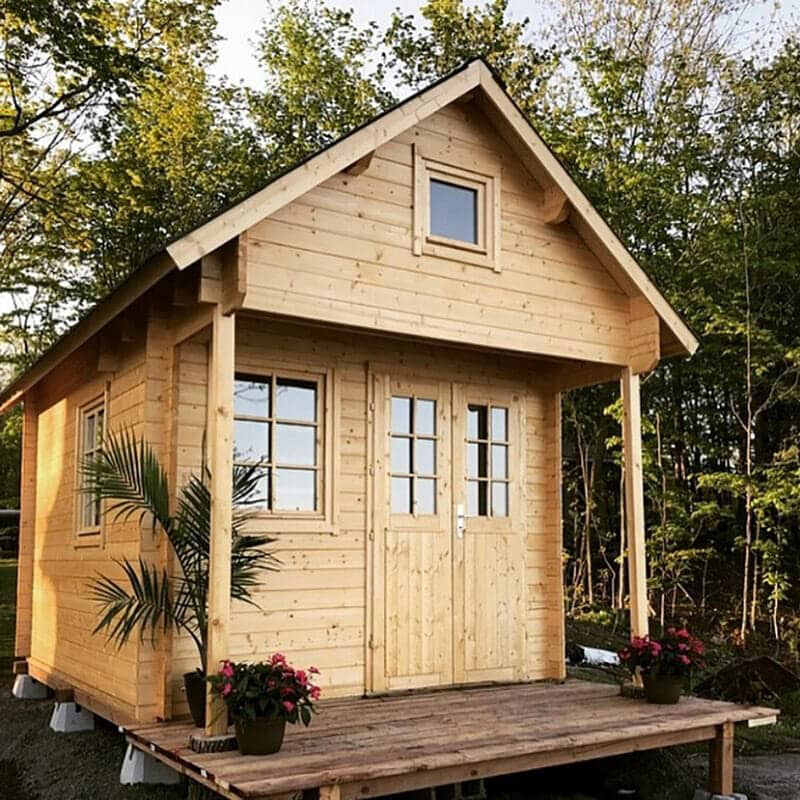
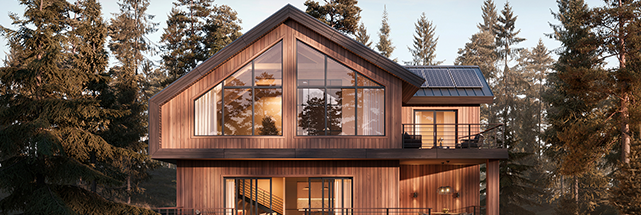
Round glulam columns are increasingly used in residential construction due to their structural capabilities and aesthetic qualities. In modern homes, timber frame structures, and cabins, these wood columns provide support for roofs and upper floors while allowing for open and airy interior spaces. The natural appearance of glued laminated timber complements both contemporary and traditional architectural styles, adding warmth and texture to living spaces. Designers often incorporate round glulam columns as supporting beams in great rooms, open-plan kitchens, and living areas to create a sense of continuity and elegance. Their ability to span longer distances compared to solid wood columns enables fewer supports, which enhances the visual openness and functional flexibility of residential interiors.
Commercial Buildings
In commercial buildings, round glulam columns are valued for their combination of structural performance and visual appeal. Offices, retail spaces, and restaurants utilize these timber columns to create open atriums, support expansive roofs, and define interior zones without heavy partitions. The use of glulam columns allows architects to design spaces with large, unobstructed floor areas, improving circulation and enhancing customer experience. The aesthetic quality of timber columns also contributes to brand identity in commercial settings, as natural wood surfaces convey warmth and approachability. Round glulam columns can be customized in diameter and height, offering design flexibility for ceilings, mezzanines, and multi-story commercial structures, while maintaining consistent load-bearing capabilities.
Public Structures
Round glulam columns play a significant role in public structures such as libraries, community centers, and schools. These architectural columns provide both functional support and visual impact, often used to create grand entrances, support large roofs, or define communal spaces. Glulam columns allow for expansive, column-free interiors that accommodate high occupancy and versatile usage. Their natural timber appearance contributes to a welcoming environment and supports design objectives that emphasize human-centered spaces. Additionally, the engineered stability of glued laminated timber ensures that round glulam columns can withstand heavy loads, high foot traffic, and long-term wear, making them suitable for public buildings that require durability and aesthetic consistency.
Bridges and Infrastructure
Beyond buildings, round glulam columns are applied in bridges and infrastructure projects. Timber columns can function as primary supports for pedestrian and vehicular bridges, offering structural reliability and visual integration with natural surroundings. Glued laminated timber exhibits resilience against environmental stressors when properly treated, including moisture, UV exposure, and temperature fluctuations. The use of glulam in outdoor applications benefits from its predictable behavior under load, allowing engineers to design bridge structures with long spans and minimal intermediate supports. The durability and weather resistance of round glulam columns, combined with their ability to maintain structural integrity over time, make them a suitable choice for infrastructure projects that require both strength and aesthetic consideration.
| Application |
Examples |
Benefits |
| Residential Construction |
Supporting beams, open living spaces, timber frame homes |
Enhances interior openness and adds natural warmth to spaces |
| Commercial Buildings |
Open atriums, roof support, retail and office interiors |
Facilitates large column-free areas and improves spatial experience |
| Public Structures |
Grand entrances, large roofs, community and educational buildings |
Provides structural reliability and aesthetic appeal for high-traffic areas |
| Bridges and Infrastructure |
Pedestrian bridges, vehicular bridges, outdoor supports |
Offers durability, weather resistance, and long-span capabilities |
Integration with Architectural Design
Round glulam columns can be seamlessly integrated into various architectural styles, from traditional to contemporary. Their cylindrical shape and natural wood appearance allow for visual continuity across floors, ceilings, and exterior façades. In residential and commercial projects, these timber columns often serve as focal points, drawing attention to interior volume and structural rhythm. Architects use round glulam columns to complement other wood elements, such as beams, paneling, and staircases, creating cohesive design themes. Additionally, the adaptability of glulam in size and curvature supports creative designs, including curved rooflines, spiral staircases, and vaulted ceilings, providing both functional support and architectural expression.
Customization and Prefabrication
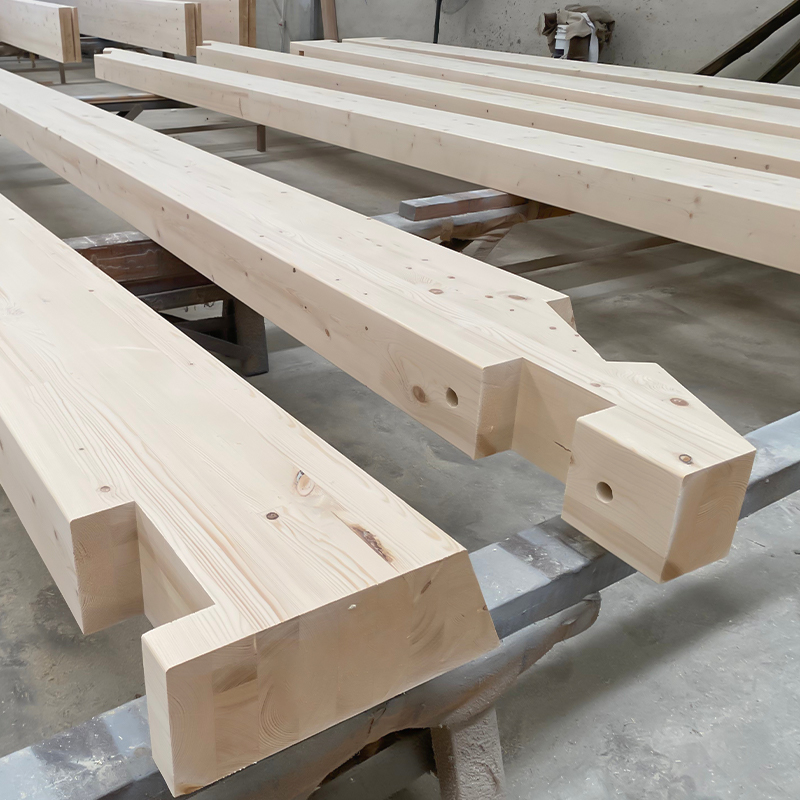
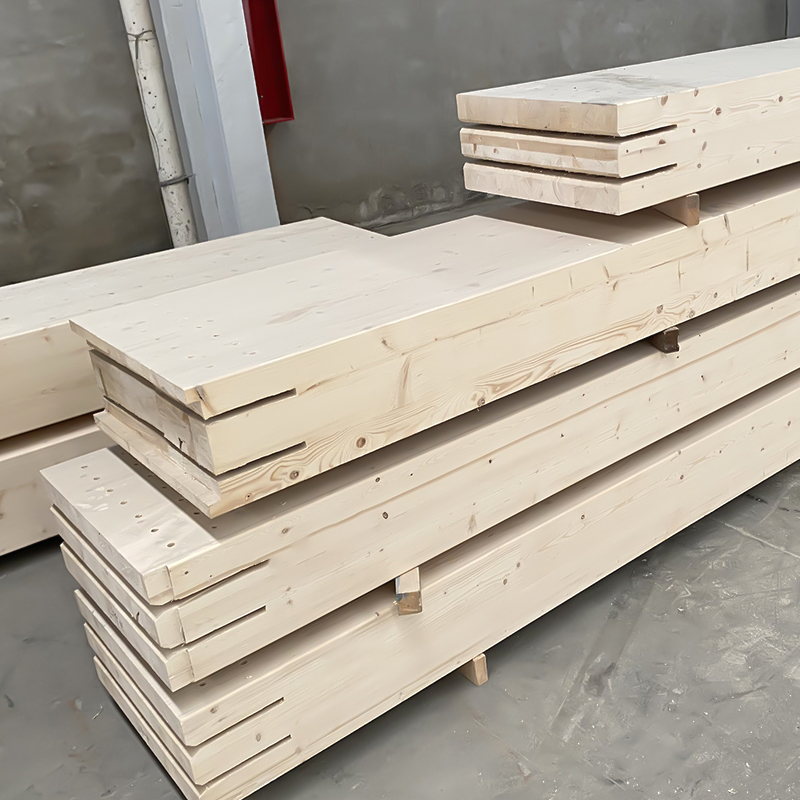
The production of round glulam columns allows for a high degree of customization. Timber columns can be manufactured in varying diameters, lengths, and tapering profiles to suit specific design requirements. Prefabrication in controlled factory environments ensures precision, uniformity, and quality control, reducing on-site labor and installation time. Glued laminated timber’s engineered properties allow for consistent strength and predictable performance, even in large and complex structures. Prefabricated round glulam columns can be transported and installed efficiently, supporting faster project timelines and minimizing disruption on construction sites. This flexibility makes glulam columns a practical choice for both small-scale residential projects and large commercial or public developments.
Environmental Considerations
Using round glulam columns in construction contributes to sustainable building practices. Timber columns are sourced from renewable forests and act as carbon sinks, storing carbon dioxide absorbed during tree growth. Glulam manufacturing generally requires less energy compared to steel or concrete production, lowering the environmental footprint of construction projects. In addition, glulam’s long service life reduces the need for frequent replacement or repair, further minimizing resource consumption. The combination of renewable material sourcing, carbon sequestration, and energy-efficient production makes round glulam columns an environmentally conscious choice for modern architecture and infrastructure.
Performance in Various Climates
Round glulam columns demonstrate reliable performance in a range of environmental conditions when treated and maintained appropriately. Outdoor applications, such as bridges or exterior-supported structures, benefit from glulam’s resistance to moisture, temperature changes, and UV exposure. Protective finishes, sealants, and periodic inspections help extend service life and maintain structural integrity. In residential, commercial, and public buildings, interior columns are naturally protected from weather-related wear, allowing the natural appearance of timber to remain visible while maintaining strength and stability. This versatility makes glued laminated timber suitable for projects in diverse climates, from temperate regions to areas with significant seasonal variation.
Economic Considerations
Round glulam columns can offer economic advantages when evaluated over the lifespan of a building. While the initial investment may be higher than traditional solid wood or some steel options, the benefits of prefabrication, reduced on-site labor, and long-term durability contribute to overall cost-effectiveness. Fewer supports and larger spans can reduce foundation and material requirements. Additionally, the aesthetic quality of timber columns can eliminate the need for extensive finishes or cladding, lowering finishing costs. Considering longevity, maintenance requirements, and environmental benefits, round glulam columns present a practical investment for a wide range of residential, commercial, and infrastructure projects.
Design Considerations for Round Glulam Columns
Load Calculations
Accurate load calculations are fundamental when designing round glulam columns to ensure that the structural integrity of a building is maintained. Glulam columns, like other timber columns, are designed to carry both vertical and lateral loads, which can include dead loads, live loads, wind forces, and seismic effects. Engineers must evaluate these loads in accordance with relevant building codes and engineering standards, such as the American Wood Council's National Design Specification (NDS) for Wood Construction or the Eurocode 5 standards for timber structures. The laminated structure of glued laminated timber allows for predictable strength and stiffness, but precise calculation of bending moments, axial loads, and shear forces is necessary to determine appropriate column diameter, height, and spacing. Overestimating loads can lead to unnecessary material costs, while underestimating loads can compromise safety, highlighting the importance of meticulous engineering analysis in the design of round glulam columns.
Connection Details
The method of connecting round glulam columns to other structural elements plays a critical role in overall stability and performance. There are various connection options, each with distinct benefits depending on the architectural and structural requirements. Steel connectors, including flanges, brackets, and base plates, are commonly used for robust load transfer and can accommodate adjustments during installation. Concealed connections, which hide hardware within the timber, are often preferred for architectural columns where aesthetics are important, providing a seamless appearance while maintaining structural integrity. Dowels, bolts, and adhesive connections can also be employed, with careful attention to the distribution of stress and prevention of localized splitting. Proper design of connections ensures that timber columns function as intended, transferring loads effectively and maintaining alignment throughout the building’s lifespan.
Finishes and Coatings
Protecting round glulam columns from moisture, UV damage, and other environmental factors is essential to prolong their service life. Finishes and coatings can enhance durability while preserving the natural appearance of timber columns. Sealants and clear coatings provide a barrier against moisture penetration, reducing the risk of swelling, warping, or fungal growth. Staining options allow designers to achieve a specific color or tone, enhancing architectural expression while providing additional protection. Exterior-grade finishes are particularly important for outdoor applications, including bridges, terraces, and open atriums, where exposure to rain, sunlight, and temperature fluctuations can impact glued laminated timber. Regular maintenance and inspection of finishes and coatings help ensure that wood columns retain both structural performance and aesthetic quality over time.
Column Spacing and Height
Determining the optimal spacing and height of round glulam columns requires careful consideration of load requirements, building layout, and design intent. Column spacing affects structural stability, floor support, and ceiling continuity, with closer spacing providing greater load distribution but potentially limiting open-plan design flexibility. Height considerations are similarly important; taller columns must account for increased slenderness, potential buckling, and deflection under load. Engineering analysis, including factors such as slenderness ratio and effective length, guides decisions about maximum column height for a given diameter. Glulam’s laminated structure allows for longer spans compared to solid timber, but attention to spacing and height ensures that timber columns perform safely and efficiently under all expected loading conditions.
| Design Aspect |
Considerations |
Impact on Performance |
| Load Calculations |
Assessment of vertical, lateral, live, and dead loads; compliance with NDS or Eurocode 5 |
Ensures structural safety and appropriate sizing of timber columns |
| Connection Details |
Steel connectors, concealed connections, bolts, and dowels |
Maintains column stability and load transfer while supporting architectural design |
| Finishes and Coatings |
Moisture sealants, UV-resistant coatings, staining options |
Protects glulam columns from environmental damage and enhances aesthetics |
| Column Spacing and Height |
Optimal spacing based on load, slenderness ratio, and deflection limits |
Balances structural support with open space design and architectural intent |
Integration with Structural Systems
Round glulam columns are often integrated with other structural systems such as beams, trusses, and floor slabs. Careful alignment of load paths is essential to prevent uneven stress distribution or potential failure points. The connection between timber columns and supporting elements should accommodate shrinkage, expansion, and minor deflections while ensuring overall stability. In multi-story buildings, round glulam columns may be combined with steel or concrete elements to create hybrid systems that optimize structural performance, cost, and design flexibility. Coordinating column design with floor systems, roof structures, and lateral bracing ensures that the timber columns contribute effectively to the overall structural framework.
Acoustic and Thermal Considerations
In addition to structural and aesthetic aspects, round glulam columns can influence the acoustic and thermal performance of a building. Timber inherently provides a degree of sound absorption, which can be beneficial in large open spaces such as auditoriums, libraries, and commercial areas. Round glulam columns contribute to this acoustic effect by breaking up reflective surfaces and diffusing sound. Thermal performance is also impacted by wood’s natural insulating properties; timber columns can reduce thermal bridging compared to steel or concrete, contributing to energy efficiency in heating and cooling. Proper integration with insulation, finishes, and building systems ensures that glued laminated timber columns enhance occupant comfort alongside their structural role.
Fire Safety and Code Compliance
Fire safety is a critical consideration for any architectural column design. Glulam exhibits predictable charring behavior, which allows engineers to calculate load-bearing performance under fire conditions. The rate at which the outer layers char provides an insulating effect that protects inner structural layers for a specified duration, supporting safe evacuation and firefighting operations. Compliance with fire codes and standards, including ASTM E119 and local building regulations, ensures that round glulam columns meet required safety criteria. Protective coatings or intumescent paints may be applied to enhance fire resistance while maintaining visual appeal. Understanding the interaction between fire performance, load-bearing capacity, and design objectives is essential for safe and effective use of timber columns.
Prefabrication and Installation Considerations
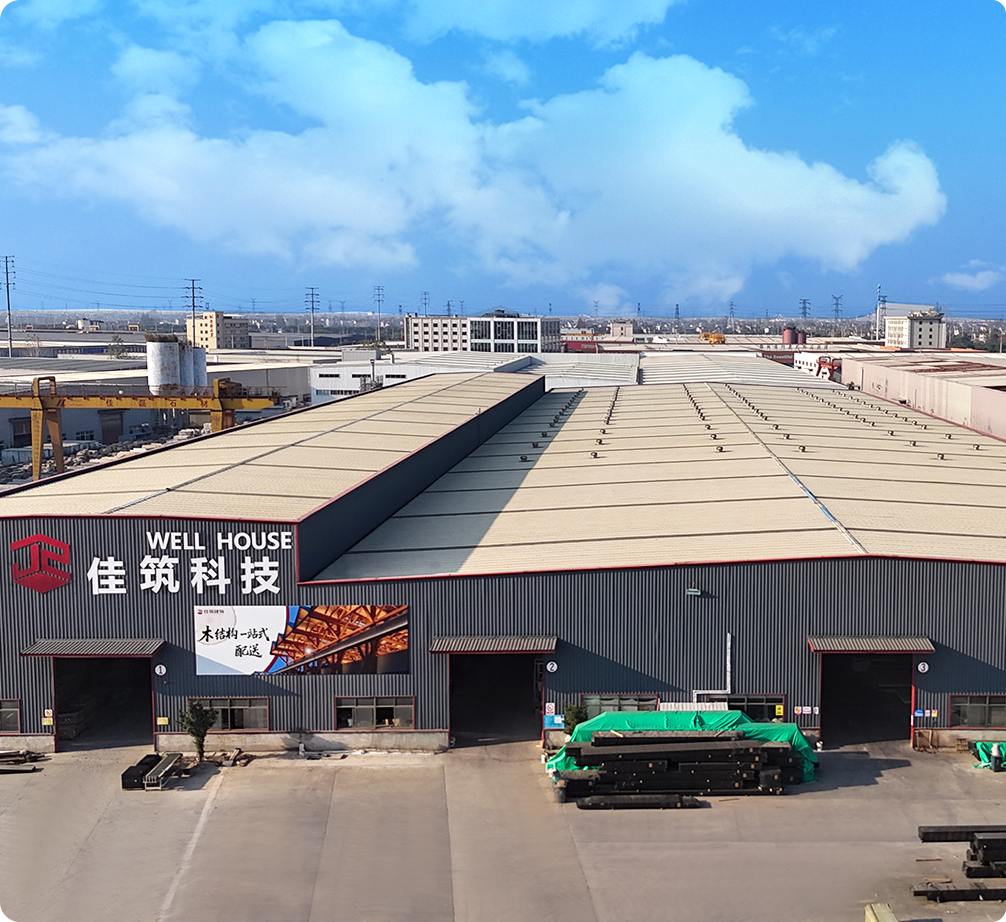
Round glulam columns benefit from prefabrication, which allows precise manufacturing under controlled conditions. Prefabrication ensures uniformity in diameter, length, and lamination quality, minimizing on-site adjustments and reducing construction time. Installation requires careful handling to prevent damage, especially during transportation and lifting. Connection hardware, alignment with beams and slabs, and anchoring must be installed accurately to preserve load transfer and structural integrity. Prefabrication and planned installation contribute to consistent quality, minimize construction delays, and enable architects and engineers to integrate timber columns seamlessly into complex building designs.
Installation of Round Glulam Columns
On-site Handling and Storage
Proper on-site handling and storage are essential to maintain the quality and structural integrity of round glulam columns. Glued laminated timber is sensitive to prolonged exposure to moisture, direct sunlight, and temperature fluctuations, which can lead to warping, surface checking, or degradation of adhesives. To prevent such damage, timber columns should be stored on elevated, flat, and well-drained surfaces, with protective coverings to shield them from rain and UV radiation. When stacking multiple glulam columns, spacers should be placed between layers to allow air circulation and prevent localized moisture accumulation. Safe handling practices include using lifting straps, slings, or cranes designed for timber, avoiding dragging or dropping the columns, and ensuring that personnel follow established safety protocols. Proper handling and storage protect the appearance and performance of round glulam columns, ensuring that the wood columns are ready for precise installation.
Erection and Bracing
The erection process of round glulam columns involves careful lifting, positioning, and temporary stabilization. Cranes or lifting equipment are typically used to raise timber columns into their designated locations, with attention to preventing twisting or lateral movement. Round glulam columns must be aligned accurately with architectural and structural plans, ensuring that load paths are correctly transferred to foundations and connecting elements. Temporary bracing is a crucial step during installation, providing lateral stability and preventing tipping or deformation until permanent connections are installed. Bracing may include timber supports, adjustable steel props, or tensioned cables, depending on column height, diameter, and site conditions. Proper erection and bracing practices ensure that glued laminated timber maintains its shape and alignment, supporting both safety and performance during the installation process.
Connection Installation
Installing connectors and fasteners is a critical phase in securing round glulam columns to structural elements. The type of connection—whether steel brackets, concealed hardware, bolts, or dowels—must be compatible with the design and load requirements of the building. Fasteners should be installed according to manufacturer specifications and engineering plans, with careful attention to torque, spacing, and depth. Proper alignment of the column with beams, slabs, or foundations is essential to ensure uniform load transfer and prevent stress concentrations that could compromise performance. Inspecting each connection during and after installation verifies that the timber columns are securely anchored and aligned, providing long-term structural stability. This meticulous approach to connection installation helps maintain the integrity and durability of wood column design throughout the service life of the building.
| Installation Phase |
Considerations |
Impact on Performance |
| On-site Handling and Storage |
Elevated storage, protective coverings, proper lifting, and safe handling |
Prevents warping, moisture damage, and preserves timber column integrity |
| Erection and Bracing |
Crane lifting, precise positioning, temporary bracing for lateral stability |
Ensures correct alignment and prevents deformation during installation |
| Connection Installation |
Steel brackets, concealed connectors, bolts, dowels; alignment and torque control |
Secures glulam columns, enables proper load transfer, and maintains stability |
Coordination with Other Trades
Installing round glulam columns often requires coordination with other construction trades to ensure smooth workflow and accurate placement. Electrical, mechanical, and plumbing systems may interact with timber columns, requiring pre-planned cutouts, sleeves, or clearances. Structural steel or concrete elements may also be installed in sequence with glulam columns, necessitating careful scheduling and communication among contractors. Coordination ensures that timber columns are not damaged during installation of other components and that all connections and alignments are maintained. This collaborative approach contributes to the overall efficiency and quality of construction, reducing delays and minimizing the risk of errors.
Inspection and Quality Assurance
Inspection and quality assurance are critical throughout the installation of round glulam columns. Columns should be examined for visible defects, cracks, or misalignment before lifting and after placement. Connection points should be verified for proper fastener installation, torque, and alignment. Any deviations from design specifications must be corrected immediately to maintain structural performance and safety. Regular inspection ensures that glued laminated timber performs as intended, and that wood columns retain both their load-bearing capacity and aesthetic appeal. Documentation of inspection results also supports compliance with building codes and standards, providing a reliable record of quality control.
Safety Considerations
Safety during installation is paramount due to the size, weight, and height of round glulam columns. Personnel must follow established procedures for crane operation, rigging, and lifting. Protective equipment, such as helmets, gloves, and harnesses, should be used at all times. Temporary bracing and support systems must be checked regularly to prevent accidental movement or collapse. Proper training and adherence to safety protocols minimize the risk of injury to workers and protect the integrity of timber columns during installation. Emphasizing safety ensures that the process of erecting architectural columns proceeds efficiently and without incident.
Long-term Considerations
Proper installation of round glulam columns lays the foundation for long-term performance and durability. Correct storage, handling, erection, bracing, and connection installation reduce the likelihood of future structural issues, such as twisting, cracking, or excessive deflection. Timber columns installed with precision maintain their aesthetic qualities and structural reliability over decades. In combination with protective finishes and periodic maintenance, well-installed glulam columns provide consistent support for architectural and structural elements, contributing to the longevity and resilience of buildings that utilize glued laminated timber.
Maintenance and Care of Round Glulam Columns
Regular Inspections
Routine inspections are essential for ensuring the long-term performance of round glulam columns. Glued laminated timber, like all wood materials, can be affected by environmental conditions, structural loads, and everyday wear. Regularly examining wood columns allows building owners and maintenance personnel to identify early signs of damage such as cracks, splits, surface checking, or discoloration. Inspections should also include checks on connections and fasteners, ensuring that steel brackets, bolts, or concealed connectors remain secure and aligned. The frequency of inspections can vary depending on location, climate, and exposure to moisture or sunlight, but establishing a consistent schedule helps detect issues before they escalate, preserving both structural integrity and aesthetic quality of timber columns in residential, commercial, and public buildings.
Cleaning and Sealing
Proper cleaning and sealing are crucial components in the maintenance of round glulam columns. Cleaning should be conducted using non-abrasive methods, such as soft cloths, brushes, or low-pressure water, to remove dust, dirt, and surface deposits without damaging the timber. Avoiding harsh chemicals prevents the deterioration of adhesives and wood fibers. Periodic resealing with appropriate protective coatings maintains moisture resistance and UV protection, preventing warping, discoloration, and surface degradation. Exterior columns exposed to weather conditions may require more frequent resealing, while interior wood columns may need less frequent maintenance. The combination of careful cleaning and timely resealing ensures that glulam columns retain their natural appearance, durability, and resistance to environmental stressors over time.
Repairing Damage
Minor damage to round glulam columns, such as scratches, dents, or small surface cracks, can often be repaired on-site without significant intervention. Wood fillers, compatible adhesives, or sanding techniques may be used to restore surface smoothness and visual continuity. In cases where damage affects structural performance, such as larger splits, deep cracks, or compromised connections, professional repair is necessary to ensure safety. Experienced technicians may use methods such as lamination reinforcement, epoxy injection, or partial replacement of affected sections to restore strength and alignment. Prompt attention to repairs, whether minor or significant, helps maintain the long-term reliability of timber columns, protecting both architectural integrity and load-bearing functionality.
| Maintenance Task |
Recommended Practices |
Purpose |
| Regular Inspections |
Check for cracks, splits, discoloration, and connection integrity; maintain consistent inspection schedule |
Detect early signs of wear or damage to preserve structural and aesthetic performance |
| Cleaning and Sealing |
Use non-abrasive cleaning methods; apply protective coatings or sealants periodically |
Maintain moisture and UV resistance; prevent surface degradation |
| Repairing Damage |
Repair minor scratches or dents with fillers; engage professionals for structural issues |
Restore surface and structural integrity; ensure long-term durability of timber columns |
Environmental Considerations
The performance of round glulam columns is influenced by the surrounding environment. Timber columns in high-humidity areas may be prone to swelling or fungal growth, while those in dry or sunny locations can experience surface checking or discoloration. Regular maintenance practices such as inspections, cleaning, and resealing help mitigate these environmental effects. Using glulam columns in controlled indoor environments reduces exposure to extreme conditions, but outdoor installations, including bridges and public structures, require additional attention to coatings and finishes. Understanding the environmental context of each timber column allows building owners to apply targeted maintenance strategies, prolonging the life and appearance of architectural columns.
Integration with Building Systems
Round glulam columns are often integrated with other building systems, including HVAC, electrical, and lighting installations. During maintenance, it is important to consider the impact of these systems on timber columns, such as exposure to moisture from HVAC ducts or potential contact with electrical conduits. Cleaning and protective treatments should be applied carefully around integrated systems to avoid interference or damage. Coordination between maintenance personnel and building system managers ensures that timber columns remain both structurally sound and visually consistent without disrupting the functionality of connected systems. This integrated approach enhances the longevity and reliability of glued laminated timber in complex architectural designs.
Long-term Durability
The long-term durability of round glulam columns depends on consistent care, environmental management, and timely repairs. Glued laminated timber is engineered for strength and stability, but proper maintenance ensures that wood columns continue to meet design expectations throughout their service life. Periodic assessments of finishes, connections, and structural performance allow for preventive measures rather than reactive repairs. By combining regular inspections, careful cleaning, protective sealing, and prompt attention to damage, building owners can maintain the functional and aesthetic qualities of timber columns. This long-term perspective supports sustainable building practices and extends the service life of architectural columns in a wide range of residential, commercial, and public applications.
Documentation and Maintenance Records
Maintaining detailed records of inspections, cleaning, sealing, and repairs is an important aspect of round glulam column maintenance. Documentation provides a history of care, allowing building owners and facility managers to track recurring issues, evaluate the effectiveness of protective treatments, and plan future maintenance schedules. Accurate records also support compliance with building codes, warranties, and engineering specifications, providing evidence of responsible stewardship of timber columns. This systematic approach to documentation ensures that glued laminated timber continues to perform reliably and maintains its intended aesthetic appeal throughout the life of the structure.
Professional Support and Guidance
Engaging professionals for consultation and maintenance of round glulam columns can enhance the longevity and performance of timber columns. Structural engineers, timber specialists, and certified maintenance personnel can provide guidance on inspection protocols, appropriate finishes, and repair techniques. Professional evaluation is especially important for complex structures, exterior installations, or cases where damage may affect load-bearing capacity. Leveraging expert knowledge ensures that glued laminated timber is cared for according to best practices, preserving both the structural and architectural qualities of wood columns over time. Combining professional support with routine maintenance by building staff creates a comprehensive care strategy for architectural columns.


 English
 한국어
한국어 Español