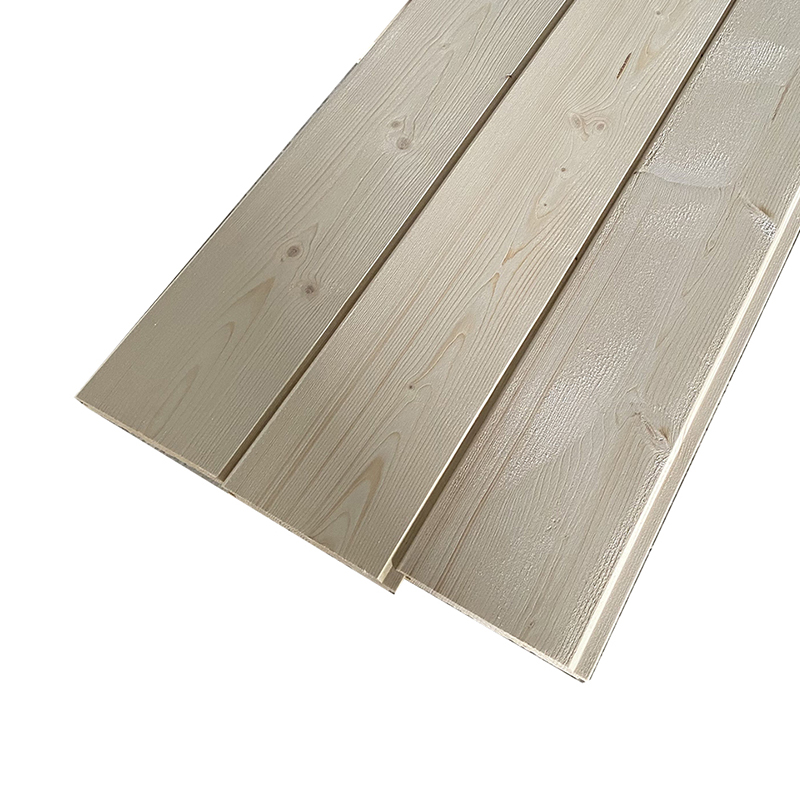
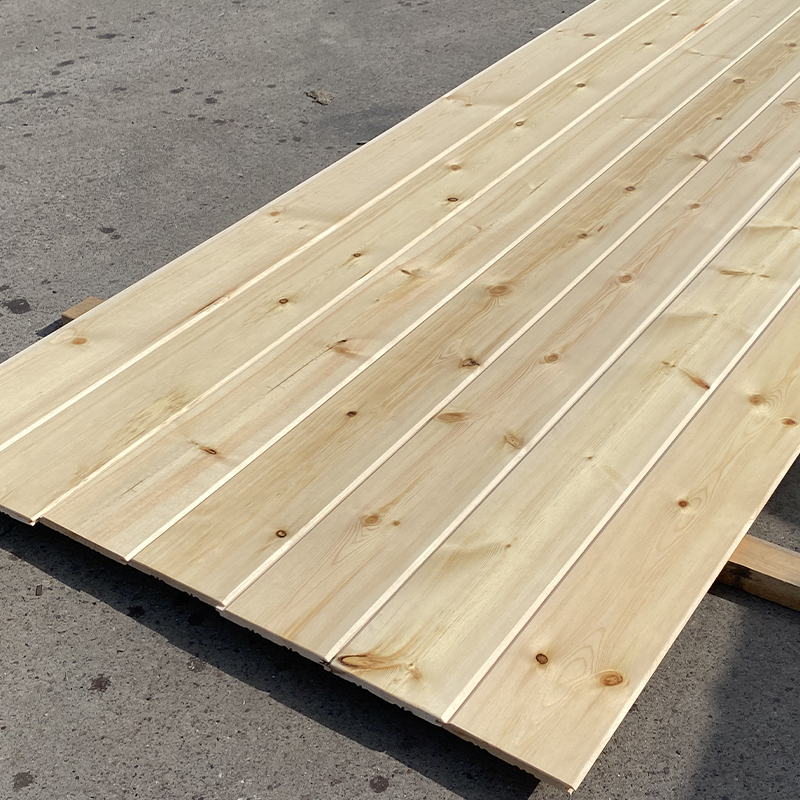
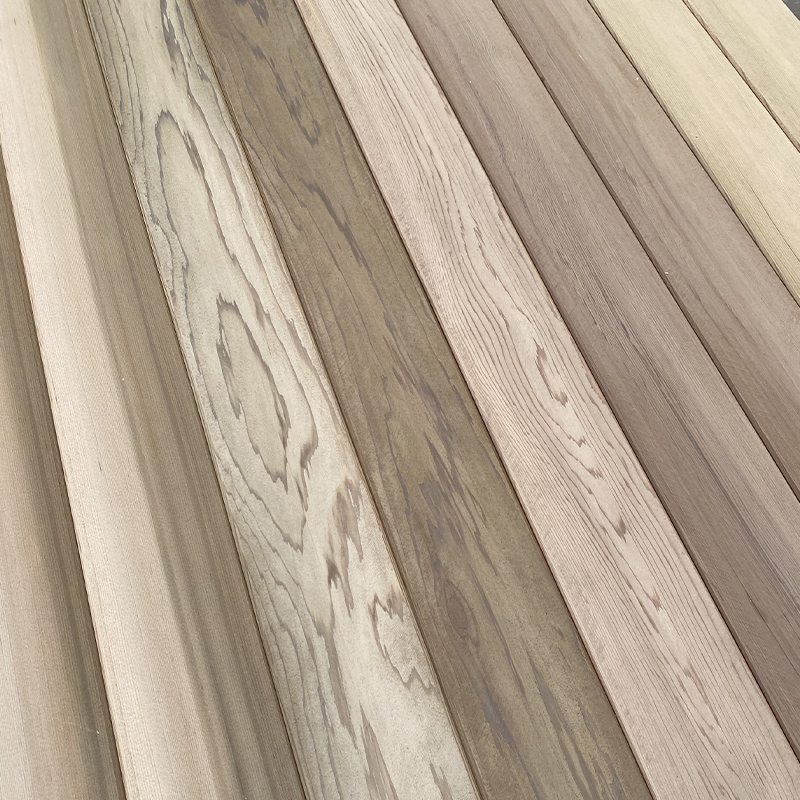
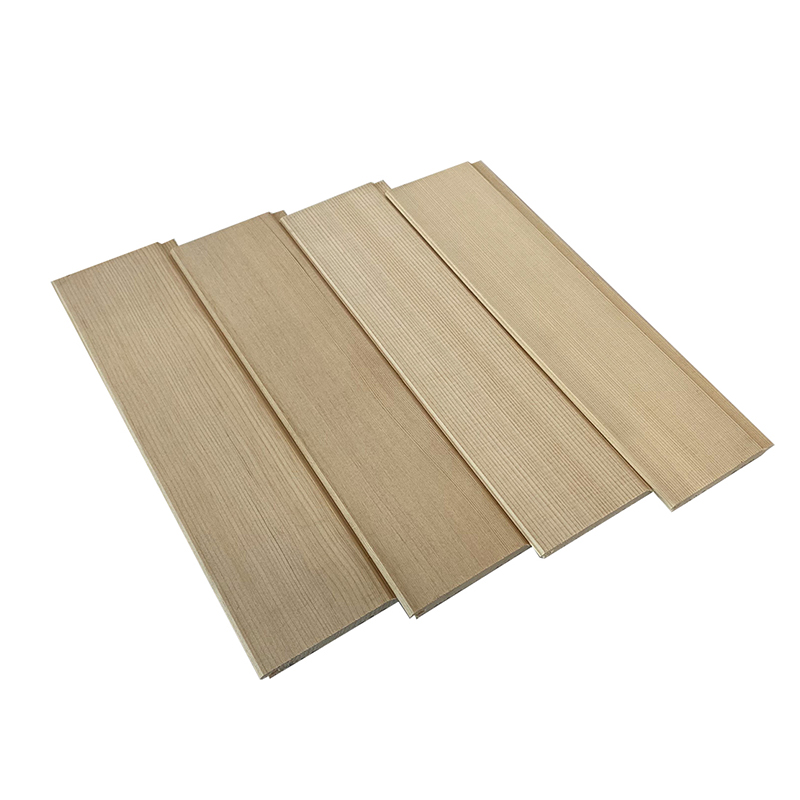
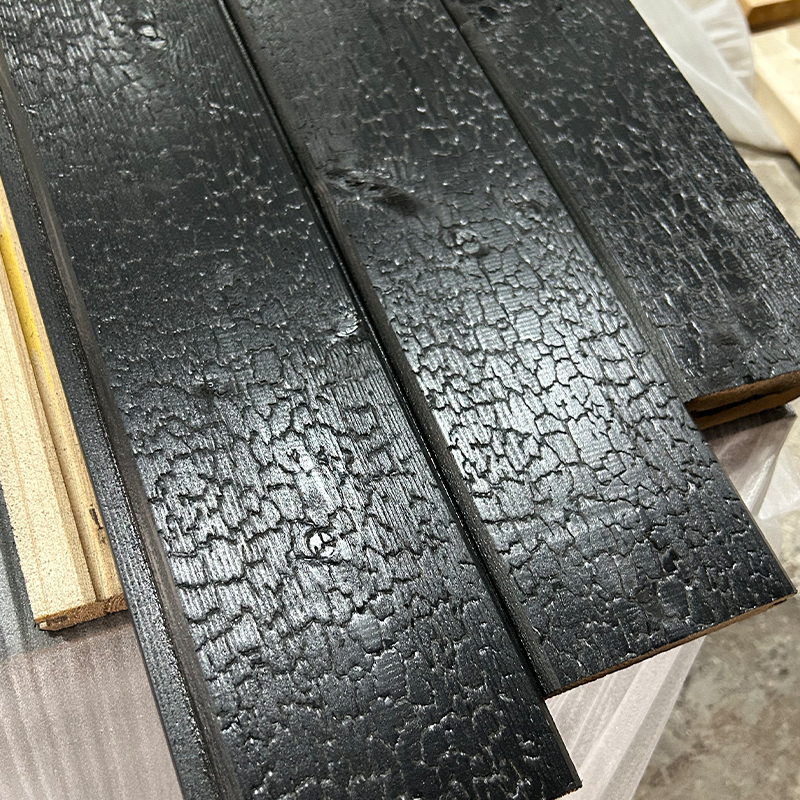
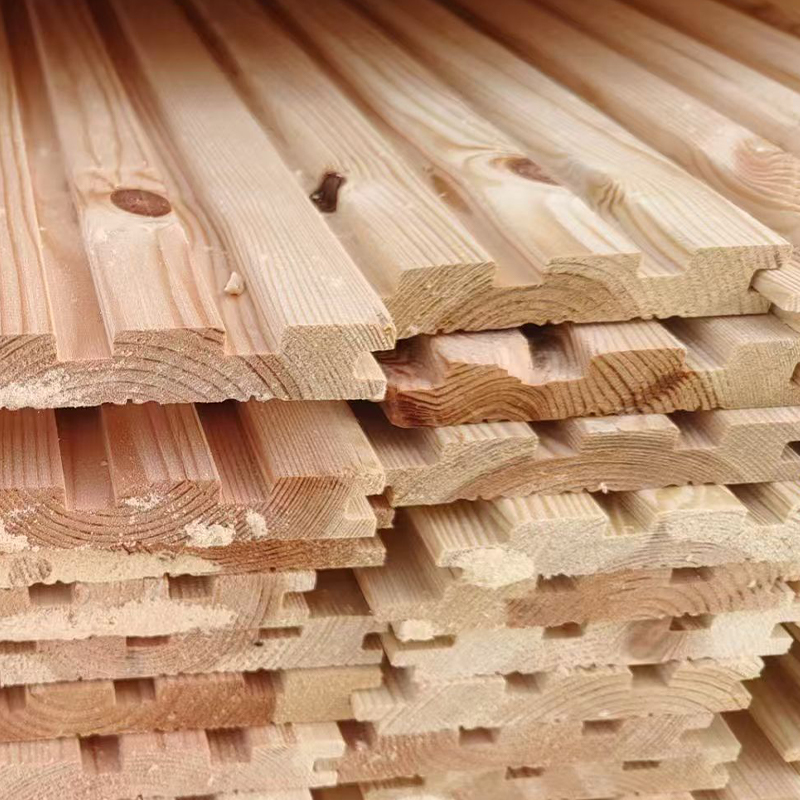
Introduction to Tongue and Groove Wall Panels
Tongue and Groove Wall Panels are a popular and timeless solution for adding texture, warmth, and character to interior spaces. The term “tongue and groove” refers to a traditional joinery method where one edge of the panel has a "tongue" (a protruding edge), and the other has a "groove" (a matching slot). These interlocking pieces fit together seamlessly, creating a clean and smooth surface without visible seams or gaps. This design technique has been used for centuries, initially in flooring and paneling, and is now widely applied to wall treatments.
Tongue and Groove Wall Panels are revered for both their aesthetic appeal and functional benefits, making them a versatile choice for modern home design. They offer a unique charm that complements a variety of design styles, from rustic and cottage-inspired interiors to sleek and contemporary spaces. These panels can transform any room into a cozy, visually appealing area with minimal effort.
In addition to their beauty, Tongue and Groove Wall Panels also provide practical advantages. They are easy to install, durable, and highly versatile, making them an ideal option for a wide range of applications. Whether you want to create a stunning feature wall, add wainscoting, or achieve a distinctive look for your ceiling, Tongue and Groove Wall Panels provide endless possibilities for customization.
Benefits of Using Tongue and Groove Wall Panels
Tongue and Groove Wall Panels offer a wide range of benefits, from enhancing the aesthetic appeal of your home to improving insulation and soundproofing.
Aesthetic Appeal
One of the most significant reasons homeowners choose Tongue and Groove Wall Panels is their timeless and customizable aesthetic. Available in a variety of finishes, colors, and wood species, these panels add natural beauty and texture to any room. The distinct interlocking design creates a seamless look, adding depth and visual interest to walls.
You can find Tongue and Groove Wall Panels in different styles, from traditional wood panels with visible grains to sleek, modern finishes in MDF or PVC. Whether you're looking for a rustic charm with weathered oak or a clean, contemporary finish with painted MDF, there's a Tongue and Groove Wall Panel for every taste. In addition to their finish options, Tongue and Groove Wall Panels come in various sizes and configurations, such as shiplap, beadboard, and even tongue-and-groove designs for a more rustic farmhouse look.
The versatility of Tongue and Groove Wall Panels allows them to complement many interior styles, such as cottage, coastal, industrial, or even minimalist décor. Their timeless appeal ensures they remain on-trend regardless of shifting design fads, making them a long-term investment for any home.
Ease of Installation
Another advantage of Tongue and Groove Wall Panels is their ease of installation, especially for those who prefer DIY projects. Unlike traditional drywall, which often requires joint compound, sanding, and painting, Tongue and Groove Wall Panels are ready to be installed directly onto the wall. The interlocking system allows the panels to fit together quickly and securely, creating a smooth and flawless surface with minimal effort.
Installation can be done with simple tools such as a saw, level, and a nail gun. For added convenience, many Tongue and Groove Wall Panels come pre-finished, meaning there’s no need for additional sanding, priming, or painting. This not only speeds up the installation process but also ensures a professional-looking result every time.
For more complex applications, such as wainscoting or accent walls, professional installation may be preferred to ensure the panels are cut and placed with precision. However, many homeowners successfully install Tongue and Groove Wall Panels themselves, making them an excellent option for those seeking a cost-effective and satisfying DIY project.
Durability and Maintenance
Tongue and Groove Wall Panels are known for their durability, standing the test of time even in high-traffic areas. Whether made from wood, MDF, or PVC, these panels are designed to withstand daily wear and tear. Wood panels, such as those made from oak or cedar, offer a natural strength that resists dents, scratches, and impacts. Similarly, MDF panels are highly durable and less prone to warping, making them suitable for more humid environments.
One of the best features of Tongue and Groove Wall Panels is their ease of maintenance. Unlike wallpaper or paint, which may require frequent touch-ups, Tongue and Groove Wall Panels maintain their appearance for years with minimal effort. Wooden panels may require periodic sealing to prevent damage from moisture or sunlight, but overall, they are easy to clean with a damp cloth. For MDF and PVC panels, simply wiping them down with a soft cloth is often enough to keep them looking pristine.
In the event of a scratch, dent, or other damage, repairing Tongue and Groove Wall Panels is straightforward. Wooden panels can be sanded and refinished, while MDF and PVC panels may require a coat of touch-up paint or a replacement panel. These panels are incredibly forgiving when it comes to maintenance, ensuring they retain their beauty for many years.
Insulation and Soundproofing
Beyond their aesthetic appeal, Tongue and Groove Wall Panels provide valuable functional benefits. One of the most notable advantages is their ability to improve insulation and soundproofing in a room. The natural properties of wood and MDF help regulate temperature, making rooms more energy-efficient. Wood, in particular, is an excellent insulator, helping to keep spaces warmer in the winter and cooler in the summer.
Additionally, Tongue and Groove Wall Panels have sound-dampening qualities, making them ideal for spaces where noise reduction is essential, such as home offices, bedrooms, or media rooms. The interlocking joints create a tight seal that helps to block sound from traveling between rooms. For households with children or those who live in noisy neighborhoods, the added acoustic benefits of Tongue and Groove Wall Panels can significantly improve comfort and privacy.
PVC panels also offer some insulation properties, although they may not be as effective as natural wood or MDF in this regard. However, PVC's waterproof qualities make it an excellent choice for moisture-prone areas like bathrooms or kitchens, where soundproofing and insulation are secondary concerns.
Versatility for Any Room
Tongue and Groove Wall Panels can be used in virtually any room in the house, from living rooms and bedrooms to kitchens and bathrooms. Their versatility extends to design as well, allowing you to experiment with different panel styles and finishes to suit your unique aesthetic. You can create accent walls, wainscoting, or even use Tongue and Groove Wall Panels on the ceiling to add a touch of rustic charm to your home.
In addition to their aesthetic and functional benefits, Tongue and Groove Wall Panels can also be used in commercial spaces such as restaurants, cafes, and offices, offering a sophisticated, professional look that enhances the environment. Whether you're designing a cozy family room or a stylish retail space, Tongue and Groove Wall Panels provide a flexible, durable solution for a wide range of applications.
Types of Tongue and Groove Wall Panels
When choosing Tongue and Groove Wall Panels, the material you select plays a significant role in determining both the aesthetic appeal and functional benefits of your wall treatment. The most common types of Tongue and Groove Wall Panels are made from wood, MDF (medium-density fiberboard), and PVC. Each material offers unique advantages, and the choice depends on your specific design needs, budget, and intended use of the space. Below, we’ll explore the various types of Tongue and Groove Wall Panels to help you make an informed decision.
Wood Panels
Wood remains one of the most popular and traditional materials for tongue and groove wall panels. The natural beauty, durability, and warmth that wood adds to a space are unmatched. There are several different types of wood species commonly used for Tongue and Groove Wall Panels, including pine, cedar, and oak. Each wood species has its unique properties, making them suitable for different design styles and applications.
- Pine: Pine is one of the most affordable and widely used wood species for Tongue and Groove Wall Panels. Its pale color and subtle grain patterns lend themselves well to a variety of styles, from rustic to modern. Pine panels are light in weight and easy to work with, making them ideal for DIY projects. However, they are softer compared to harder woods, meaning they may dent or scratch more easily. Pine is best suited for lower-traffic areas or spaces where it will be well-protected from heavy wear.
- Cedar: Cedar is a highly durable wood species known for its pleasant aroma and natural resistance to moisture and insects. Its rich reddish-brown color and distinctive grain patterns make cedar panels a great option for creating a cozy, rustic look. Cedar is also ideal for spaces like bathrooms and basements, where moisture may be a concern, due to its resistance to warping and decay. However, cedar panels are typically more expensive than pine, making them a better choice for areas where quality and aesthetics are a top priority.
- Oak: Oak is a robust hardwood known for its strength and durability. It has a distinct grain pattern and comes in two main varieties—red oak and white oak—both of which offer different hues and textures. Oak Tongue and Groove Wall Panels are ideal for creating a luxurious, traditional look and are often used in high-end residential and commercial applications. Due to their hardness, oak panels are more resistant to dents and scratches than pine or cedar, making them suitable for high-traffic areas. However, oak is also the most expensive of the wood options, making it best suited for those with a larger budget.
MDF (Medium-Density Fiberboard) Panels
MDF is an engineered wood product made by breaking down wood fibers and reconstituting them with resins and adhesives. This material is a popular choice for tongue and groove wall panels due to its affordability, smooth surface, and versatility.
- Benefits of MDF Panels: One of the primary benefits of MDF panels is their uniform surface, which makes them ideal for painting. Unlike natural wood, which may have knots or imperfections, MDF panels provide a flawless backdrop for any finish, whether it’s a glossy white paint for a modern, clean look or a rich, dark stain for a more classic appeal. MDF is also highly resistant to warping and cracking, making it a durable option for walls.
- Moisture Resistance: While MDF is not naturally resistant to moisture, manufacturers offer moisture-resistant versions of MDF panels that perform well in damp environments. These panels are often used in bathrooms, kitchens, and basements, where humidity can cause issues for traditional wood panels. Moisture-resistant MDF is treated with special additives to prevent swelling or degradation when exposed to water.
- Cost-Effectiveness: Compared to natural wood options like pine, cedar, or oak, MDF panels are more affordable and provide an excellent balance of cost and performance. If you're on a budget but still want the look of traditional wood, MDF Tongue and Groove Wall Panels can be a great option.
PVC (Polyvinyl Chloride) Panels
PVC panels are a modern alternative to traditional wood and MDF Tongue and Groove Wall Panels. Made from synthetic plastic, these panels offer several benefits that make them particularly appealing for specific applications, especially in areas prone to moisture and heavy wear.
- Waterproof and Low Maintenance: One of the standout features of PVC panels is their waterproof quality, which makes them the ideal choice for wet environments like bathrooms, kitchens, laundry rooms, or even basements. Unlike wood and MDF, PVC does not absorb moisture, meaning it won’t warp, rot, or swell when exposed to humidity. PVC panels are also highly resistant to stains, scratches, and mold, making them incredibly low-maintenance.
- Lightweight and Easy to Install: PVC Tongue and Groove Wall Panels are lightweight, which makes them easier to handle during installation, especially for DIY enthusiasts. Additionally, PVC panels typically come in large sheets or planks that are easy to cut and attach to the wall. This ease of installation combined with their durability makes PVC an excellent choice for home renovation projects.
- Variety of Designs: While PVC is a synthetic material, it can be made to mimic the appearance of natural wood or other materials. Manufacturers offer PVC panels in a variety of colors and finishes, including wood-like textures and patterns, giving you the flexibility to achieve the aesthetic you desire without sacrificing durability.
- Suitability for Wet Areas: Given their waterproof nature, PVC panels are often the preferred option for areas where wood or MDF would struggle. They can be used in kitchens, bathrooms, and even in outdoor spaces like patios and porches where exposure to moisture is a concern.
Choosing the Right Material for Your Space
Selecting the right type of tongue and groove wall panel depends on several factors, including your budget, the style you want to achieve, and the environmental conditions of the space.
- For a Classic, Natural Look: If you're aiming for a traditional, rustic design and you're willing to invest in long-lasting, high-quality materials, wood panels like oak, cedar, or pine are your best choice.
- For Cost-Effectiveness and Versatility: MDF panels provide a perfect balance of affordability, durability, and aesthetic appeal, making them a great option for most interior applications.
- For Moisture-Prone Areas: If you're renovating a bathroom or kitchen, PVC panels offer the best protection against water damage, while still providing a stylish and durable wall treatment.
Design Ideas and Applications for Tongue and Groove Wall Panels
Tongue and Groove Wall Panels are incredibly versatile and can be used in a variety of ways to enhance the aesthetic appeal and functionality of your home. Whether you’re looking to create a feature wall, add texture to a room, or achieve a specific design style, Tongue and Groove Wall Panels offer endless possibilities for customization. Below are some popular design ideas and applications to help you maximize the potential of these panels in your home.
Accent Walls
One of the most popular ways to use Tongue and Groove Wall Panels is for creating accent walls. An accent wall is a statement piece in a room, drawing attention to a specific area and adding depth and texture. Whether you're looking to highlight a feature such as a fireplace, bed, or reading nook, Tongue and Groove Wall Panels offer a unique way to create visual interest without overwhelming the space.
- Living Room: In the living room, a Tongue and Groove accent wall can create a warm, inviting atmosphere. Consider using reclaimed wood panels for a rustic or farmhouse look, or opt for smooth, painted MDF panels for a more modern or coastal feel. Adding a Tongue and Groove feature wall behind a sofa or around a fireplace can create a focal point that adds both character and texture to the room.
- Bedroom: In the bedroom, an accent wall behind the bed can transform the entire room. For a luxurious, traditional look, consider using rich, dark wood panels like oak or walnut. Alternatively, for a beach-inspired or light and airy feel, opt for light-colored pine or whitewashed wood panels. You can even combine different panel styles, such as shiplap with beadboard, to create a unique, layered effect.
Wainscoting
Wainscoting is a classic wall treatment where Tongue and Groove Wall Panels are installed along the lower half of the wall, typically up to chair rail height. This design not only adds texture and elegance to a room but also serves to protect walls from scuffs and stains, making it ideal for high-traffic areas like hallways, dining rooms, or bathrooms.
- Traditional Wainscoting: For a more traditional look, you can use Tongue and Groove Wall Panels with a chair rail at the top. Opt for rich, dark woods like oak or walnut to add sophistication to the space, or lighter tones such as pine or maple for a more airy and relaxed vibe. The horizontal lines created by the panels can help elongate the room and make the space feel more spacious.
- Modern Wainscoting: To give wainscoting a modern twist, consider using Tongue and Groove Wall Panels in white or light gray. These neutral tones will brighten up the room, especially when paired with minimalistic or contemporary décor. Alternatively, mixing different sizes or finishes of Tongue and Groove Wall Panels can create a more custom, modern wainscoting design.
Ceilings
While Tongue and Groove Wall Panels are typically used on walls, they can also be used on ceilings to create a stunning focal point. Installing Tongue and Groove Wall Panels on the ceiling adds visual interest, making the room feel more cohesive and inviting. This application works particularly well in rooms with high ceilings, as the panels can add warmth and texture to balance out the space.
- Rustic or Farmhouse Ceiling: If you're looking to achieve a rustic, farmhouse-style ceiling, opt for reclaimed wood or distressed Tongue and Groove Wall Panels. The natural imperfections and weathered textures of the wood will create a cozy, lived-in feel. This design is especially fitting for kitchens, living rooms, or entryways where you want to create a relaxed, welcoming environment.
- Modern Ceiling Design: For a more modern or contemporary look, consider using smooth, painted MDF panels for your ceiling. Choose a light color like white or pale gray to make the room feel airy and expansive. You can even add a subtle sheen or matte finish to give the ceiling a sleek, polished look.
Kitchen and Bathroom Walls
In addition to their use on living room or bedroom walls, Tongue and Groove Wall Panels can also be used in more practical spaces like kitchens and bathrooms. These areas are exposed to moisture, heat, and grease, so choosing the right type of panel is essential.
- Kitchen Backsplash: A Tongue and Groove backsplash is a unique and stylish alternative to traditional tile. Wood panels, especially when treated for moisture resistance, can add warmth and texture to your kitchen. Alternatively, PVC panels offer a low-maintenance, waterproof option that mimics the look of wood but is more practical for wet environments. A Tongue and Groove backsplash behind the stove or sink area can be a striking feature that brings both functionality and style to the space.
- Bathroom Walls: Tongue and Groove Wall Panels in the bathroom can create a spa-like atmosphere, with wood panels offering a natural, calming aesthetic. Cedar, in particular, is a great choice for bathrooms because of its natural resistance to moisture and mildew.
For a more modern and moisture-resistant option, consider using PVC panels for the walls or as wainscoting along the lower half of the wall. They come in a variety of colors and finishes, making it easy to coordinate with your bathroom décor.
Hallways and Entryways
Hallways and entryways are often overlooked when it comes to interior design, but they provide an excellent opportunity to showcase Tongue and Groove Wall Panels. Using these panels in entryways can set the tone for the rest of the house, creating a welcoming atmosphere right from the moment you step inside.
- Vertical Panels: In narrow hallways, installing Tongue and Groove Wall Panels vertically can make the space appear taller and more expansive. Pair this with light-colored wood or painted MDF panels for a clean, fresh look. In larger entryways, horizontal Tongue and Groove Wall Panels can create a sense of warmth and groundedness while adding texture to the walls.
- Accent Wall or Wainscoting: In entryways, you can also use Tongue and Groove Wall Panels as an accent wall or wainscoting. For a more modern feel, use smooth, whitewashed panels that contrast with darker wood accents in your furniture or décor. This combination can create a balanced, cohesive entryway design.
Other Creative Applications
- Home Offices: Tongue and Groove Wall Panels can add character and depth to a home office, making the space feel more inviting and productive. Whether you’re creating an accent wall behind your desk or paneling the entire room, Tongue and Groove Wall Panels offer a timeless backdrop that enhances your workspace’s aesthetic and functionality.
- Basement Walls: In basements, where moisture and humidity are common issues, using moisture-resistant materials like PVC or treated MDF for your Tongue and Groove Wall Panels can help protect the walls while adding a stylish touch. The panels will brighten up the space and create a more inviting atmosphere in what is often a dark, cold room.
Installation Guide for Tongue and Groove Wall Panels
Installing Tongue and Groove Wall Panels is a relatively straightforward process that can be completed by homeowners with basic DIY skills. With the right tools and materials, you can transform your walls into a beautiful and functional surface. In this guide, we’ll walk you through the essential tools and materials needed for installation, followed by a step-by-step process to ensure a smooth and successful Tongue and Groove Wall Panel installation.
Tools and Materials
Before you start the installation, gather all the necessary tools and materials to ensure a hassle-free process. Below is a list of the essential items you’ll need:
Tools:
- Measuring Tape: To measure wall dimensions and panel sizes.
- Level: To ensure panels are aligned perfectly and straight.
- Saw: A handsaw or circular saw will be needed for cutting panels to size.
- Nail Gun or Hammer: For securing the panels to the wall studs.
- Drill: If you’re using screws to secure the panels, a drill will be essential.
- Miter Saw (Optional): For cutting panels at precise angles, especially for corners.
- Caulking Gun: To apply caulk or adhesive between panels or around edges.
- Safety Gear: Safety goggles, ear protection, and a dust mask are recommended for protection during installation.
Materials:
- Tongue and Groove Panels: Choose the material (wood, MDF, PVC) based on your needs and preferences.
- Nails or Screws: Use nails or screws suitable for your wall type (e.g., drywall, studs, or concrete).
- Adhesive: If you're not nailing the panels directly into studs, an adhesive is needed to secure the panels to the wall.
- Caulk or Sealant: For finishing edges and preventing gaps.
- Trim Pieces: Optional trim for edges or corners for a more polished finish.
Step-by-Step Installation Process
Prepare the Wall Surface
Before you begin installing the Tongue and Groove Wall Panels, it's important to prepare the wall surface. If you're installing the panels over drywall, make sure the surface is clean, dry, and free of any debris. For best results, remove any existing wallpaper, paint, or paneling that may be on the wall.
If you’re installing the panels on bare studs or concrete walls, you may want to apply a moisture barrier, especially in areas like basements or bathrooms, to prevent moisture from affecting the panels over time.
Measure and Mark the Wall
Use a measuring tape to measure the width and height of the wall. Mark a straight vertical line on the wall with a pencil where the first panel will be installed. This will ensure that the panels are installed straight and level from the very beginning.
You should also measure and cut the panels in advance to fit your wall. Take into account any outlets, windows, or doors, and make sure the panels will fit snugly around these openings. If you're installing wainscoting, mark the height where you want the panels to stop (typically about one-third of the way up the wall).
Cut the Panels to Size
Once you have your measurements, use a saw to cut your Tongue and Groove Wall Panels to the appropriate size. Be sure to account for any gaps you want to leave for expansion (typically about 1/8 inch) along the edges and around the corners of the room.
If you need to cut the panels at an angle for corners or other areas, use a miter saw to make clean, precise cuts.
Install the First Row of Panels
Begin installing the first row of panels at the bottom of the wall. It’s essential to start from the bottom to ensure the panels are level as they go up. Align the first panel with the marked vertical line and use a level to make sure it’s straight.
If you're using nails, place them in the groove of the first panel to ensure they are hidden once the next panel is installed. Use a nail gun or hammer to secure the panel to the wall. If you're using adhesive, apply a thin layer of adhesive to the back of the panel before pressing it firmly against the wall.
Continue Installing Panels
After the first panel is in place, continue installing subsequent panels by fitting the tongue of the next panel into the groove of the previous one. Tap the panels gently with a rubber mallet to ensure a snug fit. Be careful not to hit them too hard, as this could damage the edges.
As you install each panel, use a level to double-check that the panels remain straight. Keep the panels flush against the wall, and if necessary, trim any excess material from the top or sides of the panels.
Install the Top Row
When you reach the top row, you may need to trim the panels to fit precisely. If you’re installing panels up to the ceiling, use a saw to cut the final row of panels to the appropriate height. You can also use trim pieces to cover any gaps at the top of the panels for a cleaner, more polished look.
Secure the Panels
As you work your way up the wall, continue to secure the panels with nails or screws. If you're using nails, be sure to drive them into the studs behind the wall to ensure the panels are firmly attached. If you're using adhesive, apply it in a thin, even layer, and press each panel tightly against the wall.
If the panels have any visible nails or screws along the edges, cover them with trim pieces for a more finished look.
Finishing Touches
Once all the panels are installed, it’s time to add the finishing touches. Use caulk to seal any gaps between the panels and around the edges of the wall. You may also want to apply a coat of paint or finish to the panels, especially if you’re using wood or MDF. This will help protect the panels from damage and enhance their appearance.
Trim pieces can be added along the edges of the wall for a polished look, covering any seams or rough edges. Corner pieces can also be installed for a more cohesive and professional finish.
Clean Up
After the installation is complete, clean up any debris and leftover materials. If you used wood panels, you may need to sand down any rough spots or excess glue. Make sure the panels are fully secure and that all edges are properly sealed.
Tips for a Successful Installation
- Measure Twice, Cut Once: To avoid mistakes, always measure your panels and wall spaces carefully before cutting. This will prevent wasted materials and ensure a precise fit.
- Use a Helper: Tongue and Groove Wall Panels can be heavy and difficult to handle on your own, especially for larger walls. Having an extra pair of hands can make the installation process much easier and more efficient.
- Use a Spacer: When installing Tongue and Groove Wall Panels, use a spacer (such as a small piece of wood) between the panels to ensure consistent spacing and expansion gaps.
- Ventilation: If you’re using wood or MDF panels, ensure the room is well-ventilated during the installation, especially if you’re applying paint or adhesive.
Maintenance and Care for Tongue and Groove Wall Panels
Tongue and Groove Wall Panels are a durable and long-lasting choice for home interiors, but like all surfaces, they require regular maintenance to preserve their beauty and functionality. Proper care ensures that your Tongue and Groove Wall Panels continue to look great for many years, protecting your investment and maintaining the aesthetic appeal of your space.
Cleaning Your Tongue and Groove Wall Panels
The first and most straightforward step in maintaining your Tongue and Groove Wall Panels is regular cleaning. How you clean the panels depends on the material and finish, but here are some general tips for each type:
Wood Panels:
- Dusting: Regularly dust your wood panels with a soft cloth or a microfiber duster to prevent the buildup of dirt and debris. Dusting helps maintain the natural shine and finish of the wood, and it prevents particles from causing scratches.
- Cleaning: For deeper cleaning, use a soft cloth dampened with a mixture of warm water and a mild detergent. Wring the cloth out thoroughly before wiping the panels to avoid water damage. Wood is a natural material, so avoid using excessive amounts of water, which can cause swelling or warping.
- Wood Polish: Occasionally, you may want to apply a wood polish or furniture oil to enhance the appearance of the panels. Choose a product that’s specifically designed for the type of wood you’ve installed. Be sure to follow the manufacturer’s instructions to avoid over-polishing or damaging the finish.
MDF Panels:
- Dusting and Cleaning: Like wood, MDF panels should be dusted regularly. Use a soft cloth or a microfiber duster to remove any surface dust. For cleaning, use a damp cloth with warm water and a small amount of mild soap or dish detergent. Make sure the cloth is not too wet, as excess moisture can cause MDF to swell and deteriorate.
- Stain Removal: If you notice any stains on the MDF panels, try to remove them with a mixture of water and mild dish soap. For stubborn stains, a small amount of rubbing alcohol on a cloth can help lift the marks without damaging the surface.
PVC Panels:
- Regular Wiping: PVC panels are the easiest to maintain because they are resistant to moisture and stains. Simply wipe them down with a damp cloth to remove dust and dirt. You can use a mild cleaning solution or all-purpose cleaner for more stubborn stains. Avoid abrasive scrubbers, which could scratch the surface.
- Avoid Harsh Chemicals: While PVC is durable, avoid using harsh chemicals or bleach to clean the panels, as these can cause discoloration over time. Stick to gentle cleaning agents to maintain the finish.
Preventative Measures to Protect Your Panels
While Tongue and Groove Wall Panels are designed to be durable, there are a few preventative measures you can take to protect them from damage caused by moisture, sunlight, and wear and tear.
Moisture Protection:
- Wood Panels: Wood is naturally susceptible to moisture damage, which can lead to warping, swelling, or even mold growth. To protect your wood panels, be sure to install them in dry areas, or treat them with a moisture-resistant sealant. In rooms like bathrooms or kitchens, where humidity levels can be high, consider using a protective coating to prevent the wood from absorbing excess moisture. Regularly check for signs of water damage, such as discoloration or soft spots, and address any issues promptly.
- MDF Panels: While moisture-resistant MDF is available, regular MDF panels should not be exposed to excessive humidity. Make sure that the panels are installed in areas where moisture won’t accumulate, or opt for MDF panels that have been treated for moisture resistance. If your panels are exposed to moisture, promptly dry them with a cloth to prevent swelling or damage.
- PVC Panels: PVC panels are the most moisture-resistant material, making them ideal for bathrooms, kitchens, and other humid spaces. However, it’s still important to check for any leaks or standing water that may accumulate along the seams or edges of the panels. Regularly inspect the panels to ensure there is no mold or mildew buildup.
Sunlight Exposure:
- Wood Panels: Wood panels, particularly those with natural finishes, can fade or discolor over time when exposed to direct sunlight. To prevent this, consider using curtains or blinds to protect the panels from harsh UV rays, or opt for a UV-protective finish on the wood. Regularly reapply the protective coating to preserve the color and finish of the wood.
- MDF and PVC Panels: MDF and PVC panels are less prone to discoloration from sunlight, but it’s still a good idea to use window treatments in rooms where the panels are exposed to direct sun for long periods. This will help protect the panels from heat damage and fading over time.
Repairing Damaged Panels
Despite their durability, Tongue and Groove Wall Panels can sometimes suffer damage from impacts, scratches, or other accidents. Fortunately, repairing Tongue and Groove Wall Panels is relatively simple, and with the right approach, you can restore your panels to their original condition.
Wood Panel Repair:
- Scratches and Dents: For small scratches or dents in wood panels, use a wood filler that matches the color of your panels. Apply the filler to the damaged area, smooth it with a putty knife, and let it dry. Once dry, sand the area lightly and finish with a coat of varnish or wood stain to match the surrounding wood.
- Cracks or Splits: If your wood panels develop cracks or splits, you can use wood glue to bond the pieces back together. Apply the glue to the crack, press the pieces together, and clamp them until the glue dries. Once the glue has set, sand the area smooth and refinish the wood if necessary.
MDF Panel Repair:
- Scratches and Chips: If your MDF panels get scratched or chipped, you can fill the damage with a wood filler or an MDF repair compound. After the filler has dried, sand it smooth and touch up the area with paint. MDF panels typically have a smooth finish, so it’s easy to conceal minor imperfections with a fresh coat of paint.
PVC Panel Repair:
- Minor Scratches: For minor scratches on PVC panels, use a soft cloth to buff the area. If the scratch is more noticeable, you can use a PVC repair kit that includes a filler and colorant to match the panel. Be sure to follow the instructions on the repair kit for the best results.
Long-Term Care and Preservation
To preserve the life of your Tongue and Groove Wall Panels, it’s important to follow these long-term care tips:
- Reapply Protective Coatings: Wood and MDF panels may require reapplication of protective coatings, such as sealants or finishes, over time. This helps to maintain their appearance and prevent damage from moisture, UV rays, or wear and tear.
- Inspect Regularly: Make it a habit to inspect your panels at least once a year for signs of damage, moisture, or wear. Promptly address any issues to prevent further deterioration.
- Protect From Impact: Be mindful of objects that could scratch or damage your panels, such as heavy furniture, sharp edges, or abrasive cleaning tools. If possible, use soft pads or felt protectors on furniture legs and avoid using harsh cleaning tools on the panels.



 English
 한국어
한국어 Español