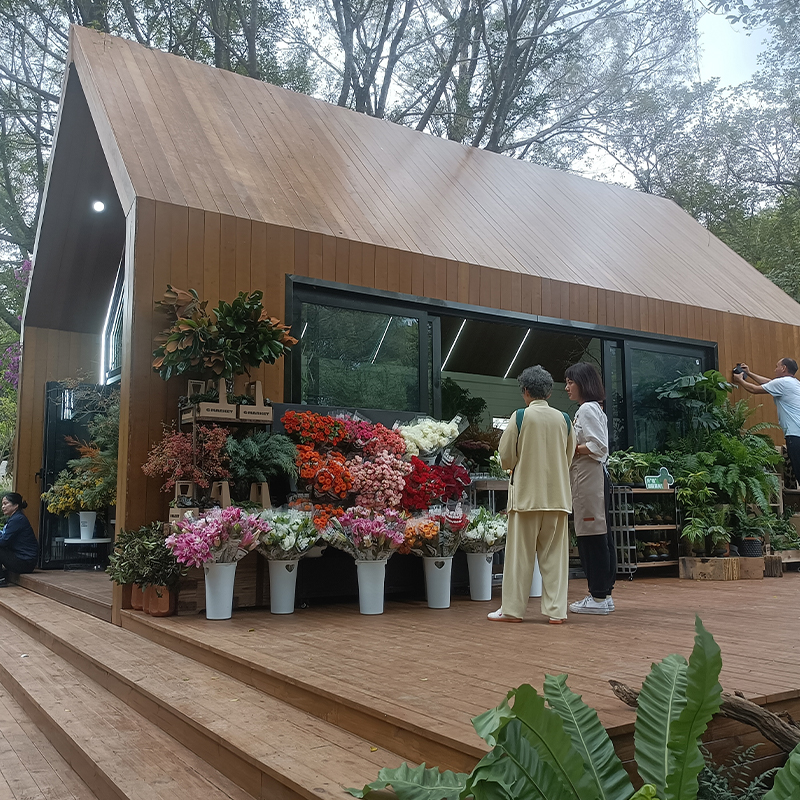
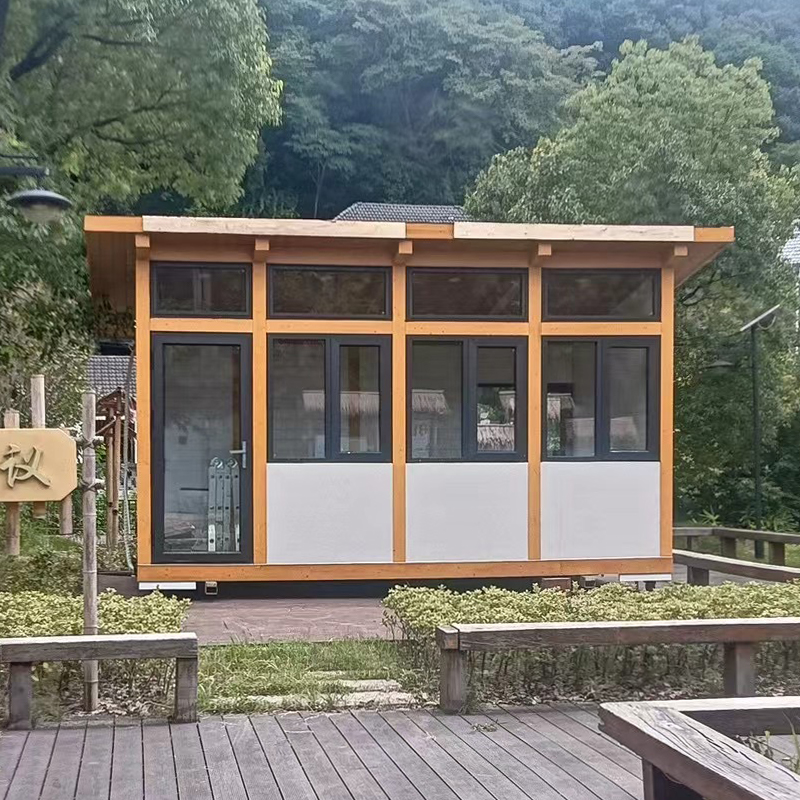
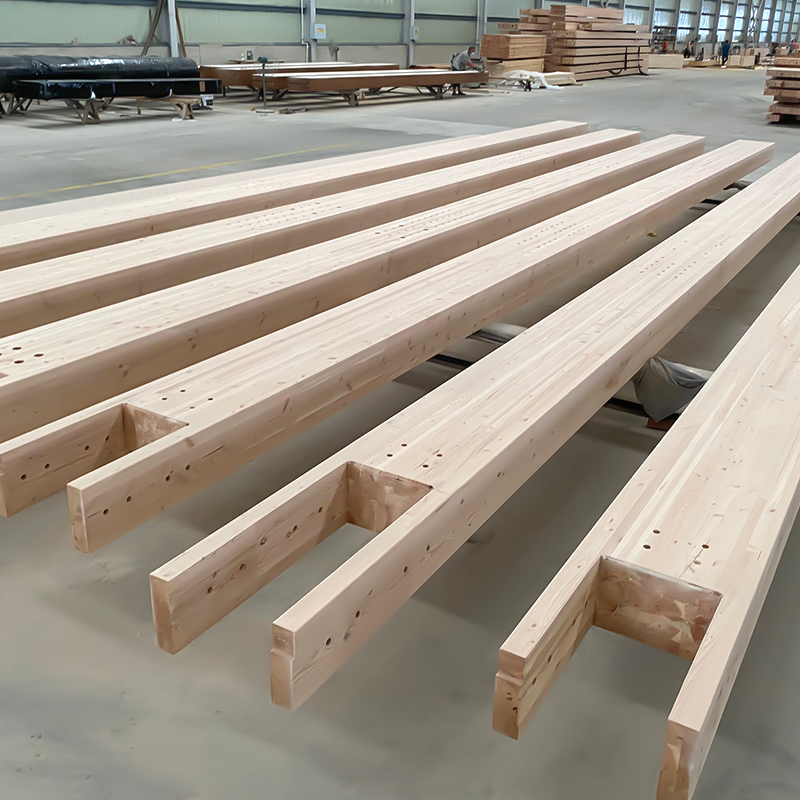
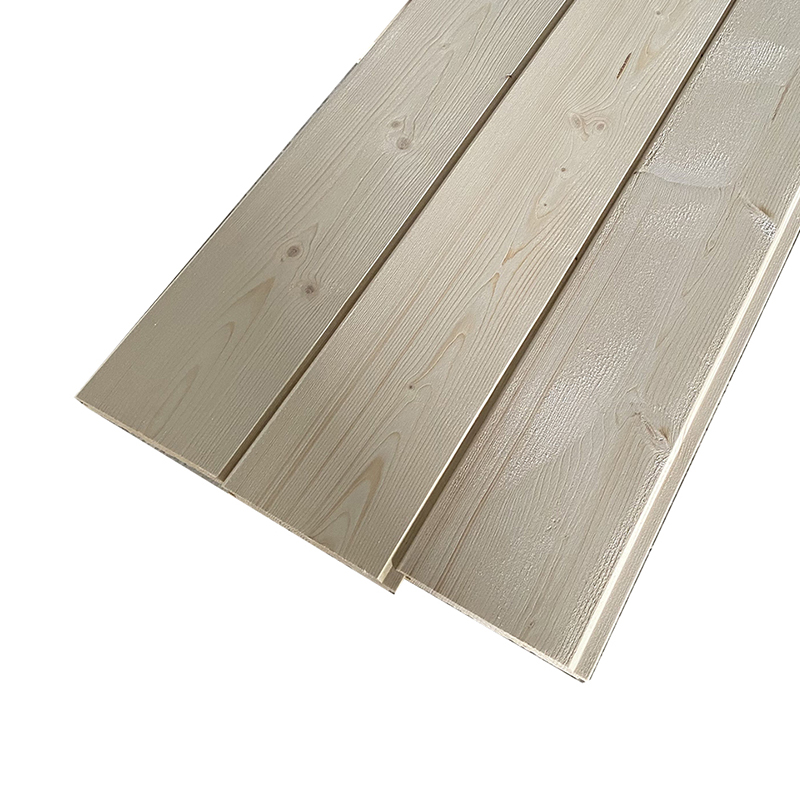
As global construction moves toward sustainability, efficiency, and lifecycle optimization, building systems are increasingly evaluated not only by upfront cost, but by long-term performance, environmental impact, and operational value. Wooden House solutions developed by Nantong Wellhouse Architectural Technology Co., Ltd. respond directly to these evolving demands by integrating engineered timber technology, industrialized production, and full-cycle project delivery into a single, reliable construction approach.
Rather than positioning timber construction as a niche or decorative option, Wooden House systems represent a mature structural solution capable of supporting modern residential, commercial, and public architecture at scale.
Engineered Timber Structures That Meet Real Engineering Expectations
The structural foundation of every Wooden House is built on advanced engineered timber products, including glued laminated timber (glulam) and Cross-Laminated Timber (CLT). These materials are not selected for appearance alone, but for their predictable mechanical properties, load-bearing capacity, and dimensional stability under long-term use.
Through industrial manufacturing and strict quality control, timber components achieve consistent strength and precision that traditional on-site timber construction cannot guarantee. This allows Wooden House structures to meet demanding structural requirements while maintaining uniform performance across large projects and multiple building units.
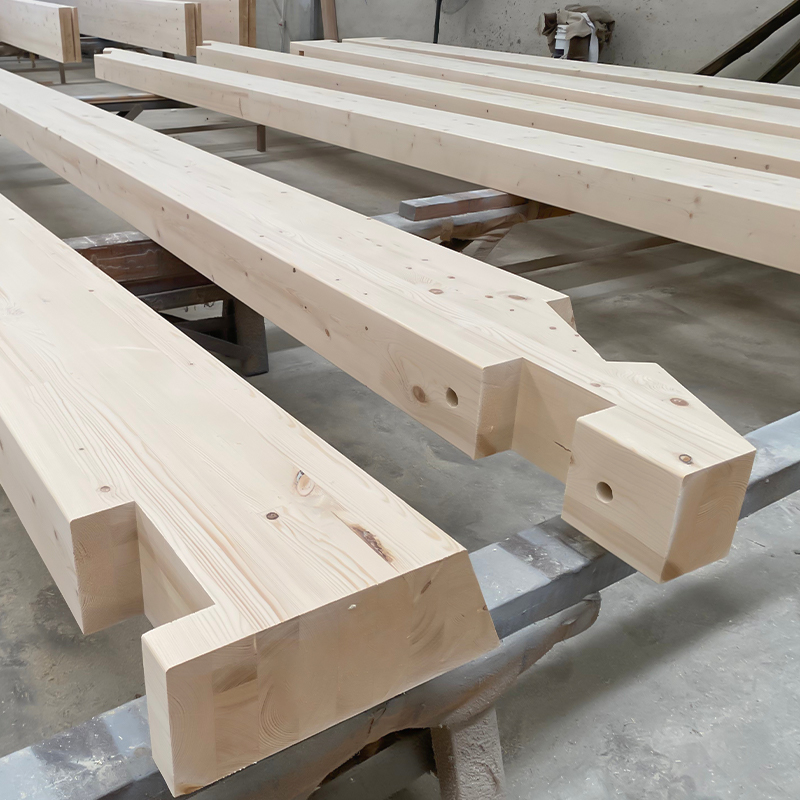
Engineered timber structural framework and primary load-bearing system
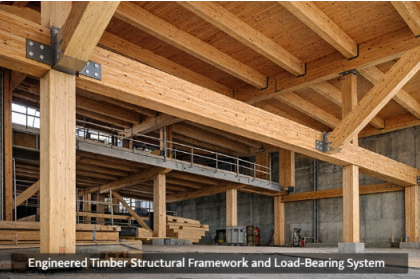
This image was generated by AI
Industrial Manufacturing That Replaces On-Site Uncertainty
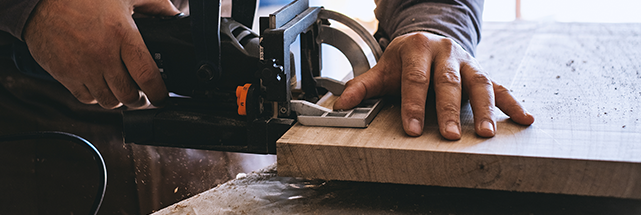
A critical advantage of Wooden House construction lies in its high level of factory prefabrication. Structural beams, wall panels, and connection components are produced in a controlled manufacturing environment using CNC machining and standardized processes. This significantly reduces variability caused by manual on-site fabrication and weather exposure.
For developers and contractors, this manufacturing-driven approach means higher predictability in quality, tighter construction tolerances, and fewer unexpected issues during installation. By shifting complexity from the construction site to the factory, Wooden House systems deliver consistency that aligns with modern industrial project management standards.
Thermal Efficiency and Energy Performance Embedded in the Structure
Energy efficiency is increasingly a decisive factor in building selection and regulatory compliance. Wooden House structures benefit from the natural insulating properties of wood, which reduce thermal bridging and help stabilize indoor temperatures throughout the year.
This inherent thermal performance lowers heating and cooling demand, reducing operational energy consumption over the building’s lifecycle. In residential and commercial applications alike, this contributes to lower energy costs while enhancing occupant comfort, supporting both economic and environmental objectives.
Acoustic Comfort That Improves Quality of Life and Productivity
Beyond thermal performance, Wooden House construction offers notable acoustic advantages. Engineered timber assemblies absorb and diffuse sound, reducing noise transmission between rooms and floors. This creates quieter interiors and more comfortable living and working environments.
For applications such as housing developments, hotels, office spaces, and public facilities, improved acoustic performance directly enhances user satisfaction. In many cases, this reduces the need for additional soundproofing measures, simplifying interior design and construction.
Sustainability as a Measurable Structural Advantage
Wooden House systems deliver sustainability that goes beyond surface-level claims. Timber is a renewable resource that stores carbon over its entire service life, making Wooden House projects an active participant in carbon reduction strategies.
Compared to concrete and steel construction, engineered timber significantly lowers embodied carbon and energy consumption during material production. This makes Wooden House solutions particularly attractive for projects seeking green building certifications or aiming to meet increasingly strict environmental regulations.
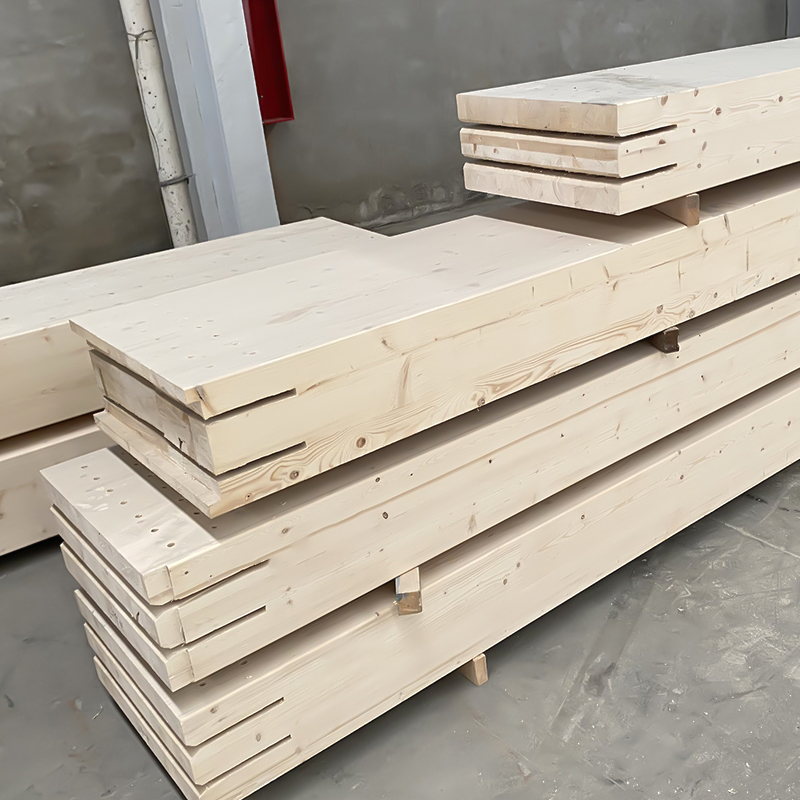
Sustainable timber materials and prefabricated components prepared for construction
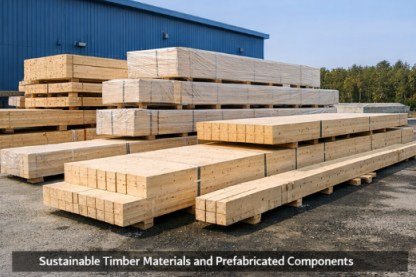
This image was generated by AI
Architectural Flexibility Without Structural Trade-Offs
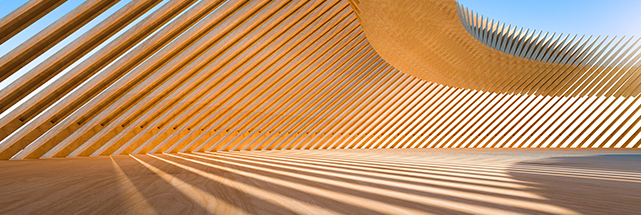
One of the persistent misconceptions about timber construction is limited design freedom. Wooden House systems challenge this assumption by enabling large spans, open layouts, and modern architectural forms while maintaining structural integrity.
Precision CNC machining allows components to be tailored to complex architectural requirements, supporting both standardized housing models and highly customized landmark projects. Architects gain the freedom to explore creative design solutions while relying on a structurally proven system.
Speed of Construction That Supports Commercial Viability
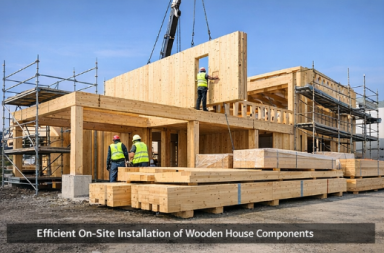
Construction time has a direct impact on project profitability and risk exposure. Wooden House solutions significantly shorten construction schedules through prefabrication and modular assembly. Structural components arrive on site ready for installation, reducing labor intensity and on-site coordination complexity.
Faster construction not only accelerates project delivery but also minimizes disruptions caused by weather, labor shortages, or site constraints. This efficiency makes Wooden House systems especially suitable for projects operating under tight timelines or phased development plans.
Efficient on-site installation and assembly of Wooden House components
This image was generated by AI
Durability and Protection for Long-Term Use
Durability is a key consideration for any long-term building investment. Wooden House components are treated to resist moisture, biological degradation, and environmental exposure, ensuring stable performance across varying climates.
From temperate regions to areas with higher humidity or seasonal temperature fluctuations, Wooden House structures maintain their mechanical properties and visual quality over time. This resilience supports lower maintenance requirements and predictable lifecycle costs.
Integrated Project Services That Reduce Coordination Risk
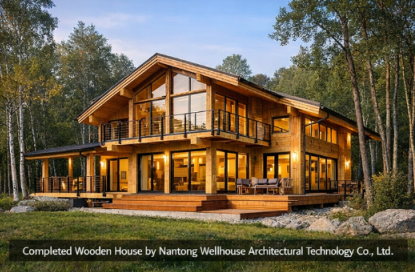
Managing modern construction projects often involves multiple stakeholders, contractors, and service providers. Nantong Wellhouse Architectural Technology Co., Ltd. addresses this complexity through integrated services that cover architectural design, budget planning, manufacturing, and construction installation.
By centralizing responsibility and technical coordination, the company reduces communication gaps and execution risk. Clients benefit from a streamlined workflow, consistent technical standards, and professional support throughout every project phase.
Full-cycle project delivery from design to completed Wooden House building
This image was generated by AI
Production Capacity That Supports Scale and Continuity
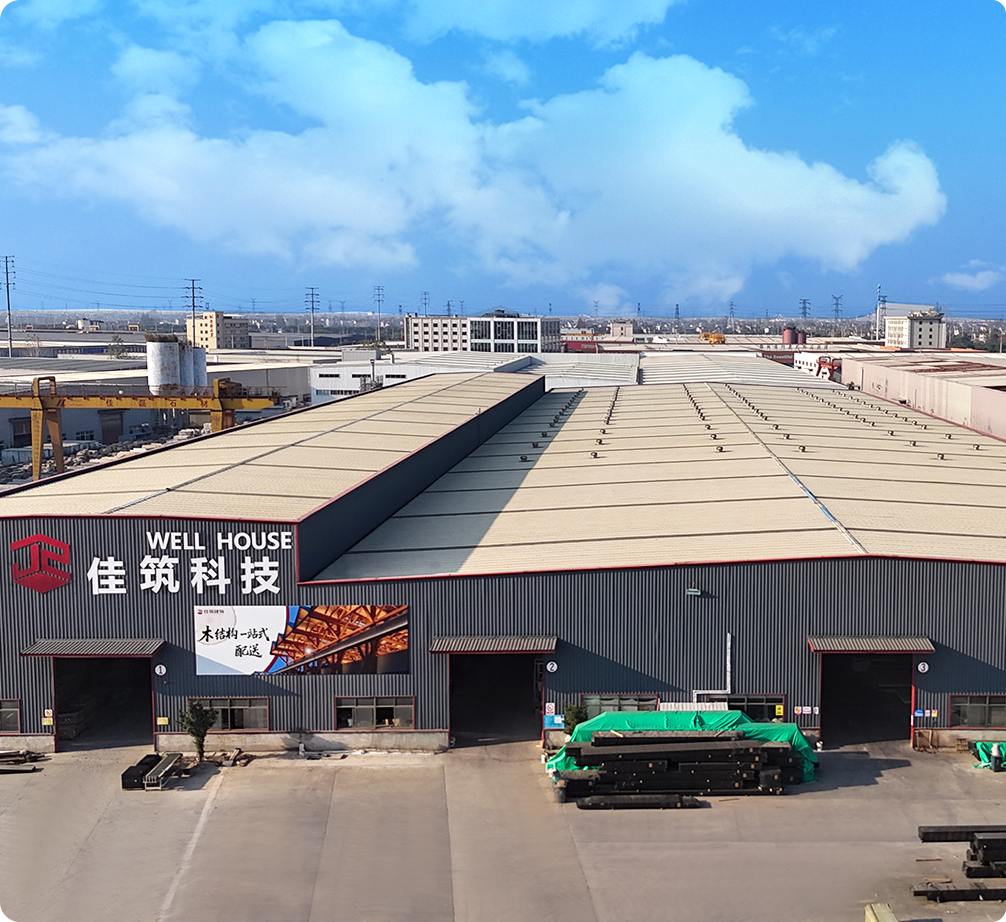
With a monthly production capacity of up to 2,000 cubic meters, Nantong Wellhouse Architectural Technology Co., Ltd. is equipped to support both large-scale developments and long-term supply partnerships. This capacity ensures stable delivery schedules and consistent quality across multi-phase projects.
For developers and institutional clients, production stability is critical to maintaining project momentum and avoiding supply-related delays
Lifecycle Value That Extends Beyond Construction
A Wooden House should be evaluated not only at the point of completion but throughout its entire service life. Reduced energy consumption, lower maintenance requirements, and durable structural performance contribute to favorable lifecycle economics.
This long-term value proposition makes Wooden House solutions particularly attractive for residential developments, public buildings, and investment-driven projects where operational performance directly influences financial outcomes.
A Strategic Choice for the Future of Construction
Wooden House solutions from Nantong Wellhouse Architectural Technology Co., Ltd. represent a strategic response to modern construction challenges. By combining engineered timber technology, industrial manufacturing, sustainable materials, and integrated services, these systems deliver buildings that are efficient, durable, and environmentally responsible.
For clients seeking a construction approach that balances performance, sustainability, and long-term value, Wooden House solutions provide a clear and confident path forward.

 English
 한국어
한국어 Español