


 English
 한국어
한국어 Español


Low-carbon wall paneling refers to interior and exterior cladding systems whose full lifecycle carbon footprint, from raw material extraction through manufacturing, installation, service life, and end-of-life disposal or recovery, is substantially lower than conventional alternatives such as gypsum drywall, PVC sheet, and cement-based board. As embodied carbon moves from a peripheral sustainability concern to a central regulatory and procurement requirement in the construction industry, wall paneling has emerged as one of the most tractable building envelope components for achieving meaningful carbon reductions without sacrificing acoustic performance, fire safety, or design flexibility.
Understanding Embodied Carbon in Wall Systems
Operational carbon, the emissions produced by heating, cooling, and powering a building, has historically dominated sustainability discussions in construction. But as buildings become more energy-efficient through improved insulation and renewable energy systems, embodied carbon, the carbon locked into the materials themselves before a building ever opens, now accounts for a growing proportion of a building's total lifetime emissions. For a highly energy-efficient commercial building, embodied carbon can represent 50 percent or more of total lifecycle emissions over a 60-year period.
Wall assemblies contribute to embodied carbon through several pathways: the extraction and processing of raw materials, the energy intensity of manufacturing, transportation from factory to site, the carbon cost of installation processes, maintenance and replacement cycles over the building's service life, and the emissions or sequestration associated with end-of-life treatment. A genuinely low-carbon wall panel must perform favorably across all these stages, not merely in one or two. This is why lifecycle assessment (LCA), expressed as a Global Warming Potential (GWP) value in kilograms of carbon dioxide equivalent per square meter, has become the standard measurement framework for comparing panel systems.
Material Categories and Their Carbon Profiles
Timber and Engineered Wood Panels
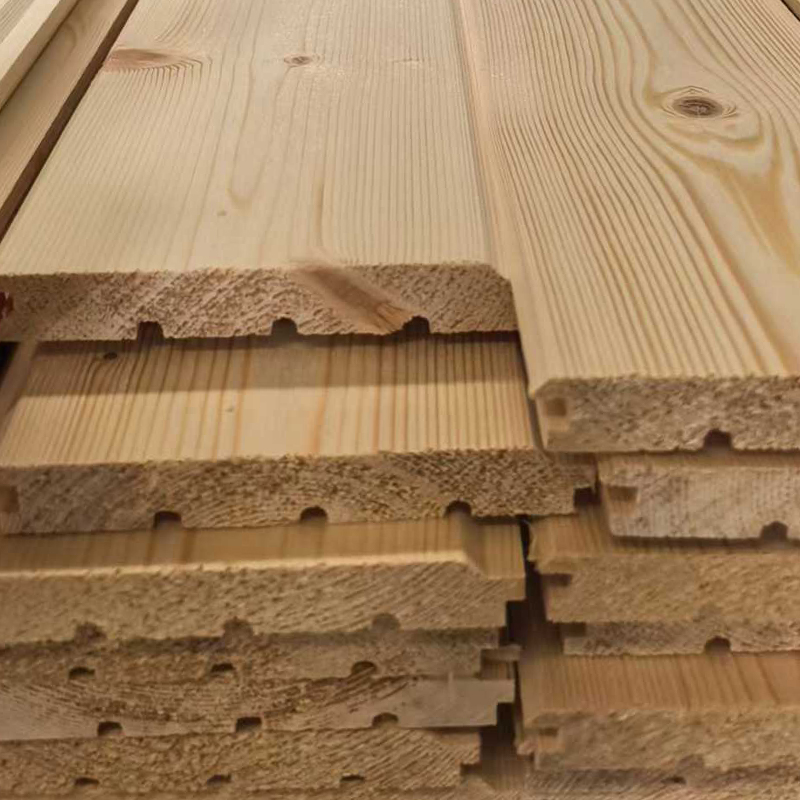
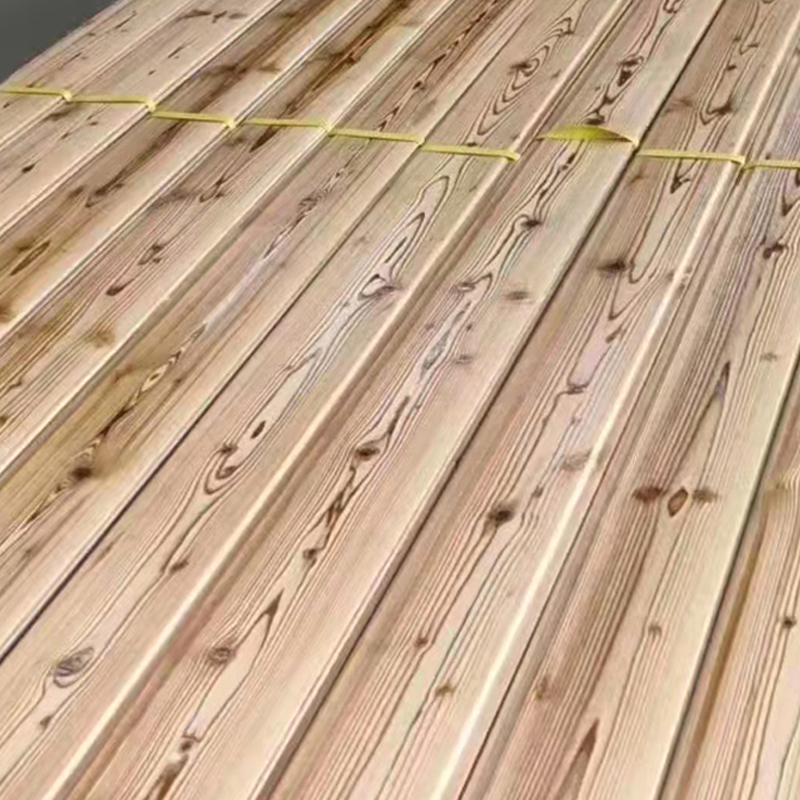
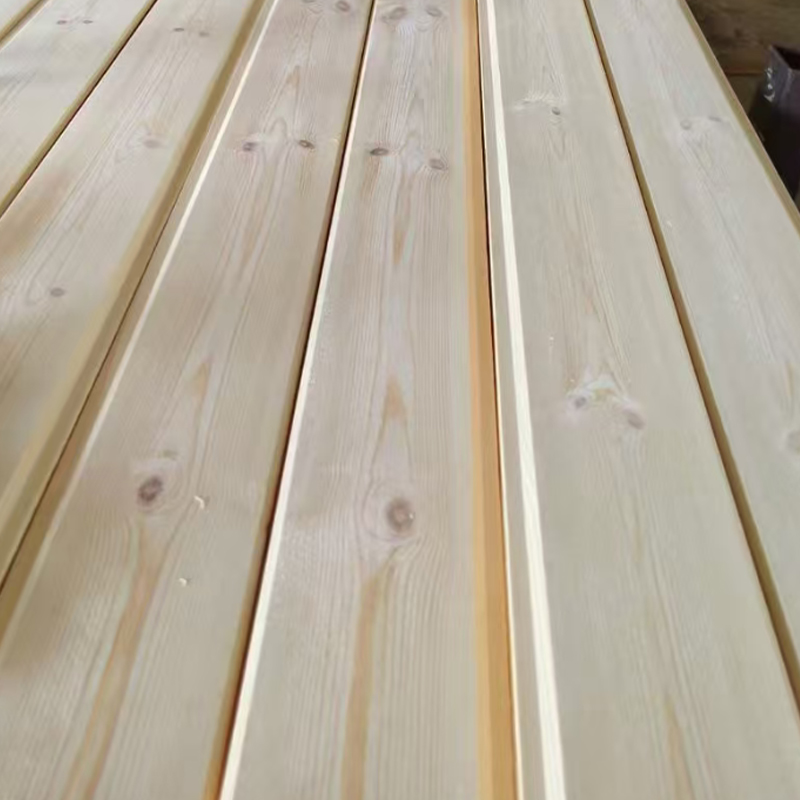
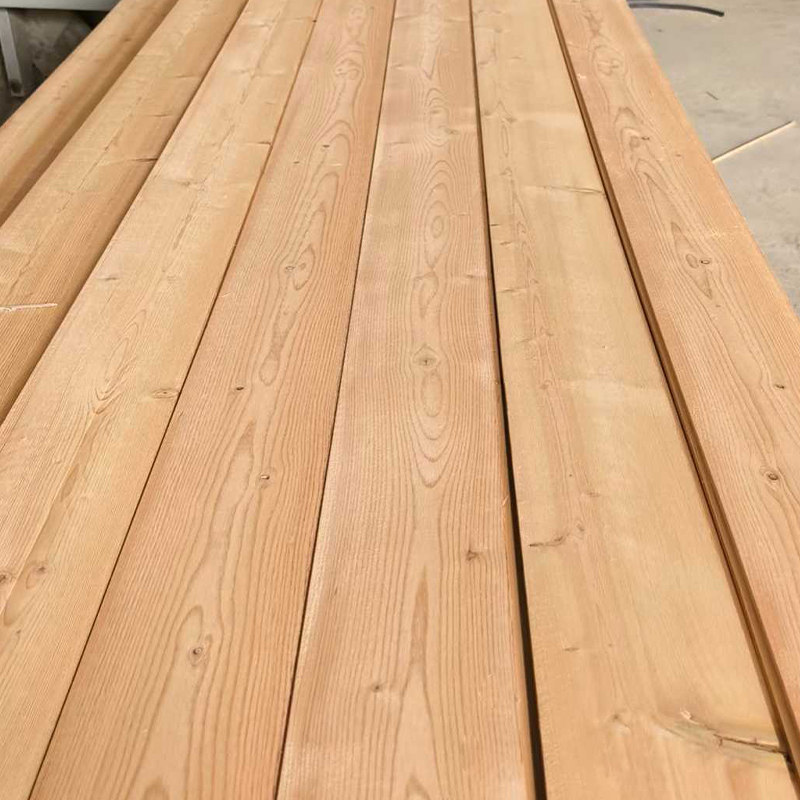
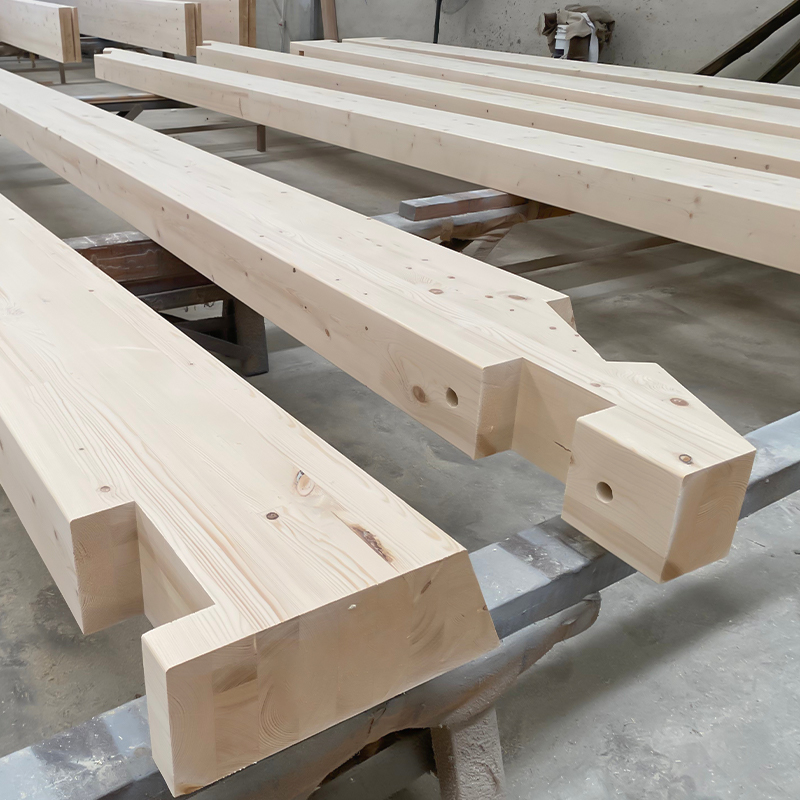
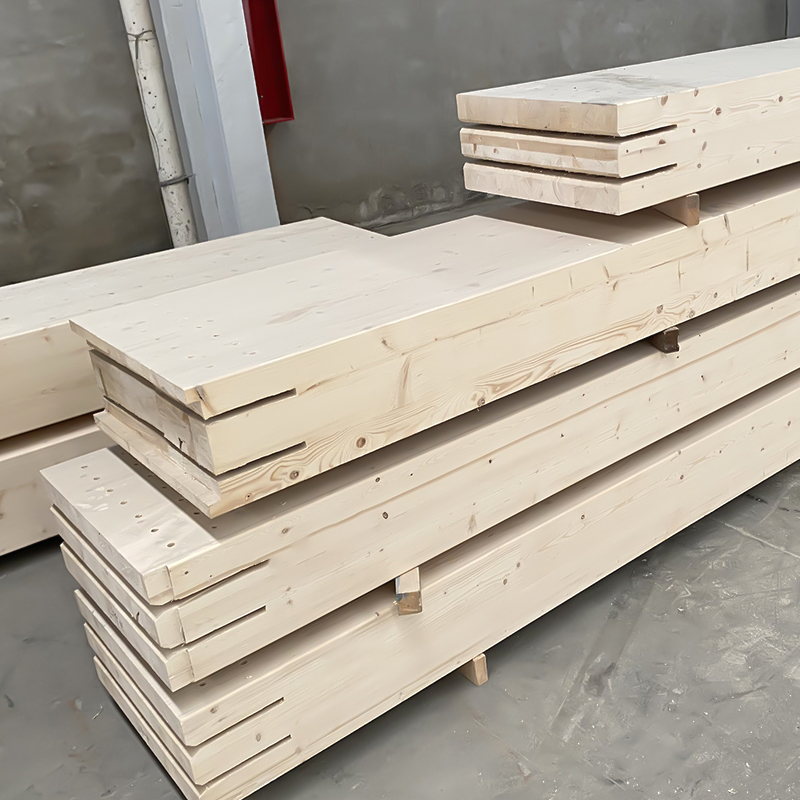
Solid timber, cross-laminated timber (CLT) panels, oriented strand board (OSB), and medium-density fibreboard (MDF) derived from sustainably managed forests all carry negative or near-zero cradle-to-gate GWP values when carbon sequestration in the wood fiber is counted. FSC and PEFC certification schemes provide third-party assurance that the forest source is managed at or above the rate of carbon sequestration. Thermally modified timber panels, processed without chemical treatment by heat and steam, offer enhanced durability and dimensional stability for humid environments while retaining the carbon storage benefit. The principal caveat for wood-based panels is end-of-life: panels sent to landfill eventually release their stored carbon as methane, a potent greenhouse gas, while panels recovered for energy generation release stored carbon as CO2 but displace fossil fuel combustion.
Recycled and Reclaimed Material Panels
Panels manufactured from post-consumer recycled content, including recycled glass fiber, reclaimed timber, recycled agricultural fiber such as wheat straw and rice husk, and post-industrial mineral wool waste, carry significantly lower embodied carbon than virgin material equivalents because the energy-intensive primary production stage is credited to the previous product lifecycle. Reclaimed solid timber panels, where the material has already sequestered carbon and the only new carbon cost is secondary processing and transport, can achieve among the lowest GWP values of any wall panel category. Agricultural fiber board panels, manufactured by hot-pressing plant residues that would otherwise be burned in the field, combine low-carbon content with a genuinely circular material logic.
Low-Carbon Mineral and Cementitious Panels
Standard Portland cement is one of the most carbon-intensive construction materials by volume, responsible for approximately 8 percent of global CO2 emissions. However, supplementary cementitious materials (SCMs) such as ground granulated blast-furnace slag (GGBS), fly ash, and calcined clays can replace between 30 and 70 percent of Portland cement clinker in panel formulations, reducing the GWP of the binder phase by a comparable proportion. Magnesium oxide boards, calcium silicate panels manufactured at lower kiln temperatures than conventional fibre cement, and gypsum panels incorporating synthetic gypsum from flue gas desulfurization all represent lower-carbon mineral panel options relative to standard cement board.
Bio-Composite and Hemp-Based Panels
Panels manufactured from hemp fiber, flax, jute, bamboo, and mycelium composites represent the frontier of low-carbon panel innovation. Hemp hurds compressed with a lime binder produce hempcrete board with a net-negative carbon profile because the growing hemp plant absorbs more CO2 during cultivation than the manufacturing process emits. Mycelium panels, grown by feeding agricultural waste to fungal networks and then heat-curing the resulting material, can be produced at ambient temperature with minimal energy input and are fully biodegradable at end of life. Bamboo composite panels combine rapid growth rates, which enable high carbon sequestration per unit of land, with mechanical properties comparable to hardwood, making them suitable for structural as well as decorative panel applications.
Low-Carbon Metal and Composite Panels
Aluminum, steel, and composite metal panels carry high cradle-to-gate embodied carbon from primary production, but panels manufactured from high-recycled-content aluminum or electric arc furnace steel can reduce that figure by 60 to 90 percent. Aluminum panels made from 90 percent or greater post-consumer recycled content achieve GWP values below 2 kg CO2e per kilogram, compared to 8 to 12 kg CO2e per kilogram for primary aluminum. The durability and full recyclability of metal panels at end of life, without quality degradation through multiple cycles, support a genuinely circular material strategy that improves its carbon account with each recycling cycle as the grid decarbonizes.
Environmental Product Declarations and How to Read Them
An Environmental Product Declaration (EPD) is a standardized, third-party-verified document that reports the lifecycle environmental impacts of a product according to ISO 14025 and EN 15804 methodology. For wall panels, an EPD provides GWP values broken down by lifecycle module: A1 to A3 covering raw material extraction through factory gate, A4 covering transport to site, A5 covering installation, B1 to B7 covering in-use phase impacts, and C1 to C4 covering end-of-life. A cradle-to-grave EPD covering modules A through C provides the most complete carbon picture; a cradle-to-gate EPD covering only A1 through A3 is more common but omits potentially significant installation and end-of-life impacts.
When comparing EPDs across panel systems, boundary conditions matter enormously. Two EPDs for nominally similar panels may produce different GWP figures because one includes biogenic carbon storage as a negative value in module A5 while the other excludes it, or because one assumes landfill disposal while the other assumes energy recovery. Reading the reference service life, the declared unit (per square meter versus per functional unit of acoustic or fire performance), and the geographic scope of the background data used in the LCA model is essential for a valid comparison.
Industry databases including the Embodied Carbon in Construction Calculator (EC3), the Inventory of Carbon and Energy (ICE), and manufacturer-specific EPD portals allow specifiers to filter panel products by GWP threshold and compare verified carbon data without relying on unverified marketing claims.
Design and Specification Strategies for Minimizing Panel System Carbon
Material Substitution at the Specification Stage
The highest-leverage carbon reduction opportunity in wall paneling is at the point of specification, before any procurement or installation has occurred. Replacing standard gypsum board with a low-carbon calcium silicate alternative, or substituting a PVC wall cladding with a thermally modified timber panel carrying an FSC certificate and a verified EPD, can reduce the carbon impact of the wall finish layer by 40 to 80 percent with no change to structural, acoustic, or fire performance if products are correctly selected. Whole-building carbon modelling tools allow design teams to model the cumulative effect of specification substitutions across all wall surfaces and identify where the carbon return per specification change is greatest.
Designing for Longevity and Reduced Replacement Cycles
The carbon impact of a wall panel is amortized over its service life. A panel with twice the embodied carbon of its competitor but four times the service life before maintenance or replacement represents a better carbon outcome over the building's lifespan. Specifying panels with appropriate durability for their exposure context, selecting mechanical fixing systems that allow individual panels to be replaced without disturbing the surrounding installation, and designing panel layouts that accommodate future reconfiguration without generating demolition waste all extend effective service life and reduce lifecycle carbon.
Reducing Transport Carbon Through Local Sourcing
Transport from manufacturing facility to construction site is module A4 in the EPD framework and can represent a material proportion of total lifecycle GWP for dense panel products shipped long distances. Prioritizing panel manufacturers with production facilities within a defined radius of the project site, particularly for high-density mineral and composite products, can reduce transport carbon meaningfully. Carbon-aware procurement specifications increasingly include geographic sourcing requirements alongside GWP threshold requirements for exactly this reason.
Decarbonizing Installation Processes
Installation carbon, module A5, is dominated by adhesive and sealant formulations in bonded panel systems and by the energy consumption of power tools and site equipment. Water-based and solvent-free adhesives carry substantially lower GWP than solvent-based equivalents with equivalent bond performance for most panel substrates. Mechanically fixed panel systems that require no adhesive at all eliminate this source entirely and also facilitate end-of-life disassembly. Specifying low-VOC installation products also improves indoor air quality during and after installation, which is a co-benefit relevant to occupant health certification schemes such as WELL and RESET.
Circular End-of-Life Planning
The end-of-life module of a panel's EPD often receives less design attention than production-phase carbon, but for panels with long service lives, the end-of-life treatment can significantly affect total lifecycle GWP. Designing panel installations for deconstruction rather than demolition, maintaining records of installed panel types to facilitate future material recovery, and specifying panels with established take-back or recycling programs through their manufacturers all support better end-of-life carbon outcomes. Several timber panel manufacturers now offer guaranteed take-back programs through which panels removed at the end of their service life are recovered, reprocessed, and re-entered into the supply chain, closing the material loop entirely.
Performance Benchmarks: Carbon Alongside Functional Requirements
Low-carbon credentials must coexist with the functional performance requirements that govern panel specification in practice. The following performance dimensions require particular attention when transitioning from conventional to low-carbon panel systems.
Fire Performance
Timber and bio-composite panels require careful specification in applications subject to fire safety regulations governing surface spread of flame, heat release rate, and smoke production. Mass timber panels in thicker profiles achieve acceptable char-rate performance in structural applications, but thinner decorative timber panels in high-occupancy commercial spaces typically require an intumescent coating or a fire-rated substrate to meet Class B or Class A2 Euroclass requirements. Magnesium oxide and calcium silicate panels achieve A2 or A1 non-combustibility ratings and are frequently used as low-carbon alternatives to standard gypsum in fire-rated wall assemblies.
Acoustic Performance
Mass law governs sound insulation: denser panels generally provide higher airborne sound reduction. Low-density bio-composite and agricultural fiber panels require careful acoustic modelling when deployed in partitions with specific sound insulation requirements. However, many low-carbon panel systems achieve superior sound absorption compared to hard-faced conventional panels, making them well-suited to acoustic treatment applications in offices, hospitality spaces, and educational buildings where reverberation control is the primary acoustic objective rather than sound isolation.
Moisture and Durability
Natural fiber panels, including untreated timber and agricultural fiber composites, require appropriate moisture management detailing in humid or wet area applications. Thermally modified timber, compressed bamboo panels, and agricultural fiber boards with mineral binder systems offer enhanced moisture resistance while retaining low-carbon credentials. Specifiers should review the declared reference service life in a product's EPD against the exposure class of the intended installation to ensure that the carbon amortization calculation is based on a realistic service life rather than an optimistic laboratory figure.
Indoor Air Quality
Low-carbon panels manufactured with formaldehyde-containing adhesive resins can create indoor air quality problems that conflict with occupant health objectives. CARB Phase 2 and E0 emissions classifications for wood composite panels, and VOC content declarations for adhesives and surface coatings, provide specifiers with the information needed to select panels that are simultaneously low-carbon and low in harmful indoor emissions. Third-party indoor air quality certifications such as GREENGUARD Gold provide an additional verification layer for health-sensitive environments.
Regulatory and Rating System Drivers
The regulatory environment for embodied carbon in construction is tightening in multiple jurisdictions simultaneously. The UK's Net Zero Carbon Buildings Standard, the European Level(s) framework for sustainable buildings, and the state-level embodied carbon legislation emerging in California and Washington all create procurement and reporting requirements that make low-carbon panel specification a compliance matter rather than purely a voluntary sustainability choice.
Green building rating systems provide additional structured incentives. LEED v4.1 awards credits for building product optimization based on EPD data and for products contributing to reduced lifecycle impacts. BREEAM Mat 01 credits reward teams that conduct whole-building LCA and can demonstrate reduced embodied carbon relative to a defined baseline. WELL certification's materials concept addresses VOC emissions and hazardous substance content in wall materials, creating alignment between carbon reduction and occupant health objectives that makes low-carbon panel selection doubly valuable in projects pursuing dual certification.
Buy Clean policies, now enacted or in development in several US states and European countries, restrict the GWP of construction materials procured with public funds to defined thresholds derived from industry average EPD data. These policies are creating a de facto market standard for what constitutes acceptable embodied carbon in wall panels sold into public sector construction projects, accelerating the rate at which manufacturers are investing in low-carbon production processes to remain eligible for public procurement.
The Low-Carbon Wall Paneling Market: Leading Manufacturers and Emerging Innovators
The established panel manufacturing sector has responded to embodied carbon pressure with product lines specifically developed to meet EPD thresholds and green building credit requirements. Knauf and Saint-Gobain have introduced gypsum board products with significantly reduced clinker content and high recycled gypsum percentages. James Hardie and Etex have developed fibre cement panels with SCM-substituted binder systems. Metsawood and Stora Enso supply mass timber panel systems with verified EPDs demonstrating negative or near-zero GWP inclusive of biogenic carbon sequestration.
The innovator segment is producing genuinely novel low-carbon panel systems at increasingly competitive price points. Adaptavate manufactures Breathaboard, a breathable, low-carbon panel using waste materials from the brewing industry as a partial binder replacement. Ecovative Design produces mycelium-based panels that are fully home-compostable and manufactured without synthetic binders at ambient temperature. Sunstrand and similar agricultural fiber processors are producing hemp and flax fiber boards with carbon sequestration values that make them among the most carbon-negative panel products currently available at commercial scale.
The convergence of regulatory pressure, investor scrutiny of Scope 3 supply chain emissions, and growing specifier demand for verified EPD data is driving investment in low-carbon panel manufacturing at a scale that is beginning to shift market pricing, reducing the cost premium that low-carbon alternatives have historically carried relative to conventional products.
Integrating Low-Carbon Wall Paneling into a Whole-Building Carbon Strategy
Wall paneling does not exist in isolation within a building's carbon account. Its specification interacts with the structural system, the insulation strategy, the mechanical services distribution, and the interior fit-out in ways that can either amplify or offset carbon benefits. A mass timber wall panel system that eliminates a separate stud framing layer reduces material quantity as well as carbon. A panel system with integral insulation eliminates a separate insulation material and reduces total assembly thickness. A panel finish that eliminates the need for additional paint or surface treatment removes another material layer from the carbon account.
The most carbon-effective approach to wall paneling in new construction and refurbishment is therefore to consider it as part of a whole-wall assembly strategy rather than as an independent material selection, modelling the GWP of the complete wall assembly inclusive of substrate, fixing system, insulation, panel, and finish, and optimizing that assembly as a unit. Carbon-aware design tools including Tally, OneClickLCA, and the EC3 platform support this assembly-level LCA approach and allow design teams to compare complete wall assembly carbon profiles against project-specific reduction targets.
As net-zero carbon building standards become the regulatory baseline rather than the aspirational ceiling across major construction markets, the ability to specify, document, and verify the carbon performance of every material including wall paneling will move from a differentiating capability to a professional prerequisite. The manufacturers, specifiers, and contractors who develop that capability now will be best positioned as that transition accelerates.