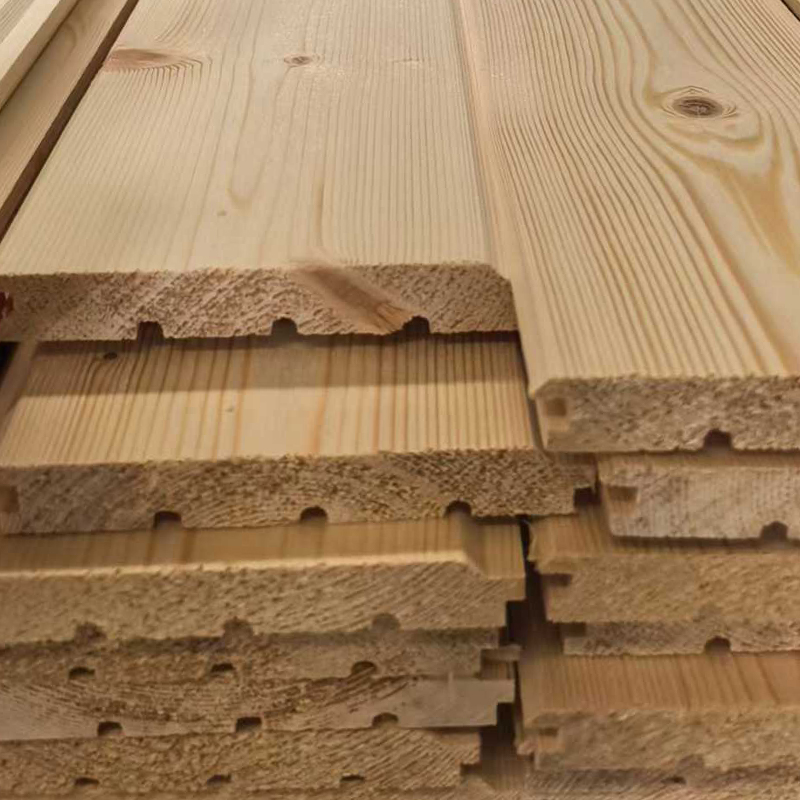
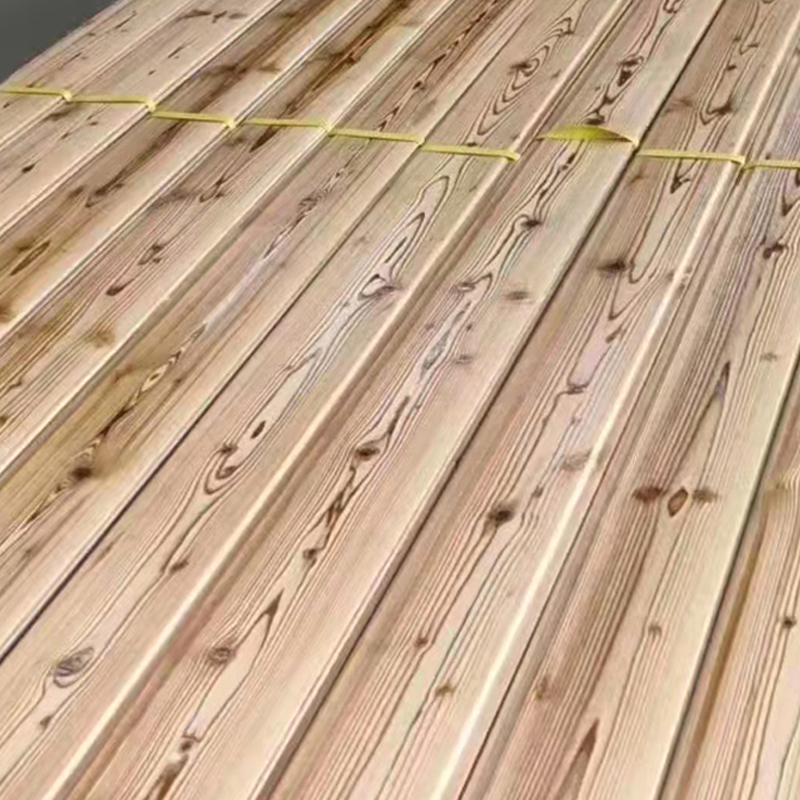
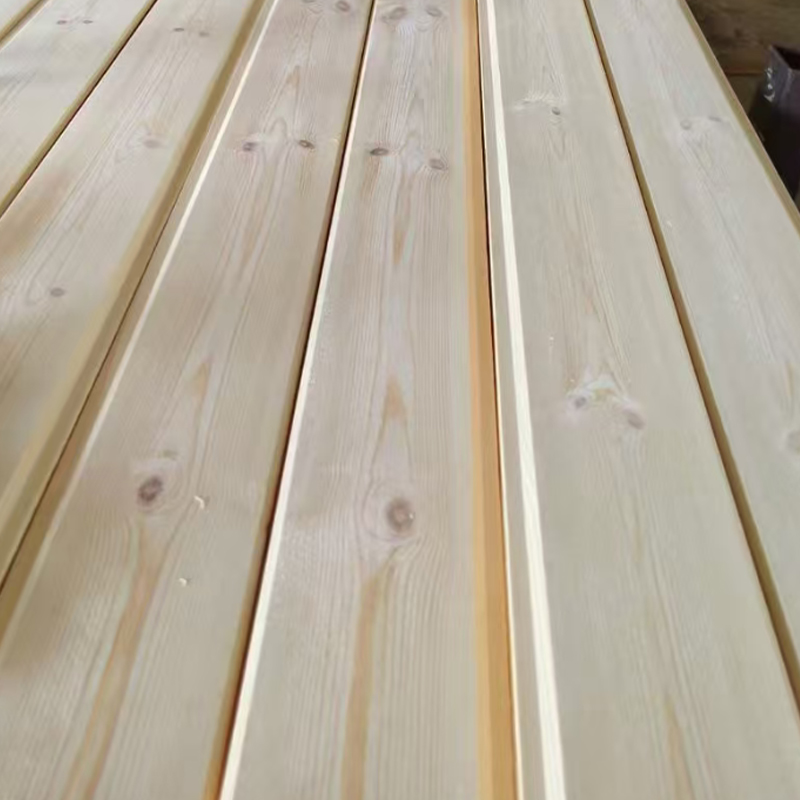
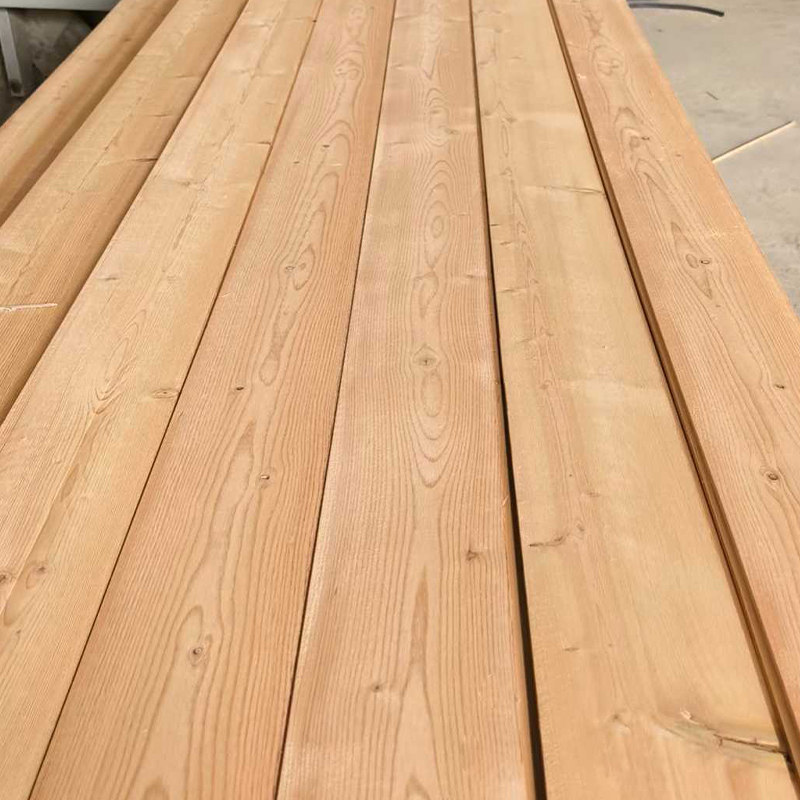
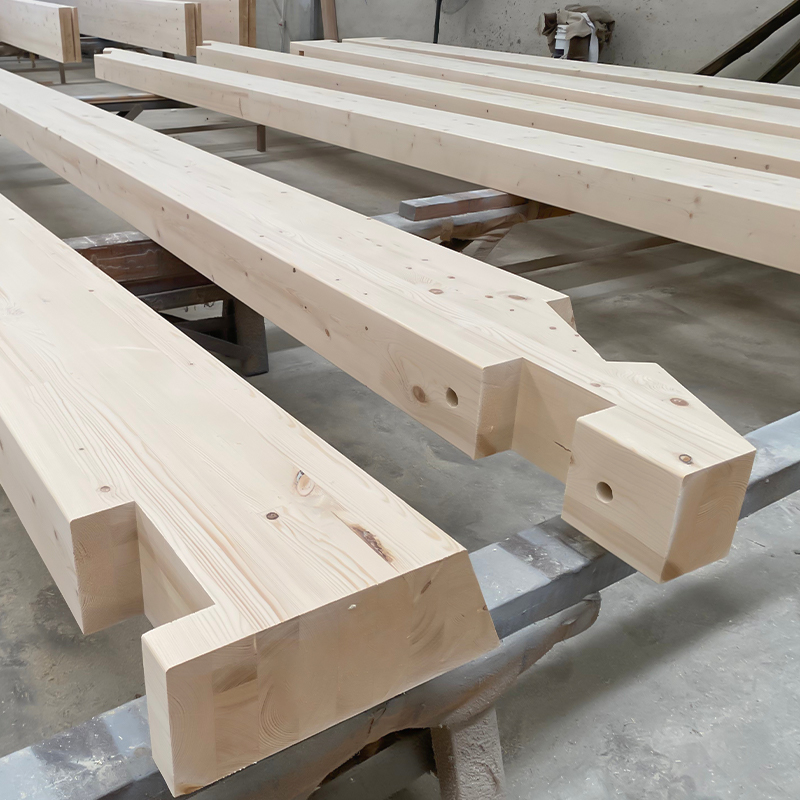
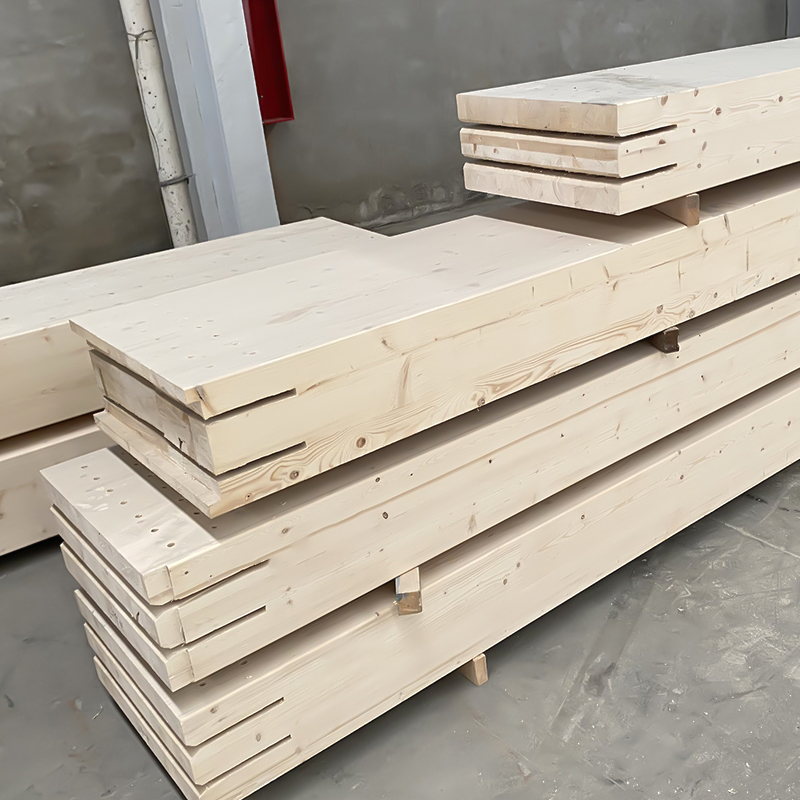
Construction is one of the largest contributors to global carbon emissions, and a significant share of that footprint comes from the materials used in building facades. Low-carbon timber cladding has become one of the most effective responses to this challenge, offering architects, developers, and homeowners an exterior finishing material that stores carbon rather than releasing it, while still delivering the durability and visual appeal expected of a modern building envelope. As embodied carbon regulations tighten across many regions, timber cladding sourced and processed with sustainability in mind has moved from a niche choice to a mainstream specification in both residential and commercial design.
Why Timber Cladding Outperforms Conventional Facade Materials on Carbon
The environmental advantage of timber cladding begins with the biology of the material itself. Trees absorb carbon dioxide as they grow, and a large portion of that carbon remains locked within the wood fiber even after harvesting and milling. This means that, unlike steel, aluminum, brick, or cement based panels, timber cladding can function as a long term carbon store for the lifetime of the building rather than a net emitter during production. Low-carbon timber cladding specifically refers to products that maximize this advantage through responsible forestry practices, efficient processing, and minimal use of carbon intensive chemical treatments or adhesives, ensuring that the embodied carbon benefit of the raw material is not undermined further down the supply chain.
Sourcing plays a central role in determining how low-carbon a timber product truly is. Wood certified under recognized forest stewardship schemes confirms that harvesting is balanced by replanting, maintaining the carbon sequestration cycle of the forest over time. Regional sourcing also reduces transport emissions significantly compared to imported hardwoods or composite panels manufactured overseas, which is why many architects now favor locally grown species such as larch, cedar, spruce, or douglas fir depending on the climate and region. Manufacturing methods matter as well, since kiln drying powered by renewable energy and adhesives formulated without high global warming potential chemicals both contribute to a lower overall carbon footprint for the finished cladding product.
A genuinely low-carbon timber cladding system combines responsibly harvested wood, regional sourcing to limit transport emissions, and processing methods that avoid carbon intensive chemical treatments, preserving the natural carbon storage benefit of the timber from forest to finished facade.
When compared directly against alternative cladding materials, the difference in embodied carbon can be substantial. Aluminum panels require energy intensive smelting processes, brick and concrete based facades rely on high temperature firing or cement production that releases significant carbon dioxide, and many plastic composite claddings are derived from fossil fuel feedstocks. Timber, particularly when sourced and processed responsibly, consistently scores lower across whole life carbon assessments, making it an attractive option for projects targeting green building certifications or strict embodied carbon limits.
Performance, Durability, and Treatment Methods That Keep Carbon Low
A common misconception about sustainable materials is that environmental performance comes at the expense of durability, but modern low-carbon timber cladding systems are engineered to last for decades with appropriate treatment and detailing. Thermal modification is one of the most widely used techniques, involving the controlled heating of timber in a low oxygen environment to alter its cellular structure. This process improves dimensional stability and resistance to moisture and decay without relying on chemical preservatives, allowing the wood to remain recyclable and biodegradable at the end of its service life while still achieving performance comparable to chemically treated alternatives.
Another increasingly popular approach is surface charring, a traditional technique often referred to by its Japanese name shou sugi ban, in which the outer layer of the timber is deliberately burned to create a protective carbonized barrier. This charred layer significantly improves resistance to fire, insects, and rot while producing a distinctive dark finish that has become popular in contemporary architecture. Because the process relies on controlled combustion rather than synthetic chemicals, it fits naturally within a low-carbon material strategy, and the finish typically requires very little additional maintenance over its lifespan.
Beyond treatment methods, the way cladding is installed has a meaningful impact on long term performance. Rainscreen systems, which create a ventilated gap between the timber and the building structure, allow moisture to evaporate quickly and reduce the risk of trapped humidity that can accelerate decay. Proper detailing around joints, fasteners, and edges further protects the timber from water ingress, extending service life and reducing the frequency of repairs or replacement, both of which would otherwise add to the material's lifetime carbon footprint. The table below summarizes how common treatment approaches compare in terms of performance and environmental profile.
| Treatment Method |
Primary Benefit |
Environmental Profile |
| Thermal modification |
Improved stability and decay resistance |
Chemical free, fully recyclable |
| Surface charring |
Fire, insect, and rot resistance |
No synthetic chemicals, low maintenance |
| Natural oil finishing |
Enhanced weather protection and color retention |
Biodegradable, periodic reapplication needed |
| Pressure treatment |
Long term decay and pest resistance |
Chemical input reduces end of life recyclability |
Selecting, Installing, and Maintaining a Low-Carbon Cladding System
Choosing the right low-carbon timber cladding involves balancing climate conditions, architectural intent, and long term maintenance expectations. In wetter climates, species with naturally high decay resistance such as cedar, or thermally modified softwoods, tend to perform best with minimal chemical intervention. In fire prone regions, charred timber or cladding paired with fire retardant detailing at junctions and openings can help meet building code requirements while still preserving the material's low embodied carbon profile. Architects and specifiers should also consider how the cladding will weather over time, since many timber species naturally develop a silver gray patina that some clients embrace as part of the material's character, while others prefer regular oiling or staining to maintain the original tone.
Installation quality has a direct bearing on both performance and sustainability outcomes. Ventilated rainscreen assemblies, correctly spaced fasteners, and appropriate flashing at horizontal joints all reduce the likelihood of moisture related damage that would otherwise shorten the cladding's lifespan. Working with installers experienced in timber facades helps ensure that these details are executed correctly from the outset, avoiding costly repairs that could offset the material's environmental advantages. At the end of its service life, untreated or minimally treated timber cladding can often be repurposed, recycled, or allowed to biodegrade naturally, closing the loop on a material that began its life actively storing carbon as a living tree.
Maintenance requirements vary depending on the chosen finish and treatment method, but most low-carbon timber cladding systems benefit from periodic visual inspection for signs of moisture damage, loose fasteners, or localized decay, particularly around ground level details and exposed end grain. Reapplying natural oils or stains on schedules recommended by the manufacturer helps preserve both appearance and protective qualities, while charred or thermally modified finishes generally require far less frequent attention. Taken together, thoughtful species selection, careful installation, and routine maintenance allow low-carbon timber cladding to deliver decades of reliable performance while remaining one of the most environmentally responsible choices available for building facades today.

 English
 한국어
한국어 Español