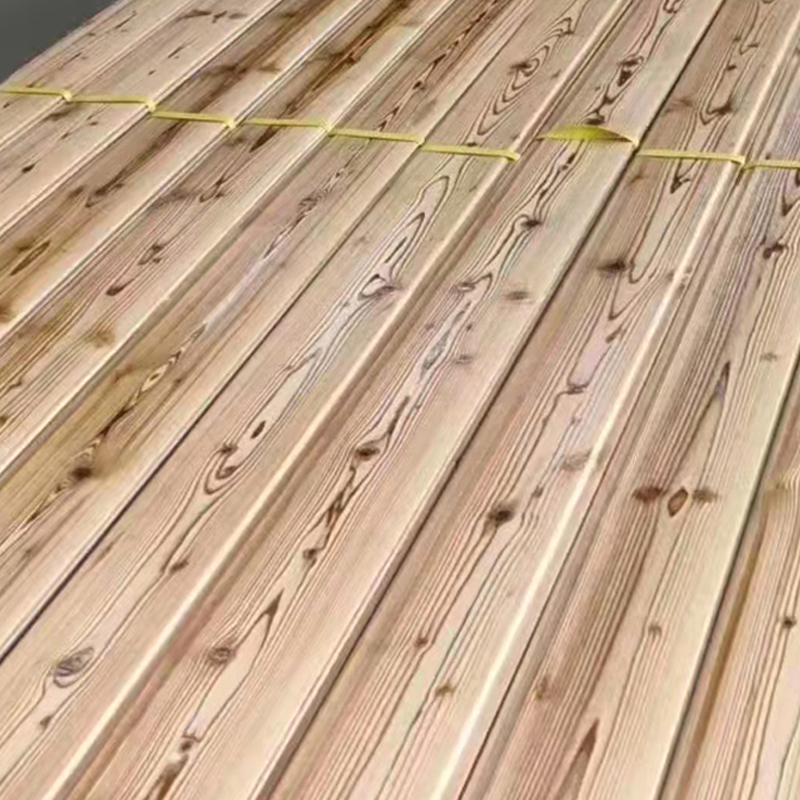
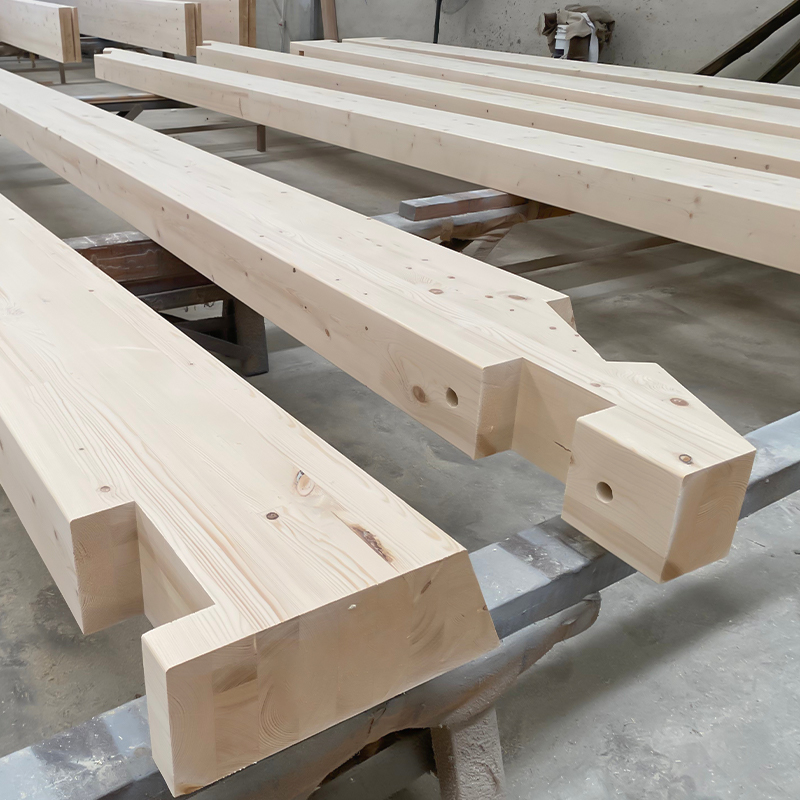
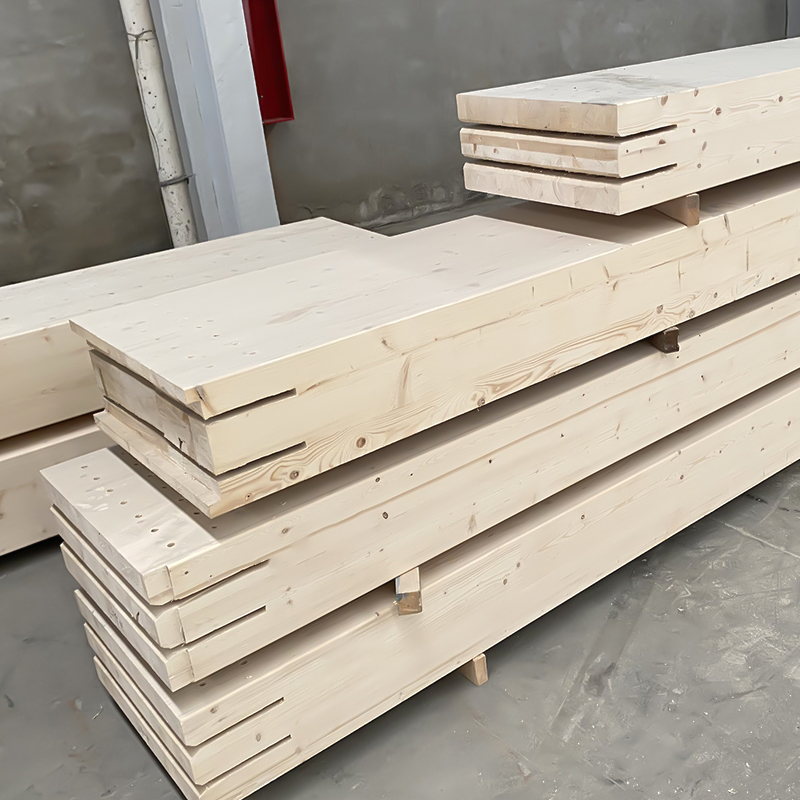
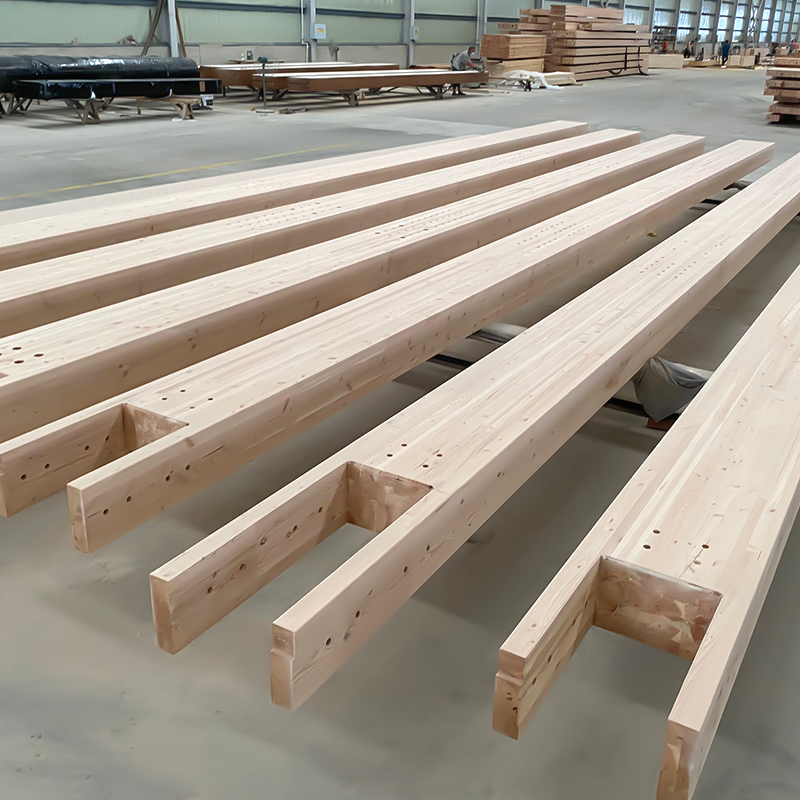
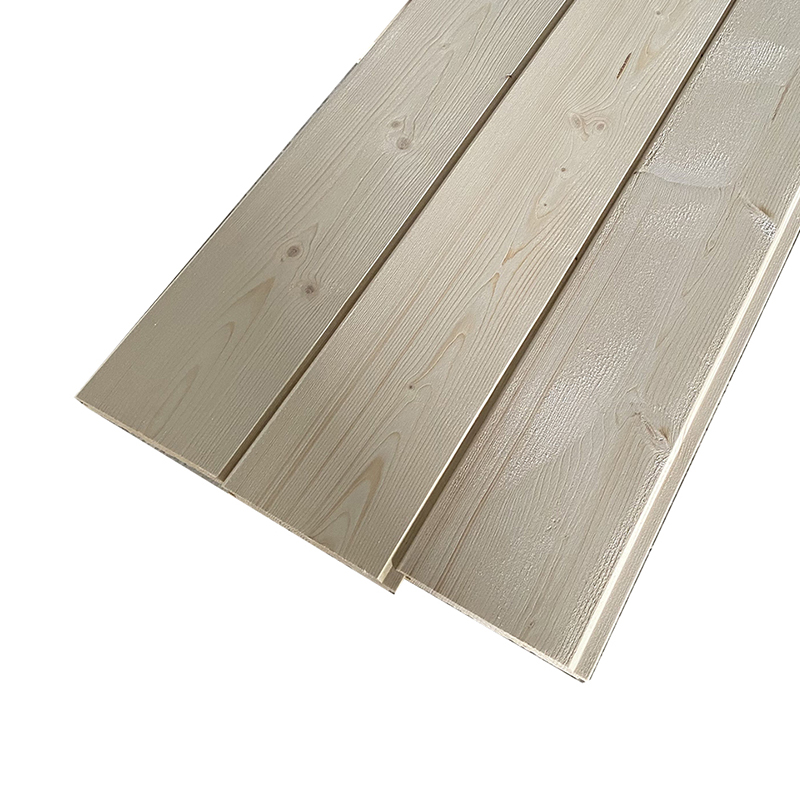
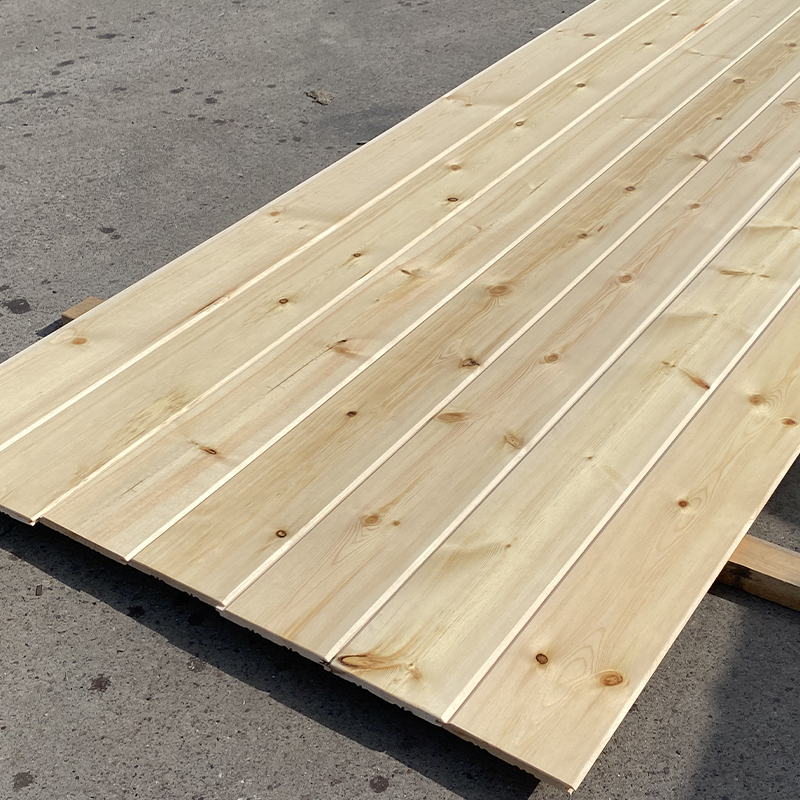
Cross laminated timber, commonly known as CLT, is an innovative engineered wood product made by bonding multiple layers of solid wood panels together with adjacent layers oriented at ninety degree angles to one another. This unique perpendicular layering creates exceptional strength and dimensional stability in both directions, allowing the material to overcome the traditional limitations of timber in terms of load bearing capacity and structural reliability. As a representative of sustainable low-carbon building materials, cross laminated timber has attracted widespread attention across the global construction industry in recent years and is increasingly regarded as a vital technological pathway toward greener building practices.
As climate change concerns intensify worldwide, the construction sector, being one of the largest contributors to global carbon emissions, faces unprecedented pressure to decarbonize. Traditional steel and concrete structures consume substantial energy during production and release significant volumes of greenhouse gases, whereas cross laminated timber offers a practical low-carbon alternative thanks to its natural carbon storage capacity and comparatively lower production energy requirements. Many countries and regions have begun incorporating timber construction into green building rating systems and are using policy incentives to encourage developers and designers to adopt this sustainable material.
Historically, cross laminated timber technology originated in Europe, where decades of process refinement and standardization efforts have produced a relatively mature production and application framework. North America and the Asia Pacific region have gradually followed suit, establishing localized production lines and supply chains that support the broader global adoption of this material.
Low-Carbon Characteristics and Emission Reduction Advantages
Natural Carbon Storage Function of Wood
Trees absorb atmospheric carbon dioxide through photosynthesis during growth and fix this carbon within their wood fiber structure. When timber is processed into cross laminated panels and used in building structures, this stored carbon remains sequestered throughout the building lifecycle rather than being released back into the atmosphere. Research indicates that each cubic meter of cross laminated timber can store approximately zero point eight tons of carbon dioxide equivalent, meaning that large scale adoption of this material can create a substantial carbon sink effect across construction projects.
Comparing Production Energy Use With Traditional Materials
Compared with steel and cement, timber processing requires significantly less energy. Steel production involves high temperature smelting and rolling processes, while cement manufacturing requires kiln firing at extreme temperatures accompanied by chemical reactions that release carbon dioxide. By contrast, cross laminated timber production primarily involves drying, planing, adhesive application, and pressing, resulting in overall energy consumption far below that of conventional building materials. Multiple life cycle assessment studies suggest that replacing reinforced concrete structures with cross laminated timber can reduce a building embodied carbon emissions by more than forty percent, though the exact reduction varies depending on project scale and regional factors.
Carbon Performance During Transportation and Construction
Cross laminated timber components are typically prefabricated in factories and then transported to the construction site for direct assembly, an approach that significantly reduces the amount of wet on site work and the equipment time needed for concrete pouring. Prefabricated assembly not only shortens construction schedules but also substantially lowers energy consumption and noise pollution during construction, minimizing disturbance to surrounding environments. Additionally, because timber is considerably lighter than steel or concrete, transportation related fuel consumption and associated carbon emissions are correspondingly lower.
Sustainable Raw Material Sourcing and Certification Systems
Achieving genuine sustainability in cross laminated timber depends heavily on rigorous management of raw material sourcing. Responsible manufacturers typically require their timber to be certified by authoritative forest certification bodies, such as the Forest Stewardship Council and the Programme for the Endorsement of Forest Certification, both of which establish clear standards for sustainable forest management, biodiversity protection, and local community rights.
In terms of species selection, manufacturers generally favor fast growing softwood species such as spruce, pine, and fir, which have relatively short cultivation and harvesting cycles that support sustainable forest rotation. At the same time, some production lines utilize offcuts and small diameter timber generated during wood processing, transforming them into usable lamination stock through precise panel jointing techniques, thereby improving overall resource efficiency and reducing raw log waste.
To further reduce product carbon footprints, some companies have begun adopting localized sourcing strategies, harvesting and processing timber as close as possible to production facilities to minimize transport distances for raw logs. This localized supply chain model not only helps reduce transportation related emissions but also supports local forestry economies, creating a virtuous cycle within the broader industry chain.
Low-Carbon Production Processes and Adhesive Technology Innovation
Environmental Concerns With Traditional Adhesives
The quality of inter layer bonding directly determines the structural performance and service life of cross laminated timber. Traditional adhesives commonly used in the industry are largely petroleum based, and these compounds may release volatile organic compounds during production and curing, affecting indoor air quality and posing certain environmental health risks. At the same time, the manufacturing of petroleum based adhesives is itself associated with relatively high carbon emission intensity.
Progress in Bio-Based Adhesive Development
To address these challenges, research institutions and material companies have significantly increased investment in bio-based adhesive development in recent years. These adhesives use plant proteins, lignin, or soy derivatives as primary raw materials, maintaining adequate bonding strength and durability while substantially reducing volatile organic compound emissions and decreasing reliance on fossil resources. Some cutting edge research is also exploring the use of mycelium based materials and natural resins as alternative bonding agents, which have demonstrated promising mechanical performance and environmental friendliness in small scale trials.
Pressing Processes and Energy Efficiency Optimization
During the panel pressing stage, manufacturers have introduced intelligent temperature control systems and waste heat recovery units to effectively reduce energy consumption during hot pressing operations. Some advanced production lines are also equipped with photovoltaic generation systems that utilize rooftop space to produce clean electricity for direct use in manufacturing operations, reducing dependence on fossil fuel energy at the source. Together, these technological innovations form the backbone of a comprehensive low-carbon production system for cross laminated timber.
Structural Performance and Building Application Scenarios
Load Bearing Capacity and Seismic Performance
Through its cross layered structural design, cross laminated timber achieves load bearing capacity comparable to concrete panels while weighing only about one fifth as much. This combination of light weight and high strength gives the material distinct advantages in seismic design, as timber structures can undergo a certain degree of elastic deformation under earthquake loading, effectively absorbing seismic energy and reducing the risk of structural failure. Seismically active regions including Japan and New Zealand have conducted multiple field performance studies on cross laminated timber buildings, with results consistently exceeding expectations.
Verified Fire Performance
Many people harbor concerns about fire safety in timber construction, yet actual testing data shows that large dimension cross laminated timber components form a charred layer on their surface during combustion. This charred layer effectively blocks oxygen and slows the spread of fire into the interior of the component, allowing the structure to maintain its load bearing capacity for a defined period of time. Multiple standardized fire tests have demonstrated that cross laminated timber walls and floors of appropriate thickness can achieve fire resistance ratings comparable to concrete components.
Mid-Rise and High-Rise Timber Building Case Studies
In recent years, numerous representative mid-rise and high-rise timber building projects have emerged worldwide, ranging from several stories to more than twenty stories in height, encompassing residential, office, educational, and hospitality building types. The successful implementation of these projects has demonstrated the feasibility of using cross laminated timber in large scale public buildings and high density residential developments, while also providing empirical data to support the revision of relevant building codes.
Modular and Prefabricated Construction Models
Cross laminated timber is naturally well suited to factory prefabrication and modular construction methods. Manufacturers can complete precise cutting and pre assembly of wall, floor, and roof components within controlled factory environments, then transport them to the construction site where they are quickly assembled using bolted connections or metal fasteners. This construction approach shifts much of the wet work traditionally performed on site into a controlled factory setting, significantly improving construction precision, shortening project timelines, and reducing disturbance to surrounding environments.
Life Cycle Assessment and Carbon Footprint Accounting
A comprehensive evaluation of the low-carbon value of cross laminated timber requires a life cycle assessment approach covering raw material extraction, manufacturing, transportation, construction, use and maintenance, and end of life disposal. The table below briefly summarizes the carbon emission characteristics of cross laminated timber compared with traditional building materials across major life cycle stages.
| Life Cycle Stage |
Cross Laminated Timber Characteristics |
Traditional Steel and Concrete Characteristics |
| Raw Material Extraction |
Renewable forest resources with ongoing carbon absorption |
Extraction of non renewable mineral resources |
| Manufacturing |
Relatively low energy consumption and simpler processes |
High temperature smelting and firing with high energy use |
| Transportation |
Lighter weight resulting in lower transport energy use |
Heavier weight resulting in higher transport energy use |
| Construction Phase |
Prefabricated assembly with shorter timelines and less disturbance |
More extensive wet on site work and longer timelines |
| End of Life Disposal |
Recyclable, reusable, or naturally biodegradable |
More difficult to dispose of with higher recovery costs |
As shown in the table, cross laminated timber demonstrates clear carbon emission advantages across most life cycle stages. Particularly noteworthy is the end of life disposal stage, where timber components can be disassembled and reprocessed for reuse, or gradually biodegrade in natural environments, whereas the demolition and disposal of steel and concrete structures typically involve higher energy consumption and greater resource recovery challenges.
Recycling and Reuse Pathways From a Circular Economy Perspective
Circular economy principles are reshaping the way building materials are designed, and cross laminated timber demonstrates distinct advantages within this framework. Because its structural assembly is relatively straightforward and frequently relies on demountable mechanical connections, timber buildings at the end of their service life offer considerable potential for disassembly and reuse. Intact panel components can undergo inspection and evaluation before being directly redeployed in other construction projects, enabling material reuse on a meaningful scale.
For timber components that cannot be directly reused, manufacturers are also exploring various downcycling pathways, such as grinding the material for use in particleboard or fiberboard production, or utilizing it as feedstock for biomass energy generation. This tiered approach to resource utilization maximizes the value extracted from timber resources throughout their lifecycle, minimizing waste and material loss.
Some countries have already begun establishing recycling networks and assessment standards specifically for timber building materials, providing quality inspection and market circulation channels for wood components recovered from demolished structures. The continued development of this infrastructure will further enhance the recycling efficiency of cross laminated timber, enabling higher levels of carbon reduction benefit across the full material lifecycle.
Current Challenges and Constraints
Construction Costs and Market Perception
Despite its significant environmental benefits, cross laminated timber construction often carries higher upfront costs than conventional steel and concrete structures in certain regions, largely due to limited production scale, longer transportation distances, and a relative shortage of specialized construction crews. At the same time, some developers and investors remain cautious about the durability and market acceptance of timber buildings, and this perception gap continues to constrain broader adoption of the material.
Building Codes and Approval Processes
Building codes in many regions have long been developed with steel and concrete structures as the primary reference point, leaving specialized provisions for large scale timber construction relatively underdeveloped. As a result, mid-rise and high-rise timber projects often face extended review periods during the approval process. Updating and refining code frameworks requires extensive field performance data and long term usage experience, a process that cannot be completed quickly.
Raw Material Supply Chain Stability
Cross laminated timber production depends heavily on a steady supply of high quality raw logs, and the sustainable rotation cycles of forest resources inevitably introduce periodic fluctuations in raw material availability. When market demand grows rapidly, certain regions may experience tight log supplies, which in turn affects manufacturers ability to expand production capacity and control costs. Building stable and diversified raw material supply systems remains a critical factor in supporting the long term healthy development of the industry.
Policy Support and Industry Development Trends
Facing the urgent challenges of climate change, an increasing number of countries and regions are using policy tools to guide the construction industry toward low-carbon material adoption. Some regions have introduced dedicated subsidy programs that offer tax incentives or construction funding to projects utilizing timber construction technologies. At the same time, the gradual implementation of building carbon emission cap management systems has created a more favorable market environment for low-carbon materials such as cross laminated timber.
From a technological development perspective, hybrid structural systems combining timber with steel and concrete are emerging as a major research focus. These hybrid structures fully leverage the mechanical strengths of different materials, for example using concrete core structures at lower levels to provide lateral stiffness while employing cross laminated timber on upper floors to reduce overall building weight, thereby further enhancing the building overall low-carbon performance while maintaining structural safety.
The integration of digital design and construction technologies continues to drive industry progress as well. The combination of building information modeling with parametric design tools allows design teams to precisely simulate the mechanical performance and carbon emission profile of cross laminated timber components early in the project lifecycle, optimizing design solutions and improving material efficiency. The growing adoption of intelligent computer controlled fabrication equipment has further improved the precision and efficiency of component production, laying a solid foundation for large scale industrial manufacturing.
In addition, the gradual maturation of carbon trading markets and carbon credit mechanisms is creating new value realization pathways for cross laminated timber projects. Some pioneering projects have already attempted to incorporate building carbon storage volumes into carbon credit accounting frameworks, generating additional revenue through the sale of carbon credits. This innovative mechanism is expected to further improve the financial viability of timber building projects and attract greater investment capital into this sector.
Conclusion
Sustainable low-carbon cross laminated timber, as an emerging building material combining environmental benefits with strong structural performance, is playing an increasingly important role in the global construction industry green transition. From sustainable raw material sourcing to low-carbon improvements in production processes, and from structural performance verification to carbon footprint optimization across the full building lifecycle, this material system demonstrates a comprehensive set of advantages that position it as an important technological choice in addressing climate change challenges.
Of course, achieving widespread adoption of this material on a large scale will require continued effort across multiple fronts, including cost control, code development, supply chain stability, and market perception. As technological innovation continues to advance and supportive policy frameworks become increasingly robust, cross laminated timber is expected to occupy an increasingly important position in future construction markets, offering practical and effective solutions to support the global building industry low-carbon transition.



 English
 한국어
한국어 Español