
 English
 한국어
한국어 Español


From cross-laminated timber and geopolymer cement to hempcrete and recycled steel, a new generation of building materials is reshaping what it means to construct responsibly. This article explores the most impactful sustainable materials available today, the science behind their low-carbon credentials, the market forces accelerating their adoption, and the practical frameworks professionals need to integrate them effectively into projects of any scale.
Why Embodied Carbon Is the Defining Challenge of This Decade
When discussing carbon in buildings, most conversations have historically centred on operational carbon — the emissions from heating, cooling, and powering a building throughout its life. But as energy grids decarbonise and buildings become more energy-efficient, the spotlight is shifting to embodied carbon: the greenhouse gas emissions generated during the extraction, manufacture, transportation, and installation of building materials.
Embodied carbon is a one-time but irreversible commitment. Once a concrete slab is poured or a steel frame erected, those emissions are locked in for the lifetime of the structure. This makes material selection at the design stage one of the highest-leverage decisions any project team can make. According to research published in Communications Earth and Environment in 2025, the construction carbon footprint has doubled over three decades and is projected to double again by 2050 under a business-as-usual scenario — potentially consuming the entire annual carbon budget aligned with a 1.5 degree Celsius pathway.
The encouraging news is that the tools to act already exist. A verified database of 118 low-carbon construction technologies demonstrates that the argument of impossibility no longer holds. Specifiers today can choose from cross-laminated timber (CLT), glulam, electric arc furnace steel, hydrogen-reduced iron steel, hemp, cork, wood fibre, sheep wool, LC3 cement blends, geopolymers, CO2-cured concrete products, and more. The challenge is no longer invention — it is adoption at scale.
The Core Palette: Key Sustainable Materials for Low-Carbon Construction
1. Low-Carbon Concrete and Green Cement Alternatives
Conventional Portland cement is one of the single largest contributors to industrial carbon dioxide emissions, accounting for roughly 8% of global CO2 on its own. The chemistry of clinker production — heating limestone to extreme temperatures — releases CO2 both from combustion and from the chemical transformation itself. This structural challenge has spurred significant innovation.
Supplementary cementitious materials (SCMs) such as fly ash, ground granulated blast furnace slag (GGBS), and calcined clays replace a significant proportion of clinker in concrete mixes. By replacing a portion of Portland cement with these industrial byproducts, contractors can reduce concrete's embodied carbon by up to 50% without compromising strength or durability, and in many cases improving concrete's long-term resistance to sulfate attack and chemical degradation.
Going further, geopolymer cement — made primarily from fly ash and blast furnace slag with an alkaline activator — requires no clinker production at all. Independent analyses show it can cut emissions by up to 80% compared to ordinary Portland cement while offering superior resistance to heat, acid, and fire. As demand grows, major ready-mix suppliers are now offering verified Environmental Product Declarations (EPDs) so project teams can document carbon savings on a per-project basis.
Technologies such as CarbonCure, which injects captured CO2 into fresh concrete where it mineralises and becomes permanently stored, represent a further frontier. Carbon-cured concrete products, combined with SCM blends, are increasingly being specified on infrastructure projects ranging from bridges to airports.
2. Mass Timber: Cross-Laminated Timber (CLT) and Glulam
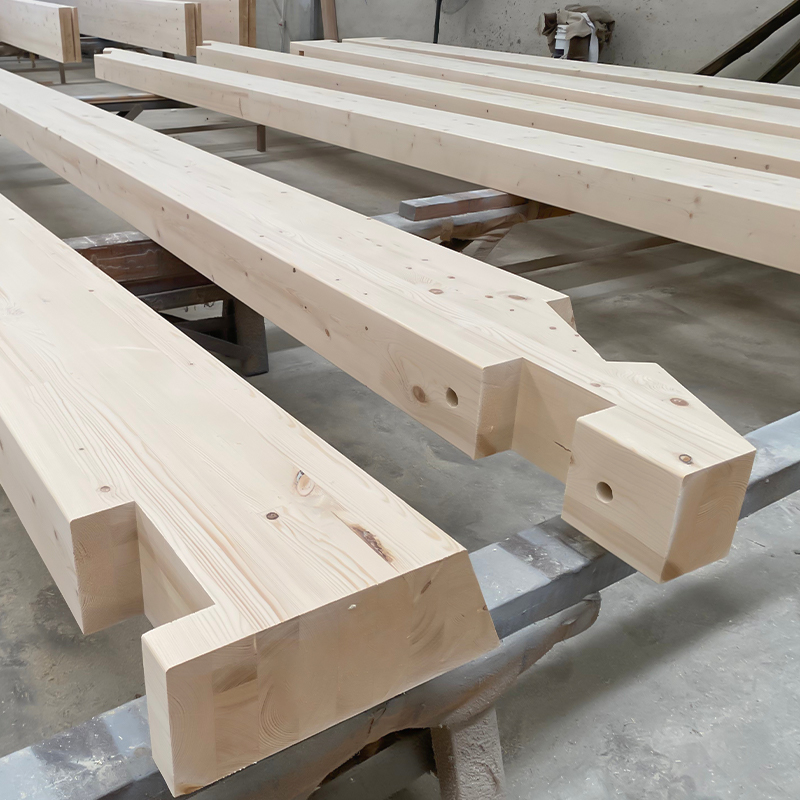
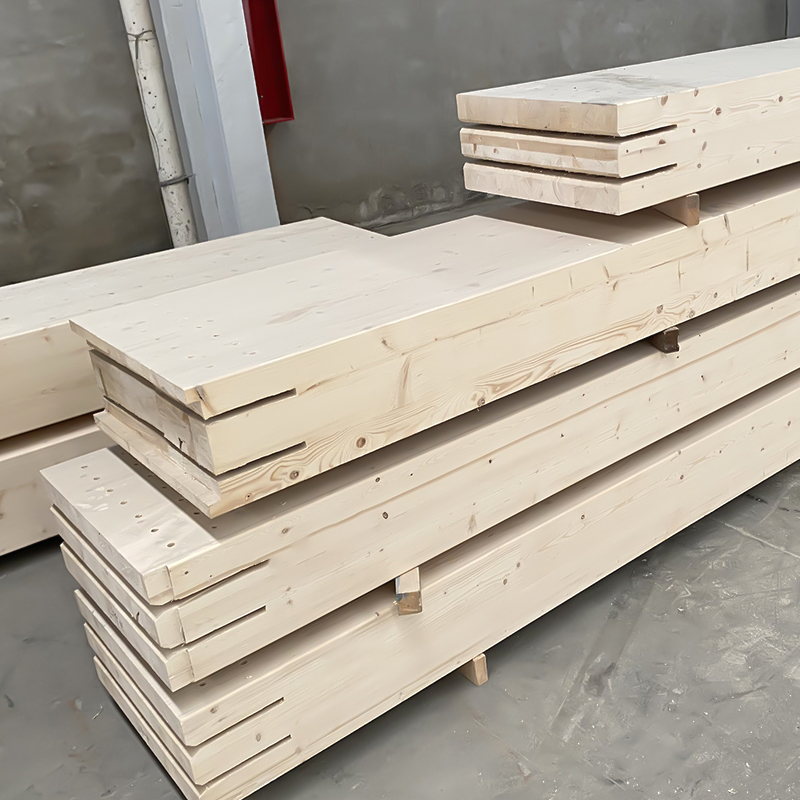
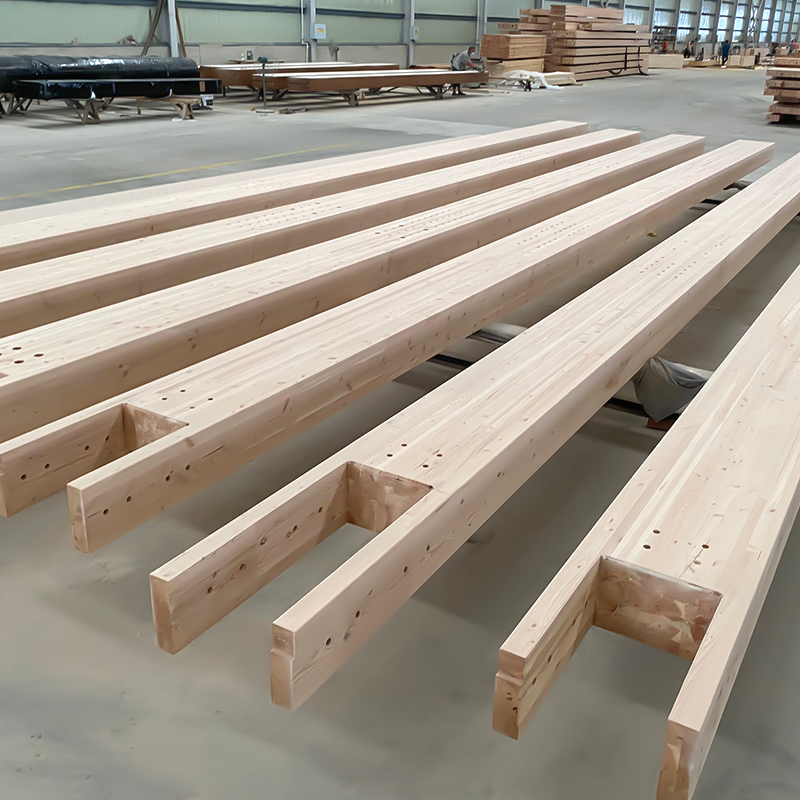
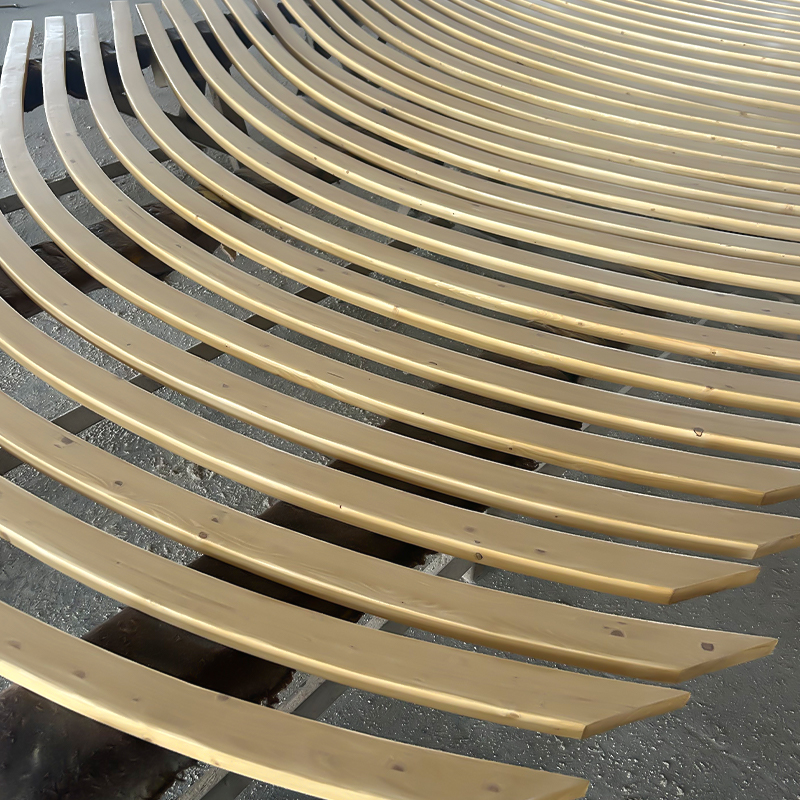
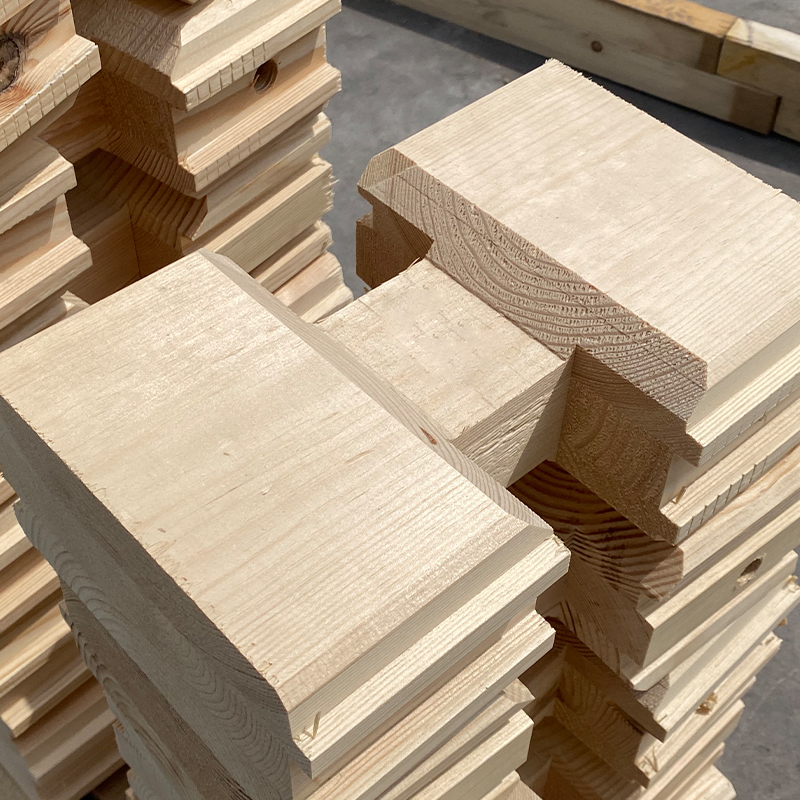
Mass timber has emerged as one of the most compelling structural alternatives to concrete and steel, combining architectural beauty with outstanding low-carbon credentials. Cross-laminated timber (CLT) consists of layers of sustainably harvested wood bonded at perpendicular angles, producing panels of exceptional strength and dimensional stability. Glulam (glued laminated timber) follows a similar principle for beams and columns.
Unlike concrete or steel, sustainably managed timber is a carbon sink. Trees absorb CO2 as they grow, and that carbon remains stored within the structural material for the building's lifespan. Research published in the journal PLOS ONE estimates that widespread adoption of mass timber in place of traditional concrete and steel in US buildings taller than three storeys could deliver combined carbon benefits of between 9.9 and 16.5 million tonnes of CO2-equivalent per year across a 50-year period, equivalent to 12% to 20% of total US harvested wood products carbon storage.
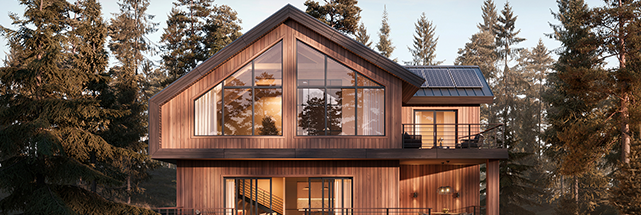
Mass timber is now being adopted not just in residential buildings but in mid-rise commercial offices, hotels, and institutional facilities. CLT is particularly well-suited to climates where modularity and thermal performance are critical, and it is gaining momentum in markets such as the UAE, Scandinavia, and North America. Changes to international building codes now permit mass timber structures of up to 18 storeys in many jurisdictions, removing a major historical barrier to adoption.
3. Hempcrete and Bio-Based Insulation Systems
Hempcrete is produced from the woody core (shiv) of the hemp plant mixed with a lime-based binder. During growth, hemp absorbs large quantities of CO2, and the lime binder continues to absorb carbon dioxide as it cures — making hempcrete one of the few building materials capable of a net-negative or near-zero embodied carbon footprint. Beyond its climate credentials, hempcrete is breathable, mould-resistant, and absorbs CO2 during curing, while providing excellent thermal regulation, acoustic insulation, and natural resistance to pests and fire.
Global hempcrete demand reached approximately $25.83 billion in 2024, growing at a compound annual rate of 5.0% through 2030, with North America representing over 40% of that market. The material is particularly prevalent in residential applications, which account for nearly 60% of adoption, though commercial and institutional retrofit applications are growing steadily.
The broader family of bio-based insulation includes cellulose (produced from recycled paper), cork, wood fibre, and sheep wool. These materials offer strong thermal and acoustic performance while avoiding the high embodied emissions associated with petrochemical-based insulation products such as expanded polystyrene. They are typically treated with non-toxic fire retardants and are increasingly specified in residential and commercial buildings that prioritise both environmental performance and occupant health.
4. Recycled Steel and Low-Carbon Metals
Steel is among the most widely used structural materials in construction, but its primary production is highly energy-intensive. The shift toward electric arc furnace (EAF) steel — which melts down scrap steel using electricity, increasingly from renewable sources — dramatically reduces the carbon intensity of steel production. When produced with a green electricity grid, EAF steel can cut emissions by over 70% compared to primary blast furnace steel.
Emerging technologies in hydrogen direct reduced iron (H2-DRI) steel production promise to take this further, using green hydrogen rather than coking coal as the reducing agent. While still scaling commercially, several major steelmakers in Sweden and Germany have begun producing fossil-free steel at pilot scale, with the first commercial volumes entering the construction supply chain.
Reclaimed structural steel, salvaged from demolition projects, represents an even more immediate pathway: it avoids production emissions entirely and is gaining popularity in adaptive reuse and retrofit developments where architectural character and cost control are both priorities. In 2025, public infrastructure projects are increasingly turning to salvage strategies not only for environmental benefits but for their economic and heritage value.
5. Rammed Earth, Adobe, and Earthen Construction
Among all construction materials, earthen systems — rammed earth, adobe, cob, and compressed earth blocks — carry among the lowest embodied carbon profiles of any structural material. They use locally sourced soil with minimal processing, require little energy to produce, and offer exceptional thermal mass that passively moderates interior temperatures.
Historically associated with vernacular and low-tech architecture, rammed earth is increasingly being embraced by contemporary architects for high-end residential, cultural, and commercial buildings. Its material honesty, textural richness, and near-zero transport footprint — when local materials are used — make it an outstanding choice for projects where both aesthetics and environmental performance are paramount.
Comparing Carbon Performance: A Reference Table
Understanding the relative carbon intensity of common construction materials is essential for informed specification. The following table provides an indicative comparison of embodied carbon ranges and key low-carbon alternatives for each material category.
| Material Category | Conventional Option | Low-Carbon Alternative | CO2 Reduction |
|---|---|---|---|
| Cement / Binder | Portland Cement (OPC) | Geopolymer / LC3 / GGBS blends | 30 - 80% |
| Structural Frame | Reinforced Concrete | Cross-Laminated Timber (CLT) | Carbon storage |
| Steel | Blast Furnace Steel (BF-BOF) | EAF Recycled Steel | 60 - 75% |
| Insulation | Expanded Polystyrene (EPS) | Hempcrete / Cellulose / Cork | Near-zero or negative |
| Masonry | Fired Clay Brick | Compressed Earth Blocks / Rammed Earth | Up to 90% |
| Facade Panels | Virgin Aluminium Cladding | Recycled Aluminium / Timber Cladding | 40 - 95% |
Market Drivers and Regulatory Momentum
The adoption of sustainable materials for low-carbon construction is being accelerated by a convergence of policy, market, and investor forces that did not exist a decade ago.
Building Codes and Embodied Carbon Caps
Governments across Europe, North America, and Asia-Pacific are embedding embodied carbon limits into building codes. Several US cities and states have introduced mandatory embodied carbon reporting for large buildings, with caps expected to tighten on a scheduled trajectory. In the European Union, the Level(s) framework and the forthcoming revision of the Energy Performance of Buildings Directive are pushing embodied carbon disclosure toward mandatory status. These regulatory signals are reshaping procurement criteria and elevating low-carbon materials from preference to requirement.
Green Building Certification and ESG Pressure
Certification schemes such as LEED, BREEAM, and WELL now award credits specifically for low embodied carbon materials. As institutional investors and corporate tenants increasingly require certified green buildings as part of their ESG commitments, developers face commercial pressure to specify low-carbon materials not just for compliance but for asset value. Companies targeting LEED Platinum or BREEAM Outstanding ratings are specifying green concrete, recycled steel, and energy-efficient facades to reduce operational costs, meet ESG goals, and attract eco-conscious investors.
Transparency Through Environmental Product Declarations
The rapid proliferation of Environmental Product Declarations (EPDs) — third-party verified documents quantifying the cradle-to-gate carbon footprint of specific products — has transformed procurement. Specifiers can now compare the embodied carbon of competing products with a precision unimaginable five years ago. Building Information Modelling (BIM) platforms are integrating EPD data so that project teams can simulate carbon performance from the earliest design stages and track material choices against whole-life carbon budgets in real time.
Practical Integration: From Design to Delivery
Whole-Life Carbon Assessment
Effective low-carbon specification begins with a whole-life carbon assessment that accounts for embodied carbon across all lifecycle stages — from raw material extraction and manufacturing (Modules A1-A3) through construction processes (A4-A5), to use, maintenance, and eventual end-of-life (Modules B and C). Focusing exclusively on operational energy without considering embodied carbon risks locking in high-emission materials even in otherwise "green" buildings.
Design for Disassembly and Circularity
Specifying sustainable materials is only part of the picture. Designing structures so that materials can be recovered, reconditioned, and reused at end of life is equally critical. Design for disassembly (DfD) principles — using reversible connections, standardising component dimensions, and documenting material inventories — extend the effective life of low-carbon materials and prevent them from entering landfill. Mass timber and steel are particularly amenable to circular approaches.
Supply Chain Due Diligence
Certifications matter. Specifying sustainably sourced timber requires verification through schemes such as FSC or PEFC. Low-carbon concrete claims require EPDs from verified suppliers. Recycled content claims for steel and aluminium require chain-of-custody documentation. As local governments introduce embodied carbon caps, unverified green claims will face increasing scrutiny. Building accurate material passports at the project level is becoming a baseline expectation rather than a differentiator.
Skills and Contractor Capability
Sustainable materials often require adjusted construction techniques. Mass timber joinery, hempcrete application, and rammed earth compaction all involve specialised knowledge that differs from conventional reinforced concrete construction. Investment in workforce training and early contractor engagement are essential to ensure that the performance advantages of low-carbon materials are realised on site rather than lost to poor installation.
Challenges and Emerging Frontiers
Despite the genuine progress, real barriers remain to the widespread adoption of sustainable materials for low-carbon construction.
- Cost premium perception: Many low-carbon materials carry a higher upfront cost compared to conventional alternatives, though whole-life cost analyses increasingly demonstrate parity or advantage when operational savings, carbon pricing, and asset value are included.
- Supply chain immaturity: Regional availability of materials such as CLT, geopolymer cement, and natural insulation products is still uneven. Scaling local manufacturing capacity is essential to reduce transport emissions and improve cost competitiveness.
- Code and insurance conservatism: Innovative materials sometimes face challenges in obtaining building code approval or competitive insurance terms in markets with limited track records.
- Data quality for EPDs: While EPD availability has expanded dramatically, the quality, scope, and comparability of declarations varies. Industry standardisation efforts are ongoing but incomplete.
- Greenwashing risk: As demand for sustainable credentials intensifies, so does the risk of misleading claims. Robust third-party verification and mandatory disclosure are critical safeguards.
Looking forward, several emerging areas hold particular promise. Carbon capture and utilisation (CCU) technologies are enabling next-generation cement alternatives that actively mineralise CO2 within their matrix. Mycelium composites — grown from fungal networks fed with agricultural waste — offer a biodegradable, low-energy alternative for insulation and non-structural panels. Algae-based materials and engineered living materials are at early research stages but represent a longer-term frontier for carbon-sequestering construction.