A wooden sign post looks like the simplest thing on a property: a post, a board, two bolts, done. Then three winters pass, the post is leaning, the board has split around the fixings, and there is a soft dark ring of rot right at the soil line.
That ring of rot is the whole story. Almost every failed sign post in a garden, driveway or farm entrance dies at ground level, where moisture, oxygen and soil organisms meet. Get the species, the treatment, the buried depth and the drainage right, and the same post will serve you for decades with nothing more than a fresh coat of oil every few years.
What a Sign Post Really Has to Do
A sign post carries an awkward set of loads. The board itself is light, but wind works on a lever: a 900 mm wide board on a 2 m post presents more than 1.5 square metres of sail area, and a gust turns that into a bending force concentrated exactly where the post leaves the ground.
That is also the point where the wood is wettest in winter, warmest in summer and weakest overall. So the post has three jobs at once: hold the sign still, resist bending without twisting, and survive permanent contact with damp soil. A post chosen only for price or appearance usually fails the third job. The sections below work through the choices in the order they matter: wood, shape, size, footing, fixings and finish.
Choosing Wood That Can Live Outside
Outdoor durability comes down to two things: how resistant the heartwood is by nature, and whether the wood is protected where it meets the ground. An untreated pine or spruce post buried in soil will be under attack within a few years in most climates, however thick the post is.
Species and where each one belongs
- Pressure treated pine: the workhorse for posts set into soil. Choose a treatment rated for ground contact and brush preservative onto any cut end before it goes in the hole.
- Douglas fir: strong and stiff, ideal for long straight posts carrying a heavy sign, but best kept out of permanent soil contact.
- Spruce: light, straight and easy to machine, excellent for painted posts above a plinth or metal base.
- Western red cedar: naturally durable, stable and pleasant to carve, and it weathers to a soft silver grey.
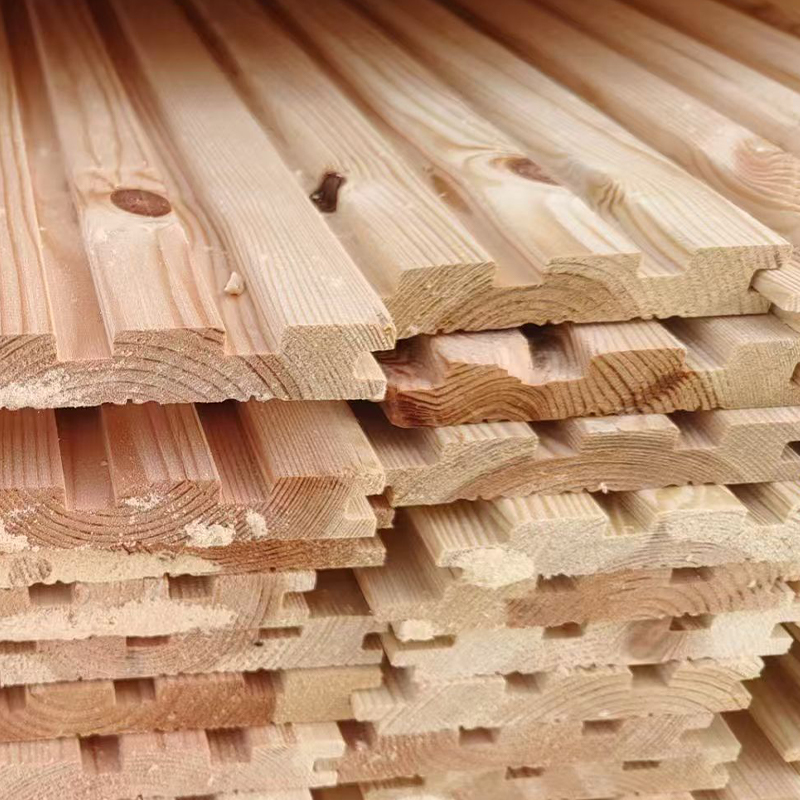
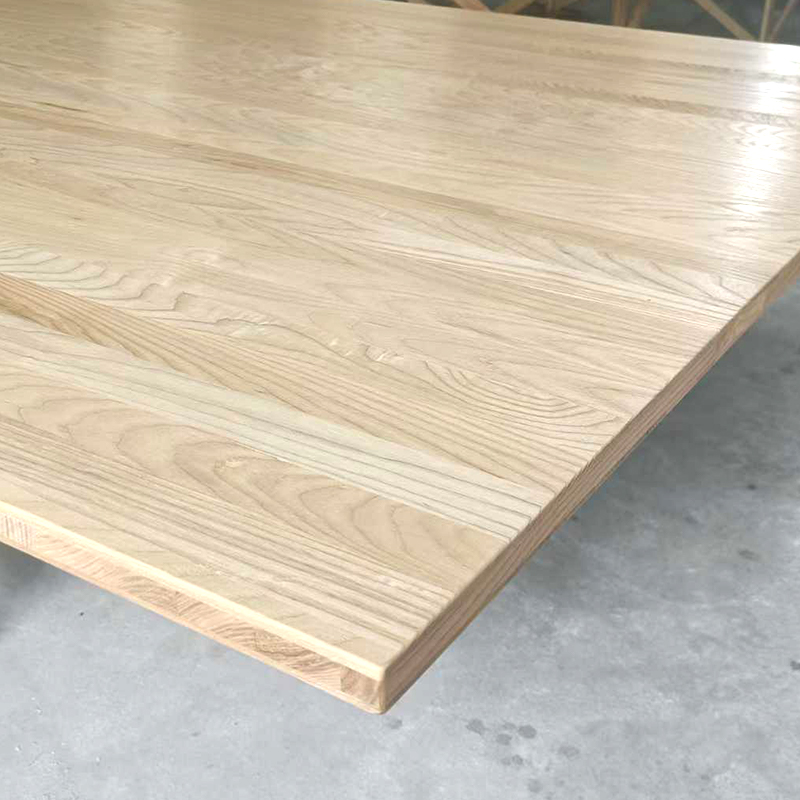
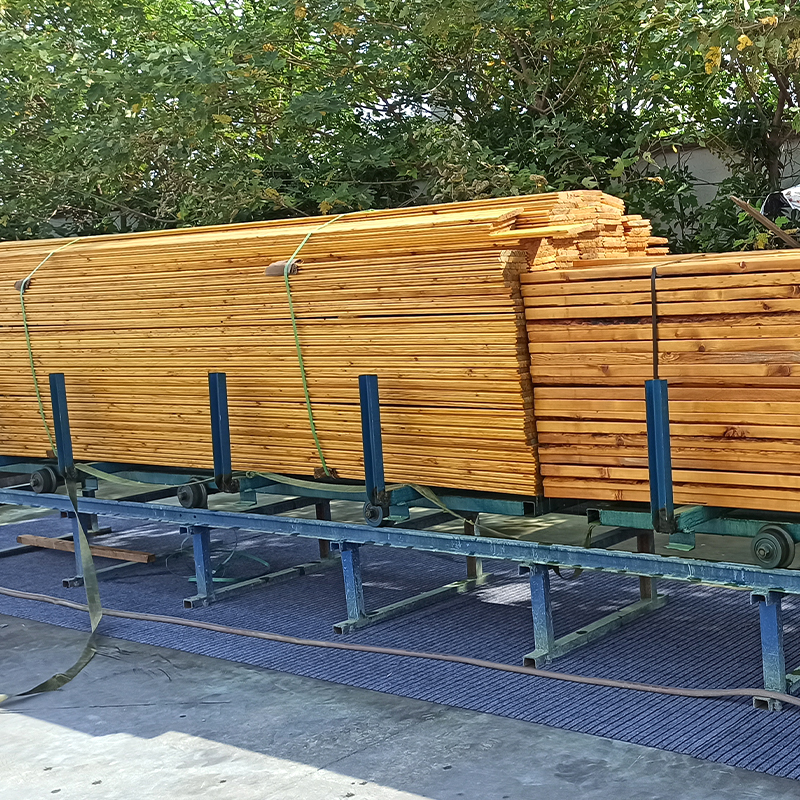 Pine Pressure Treated WoodPine pressure-treated wood is lumber that has been infused with preservative chemicals under high pressure to protect it from rot, insects, and moisture damage. Southe...View Product →
For anything permanently in the ground, the safest pattern is either a treated post or a post that never touches soil at all. A galvanised shoe on a concrete pier lifts the timber above grade and lets air move around it, which is the single most effective way to add years to a post.
Engineered posts: straight, stable, and available in real lengths
Solid timber has a habit of doing what it wants. A post cut from fast-grown stock can twist, bow or check as it dries, and that movement shows up immediately in a sign that was set perfectly level. Glued laminated timber takes that problem apart: kiln-dried lamellas are graded, end-jointed and glued under pressure into one member, so internal stresses balance each other out.
The result is a post that stays straight, can be produced in long lengths or round profiles, and can imitate a genuine log without the cracking of a solid trunk. Round laminated sections are a favourite for rustic signposts, where the soft round shape suits carved lettering and forged brackets.
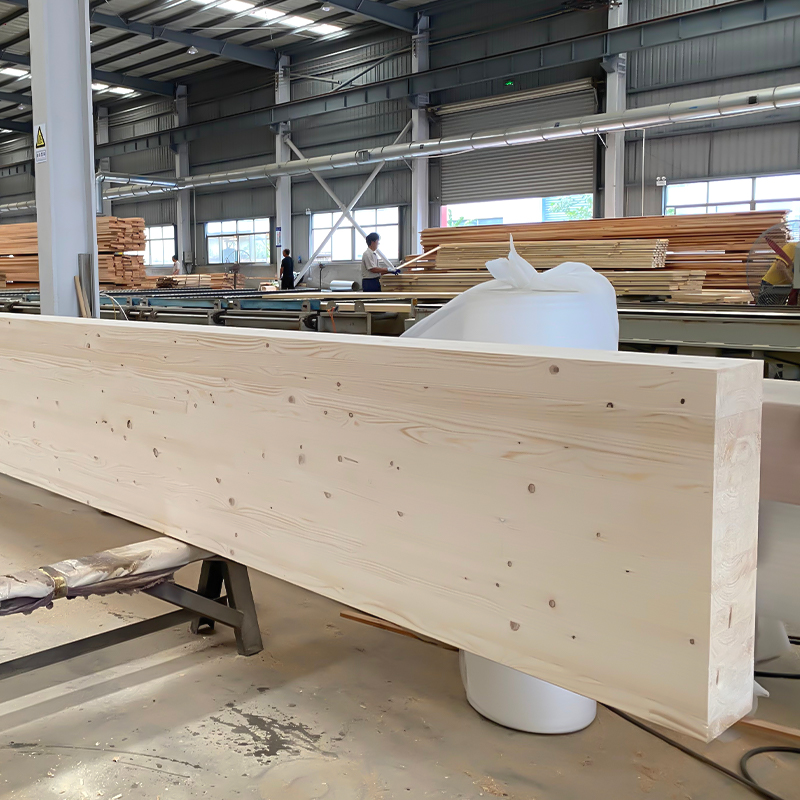
 Douglas Fir Glulam Log ProfilesFor rustic signposts or log-style construction, these laminated Douglas Fir profiles imitate solid logs while reducing cracking, warping and shrinkage.View Product →
Post Shapes and Character
Square and rectangular posts are the default for tidy, contemporary markers: a 90 x 90 mm section with a small chamfer looks sharp beside a house number or a driveway. They are also easy to rebate, so a board sits in a groove and is fixed from behind with nothing visible on the front face.
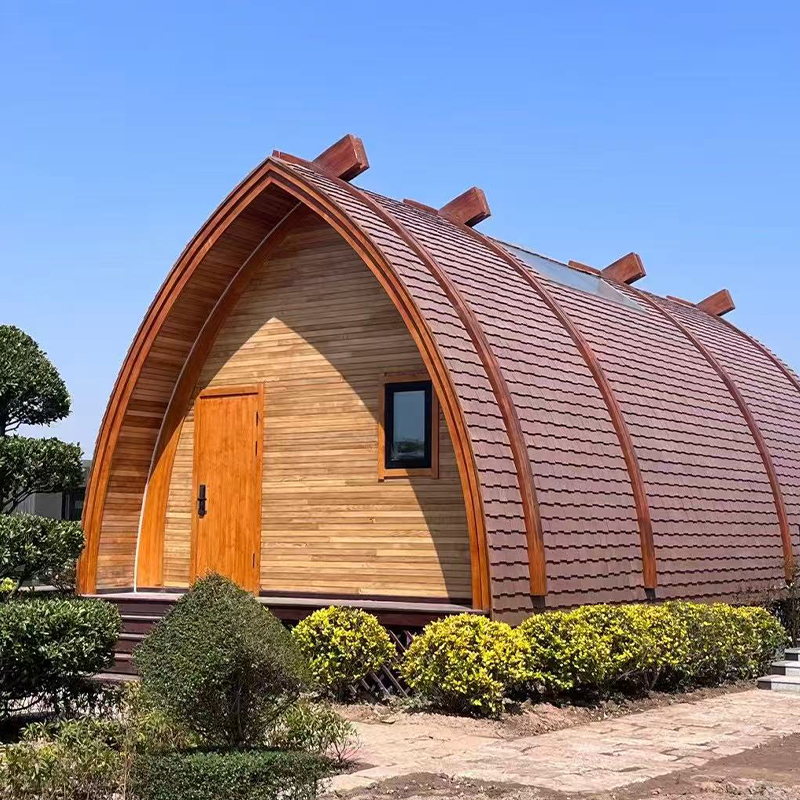
Round posts suit a different mood and belong in gardens, woodland trails and farm entrances. If a design calls for shaped elements, curved laminated members let you build an arched arm or a sweeping top rail. Larger gated entrances and monument signs need something closer to a structural column, with the strength to carry a wide board and trim lines that look deliberate rather than improvised.
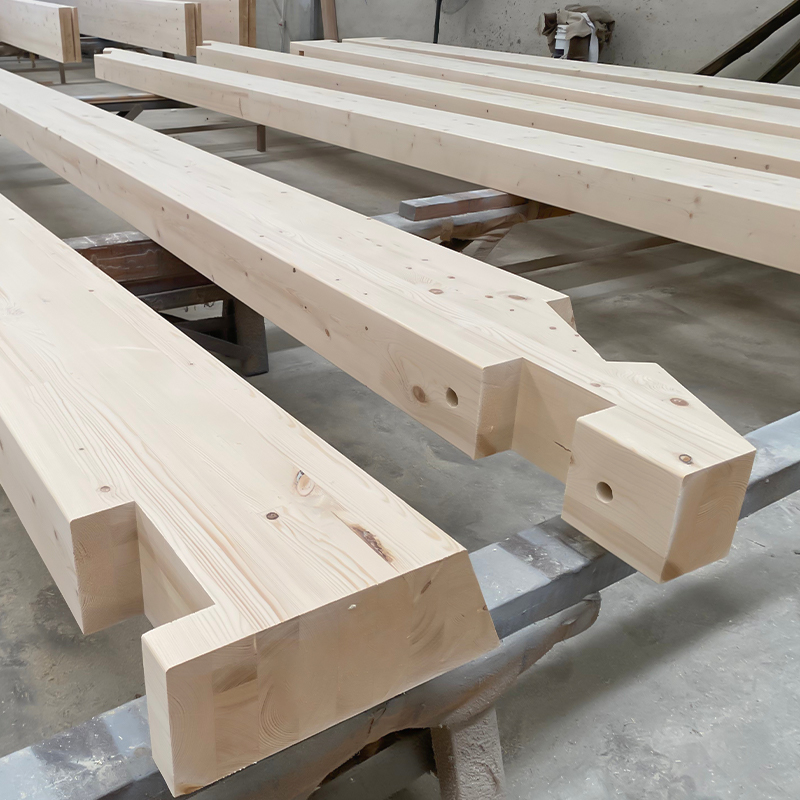
 Douglas Fir Glulam Beam and PostFor substantial posts and long-span beams, this laminated Douglas Fir glulam combines structural strength, dimensional stability and natural exposed-timber appearance.View Product →
Sizing the Post to the Sign
There is no universal formula, because wind exposure, board thickness and soil type all shift the numbers. As a working rule, a post should be buried roughly one third of its above-ground height and never less than 600 mm; in cold regions the base should sit below the local frost depth.
Indicative post sizes for common sign types; heavy exposure or soft ground usually pushes the specification one row up.
| Post section |
Sign board |
Typical use |
Buried depth |
| 75 x 75 mm |
up to 600 x 300 mm |
Garden and path markers, house numbers |
600 mm |
| 90 x 90 mm |
up to 900 x 450 mm |
Driveway signs, two-arm fingerposts |
750 to 900 mm |
| 120 x 120 mm |
up to 1500 x 750 mm |
Business entrances, farm gates, multi-arm signs |
900 to 1200 mm |
| 140 x 140 mm and above |
1500 mm wide or double sided |
Entrance monuments and exposed sites |
1200 mm plus a concrete pier |
Two practical notes: a heavily loaded post is better fixed to a concrete pier with a metal base than buried directly, and the hole should be about three times the post width so backfill has something to compact against.
Setting the Post So It Stays Put
The order of work matters more than the tools you use. A post dropped into a half-filled hole and backfilled in a hurry will move, and no amount of finishing will hide it later.
- Mark the position and dig a hole about three times the post width, to the depth worked out above.
- Put 50 mm of compacted gravel in the bottom so water drains away from the base.
- Set the post in place and check it for plumb on two faces, not just one.
- Backfill with concrete for larger posts, or well-compacted gravel for small garden markers.
- Crown the concrete slightly above ground and slope it away from the post so water runs off instead of pooling.
- Brace the post for at least 48 hours and re-check it before fitting the board.
Wherever the design allows, a steel base on a concrete pier is the better answer: it keeps timber out of the soil, makes replacement simple, and leaves a small air gap that dries the end grain after rain.
Fixings, Joints and the Details Nobody Sees
Most splits around sign posts start at a fixing. Timber shrinks across the grain as it dries, so a bolt that was tight in spring can act as a wedge by autumn. Pilot holes, washers and slightly oversized holes in the board give the timber somewhere to move.
Use stainless steel or hot-dip galvanised fixings outdoors, because plated screws that are fine indoors will stain the wood within a season or two. Two small details repay the effort: slope or cap the top of the post so it sheds water, and seal all end grain, including the top and the buried bottom, with a generous coat of preservative.
Finish and Maintenance
A penetrating oil or breathable stain is usually a better choice than a thick film finish, which traps moisture and then peels in sheets. Vertical faces can go three to five years between coats; post tops and any horizontal surface want attention sooner. If you like the charred, textured look of shou sugi ban, that finish is applied before installation rather than afterwards.
Once a year, walk the line of your posts after a storm. Check for movement at ground level, re-tighten fixings, and look for a soft dark band near the soil. Catching a post at that stage is cheap; catching it after the board has dropped is not.
Ordering Posts That Match the Sign
If you are making one marker for a garden, a length of treated timber and an afternoon will do it. If you are building an entrance sign, a trail of fingerposts or a set of matching markers for a development, it pays to have the posts produced to the drawing.
A supplier needs four things: the shape and section of the post, the height above ground and depth below it, the species and finish, and the way the board will be attached. With those, laminated posts can be produced to the exact length, with rebates, chamfers and drilled fixing points already in place.
Our team has been producing glued laminated timber since 2011 and works from two production bases, so one-off pieces and repeat runs are both routine. Species, treatment and quality details are covered on our quality page. Send a sketch with dimensions, and we will tell you honestly which post section the job needs.
A wooden sign post is not complicated, but it is exposed. Pick a wood that can handle soil and weather, choose a section that matches the weight and width of the board, set it below the frost line with drainage at the base, and keep water out of the joints. Do that once, and the sign will still be standing straight long after you have stopped thinking about it.




 English
 한국어
 Español