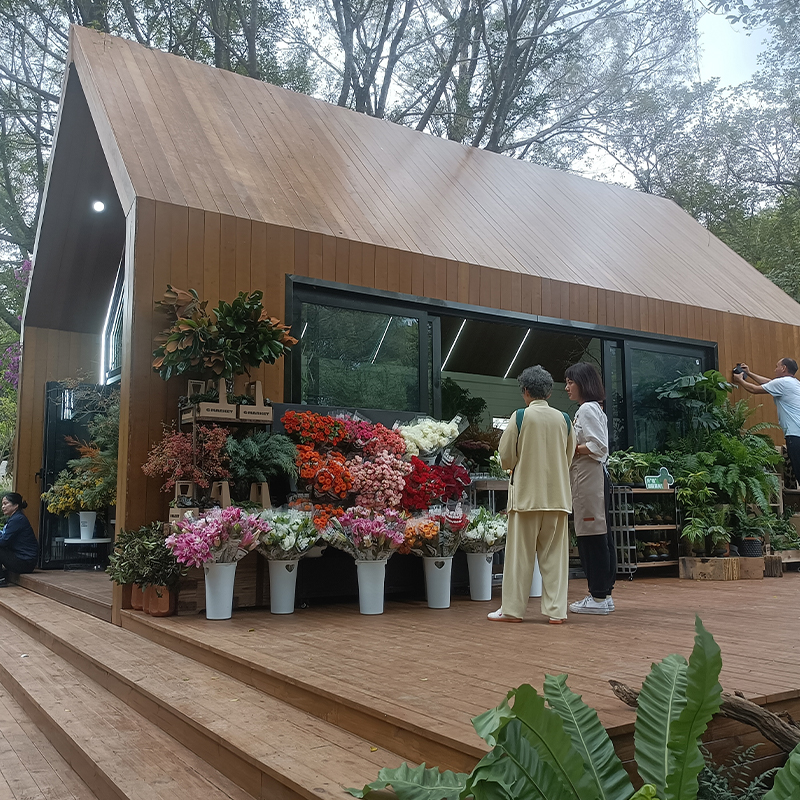
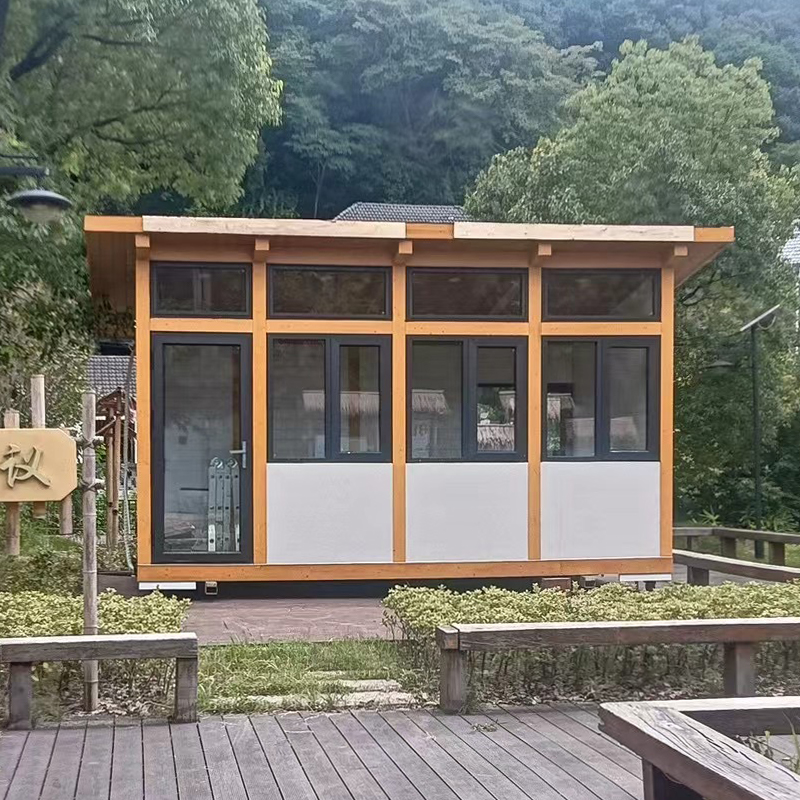
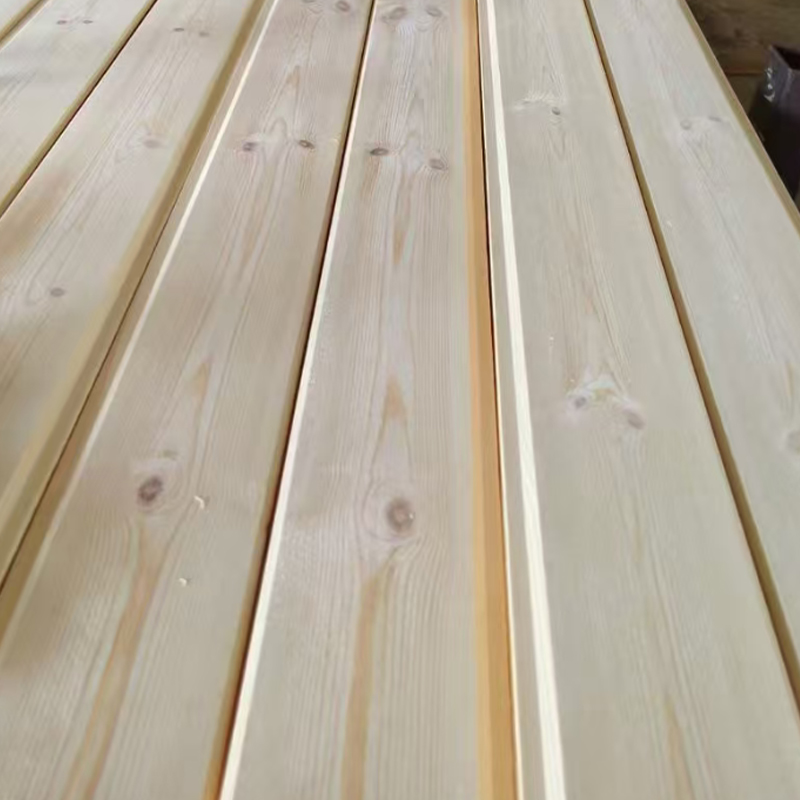
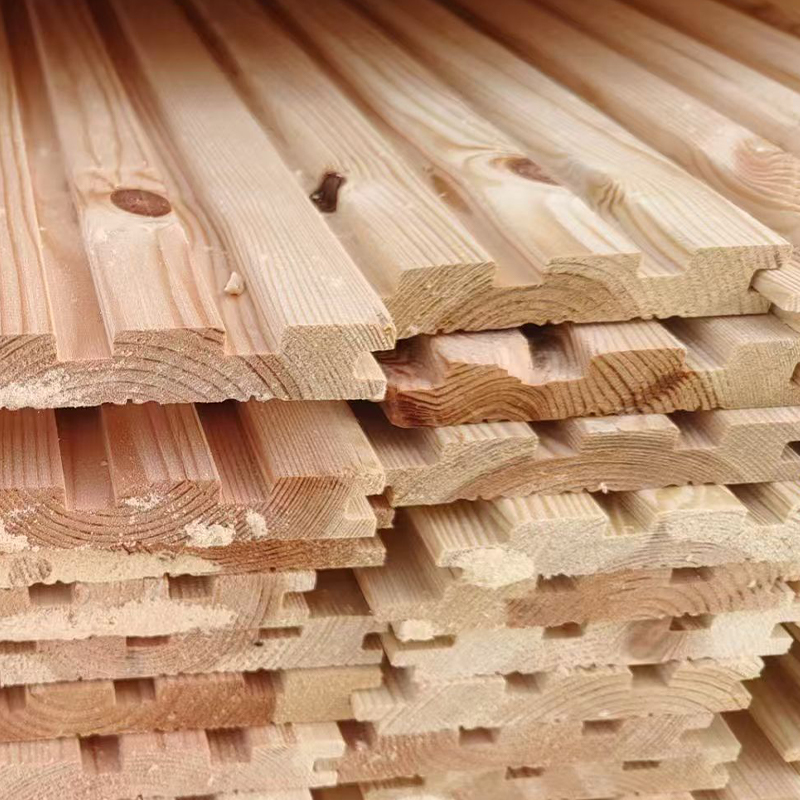
Wood cladding is one of the oldest and most enduring building materials known to architecture — yet it remains as relevant today as it was centuries ago, valued for its natural warmth, design versatility, and the ability to transform the character of any structure from the outside in.
What Is Wood Cladding?
Wood cladding refers to the application of wooden boards, panels, or shingles to the exterior or interior surfaces of a building as a non-structural covering layer. It is sometimes called timber cladding or wood siding, and its primary purpose is to provide a finished, weather-resistant surface that protects the underlying structure while contributing significantly to a building's aesthetic identity.
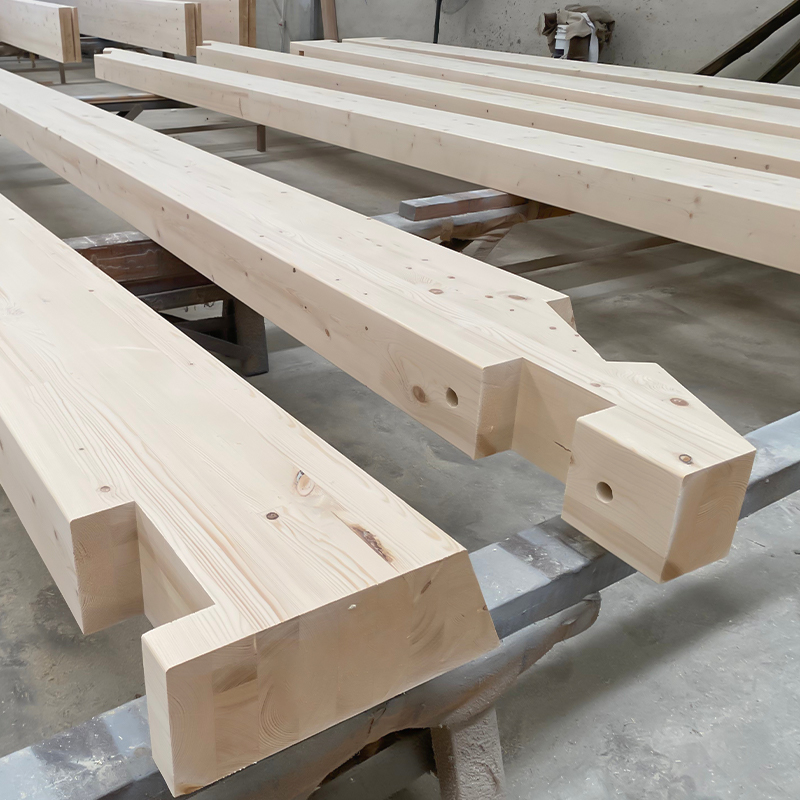
Unlike structural timber, which bears load, wood cladding is a facing material — it wraps around the building's structural frame (which may be timber, steel, masonry, or concrete) and serves as both a weather screen and an architectural expression. Whether used on a contemporary residential home, a heritage farmhouse, a commercial office building, or an interior feature wall, wood cladding brings a natural texture and visual depth that few other materials can replicate.
40+ Common timber species used globally in cladding
50yr Lifespan of well-maintained hardwood cladding
100% Biodegradable and naturally carbon-storing material
3x Greater insulation value than brick of equal thickness
How Does Wood Cladding Work?
Wood cladding functions as part of a building's external envelope system. In most contemporary installations, it is not applied directly to the structural wall but is instead mounted onto a ventilated battening system — horizontal or vertical timber battens fixed to the wall — that creates an air gap between the cladding and the structure beneath.
This ventilated cavity serves multiple critical functions: it allows moisture that penetrates behind the cladding boards to drain and evaporate, prevents water from being drawn into the structural wall by capillary action, and enables air circulation that helps regulate temperature and reduce condensation risk. Behind the battens, a breather membrane (a water-resistant, vapour-permeable sheet) is typically installed to provide a second line of defence against wind-driven rain and moisture.
Together, the cladding boards, air gap, breather membrane, and structural wall form a layered system that manages heat, moisture, and weather exposure far more effectively than any single material could achieve alone.
Types of Wood Cladding Profiles
The profile — the cross-sectional shape of each board — determines both the visual character and the weathering performance of a wood cladding installation. Different profiles suit different architectural styles, orientations, and levels of weather exposure.
Profile
Feather Edge
Tapered boards overlapped vertically. A traditional agricultural profile, highly effective at shedding water and extremely popular for rural and vernacular architecture.
Profile
Shiplap
Boards with rebated edges that interlock horizontally. Provides a clean, flush appearance with excellent weather resistance, used widely in contemporary design.
Profile
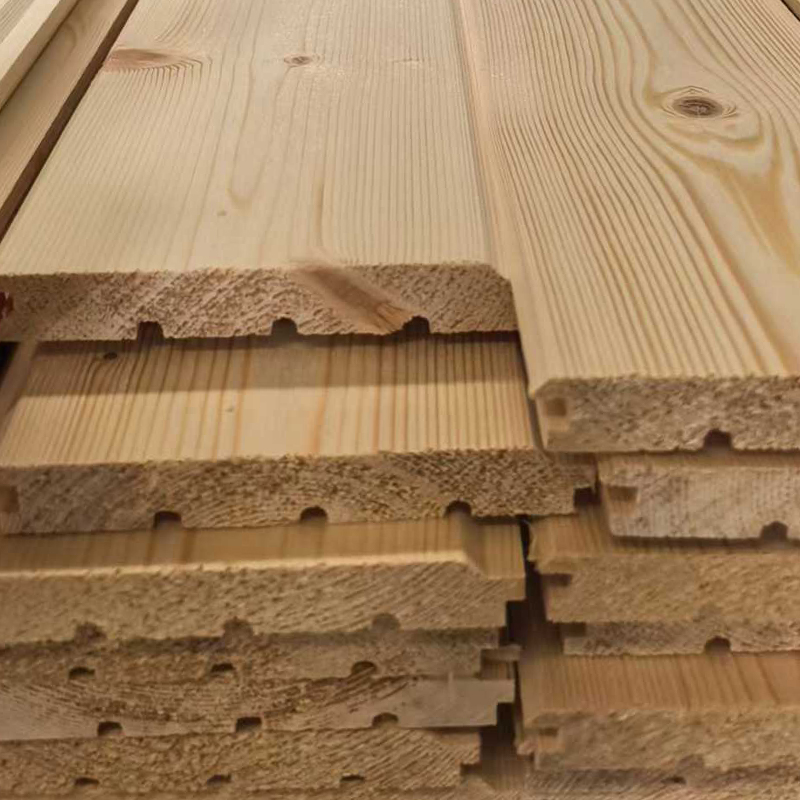
Tongue & Groove
Interlocking boards that create a tight, seamless surface. Commonly used for interior feature walls and sheltered exterior applications where a refined finish is desired.
Profile
Shou Sugi Ban
Charred timber boards with a distinctive carbonised surface. An ancient Japanese technique that enhances durability and produces a dramatic, sculptural aesthetic.
Beyond these common profiles, wood cladding can also be installed vertically, diagonally, or in mixed orientations — each producing a markedly different visual effect. Vertical board-on-board configurations give a contemporary, elongated feel; diagonal arrangements add dynamic movement to façades; and mixed orientations can be used to zone or differentiate distinct areas of a building's exterior.
Common Wood Species Used for Cladding
The choice of timber species is one of the most consequential decisions in any wood cladding project, determining natural durability class, maintenance requirements, colour, grain character, and long-term performance. Species are broadly divided into hardwoods and softwoods — though this classification relates to botanical origin rather than actual hardness, and some softwoods (such as Western Red Cedar) are more durable than many hardwoods.
The benchmark softwood cladding species. Naturally resistant to decay, dimensionally stable, and lightweight. Weathers to a distinguished silver-grey if left untreated.
Acetylated radiata pine with dramatically enhanced dimensional stability and durability. Carries a 50-year above-ground guarantee and accepts stain and paint exceptionally well.
Dense, resinous softwood with tight grain and good natural durability. Knot-free grades offer a clean, contemporary appearance that works well with modern architecture.
A large, fast-growing softwood offering structural strength and a bold, straight grain. Popular in North American and Scandinavian-influenced design traditions.
Premium tropical hardwoods with exceptional natural durability and rich, dense grain. Long-lived but require responsible sourcing and FSC certification verification.
A quintessential European cladding species with excellent tannin-based natural durability. Develops a beautiful silver patina when untreated and left to weather naturally.
Advantages of Wood Cladding
Natural Aesthetics and Design Versatility
Wood cladding offers a warmth, texture, and visual complexity that no synthetic material has convincingly replicated. The natural variation in grain pattern, colour tone, and surface character means that every installation is genuinely unique — a quality increasingly valued in architecture and interior design. Wood cladding can be stained, painted, oiled, or left to weather naturally, giving designers near-limitless control over its final appearance.
Its versatility extends across architectural styles: timber cladding reads equally at home on a traditional cottage, a Scandinavian-influenced contemporary home, a high-end commercial development, or a minimalist art gallery. Few other facade materials achieve this breadth of contextual appropriateness.
Sustainability and Environmental Credentials
Responsibly sourced wood cladding — bearing FSC or PEFC certification — is one of the most environmentally sound building materials available. Timber is a renewable resource that actively sequesters carbon from the atmosphere during its growth phase and continues to store that carbon for the duration of its service life within a building. The embodied energy required to process timber into cladding is dramatically lower than that of steel, aluminium, brick, or concrete.
At end of life, wood cladding is fully biodegradable and can be composted, used as biomass fuel, or repurposed — closing the material loop in a way that no petrochemical-based cladding product can match.
Thermal and Acoustic Performance
Wood is a natural insulator, with significantly better thermal resistance per unit of thickness than masonry or metal. When installed as part of a ventilated façade system with insulation integrated into the wall build-up, wood cladding contributes to a high-performing building envelope that reduces heating and cooling energy demand. Timber's cellular structure also provides useful acoustic mass, dampening external noise transmission through façades.
Wood cladding does not simply cover a building — it gives it character, age gracefully alongside its occupants, and connects the made environment to the natural world in a way that is both ancient and entirely contemporary.
Disadvantages and Limitations to Consider
Maintenance Requirements
Most softwood cladding requires periodic re-treatment — typically every 3–7 years depending on exposure and finish type. Untreated or neglected cladding can grey, crack, or develop biological growth (algae, mould) that accelerates surface degradation. Hardwoods and modified woods generally require less frequent maintenance.
Fire Performance
Timber is a combustible material and carries fire classification restrictions in many building regulations, particularly for buildings above two storeys or in close proximity to boundaries. Fire-retardant treated cladding grades (Class B or Class 0 in UK regulations) are available to address this, but must be specified carefully by suitably qualified professionals.
Dimensional Movement
Wood is hygroscopic — it absorbs and releases moisture in response to changes in ambient humidity, causing the boards to expand and contract. Poor specification or installation that fails to accommodate this natural movement can result in cupping, splitting, or fixings working loose over time. Correct board sizing, fixing method, and moisture content at installation are critical.
Initial Cost vs. Alternatives
Premium timber cladding species and high-quality modified wood products carry a higher upfront material cost than many composite or render alternatives. However, when whole-life costs (durability, maintainability, and end-of-life value) are factored in alongside environmental credentials, the total cost picture is often more competitive than initial comparisons suggest.
Wood Cladding vs. Alternative Cladding Materials
| Material |
Natural Aesthetics |
Sustainability |
Maintenance |
Durability |
Cost Level |
| Wood (Hardwood) |
Excellent |
High (FSC) |
Low–Moderate |
25–50+ yrs |
Moderate–High |
| Wood (Softwood) |
Very Good |
High (FSC) |
Moderate |
15–30 yrs |
Low–Moderate |
| Modified Timber |
Very Good |
High |
Low |
50+ yrs |
High |
| Fibre Cement |
Moderate |
Moderate |
Low |
30–50 yrs |
Moderate |
| uPVC / Vinyl |
Low |
Low |
Very Low |
20–30 yrs |
Low |
| Metal (Aluminium) |
Low–Moderate |
Moderate |
Very Low |
40+ yrs |
High |
How to Maintain Wood Cladding
The longevity of any wood cladding installation is directly proportional to the quality of maintenance it receives. A well-maintained softwood cladding installation can outlast a neglected hardwood one — making a consistent maintenance programme as important a specification decision as the choice of species or profile.
01
Annual Inspection
Check for cracked boards, failing fixings, biological growth, and finish degradation. Early identification prevents minor issues escalating into costly remedial works.
02
Cleaning
Remove dirt, algae, and mould with a soft brush and appropriate biocidal wash. Avoid high-pressure washing, which forces water into the grain and damages surface finishes.
03
Re-treatment
Apply stain, oil, or paint on the manufacturer's recommended cycle — typically every 3–5 years for stains, longer for oils. Always treat all exposed surfaces including end grain.
04
Board Replacement
Individual boards can usually be replaced without disturbing the full installation. Sourcing a small quantity of matching timber for future repairs at the time of installation is strongly advisable.
Interior Wood Cladding
Wood cladding is not limited to exterior applications. Interior timber cladding — used on walls, ceilings, and feature surfaces — has become a significant element of contemporary interior design, bringing natural texture, acoustic warmth, and biophilic quality to residential, hospitality, and commercial spaces.
For interior use, the durability and weather resistance requirements that govern exterior species selection are largely irrelevant — instead, the selection criteria shift to grain character, colour tone, formaldehyde emission class, and surface finish quality. Species such as American Walnut, White Oak, Birch, and various pine species are widely used for interior cladding panels and battened wall applications.
Interior wood cladding does not typically require the ventilated cavity system used externally but must still account for some degree of timber movement. Acclimatising boards to the internal humidity conditions of the space before installation is essential to prevent post-installation gapping or cupping caused by moisture content change after fixing.
Choosing the Right Wood Cladding: Key Considerations
- Durability class and exposure: Match the natural durability class of the selected species to the severity of exposure at the installation location. Highly exposed coastal or upland sites demand Class 1–2 species; sheltered urban sites may perform adequately with Class 3 species correctly treated.
- Orientation and drainage: Horizontal boards shed water more readily than vertical installations in exposed conditions. Ensure board profiles are installed with correct drainage gaps and that end grain — the most moisture-vulnerable surface — is adequately protected at all fixing and cut points.
- Certification and sourcing: Specify only FSC-certified or PEFC-certified timber to ensure responsible forest management. For tropical hardwood species, certification is an absolute minimum requirement; European temperate hardwoods carry lower sourcing risk.
- Finish system compatibility: Not all wood species accept all finish types equally. Dense tropical hardwoods often require specific oil systems; modified woods require specialist coating products. Confirm compatibility with the manufacturer before specifying.
- Building regulation compliance: In multi-storey or tightly-sited buildings, confirm that the proposed cladding system meets applicable fire performance requirements — including reaction-to-fire classifications and any required third-party assessment documentation.
- Fixings: Use stainless steel or hot-dipped galvanised fixings throughout. Standard zinc-plated screws will corrode rapidly in moisture-exposed conditions, leading to staining and structural fixing failure long before the timber itself deteriorates.
Wood cladding is, at its core, a material with a dual identity: it is a practical building envelope component that protects structures from weather and regulates thermal and moisture performance, and simultaneously a powerful architectural expression of warmth, craftsmanship, and connection to the natural world. Understanding what wood cladding is — in terms of material science, construction technology, species selection, and long-term maintenance — is the foundation for using it well, whether on a contemporary new-build, a sensitive heritage restoration, or a striking interior feature. Chosen and installed with care, timber cladding remains one of the most beautiful, sustainable, and enduring choices available to architects, builders, and homeowners alike.

 English
 한국어
한국어 Español