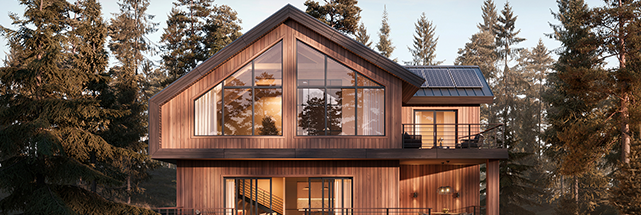
Cedar wood cladding has been used to protect and finish the exteriors of buildings for centuries, and it remains one of the most sought-after natural cladding materials in contemporary architecture and residential construction. Its combination of natural durability, dimensional stability, warm visual character, and workability makes it a practical and aesthetically compelling choice for a wide range of exterior applications — from coastal holiday homes to urban commercial facades. Understanding how cedar performs as an exterior cladding, how it should be installed and maintained, and what design options it offers is essential for anyone specifying or planning an exterior cladding project.
Why Cedar Is Used for Exterior Cladding
Cedar's suitability for exterior use is rooted in the wood's natural properties rather than in chemical treatments alone. Several characteristics work together to make it a practical and enduring cladding material.
Natural Durability and Decay Resistance
Cedar heartwood contains natural oils and thujaplicins — organic compounds that inhibit the growth of fungi, mould, and wood-decaying organisms. This inherent biological resistance means that cedar heartwood is classified as naturally durable under timber durability standards, making it resistant to rot in exposed conditions without requiring the level of preservative treatment that less durable timbers demand. Western red cedar (Thuja plicata) and Eastern white cedar (Thuja occidentalis) are the most widely used species for exterior cladding in North America and Europe, while Atlantic cedar and Spanish cedar are common in other regions.
It is worth noting that sapwood — the lighter-coloured outer growth rings — does not contain the same protective extractives as heartwood and is considerably less durable. Cladding boards specified for exterior use should be predominantly heartwood to take full advantage of cedar's natural durability.
Dimensional Stability
Compared to many other timber species, cedar has a low density and a relatively low shrinkage coefficient across the grain. This translates to good dimensional stability as moisture content fluctuates with the seasons. Cedar cladding boards are less prone to cupping, warping, and splitting than denser, higher-shrinkage timbers, which contributes to long-term performance and a consistent appearance on the building facade.
Lightweight Construction
Cedar's low density — typically 380–390 kg/m³ for western red cedar — makes it one of the lightest structural timbers used in exterior cladding. This reduces dead load on wall framing and supporting structure, simplifies handling and installation, and lowers transportation costs. The lightweight nature of cedar is a particular advantage in retrofit cladding projects where the existing structure's load capacity is a constraint.
Thermal and Acoustic Properties
Cedar's cellular structure gives it reasonable thermal insulation properties relative to its thickness, contributing modestly to the thermal performance of the wall assembly. Its natural cellular composition also provides a degree of sound absorption and damping, which can be relevant in external wall assemblies where acoustic performance is considered alongside thermal and weather-resistance criteria.
Workability
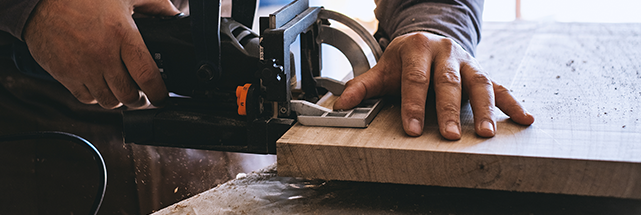
Cedar cuts cleanly, holds fixings well, and is straightforward to machine into a variety of profile forms. It can be worked with standard carpentry tools without dulling cutting edges as rapidly as harder or more resinous timbers. This workability, combined with its light weight, makes cedar a practical material for both factory-machined cladding profiles and site-cut detailing.
Cedar Species Used in Exterior Cladding
Several cedar species are used in exterior cladding, each with slightly different characteristics in terms of colour, grain pattern, durability, and availability.
Western Red Cedar (Thuja plicata)
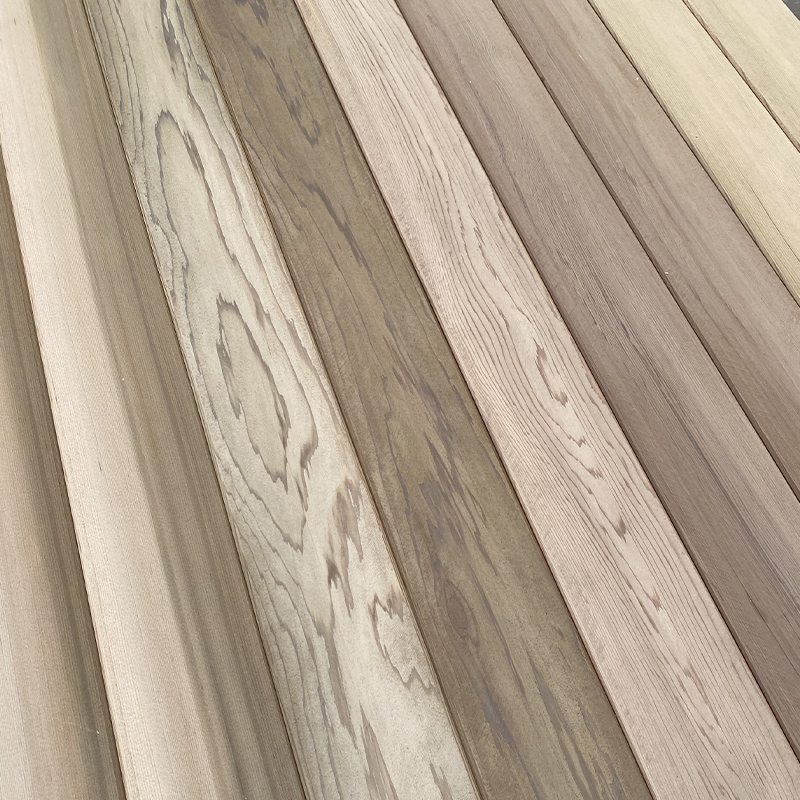
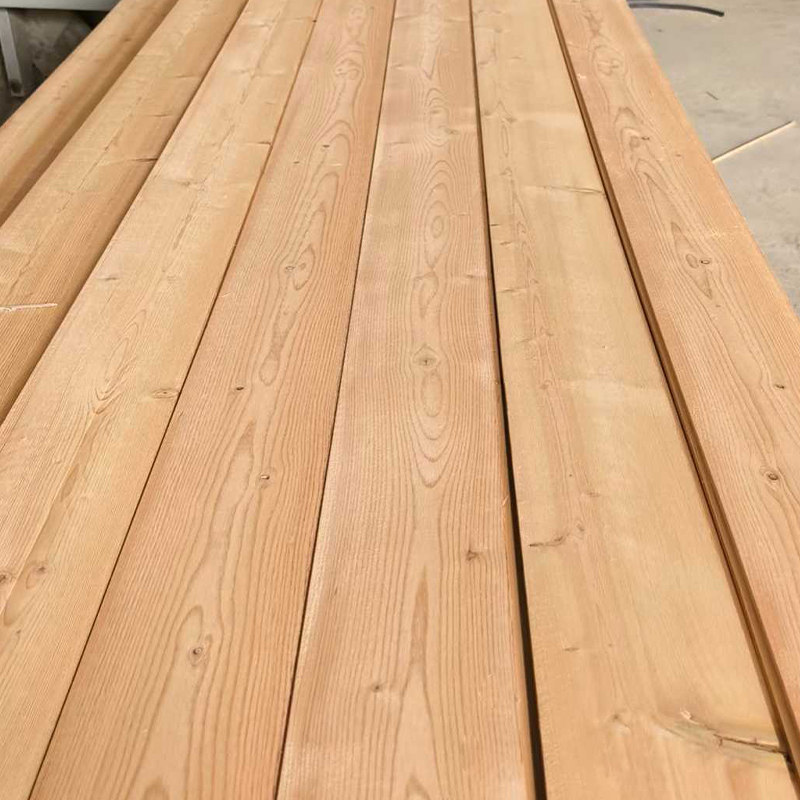
Western red cedar is the most widely specified species for exterior cladding in North America, the United Kingdom, and Australia. It is harvested primarily from the Pacific Northwest of North America and British Columbia. The heartwood ranges in colour from reddish-brown to pinkish-brown, with a straight, fine grain and a silky texture. Its durability class, low shrinkage, and availability in long lengths make it well-suited to horizontal bevel siding, vertical board-and-batten, and shiplap profiles.
Eastern White Cedar (Thuja occidentalis)
Eastern white cedar is lighter in colour than western red cedar, with pale yellowish-white to light brown heartwood. It grows naturally in eastern North America and is commonly used for shingles, shakes, and cladding boards in that region. It is slightly less durable than western red cedar but still classified as a naturally durable timber species for exterior applications.
Yellow Cedar (Chamaecyparis nootkatensis)
Yellow cedar — also known as Alaska yellow cedar or Nootka cypress — has a pale yellow heartwood, a fine uniform texture, and exceptional durability that rivals or exceeds western red cedar. It is denser and harder than western red cedar, offering improved mechanical resistance and a longer natural service life. Yellow cedar is used in high-performance cladding applications and is valued for its stability and resistance to checking.
Atlantic Cedar (Cedrus atlantica)
Atlantic cedar, native to the Atlas Mountains of North Africa, is used in cladding applications primarily in southern Europe. It has a distinctly aromatic character, a pale golden-brown heartwood, and good natural durability. It is less commonly available in long-length cladding boards than western red cedar but is valued for its appearance and scent in architectural applications.
Cedar Cladding Profiles and Formats
Cedar exterior cladding is available in a wide range of machined profiles, each producing a different visual character on the building facade and offering different performance characteristics in terms of weather exclusion and water management.
Bevel Siding (Featheredge)
Bevel siding consists of boards tapered in cross-section — thicker at the bottom edge and thinner at the top — installed horizontally with each board overlapping the one below. This is one of the most traditional and widely recognised exterior timber cladding profiles in North American architecture. The overlapping installation creates a natural weather-shedding profile that directs rainwater away from the wall. Typical board widths range from 100 mm to 250 mm, with the exposed face width determined by the degree of overlap specified.
Shiplap and Rebated Profiles
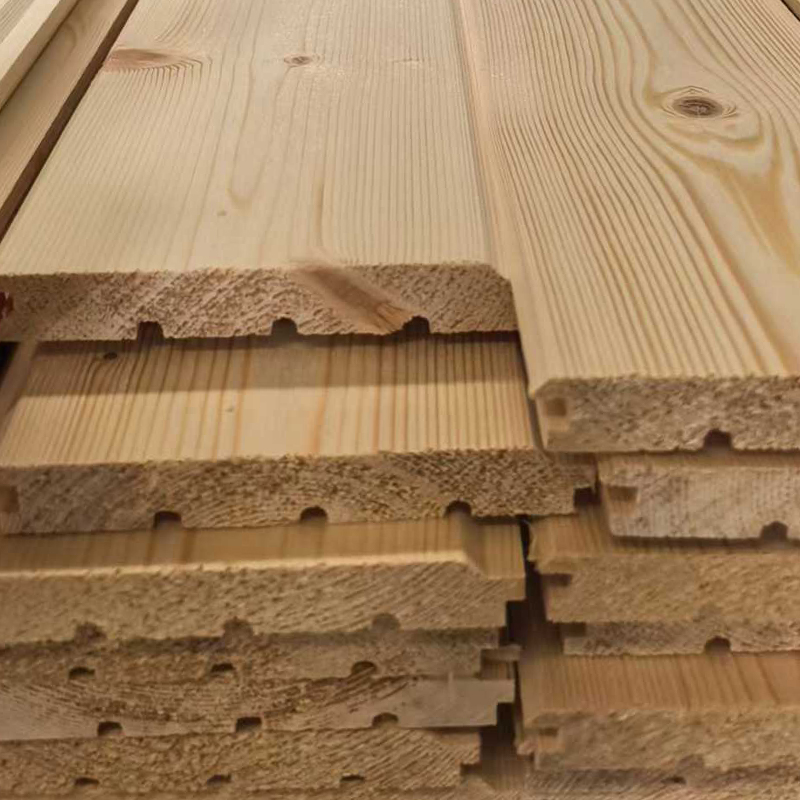
Shiplap cladding boards have a rebated profile on each long edge that allows adjacent boards to overlap with a neat, close joint rather than a simple butt or bevel junction. This profile provides a tighter, more weather-resistant joint than plain-edged boards while maintaining a flat or near-flat face appearance. Rebated shiplap is a popular choice for contemporary residential and commercial facades where a clean, horizontal linear pattern is desired.
Tongue-and-Groove Cladding
Tongue-and-groove cedar boards can be installed either horizontally or vertically and produce a smooth, flush-faced exterior finish with a regular shadow line at each board joint. Vertical tongue-and-groove installations are often used in combination with horizontal courses or contrasting panel materials to add visual interest to a facade. The interlocking joint provides good lateral stability and weather resistance when correctly installed with appropriate back-priming and drainage provision.
Board and Batten
Board-and-batten cladding consists of wide vertical boards fixed to the framing with narrow cover strips (battens) concealing the joints between boards. This profile has a strong vertical emphasis and a traditional agricultural aesthetic that has been widely adopted in contemporary residential architecture. Cedar is a popular choice for board-and-batten applications due to its stability and its ability to silver gracefully if left unfinished.
Cedar Shingles and Shakes
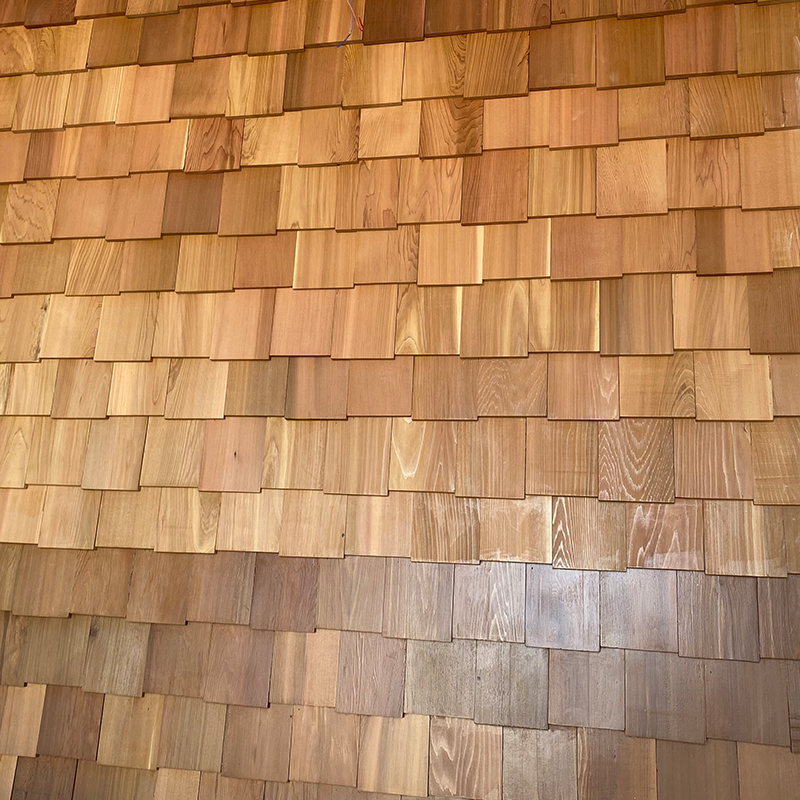
Cedar shingles are sawn to a uniform taper, while shakes are split to produce a rougher, more textured face. Both are installed in overlapping courses, typically on walls as well as roofs. Cedar shingles and shakes produce a distinctive scalloped or textured facade appearance with deep shadow lines that vary with the angle of sunlight. They are commonly used on gable ends, dormer cheeks, and feature wall panels, as well as full facade treatments in vernacular and arts-and-crafts inspired architecture.
Rainscreen Cladding Systems
Cedar boards are frequently used in open-jointed or close-jointed rainscreen cladding systems, where the boards are mounted on a ventilated cavity batten system in front of a waterproof breather membrane. The cavity behind the boards allows any moisture that penetrates the outer cladding layer to drain and evaporate, protecting the structure behind while dramatically extending the life of the cladding itself. Rainscreen mounting also allows the back face of the boards to breathe, reducing the risk of moisture accumulation and differential movement.
Finishing Options for Cedar Exterior Cladding
One of cedar's most valued aesthetic qualities is its versatility across a wide range of finish treatments, from completely natural unfinished installations to opaque painted systems.
Unfinished — Natural Silver-Grey Weathering
Left without any applied finish, cedar undergoes a gradual photochemical process in which ultraviolet radiation breaks down the surface lignin, and repeated wetting and drying cycles leach out the natural extractives and surface cells. Over a period of six months to two years, depending on climate and exposure, the surface colour changes from the original warm reddish-brown through honey-gold to a soft silver-grey patina. This silvered finish is considered highly desirable in many architectural contexts and is particularly associated with coastal, rural, and Scandinavian-inspired design aesthetics.
The silver-grey patina is a surface phenomenon only — the underlying wood remains intact and continues to benefit from cedar's natural durability. However, in environments with high rainfall and limited sunlight, unfinished cedar can develop uneven greying, dark tannin staining, or surface mould that detracts from its appearance. In these conditions, periodic washing or the application of a UV-stabilised clear oil can help maintain a more uniform appearance.
Clear and Translucent Oils and Stains
Clear or lightly pigmented penetrating oils and semi-transparent stains allow the natural colour and grain of the cedar to remain visible while providing UV protection and moisture resistance. These finishes penetrate into the wood surface rather than forming a film, which means they do not peel or flake as they age — they simply fade gradually, making re-application straightforward. Pigmented stains that contain sufficient UV-absorbing pigment offer better long-term colour stability than clear oils alone, which provide limited UV protection.
Penetrating oil finishes typically require re-application every two to four years on exposed elevations, depending on the degree of solar and rainfall exposure.
Opaque Paints and Solid-Colour Stains
Cedar accepts paint well and can be finished in any colour with conventional exterior timber paint systems. Solid-colour stains penetrate the wood surface while providing full opacity, and they are generally recommended over conventional film-forming paints for cedar because they allow greater moisture movement without cracking or peeling. A high-quality primer coat applied to all faces and edges before installation — including the back face and all cut ends — is essential for a durable painted or solid-stained cedar cladding system.
Charred Cedar (Shou Sugi Ban)
The Japanese technique of surface-charring timber — known as Shou Sugi Ban or Yakisugi — has gained significant popularity in contemporary Western architecture when applied to cedar cladding. The charred surface layer is rich in carbon, which is highly resistant to moisture, insects, and UV radiation. Charred cedar cladding has a distinctive deep black or dark grey appearance that weathers to reveal subtle wood texture beneath the carbon layer over time. Properly charred and sealed cedar cladding can achieve service life estimates of 80 years or more in appropriate conditions, with minimal ongoing maintenance.
Installation Best Practices
The long-term performance of cedar exterior cladding depends as much on correct installation as on material quality. Poor installation practice is a leading cause of premature deterioration, regardless of the quality of the cedar used.
Acclimatisation and Moisture Content
Cedar cladding boards should be delivered to site at a moisture content appropriate to the in-service equilibrium moisture content of the installation location — typically 14–18% for exterior cladding in temperate climates. Boards delivered significantly wetter or drier than this target should be acclimatised on site before installation, stacked with spacers to allow air circulation on all faces. Installing boards at the wrong moisture content leads to excessive movement after installation, which can open joints, split boards, or cause fasteners to fail.
Back-Priming and End-Grain Sealing
Applying a coat of primer or end-grain sealer to all faces of the board — including the back face and all sawn ends — before installation is one of the most important steps in ensuring long-term cladding performance. Back-priming slows the rate of moisture uptake through the unexposed face of the board, reducing differential moisture movement between the front and back faces that causes cupping and splitting. End-grain sealing is particularly important because end grain absorbs moisture many times more rapidly than face grain and is the most common point of decay initiation.
Ventilated Cavity and Drainage
Cedar cladding should always be installed over a ventilated cavity that allows air circulation behind the boards and provides a drainage path for any moisture that penetrates behind the cladding. A minimum 25 mm ventilated cavity behind the cladding is widely recommended as good practice. The cavity also provides a thermal break and allows the wall assembly to dry out after rain penetration events, significantly extending the service life of both the cladding and the structure behind it.
Fixings and Fasteners
Cedar contains acidic extractives that cause corrosion of ordinary steel fixings, leading to rust staining on the cladding face and progressive weakening of the fastener. All fixings in contact with cedar cladding should be stainless steel, hot-dip galvanised steel, or silicon bronze — electro-galvanised and zinc-plated fixings are not sufficiently corrosion-resistant for long-term use with cedar. Ring-shank or spiral-shank nails provide better pull-out resistance than smooth-shank nails and are recommended where board movement under thermal and moisture cycling may otherwise work smooth nails loose over time.
Clearance from Ground and Hard Surfaces
Cedar cladding should maintain a minimum clearance of 150–200 mm above finished ground level and above any horizontal surface such as a deck, flat roof, or paving that could retain moisture. Ground contact or sustained wetness at the base of the cladding is one of the most common causes of premature decay, even in naturally durable species.
Detailing at Junctions and Penetrations
Careful detailing at window and door surrounds, eaves, soffits, and service penetrations is essential to prevent water ingress at the points where cladding meets other building elements. Flashing, drip edges, and correctly formed horizontal sills and heads should be incorporated at every junction to direct water away from the wall and prevent it from tracking back behind the cladding.
Maintenance of Cedar Exterior Cladding
Cedar cladding is a relatively low-maintenance exterior material compared to many alternatives, but it is not maintenance-free. A straightforward maintenance programme significantly extends its service life and preserves its appearance.
Routine Inspection
An annual visual inspection of all elevations is the foundation of a cedar cladding maintenance programme. Inspect for:
- Signs of splitting, checking, or cracking in individual boards, particularly around fixing points and at board ends.
- Rust staining from corroding fixings, which indicates that non-stainless or inadequately galvanised fasteners were used and may need replacement.
- Surface mould or dark staining, which can indicate inadequate ventilation behind the cladding or moisture retention on the face.
- Paint or stain failure — peeling, flaking, or chalking — that exposes the bare wood surface to moisture.
- Gaps opening at board junctions due to shrinkage, which may allow water ingress behind the cladding.
Cleaning
Cedar cladding can be cleaned with a mild detergent solution and a soft brush or low-pressure water wash to remove surface dirt, algae, and mould. High-pressure washing should be avoided as it can raise the grain, drive water behind boards, and damage the wood surface. Proprietary timber cleaning products formulated for cedar are available and can help restore the appearance of weathered or stained cladding before re-finishing.
Re-finishing
Penetrating oil and stain finishes should be re-applied when the existing finish has faded to the point where water is no longer beading on the surface, or at intervals recommended by the finish manufacturer — typically every two to four years on exposed south- and west-facing elevations. Surface preparation before re-finishing should include cleaning, light sanding of any raised grain, and checking of all joints and fixings.
Board Replacement
Individual boards that have split, decayed, or been mechanically damaged can be replaced without disturbing the surrounding cladding in most profile types. Maintaining a small stock of matching cedar cladding boards from the original installation is advisable, as colour matching between old and new cedar is difficult until the new boards have had time to weather to a similar tone.
Sustainability and Environmental Credentials
Cedar wood cladding compares favourably with most alternative exterior cladding materials on environmental grounds, provided that it is sourced responsibly.
- Carbon storage: Timber cladding sequesters the carbon absorbed by the tree during its growth, storing it for the duration of the building's life. Cedar cladding on a building facade represents a meaningful carbon store compared to the embodied carbon of manufactured alternatives such as fibre cement, aluminium, or PVCu cladding.
- Embodied energy: The energy required to produce and process cedar cladding is substantially lower than that of manufactured cladding products. Sawing, drying, and machining timber requires far less energy than manufacturing fibre cement panels or aluminium extrusions.
- Responsible sourcing: Cedar cladding should be specified from suppliers holding credible chain-of-custody certification, such as FSC (Forest Stewardship Council) or PEFC (Programme for the Endorsement of Forest Certification). Certified timber ensures that the forest of origin is managed to defined sustainability standards covering biodiversity, community rights, and long-term forest productivity.
- End-of-life disposal: At the end of its service life, cedar cladding can be composted, used as biomass fuel, or in some cases reclaimed for secondary use. It does not produce persistent microplastics or toxic leachates in the way that some synthetic cladding materials do.
Cedar Cladding Compared to Alternative Exterior Cladding Materials
Understanding how cedar cladding compares to the most common alternative materials helps clarify where it represents the most appropriate choice and where other materials may be better suited.
| Material |
Durability |
Maintenance |
Appearance |
Sustainability |
Relative Cost |
| Western Red Cedar |
Good (natural heartwood) |
Low–Medium |
Warm, natural, versatile |
High (if certified) |
Medium–High |
| Fibre Cement |
Very Good |
Low |
Simulated wood or smooth |
Medium |
Medium |
| Larch (Siberian/European) |
Good |
Low–Medium |
Warm, pronounced grain |
High (if certified) |
Medium |
| Thermally Modified Timber |
Good–Very Good |
Low–Medium |
Uniform brown/grey tone |
High |
Medium–High |
| Aluminium Composite |
Excellent |
Very Low |
Contemporary, flat |
Low–Medium |
High |
| PVCu / Vinyl |
Good |
Very Low |
Limited, plastic |
Low |
Low–Medium |
| Brick / Render |
Excellent |
Very Low–Low |
Traditional, varied |
Medium |
Medium–High |
Cedar's combination of natural durability, design versatility, sustainability credentials, and warm visual character positions it as a strong choice where natural material aesthetics and environmental performance are priorities. It requires more active maintenance than fibre cement or aluminium cladding but delivers a visual quality and tactile character that manufactured alternatives cannot replicate.
Common Causes of Cedar Cladding Deterioration and How to Avoid Them
Most premature deterioration of cedar exterior cladding is preventable through correct specification, installation, and maintenance. The following are the most frequently encountered causes of early-life problems:
- Sapwood inclusion: Cladding boards containing significant sapwood lack the natural extractives that give cedar heartwood its durability. Always specify heartwood-grade or select-grade cedar where the distinction matters for durability performance.
- Incorrect moisture content at installation: Boards installed too wet will shrink excessively after fixing, opening joints and placing stress on fixings. Boards installed too dry in a wet climate will expand and cup. Acclimatise boards to the site conditions before installation.
- Lack of back-priming: Omitting back-priming or end-grain sealing allows differential moisture uptake that causes cupping and splitting. This single step has a disproportionate impact on long-term board stability and finish performance.
- Corrosive fixings: Standard steel nails and screws corrode rapidly in contact with cedar's acidic extractives, causing rust staining and fastener failure within a few years. Use only stainless steel, hot-dip galvanised, or silicon bronze fixings throughout.
- Inadequate ventilation behind cladding: Without a ventilated cavity, moisture trapped behind the cladding cannot escape, creating conditions that promote decay even in naturally durable timber. A minimum 25 mm ventilated cavity is a fundamental installation requirement.
- Ground contact or low clearance: Cedar boards in contact with soil, standing water, or hard surfaces at ground level are subject to sustained wetting that overwhelms even heartwood's natural resistance. Maintain adequate clearance above all horizontal surfaces.
- Deferred maintenance: Allowing a clear or stained finish to fail without re-application exposes the wood surface to direct UV and moisture cycling, accelerating surface weathering and potentially allowing moisture ingress to joint areas. Address finish maintenance on the schedule recommended by the finish supplier.

 English
 한국어
한국어 Español