When you search for the best material for outdoor signs, you will find recommendations ranging from aluminum and acrylic to vinyl and wood. Having spent years working with engineered wood products at Nantong Wellhouse Architectural Technology Co., Ltd., I have seen how natural materials can outperform synthetic ones in real-world conditions if chosen wisely. This guide will walk you through the most common outdoor sign materials, compare their strengths and weaknesses, and explain why wood—especially modern pressure-treated and engineered wood—deserves a spot near the top of your list.
What Makes a Great Outdoor Sign Material?
An outdoor sign lives a tough life. It must endure direct sunlight, rain, snow, temperature swings, and sometimes physical impact. The ideal material should be:
- Weather-resistant: It should not rot, rust, warp, or fade quickly.
- Durable: It must hold its shape and finish for years with minimal maintenance.
- Workable: You should be able to cut, drill, shape, and attach lettering or graphics easily.
- Aesthetic: The material should complement your brand or landscape, not clash with it.
- Cost-effective: Initial price plus long-term upkeep must fit your budget.
With these criteria in mind, let us compare the contenders.
Comparing Common Outdoor Sign Materials
Key differences among popular outdoor sign materials
| Material |
Weather Resistance |
Durability |
Workability |
Aesthetic Appeal |
Relative Cost |
| Aluminum |
Excellent – rust-proof |
10–15 years |
Good |
Modern, sleek |
Medium–High |
| Stainless Steel |
Excellent – corrosion resistant |
15+ years |
Moderate (needs special tools) |
Premium, industrial |
High |
| Acrylic (Plexiglass) |
Good – UV can cause yellowing |
5–10 years |
Good |
Glossy, translucent |
Medium |
| PVC Board (Sintra) |
Good – but may warp in heat |
3–8 years |
Excellent |
Matte, lightweight |
Low–Medium |
| Vinyl Banner |
Fair – fades and tears over time |
1–3 years |
Excellent |
Vibrant prints, temporary feel |
Low |
| Pressure-Treated Wood |
Excellent – rot and insect resistant |
10–20 years |
Good |
Natural, warm, customizable |
Medium |
| Engineered Wood Cladding |
Excellent – dimensionally stable |
15–25 years |
Good |
Smooth, uniform, paintable |
Medium–High |
As you can see, wood materials score highly in both longevity and aesthetics. The key is to choose the right wood product for your specific outdoor conditions.
Why Wood Stands Out for Outdoor Signage
Natural wood has been used for signs for centuries, but modern engineered wood products eliminate many of the old drawbacks. At our facilities, we produce pressure-treated wood that is infused with preservatives under high pressure, making it highly resistant to moisture, fungal decay, and termites. This treatment allows wood to last just as long as aluminum in many climates, while offering a warmth and character that metal cannot match.
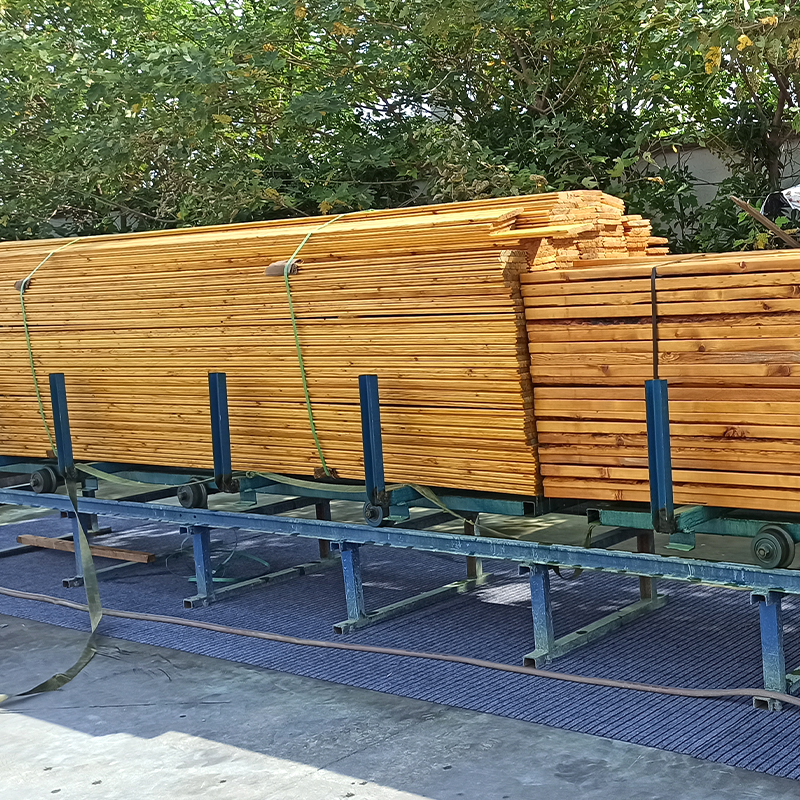 Pine Pressure Treated Wood for Durable Natural SignsEngineered to resist moisture, decay, and termites, this material offers the warmth of wood with the longevity of treated lumber—ideal for wayfinding signs, entrance monuments, and coastal installations where other materials fail.View Product →
Our pine pressure-treated wood, for example, is a favorite among sign fabricators who want a natural look without sacrificing durability. It can be painted, stained, or left to weather to a silver-gray patina. Unlike PVC, it does not become brittle in cold weather, and unlike acrylic, it will not yellow under the sun. We have supplied this material for wayfinding signs in parks, entrance monuments for residential communities, and interpretive panels in coastal areas where salt spray challenges other materials.
How to Maximize Wood Sign Lifespan
Even the best wood needs proper care. Here are a few tips we share with our clients:
- Use exterior-grade fasteners (stainless steel or coated) to avoid rust stains.
- Apply a high-quality UV-blocking finish if you want to preserve the original color.
- Elevate the sign slightly off the ground to reduce moisture contact.
- For carved or routed signs, ensure edges are sealed to prevent moisture ingress.
Engineered Wood Cladding as a Sign Material
Another excellent option is exterior wood wall cladding in the form of solid wood panels. These are typically milled from kiln-dried lumber with tongue-and-groove or shiplap edges, creating a stable, flat surface ideal for large-format signs. We manufacture exterior wood wall cladding from species like spruce and pine, which offer excellent dimensional stability when properly acclimated.
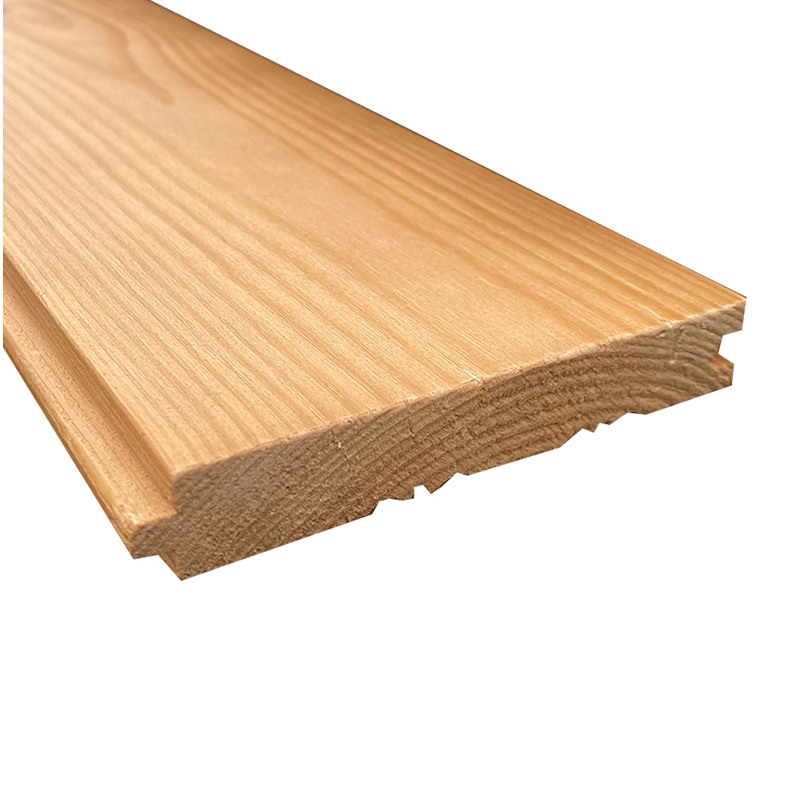 Pine Exterior Wood Wall Cladding for Smooth Sign SurfacesUniform thickness and a stable, flat face make pine wall cladding easy to paint or apply graphics, providing an organic texture that synthetic materials cannot match for large outdoor signs in hotels, parks, and golf courses.View Product →
What sets engineered wood cladding apart is its uniform thickness and smooth surface, which makes painting or applying vinyl graphics much easier than with rough-sawn lumber. Moreover, because the wood is sourced and processed under controlled conditions, you avoid the warping and splitting that can occur with untreated boards. Many of our customers have used these panels for large outdoor signs in hotel entrances, golf course markers, and public park directories. The natural grain provides an organic texture that synthetic materials simply cannot replicate.
Best Material for Outdoor Signs: Our Verdict
After comparing all the options, I believe that engineered wood is one of the best materials for outdoor signs when you value longevity, environmental friendliness, and aesthetic warmth. Aluminum is excellent for a modern, low-maintenance sign, but if you want your sign to feel like a permanent part of the landscape rather than a manufactured product, wood is the way to go. Pressure-treated pine and exterior wood cladding from a trusted supplier like ours combine the natural beauty of wood with engineered reliability.
Of course, the best material for your project depends on your specific needs. If you are placing a temporary event sign, a vinyl banner or Coroplast might be more practical. But for a sign that you want to last a decade or more and become a landmark, give wood a serious look. Our team at Wellhouse has been working with wood for over a decade, and we are always happy to help you choose the right product and finish for your climate and design. Visit our contact page to start a conversation about your next outdoor sign project.

 English
 한국어
한국어 Español