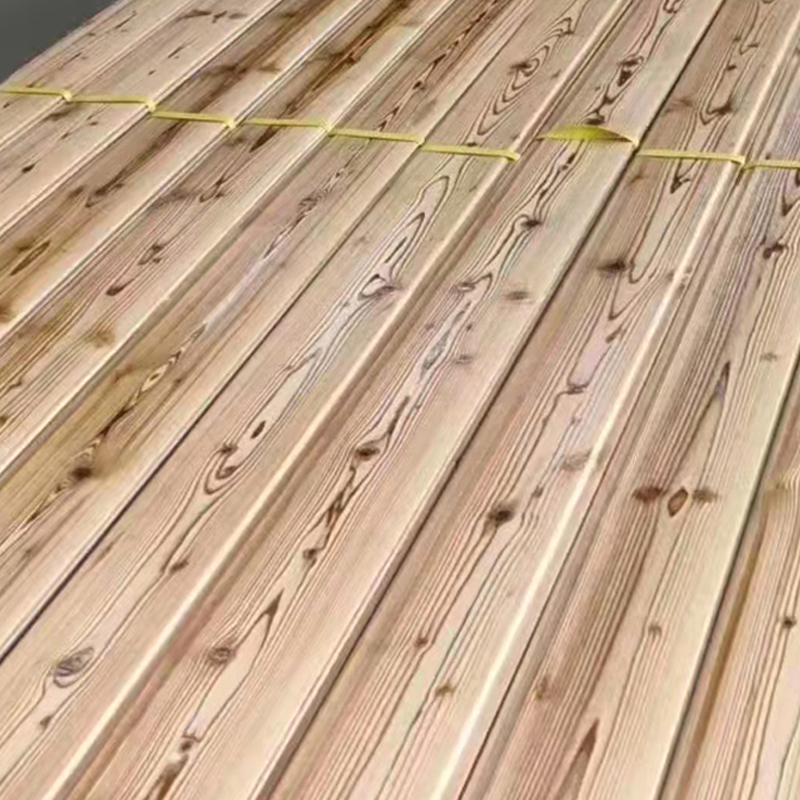
Mould is a type of fungus that thrives in moist, poorly ventilated environments. When timber is exposed to elevated humidity levels — typically above 20% moisture content in the wood itself — spores present naturally in the air begin to colonise the surface. Mould on timber appears in a variety of colours, including black, green, grey, white, and orange, depending on the species of fungus involved.
Unlike wood rot, which structurally degrades timber from within, mould primarily colonises the surface. However, its presence is a reliable indicator that conditions are ripe for deeper fungal damage if left untreated. Surface mould can also penetrate into the grain of softwoods over time, making eradication more difficult.
Common Causes of Mould Growth on Wood
Mould does not appear randomly — it is always the result of specific environmental conditions. Identifying the root cause is essential for any long-term solution.
Environmental Triggers
- Persistent humidity above 65–70% RH
- Poor ventilation in enclosed spaces
- Water ingress through roofs or walls
- Condensation on cold timber surfaces
- Flooding or prolonged water contact
Construction & Material Factors
- Use of insufficiently dried (green) timber
- Lack of a damp-proof membrane
- Timber in direct ground contact
- Inadequate spacing for air circulation
- Untreated or unfinished wood surfaces
In residential buildings, common hotspots include roof timbers, floor joists, wall framing in bathrooms and kitchens, and timber cladding on the exterior. In furniture and joinery, mould often appears on the back panels of wardrobes placed against external walls, where condensation regularly forms.
Identifying Mould on Timber: Signs and Symptoms
Early identification is key to minimising damage. Mould on timber typically presents with a range of visible and olfactory cues:
- Discolouration: Patches of black, green, grey, or white on the wood surface, often with a powdery or fuzzy texture.
- Musty odour: A distinctive earthy, musty smell — often the first sign before visual evidence is apparent.
- Surface staining: Unlike water stains, mould stains often have irregular, spreading margins and may appear in clusters.
- Softening or greyish tinge: Early-stage mould can cause a slight greying of the wood, sometimes mistaken for weathering.
- Allergic reactions in occupants: Increased respiratory symptoms, sneezing, or eye irritation may indicate hidden mould growth.
Certain mould species, such as Stachybotrys chartarum (black mould), produce mycotoxins that pose serious health risks. If you suspect extensive or toxic mould growth, consult a professional remediation specialist before attempting removal.
The Difference Between Mould, Mildew, and Wood Rot
These three timber conditions are often confused, but they differ in nature, severity, and treatment.
Mould is a surface fungus that grows in damp conditions. It is typically non-structural but can penetrate grain over time. It is identifiable by its fuzzy, coloured appearance.
Mildew is a specific type of mould, usually white or grey, that tends to grow in flat patches on surfaces. It is generally less aggressive than other mould species and is more commonly associated with fabric and organic materials.
Wood rot — either wet rot or dry rot — is caused by different fungal species that break down the cellulose or lignin within the timber itself. This results in structural compromise: the wood becomes soft, crumbly, or spongy. Dry rot (Serpula lacrymans) is particularly destructive and can spread through masonry to unaffected timber. Rot requires more invasive remediation than surface mould.
How to Remove Mould from Timber
Effective mould removal depends on the extent of the growth, the type of timber, and whether the wood is structural or decorative. For surface mould on accessible timber, the following approach is generally recommended:
- Address the moisture source first. Cleaning mould without eliminating the cause will result in rapid re-growth. Fix leaks, improve ventilation, or install a dehumidifier as appropriate.
- Protect yourself. Wear an N95 or FFP2 respirator, disposable gloves, and eye protection before working with mouldy timber.
- Dry-brush loose growth. Using a stiff-bristled brush, gently remove any loose mould from the surface. Do this outdoors if possible, or with adequate ventilation, to avoid spreading spores indoors.
- Apply a biocidal solution. Use a purpose-made fungicidal timber wash, or a solution of one part white vinegar to one part water. Bleach-based solutions (sodium hypochlorite diluted to 1–3%) are effective on non-porous surfaces but may bleach the wood and should be used with caution on finished timber.
- Scrub and wipe down. Work the solution into the wood surface with a scrubbing brush, then wipe away residue with a clean cloth. Allow the timber to dry thoroughly.
- Sand if necessary. For mould that has penetrated the surface grain, light sanding with 80–120 grit sandpaper may be required. Always sand in the direction of the grain.
- Apply a preservative or sealant. Once clean and dry, treat the timber with a fungicidal primer, wood preservative, or penetrating oil to discourage future growth.
For structural timbers showing mould in roof voids or subfloors, consider engaging a qualified timber treatment surveyor. Specialist boron-based preservative treatments can be applied as pastes, rods, or injected solutions for deep-seated protection.
Preventing Mould on Timber: Long-Term Strategies
Prevention is always more cost-effective than remediation. A multi-layered approach targeting moisture control, material selection, and regular maintenance is the most reliable defence against mould on timber.
Moisture Management
Maintain indoor relative humidity between 40% and 60% using mechanical ventilation (MVHR systems or extractor fans) and dehumidifiers where necessary. Ensure all roofs, walls, and floors are adequately waterproofed, and that gutters and downpipes are kept clear to prevent water from tracking into the building fabric.
Material Specification
Always specify kiln-dried or air-dried timber with a moisture content appropriate for its end use — typically below 18% for external applications and below 12% for internal use. Specify preservative-treated timber for any application where the wood will be in ground contact, near water, or in poorly ventilated areas. Pressure-impregnated treatments using copper-based compounds (e.g., CCA or ACQ) provide robust long-term protection.
Design and Detailing
Good architectural detailing significantly reduces mould risk. Ensure adequate overhangs to protect timber from driving rain, design in ventilated cavities behind cladding, and avoid timber-to-ground contact wherever possible. In subfloor spaces, ensure cross-ventilation is provided at a rate of at least 1,500 mm² per metre run of external wall.
Routine Maintenance
Inspect exposed and vulnerable timber at least annually. Reapply exterior wood finishes (oils, stains, or paints) as needed to maintain a protective barrier. Check gutters and flashings after storms, and address any condensation or staining inside the building promptly.
When to Call a Professional
While minor surface mould on timber can often be addressed as a DIY project, professional intervention is advisable in the following circumstances:
- The affected area exceeds one square metre, or mould has penetrated deep into the wood grain.
- Structural timbers — joists, rafters, bearers, or wall framing — are involved.
- Mould recurs shortly after cleaning, suggesting a persistent, unresolved moisture source.
- There is any possibility of dry rot, which requires specialist diagnosis and treatment.
- Occupants are experiencing health symptoms potentially linked to mould exposure.
- The property is listed, heritage-classified, or has specialist timber finishes requiring careful treatment.
A qualified timber preservation specialist or a RICS-accredited surveyor can assess the extent of the problem, identify contributing factors, and recommend a treatment programme backed by warranty.
Mould on External Timber Cladding and Decking
External timber surfaces are particularly vulnerable to mould growth due to their direct exposure to rain, humidity, and organic debris such as leaf litter. Decking boards, garden furniture, fences, and timber cladding all require specific attention.
For decking, regular cleaning with a deck cleaner or diluted fungicidal wash, followed by annual re-oiling or re-staining, is the most effective maintenance regime. Ensure boards are laid with adequate gaps (at least 5–8 mm) to allow water to drain and air to circulate. Avoid placing plant pots or furniture in fixed positions that trap moisture against the wood.
Timber cladding benefits greatly from a ventilated cavity behind it, which allows any moisture that penetrates the outer face to dry out rapidly. Flush-fixed cladding without a cavity is significantly more prone to mould and rot. Where re-cladding is not practical, a high-quality microporous paint or stain system that allows moisture vapour to escape while repelling liquid water is essential.
Environmental and Sustainability Considerations
Managing mould on timber responsibly also involves considering the environmental impact of the treatments used. Many traditional fungicidal products contain compounds that can be harmful to soil organisms, waterways, and non-target species. Where possible, opt for water-based, low-VOC treatments that carry environmental certifications such as the BBA (British Board of Agrément) or equivalent national standards.
From a circular economy perspective, repairing and treating mouldy timber is nearly always preferable to replacement, both in terms of embodied carbon and resource use. A piece of old-growth structural timber, even if requiring treatment, has far greater structural and environmental value than a replacement section of modern plantation timber.
Sustainably sourced timber — certified by FSC (Forest Stewardship Council) or PEFC (Programme for the Endorsement of Forest Certification) — is often more consistent in quality and moisture content, reducing susceptibility to mould growth over time.
Mould on timber is a common but manageable problem when addressed with the right knowledge and tools. At its core, it is always a moisture problem — and solving the moisture problem is the only reliable path to a lasting solution. Whether you are dealing with a patch of mould on a garden fence or investigating discolouration in a roof void, the principles remain the same: remove the source of dampness, treat the affected timber, and protect it from future exposure.
With proactive maintenance, appropriate material specification, and a basic understanding of fungal behaviour, timber structures can remain sound, dry, and mould-free for generations. Wooden buildings and elements, properly cared for, are among the most durable and beautiful materials in the built environment — and mould need not cut that life short.





 English
 한국어
한국어 Español