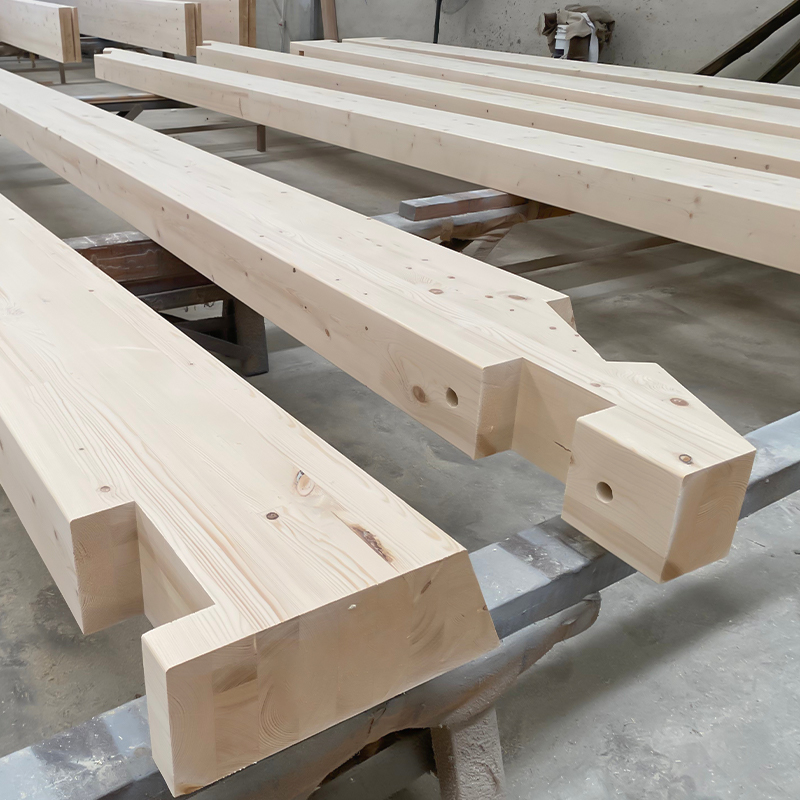
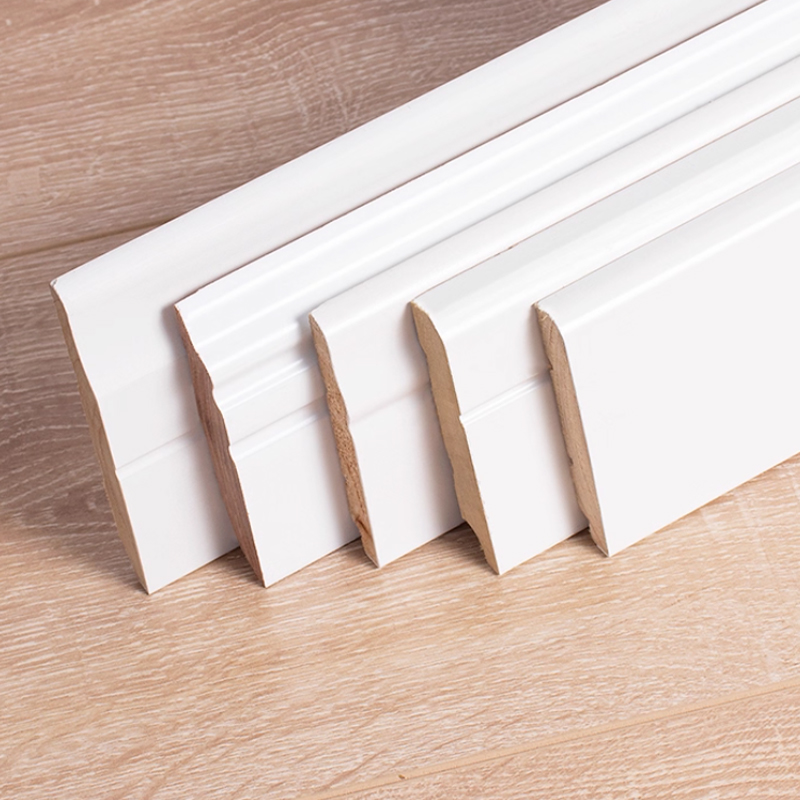
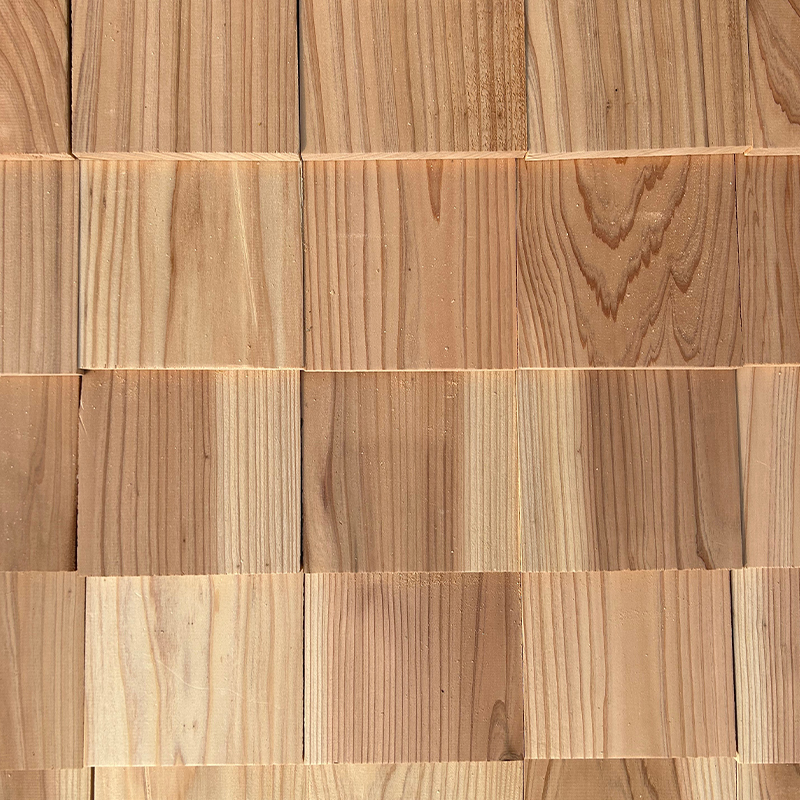
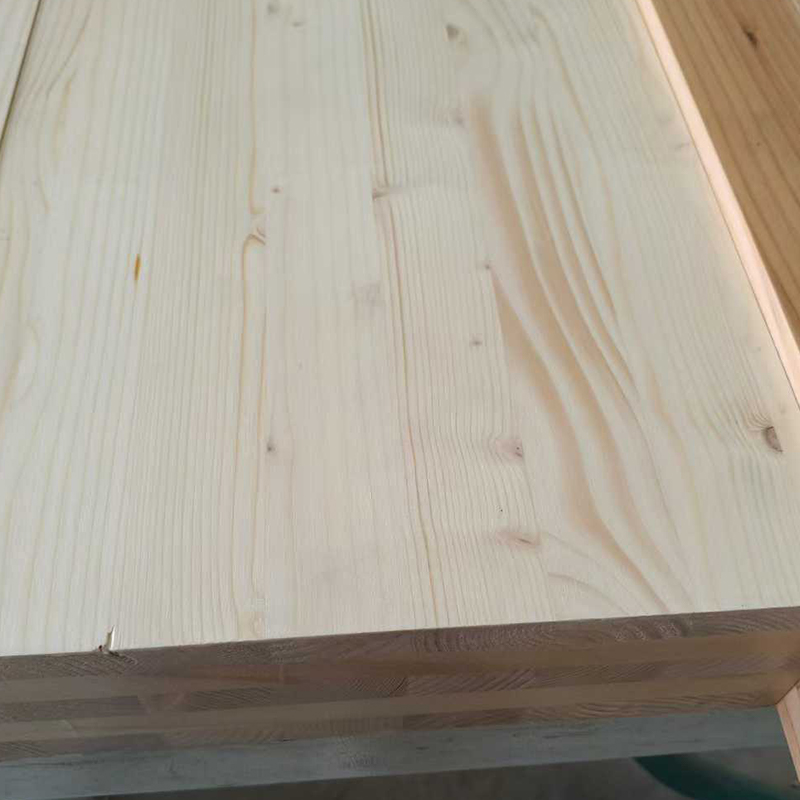
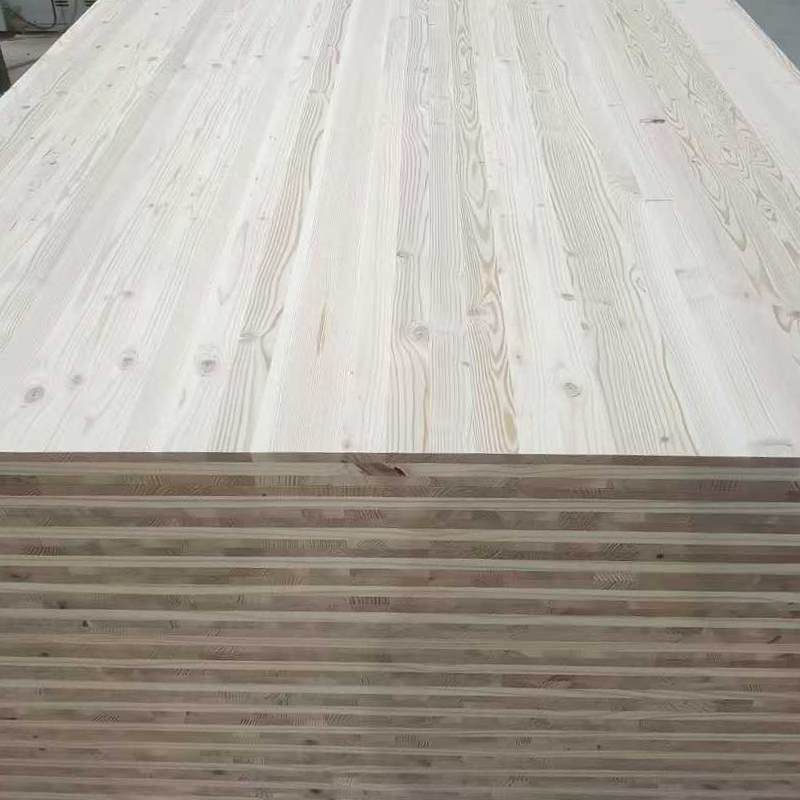
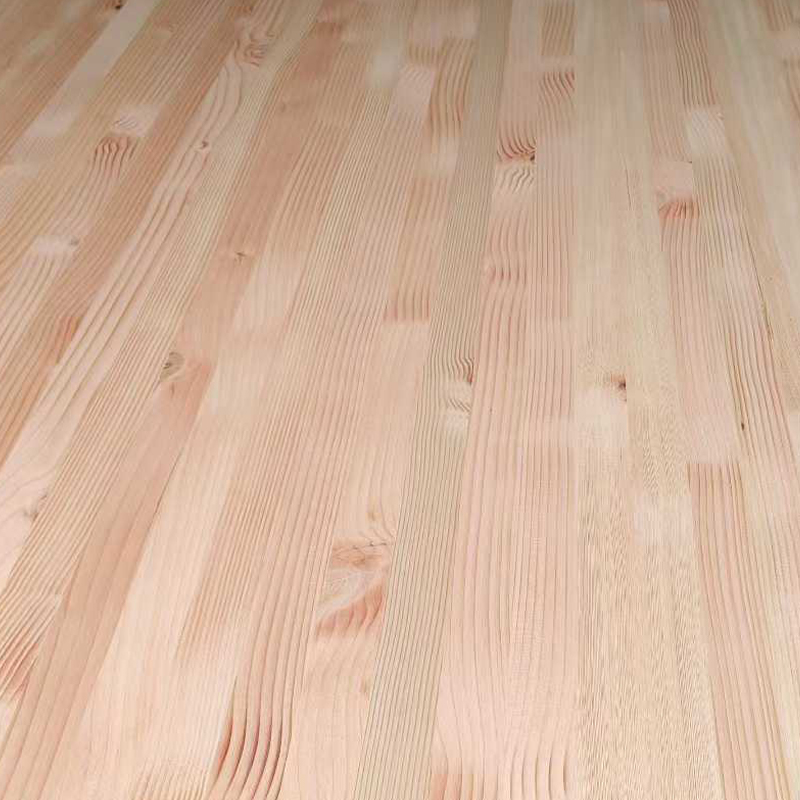
The term timber lined describes an interior — or occasionally exterior — surface treatment in which wood forms a continuous cladding layer across walls, ceilings, or both. It is distinct from structural timber framing: where a timber-framed building uses wood to bear loads, a timber lined space uses wood as a deliberate skin — a layer of material consciousness applied over whatever structural system lies beneath.
The distinction matters because it reveals intent. A timber lined interior is a chosen sensory environment, not an incidental structural outcome. The architect or designer has decided that the occupants will live, work, or move through a space wrapped entirely in the grain, colour, and scent of wood. That decision carries implications for acoustics, thermal comfort, air quality, maintenance, and the long-term emotional experience of the building — all of which deserve careful examination.
Timber lining appears across an enormous range of scales and typologies: residential bedrooms and hallways, Scandinavian sauna interiors, mountain chalets, Japanese tearooms, concert halls, airport departure lounges, boutique hotels, and contemporary art galleries. Each context draws on different properties of wood, but all share the same fundamental premise — that enclosing a human being in timber creates a qualitatively different experience from enclosing them in plaster, concrete, or glass.
A Brief History of Wood-Lined Interiors
The impulse to line interior surfaces with timber is prehistoric. Long before decorative intent entered the picture, split logs and rough-hewn boards were fixed to the inner faces of earthen walls to repel moisture and draught. Function preceded beauty, as it almost always does.
By the medieval period, timber lining had become a marker of status. The great hall of an English manor or a Flemish guildhall was panelled in oak — deep, dark, and resonant — the wood stained further by centuries of candle smoke and open fire. Wainscoting, the practice of lining the lower portion of interior walls with raised-panel timber, evolved into one of the most codified decorative systems in Western architecture, its proportions governed by classical rules and its craftsmanship a direct expression of household wealth.
In Japan, a parallel but philosophically distinct tradition developed in parallel. The sukiya style of tea architecture, refined through the 16th and 17th centuries, used unfinished cedar (sugi) and hinoki cypress as primary interior materials — not to project wealth, but to cultivate restraint. Knots, grain irregularities, and natural colour variation were embraced rather than concealed. The wabi aesthetic turned imperfection into intention, and the timber lined teahouse became a spiritual technology as much as a building type.
The industrial era democratised timber cladding through mass-produced tongue-and-groove boards, but also cheapened it. The postwar decades saw wood panelling become synonymous with dated suburban interiors — a reputation it carried well into the 1980s. Recovery came from Scandinavia. The Nordic modern movement, led by designers and architects who refused to abandon their relationship with local forest materials, rehabilitated timber lining as a vehicle for honesty, simplicity, and craft. By the early 2000s, timber lined interiors had re-entered high design as a statement of thoughtful materialism rather than rustic nostalgia.
A critical distinction: Timber lining should not be confused with wood-effect vinyl, laminate, or printed composite panels. The measurable acoustic, thermal, and air-quality benefits of genuine timber lining depend entirely on the biological structure of real wood — its open-cell porosity, natural resin content, and hygroscopic fibre. Synthetic imitations deliver none of these properties, only the visual suggestion of them.
The Science of Why Timber Lined Spaces Feel Different
The intuitive sense of comfort that most people report in timber lined interiors is not imaginary, nor is it merely cultural conditioning. Several measurable physical phenomena contribute to a genuinely different physiological experience.
Biophilia and Stress Response
The biophilia hypothesis, developed by biologist E.O. Wilson, proposes that humans carry an evolutionarily embedded affinity for natural materials and living systems. Empirical research published in the International Journal of Environmental Research and Public Health has found that exposure to wood surfaces measurably reduces sympathetic nervous system activity — the physiological signature of stress — compared to equivalent spaces lined with painted concrete or gypsum board. Heart rate and skin conductance both decrease in the presence of real timber. The mechanism appears to involve the fractal visual complexity of wood grain, which occupies a frequency range that human visual processing handles without cognitive effort, triggering a mild relaxation response.
Acoustic Performance
Timber lined surfaces contribute meaningfully to room acoustics through two complementary mechanisms. First, the fibrous cellular structure of wood absorbs mid-to-high frequency sound energy, reducing flutter echo and reverberation time — the qualities that make hard-surfaced rooms feel harsh and fatiguing. Second, the stiffness and mass of timber panels allow controlled resonance at lower frequencies, producing the characteristic warmth that makes timber lined concert halls and recording studios preferred over their concrete equivalents. This is not merely aesthetic preference: controlled studies consistently show higher listener comfort and speech intelligibility scores in timber lined acoustic environments.
Hygroscopic Regulation
Wood is hygroscopic: it absorbs moisture from humid air and releases it when the air dries, acting as a passive buffer that moderates indoor relative humidity. A fully timber lined room — walls and ceiling — can shift ambient relative humidity by several percentage points over the course of a day without any mechanical intervention. The human comfort zone for relative humidity sits between approximately 40% and 60%; above 60%, mould risk and respiratory discomfort increase, while below 40%, mucous membranes dry out and static electricity accumulates. Timber lined spaces naturally tend toward the centre of this range in moderate climates.
Thermal Comfort
The thermal conductivity of timber is roughly eight times lower than that of concrete and twenty times lower than steel. This means that a timber lined wall surface remains close to ambient air temperature rather than drawing heat away from a hand that touches it — the phenomenon responsible for concrete and stone feeling """"cold"""" even when they are technically at room temperature. In practical terms, occupants of timber lined rooms report higher thermal comfort at lower air temperatures, which can translate directly into reduced heating energy consumption.
Timber Lined in Contemporary Architecture
The past two decades have seen timber lining undergo a design renaissance that goes well beyond the revival of traditional panelling. Advances in engineered timber products, digital fabrication, and material science have opened a new vocabulary of forms that were previously impossible or prohibitively expensive.
Wood is the only material that gets more beautiful as it ages. Its weathering is not decay — it is maturation.
— Kengo Kuma, Architect
Large-Scale Public Spaces
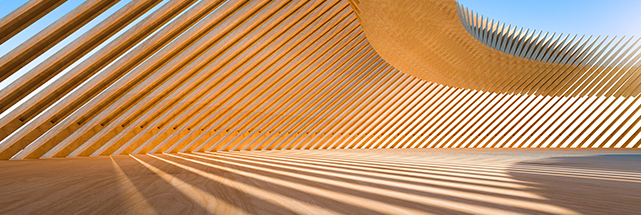
The maturation of cross-laminated timber (CLT) and glued-laminated timber (glulam) technologies has enabled timber lining at civic scales previously reserved for concrete and steel. Oslo's Gardermoen Airport — continuously expanded since its 1998 opening — uses Norwegian spruce lattice cladding throughout its departure halls, creating an unusual moment of calm in what is by definition a high-stress typology. The Brock Commons student residence in Vancouver deployed CLT panels as structural floor plates and simultaneously as visible ceiling surfaces for the floor below, making the lining structural — a logical integration that reduces both material use and construction waste.
Residential Precision
At residential scale, the contemporary approach to timber lining tends toward restraint and exactness rather than abundance. Japanese studio SUPPOSE DESIGN OFFICE routinely installs cedar lining at 45 degrees to room axes, so that raking natural light creates a dynamic shadow play across what is technically a flat surface — the material becomes kinetic without any moving parts. Elsewhere, the single timber wall strategy has gained traction: one raw-finish pine or oak surface in an otherwise white room, positioned as a visual anchor that carries all the warmth of a fully lined interior without its psychological weight.
Parametric and CNC-Cut Lining
Computer-controlled fabrication has made it possible to treat timber lined surfaces as three-dimensional acoustic and visual instruments. Panels can be cut to diffusion profiles derived from mathematical sequences — the Schroeder diffuser, for example — that scatter sound precisely while creating a surface of striking geometric depth. Others use contour-map carving, weave patterns derived from textile structures, or algorithmically generated grain-like figures that are impossible to distinguish from natural wood at a distance but reveal their computational origin on close inspection. These surfaces sit at the intersection of craft and code, and represent perhaps the most genuinely new development in timber lining's long history.
Charred and Modified Timber
The Japanese technique of shou sugi ban — surface-charring timber to create a carbon-rich protective layer — has been widely adopted in contemporary Western practice as an alternative surface treatment for timber lined interiors. The charred surface dramatically changes the material's colour (deep black to silver-grey as the burn depth varies), suppresses the wood's natural tendency to off-gas, and significantly improves fire resistance. Modified timber — wood that has been heat-treated to 160–220°C in a closed chamber, permanently reducing its hygroscopicity and biological vulnerability — offers similar durability gains with a subtler, honey-brown colour shift that reads as natural aging rather than transformation.
Comparing Timber Lining Systems
Different installation systems suit different project priorities. The table below summarises the most common approaches.
SystemMovement ToleranceAcoustic PerformanceMaintenance AccessTongue-and-groove boardsGood — board edges interlock and slideModerate — depends on cavity depthLow — boards must be removed sequentiallySecret-nailed planksGood — nails allow lateral movementModerate to goodLow — difficult to remove without damageClip-fixed battensExcellent — clips accommodate full seasonal movementGood — ventilated cavity adds absorptionHigh — individual boards removable without toolsAdhesive-fixed panelsPoor — rigid bond resists seasonal movementLow — no cavityVery low — panels typically destroyed on removalFloating panel systemsExcellentExcellent — engineered cavity and absorption layerHigh — panels lift free from substrate
Installation and Maintenance Essentials
The long-term performance of any timber lined interior depends on decisions made before the first board is fixed. Shortcuts taken at installation stage tend to manifest as aesthetic and structural problems five to ten years later.
- Moisture content acclimatisation: Timber delivered to site must acclimatise in the destination room for a minimum of seven to fourteen days before installation. Target moisture content should match the equilibrium moisture content (EMC) of the space — typically 8–12% for heated interiors in temperate climates. Boards installed too wet will shrink and gap; boards installed too dry will swell and buckle.
- Movement gaps: Every fixed board requires expansion clearance at ends and edges. Rule of thumb: allow 1.5–2mm per metre of board length in the direction of grain. Concealed expansion is preferable to visible gaps — design reveals or shadow gaps into the junction details before installation begins.
- Ventilated cavities near external walls: Timber lining applied to external walls must incorporate a ventilated service cavity to prevent interstitial condensation. A 25–40mm batten-created void, with clear air paths at top and bottom, prevents the moisture accumulation that causes delamination and biological growth behind panels.
- Surface finish selection: Hardwax oil penetrates and protects from within, preserving natural tactility and allowing the wood to breathe. UV-cured lacquer offers superior abrasion resistance for high-traffic surfaces but seals the wood completely. Unfinished or fumed surfaces should be sealed with at minimum a single coat of diluted oil to stabilise early UV-driven colour change.
- Ongoing care: Dust with a dry or very lightly damp cloth; avoid wet mopping. Re-apply penetrating oil every three to five years in normal use, more frequently in sun-exposed areas. Spot-repair scratches with matching wax filler; deeper damage can often be addressed by sanding and refinishing individual boards without disturbing neighbours.
- Humidity management in service: In centrally heated spaces, run a humidifier during winter months to maintain relative humidity above 40%. Prolonged exposure to very dry air (below 30% RH) causes excessive shrinkage and surface checking, particularly in wide-board formats and species with high movement ratings.
Sustainability and Carbon Sequestration
In the context of climate-conscious construction, timber lining carries a set of environmental credentials that no other cladding material can match. Trees sequester atmospheric carbon dioxide throughout their growing life, locking it into woody biomass as stable cellulose and lignin. When that wood is harvested and manufactured into building products, the carbon remains sequestered for the service life of the material — potentially a century or more in a well-maintained interior application.
The carbon accounting for a typical cubic metre of structural-grade timber shows a net carbon benefit even after accounting for harvesting, processing, and transport: wood stores approximately 0.9 tonnes of CO₂ per cubic metre, while its production energy is a fraction of that required to manufacture an equivalent volume of concrete or steel. A medium-sized home with extensive timber lined interiors — walls, ceilings, and built-in joinery — may sequester several tonnes of carbon over its lifetime, making the building itself a climate asset rather than purely a liability.
These benefits are contingent on responsible sourcing. Timber from FSC-certified or PEFC-certified forests is harvested under management plans that mandate replanting and ecological monitoring, ensuring that the carbon absorbed by new growth offsets the carbon released when mature trees are felled. Locally sourced species further reduce transport-related emissions and tend to support regional forestry economies and traditional sawmilling skills that would otherwise diminish.
<div class="""" highlight-box="""">
Sourcing checklist: When specifying timber lining, request documentary evidence of chain-of-custody certification (FSC or PEFC), confirmation of country and region of origin, species identification verified by a qualified supplier, and — for premium hardwood species — an assurance that no CITES-listed timber is present in the supply chain. Reputable merchants provide all of this as standard.
Design Guidance: Making the Most of Timber Lining
Whether retrofitting a single room or specifying an entire building interior, a handful of well-established principles consistently improve outcomes in timber lined spaces.
Commit to a Board Direction
The orientation of lining boards is one of the most powerful compositional tools in the designer's kit. Horizontal boards extend the apparent width of a space and create a grounded, restful quality — appropriate for bedrooms and living rooms. Vertical boards draw the eye upward and make low ceilings feel taller — effective in hallways and compact rooms. Diagonal or chevron installation introduces dynamism and movement; use it as an accent on a single feature wall rather than across an entire room, or the visual energy becomes exhausting.
Consider the Ceiling as a Fifth Wall
Ceiling lining is consistently underused relative to wall lining, yet it delivers disproportionate impact. A timber lined ceiling in a room with white or plastered walls creates intimacy and warmth without the spatial compression of full-room lining — the eye reads the overhead plane as a canopy rather than a cage. Exposed glulam beams paired with timber decking between them establish structural logic alongside visual richness, signalling that the material is doing real work rather than merely decorating.
Let Light Work the Grain
Timber lined surfaces respond to light in ways that painted plaster cannot. Grazing light — positioned low and parallel to the surface — amplifies the three-dimensional relief of grain and tool marks, transforming what appears flat under diffuse illumination into a richly textured landscape. Track lighting or wall-washing luminaires positioned 200–300mm from the face of a timber lined wall will reveal qualities of the material that were invisible under overhead ambient light. Design the lighting scheme for the timber surface, not merely for the room.
Plan for Patina
Timber changes. All species will shift in colour over the first one to three years of installation — most lighten initially under UV exposure, then darken toward a stable equilibrium tone. Where furniture will sit against or near a timber lined wall, consider its eventual relocation: the covered area will retain its original colour while the exposed area darkens, leaving a ghost image. Designing with patina in mind — choosing species and finishes that age gracefully, and accepting the evidence of time as a feature rather than a flaw — is what separates a timber lined interior that improves with age from one that merely endures it.
Timber lined spaces sit at the confluence of biology, physics, craft, and memory. They work on the body before they work on the mind — regulating temperature, calming the nervous system, softening sound — and only afterwards do they begin to work on the imagination, evoking forests and cabins and the particular silence that belongs only to rooms wrapped in wood. To line a space with timber is to make a commitment: to natural materials, to long thinking, to the understanding that the best interiors, like the best trees, only improve with time."

 English
 한국어
한국어 Español