Pressure-Treated Wood Outdoor Lumber Deck Building Wood Preservation Fence Construction
What Does It Mean When Wood Is Pressure Treated
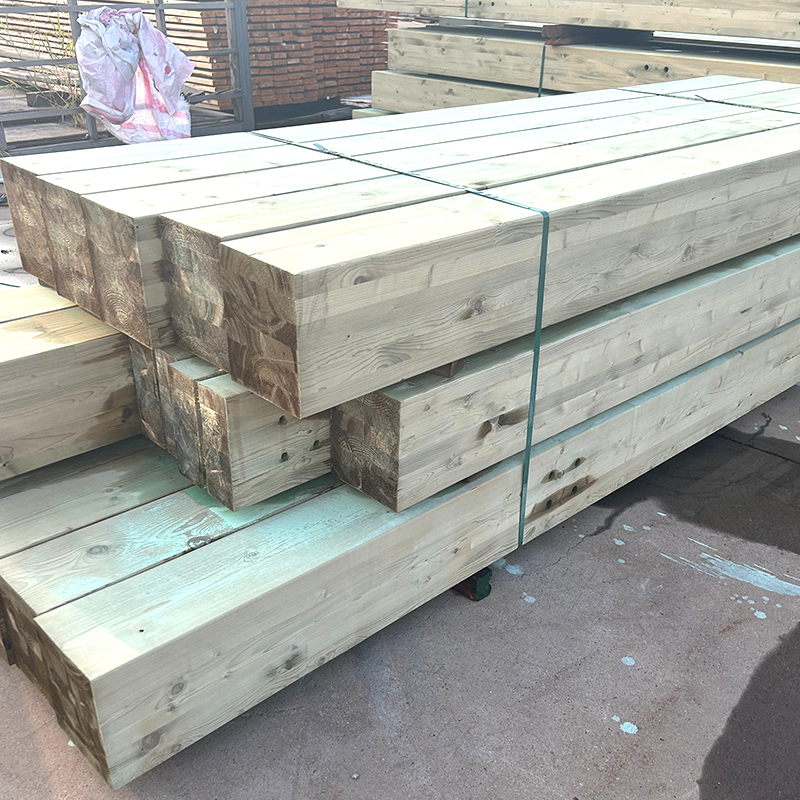
Pressure-treated wood is lumber that has had preservative chemicals forced into its fibers under high pressure, which changes how the material behaves once it's exposed to soil, rain, and insects. The green or brownish tint seen on lumber racks at building supply yards comes from this process, not from the tree species itself. A piece of untreated pine sitting in wet soil can start showing soft, spongy decay within a season or two, whereas the same board treated with a copper-based preservative and rated for ground contact can remain structurally sound for two or three decades, sometimes longer depending on local climate, drainage, and how well the structure is maintained.
Builders and contractors who work with outdoor structures rely on this distinction constantly. A fence post buried in clay soil in a humid region faces a very different set of stresses than a deck board sitting above grade under a covered porch, and the treatment level applied to the wood needs to match that exposure. This is why lumber yards stock several grades of treated wood rather than one general-purpose version, and why building codes in many jurisdictions specify which grade is acceptable for which part of a structure.
The species used also plays a role. Southern yellow pine is favored for treatment because its cellular structure is porous enough to accept preservative solutions readily, whereas denser woods like Douglas fir need incising, a process of making small cuts across the surface, before the chemical can penetrate deeply enough to be effective.
How the Treatment Process Works
The protection comes from physics, not from a surface coating. A can of exterior paint or a deck sealant only shields the outer layer of a board, so once that layer cracks or wears away, moisture and fungi find their way in. Pressure treatment instead pushes preservative into the wood's cellular structure, so protection runs through the board rather than sitting on top of it.
Kiln-dried lumber is loaded into a sealed steel cylinder, and a vacuum pulls air out of the wood cells to make room for the preservative solution. Once the chamber floods with a liquid such as alkaline copper quaternary or copper azole, pressure inside the cylinder climbs to somewhere between 100 and 160 pounds per square inch, driving the chemical deep into the grain. After a soaking period that can last several hours, excess liquid drains out and the boards are dried before heading to distribution. Copper is the active ingredient in the bulk of residential-grade treatments sold today, since it's toxic to the fungi and wood-boring insects responsible for decay but far less hazardous to people and pets than the arsenic-based formulas that were phased out of general use in the early 2000s.
Retention level, meaning the amount of preservative chemical held per cubic foot of wood after treatment, determines how the board performs over time. A board intended for ground contact carries a higher retention level than one meant for above-ground railings, which is part of why the two are not interchangeable even though they may look identical on a lumber rack.
Quick Fact
Copper azole and alkaline copper quaternary have been the two dominant preservative systems in residential lumber since chromated copper arsenate was withdrawn from general consumer use around 2003, and both carry decades of field data supporting their use in ground contact settings.
Reading Treatment Ratings and Use Categories
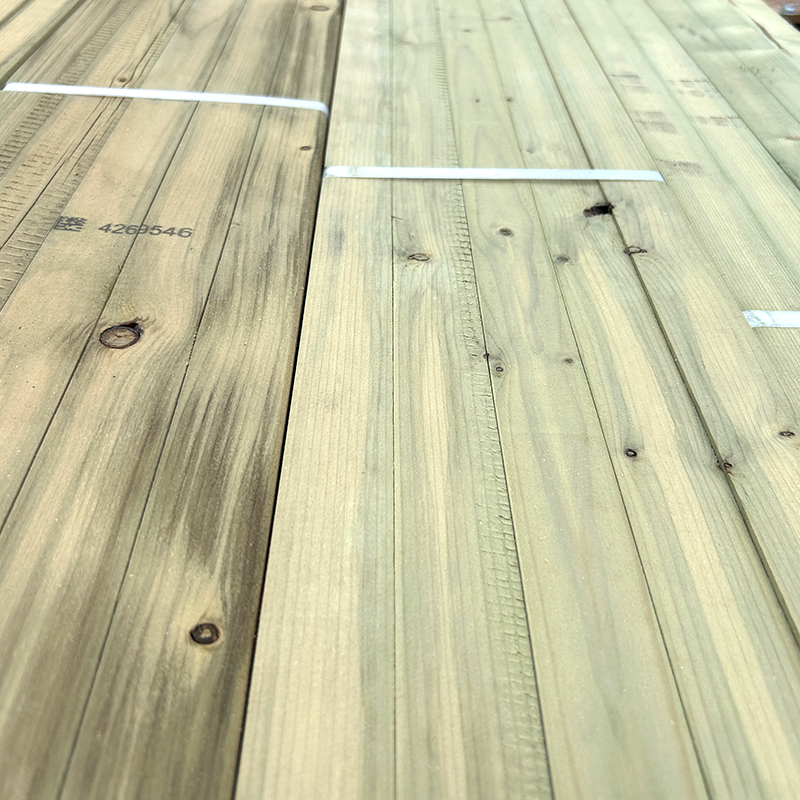
Pressure-treated lumber typically carries a stamp indicating its retention level and intended use category, and lumberyard staff and building inspectors both refer to this stamp when checking whether a board is appropriate for its intended location. Mixing up these categories is a common source of premature failure. A board stamped for above-ground exposure that ends up buried as a fence post can lose structural integrity in under half the time it would have lasted in the correct application.
Pressure-treated wood use categories and where each is typically applied
| Use Category |
Exposure Level |
Typical Application |
| UC1 / UC2 |
Interior, dry |
Interior framing, furring strips |
| UC3A / UC3B |
Above ground, exposed |
Deck boards, railings, fence rails |
| UC4A / UC4B |
Ground contact |
Fence posts, deck posts, garden bed frames |
| UC5 |
Marine, saltwater |
Docks, pilings, seawalls |
Inspectors sometimes check the end tag stapled to a bundle of lumber rather than searching for a stamp on each board, since the tag lists the treating company's certification, the chemical used, and the retention level together in one place. Keeping a tag from a purchase on file can matter later if a warranty claim or an inspection question comes up.
Where This Lumber Shows Up on a Job Site
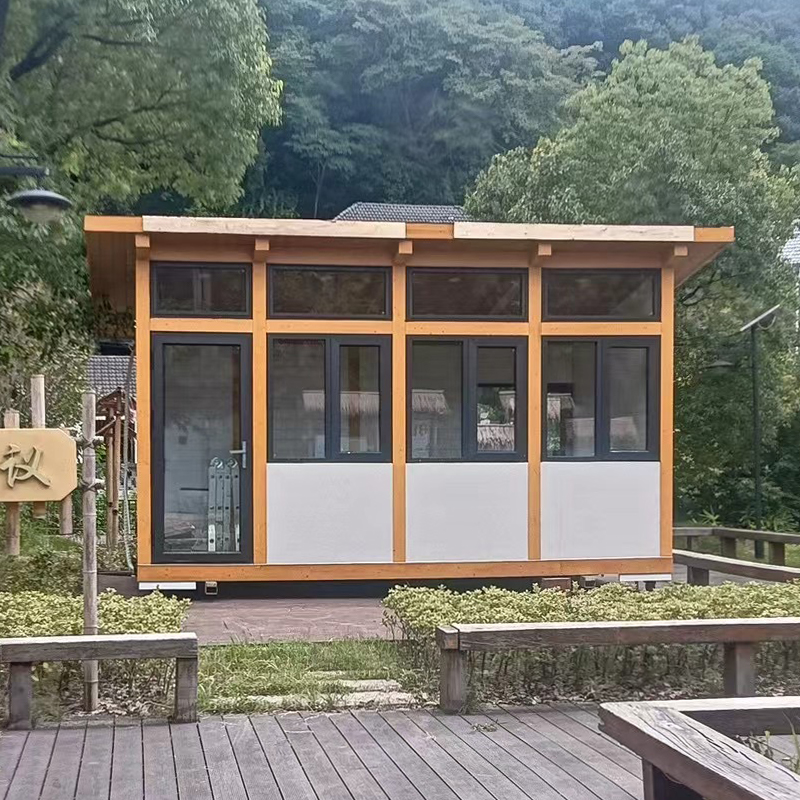
Because it holds up against moisture and pests, pressure-treated lumber has become the standard material for framing and support work that lives outdoors or touches soil directly. Deck substructures, including the joists and beams hidden beneath the visible boards, are typically built from treated stock, as are fence posts, rails, and the timbers used in retaining walls and raised garden beds. Playground structures and outdoor furniture frames rely on it too, along with sill plates and framing members positioned close to a foundation where ground moisture is a concern.
Gardeners sometimes hesitate to use treated lumber near edible plants, but agricultural extension offices have studied this question repeatedly, and copper-based treatments used in residential lumber today bind tightly to the wood fibers. The amount that migrates into surrounding soil is small enough that it falls well under levels considered a concern for food crops, which is why treated timbers remain common in raised bed construction. Some growers still prefer to line the interior of a bed with plastic sheeting as an added buffer, though the practice is more a matter of personal comfort than a documented safety requirement.
Handling and Long-Term Care
Treatment guards against decay and insects, but it doesn't make the wood immune to weather or eliminate the need for basic upkeep. Anyone cutting or sanding treated boards should wear gloves and a dust mask, since the sawdust carries preservative residue, and scraps shouldn't go into a burn pile because combustion concentrates those chemicals in the smoke and ash. Fasteners matter as well: standard steel screws corrode faster when driven into copper-treated lumber, so hot-dip galvanized or stainless hardware is the standard recommendation among contractors working with ACQ or copper azole products.
Freshly treated boards are often still damp from the manufacturing process and benefit from a few weeks of drying time before staining or painting, since sealant applied too early won't bond properly. A simple way to check readiness is to sprinkle water on the surface; if it beads up, the wood is still too wet to accept a finish, and if it soaks in within a minute or two, the board is ready.
A water-repellent finish reapplied on a one to two year cycle helps limit the cracking and warping that comes from repeated wetting and drying cycles, extending the useful life of a deck, fence, or garden structure well beyond what the raw treatment alone would provide. Homeowners in regions with harsh freeze-thaw cycles often find that annual sealing pays for itself many times over by preventing the surface checking that eventually lets moisture reach untreated cut ends.

 English
 한국어
한국어 Español