Choosing Suitable Wood Species for Raised Beds and Planter Boxes
Cedar, redwood, and black locust are commonly recommended for raised garden beds and planter boxes because they contain natural oils and tannins that resist rot and insect activity without added chemical treatment. For gardeners who prefer a lower cost option, FSC-certified pine or fir treated with a garden-safe sealant also performs well for several growing seasons. The wood species selected directly affects how long a raised bed lasts, how safe it is for growing edible plants, and how much maintenance the structure requires over time. Since raised beds and planters sit in constant contact with moist soil, the material needs to tolerate sustained dampness rather than the occasional rain exposure that fencing or trellis wood might experience.
Planter boxes used for herbs, vegetables, or flowering plants face slightly different demands depending on their size and drainage design. Smaller containers dry out faster and may tolerate less rot-resistant species, while larger raised beds holding cubic yards of soil retain moisture for extended periods and benefit from denser, naturally durable timber.
Why Wood Safety Matters for Edible Gardens
Wood used around edible plants requires closer scrutiny than wood chosen for decorative garden structures. Reclaimed pallets and railroad ties are sometimes reused for raised beds because they are inexpensive or already on hand, but pallets are frequently treated with pesticides or fumigants for shipping purposes, and railroad ties are typically saturated with creosote, a preservative linked to soil contamination. These chemicals can leach into surrounding soil and, over time, be taken up by root vegetables and leafy greens grown nearby.
Untreated cedar or redwood avoids this concern entirely because their natural rot resistance comes from compounds already present in the heartwood rather than from applied chemicals. Where pressure-treated lumber is used near food crops, checking that the treatment is approved for residential and agricultural contact, such as modern copper-based formulations, reduces the likelihood of unwanted chemical transfer into the growing bed.
Comparing Rot Resistance Across Common Garden Wood Species
Rot resistance varies noticeably between species, and this variation influences both the expected service life of a structure and how frequently it needs replacement or repair. The table below outlines several wood types commonly used for raised beds, planters, and related outdoor projects, along with their general durability characteristics in soil-contact conditions.
General durability comparison for wood species commonly used in raised beds and planter construction
| Wood Species |
Natural Rot Resistance |
Typical Service Life in Soil Contact |
Common Garden Use |
| Western Red Cedar |
High |
15-20 years |
Raised beds, planter boxes |
| Black Locust |
High |
20-25 years |
Raised beds, fence posts |
| Redwood |
High |
12-18 years |
Planter boxes, decking |
| Cypress |
Moderate to High |
10-15 years |
Raised beds, trellises |
| Pressure-Treated Pine |
Moderate (treatment-dependent) |
8-12 years |
Landscape edging, fencing |
| Untreated Pine or Fir |
Low |
3-6 years |
Short-term planters |
These figures represent general ranges observed under typical outdoor moisture exposure, and actual longevity depends on regional climate, drainage quality, and how much of the wood remains in direct soil contact versus above-grade exposure.
The Role of FSC Certification in Sourcing Garden Wood
Forest Stewardship Council certification indicates that timber was harvested under managed forestry practices designed to maintain forest health, protect biodiversity, and support responsible replanting cycles. For garden wood specifically, this certification offers a way to verify that the material came from a traceable, legally sourced supply chain rather than from unregulated logging operations.
What FSC Labeling Confirms
An FSC label on lumber or finished garden products confirms a documented chain of custody from the forest of origin through processing and distribution. This documentation is particularly relevant for buyers who want assurance that their raised bed or fencing materials did not contribute to deforestation or habitat loss, and it often accompanies wood species already known for natural durability, such as cedar and certain hardwoods.
Balancing Certification with Species Selection
Certification addresses sourcing responsibility, but it does not replace the need to match species characteristics to the intended garden application. A certified softwood without rot-resistant properties may still require sealing or replacement sooner than an uncertified hardwood with naturally high durability, so both factors are worth weighing together during material selection.
Sealing and Treating Untreated Garden Wood
Untreated wood species with moderate natural resistance, such as cypress or Douglas fir, can have their service life extended through the application of a linseed oil, tung oil, or water-based exterior sealant. These finishes slow moisture absorption into the wood fibers, which in turn reduces the swelling and contraction cycles that eventually contribute to cracking and warping.
For raised beds intended to grow edible plants, food-safe sealants are available that avoid the synthetic preservatives found in standard exterior treatments. Reapplying a sealant coat once every one to two years, particularly on cut ends and joints where moisture tends to enter readily, helps maintain consistent protection across the structure's lifespan.
- Sand rough surfaces lightly before applying the initial sealant coat to improve absorption.
- Apply two thin coats rather than one thick coat to avoid uneven pooling.
- Pay particular attention to cut edges, corners, and joinery points.
- Allow full curing time before adding soil or plants back into the container.
Construction Details That Affect Longevity
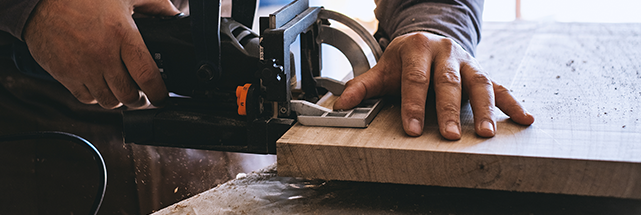
Beyond species selection, how a raised bed or planter box is assembled influences how well the wood holds up over time. Board thickness matters because thinner stock, generally under one inch, tends to warp and crack faster than boards in the one-and-a-half to two-inch range commonly used for structural garden framing. Corner joinery also plays a role, since simple butt joints secured with exterior-rated screws allow for easier disassembly and board replacement compared to nailed or glued corners.
Elevating the base of a planter box slightly off the ground, or lining the interior with a breathable landscape fabric, reduces direct soil-to-wood contact and can meaningfully extend service life, sometimes by several years, without changing the wood species itself. Drainage holes along the lower sides further prevent water from pooling against interior wall surfaces, which is one of the more common causes of premature rot in enclosed planter designs.
Common Applications Beyond Raised Beds
The same wood selection principles used for raised beds extend naturally to other garden structures. Fencing and trellises benefit from rot-resistant posts set below grade, where soil contact is constant, paired with less dense infill boards above ground. Decking and outdoor furniture typically favor kiln-dried, dimensionally stable species to minimize warping under foot traffic and seasonal humidity shifts. Landscape edging and timbers, often used to define pathway borders or retaining walls, generally rely on denser hardwoods or treated lumber capable of withstanding direct ground contact over many seasons.
Gardeners planning a mix of these structures within a single outdoor space sometimes standardize on one or two wood species across raised beds, edging, and trellises to simplify maintenance schedules and ensure a visually cohesive appearance throughout the garden.

 English
 한국어
한국어 Español