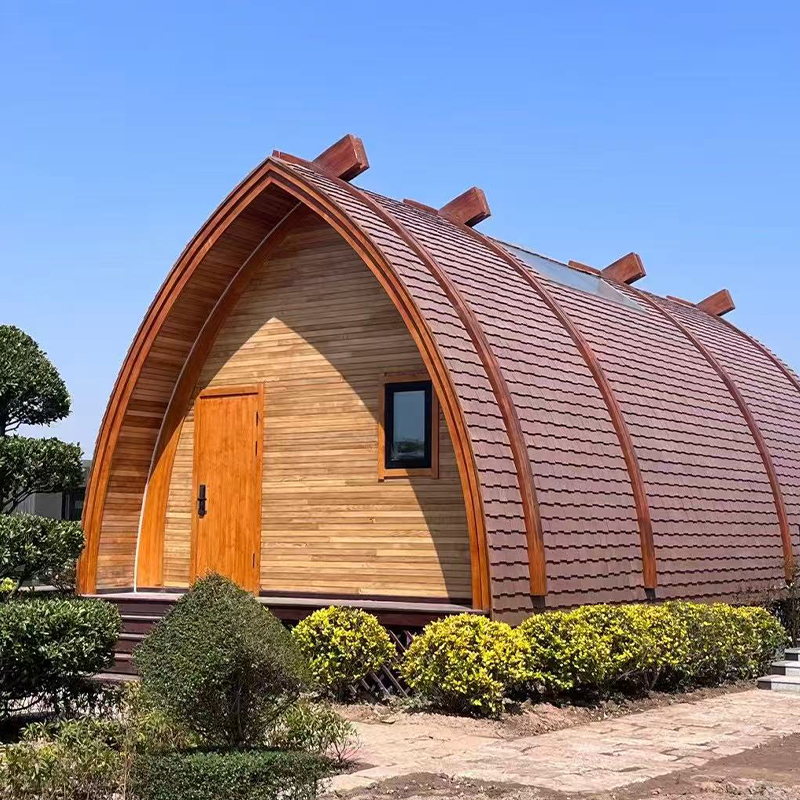
Choosing wood panels for walls can feel surprisingly personal. A panel that looks perfect in a bright living room may be the wrong choice for a bathroom, a coastal facade, or a structural feature wall. The best wood panels for walls are the ones that match the wall's job—decorative, protective, structural, or all three—and the way you want the space to feel.
At Wellhouse, we have produced glued laminated timber and timber products since 2011. That experience has taught us that the "best" panel is rarely the most expensive one. It is the one with the right species, profile, finish, and fixing detail for the wall behind it. This guide walks through the wood wall panels we see working well in real projects, from classic tongue-and-groove boards to charred shou sugi ban and exterior cladding.
What Makes a Wood Panel “Best” for Your Wall?
Before comparing profiles, define the wall’s conditions. A panel that performs beautifully in a dry hallway may cup or fade in a steamy bathroom. We usually ask five questions:
- Interior or exterior? Exterior walls need ventilation, weather resistance, and UV protection.
- How much moisture? Bathrooms, kitchens, and covered porches demand stable species and tight detailing.
- Decorative or structural? Most wall panels are decorative; cross-laminated timber can be exposed structural wall.
- What look and texture? Clean V-groove lines, slatted rhythm, rustic shingles, or charred surfaces all change a room.
- How will it be installed and maintained? Fixings, expansion gaps, and re-finishing intervals should be decided early.
Once those answers are clear, the shortlist usually becomes much shorter.
Interior Wood Wall Panels: Reliable Options
Tongue-and-Groove Panels
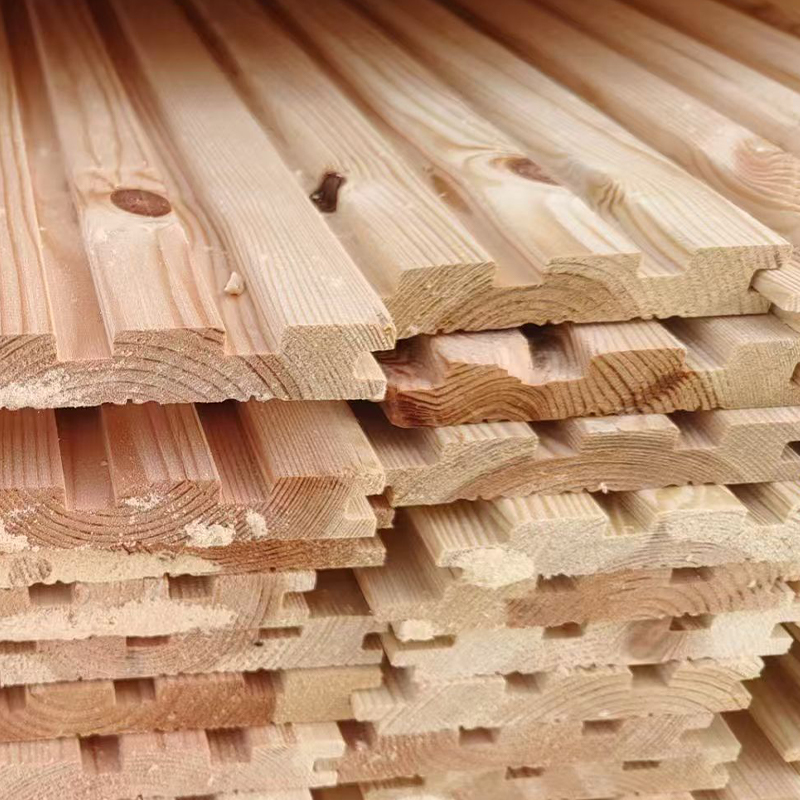
Tongue-and-groove (T&G) paneling remains one of the most forgiving choices for interior walls and ceilings. The boards lock together, hide nails in the tongue, and create continuous lines that make a room feel larger. Pine and spruce are budget-friendly; western red cedar brings natural stability and a warmer color. For a refined, knot-free look, hemlock is worth considering.
 Western Red Cedar Tongue-and-Groove Wall PanelsWestern red cedar tongue-and-groove panels suit dry interior walls and ceilings, offering warm color and natural stability for residential or commercial spaces.View Product →
We often recommend T&G panels for dry interior walls, ceilings, and soffits. For bathrooms or busy kitchens, read our tongue-and-groove installation and design guide before choosing a profile.
Decorative Slat and Shou Sugi Ban Panels
Slatted wall panels create rhythm and depth without overwhelming a room. They are useful for feature walls, reception areas, and spaces where you want to conceal cables or uneven masonry. Shou sugi ban—wood charred on the surface—adds texture and a tactile finish. The charring improves surface weather resistance, though it is not a substitute for good detailing. Our shou sugi ban panels suit interior and sheltered exterior feature walls where the look matters as much as performance.
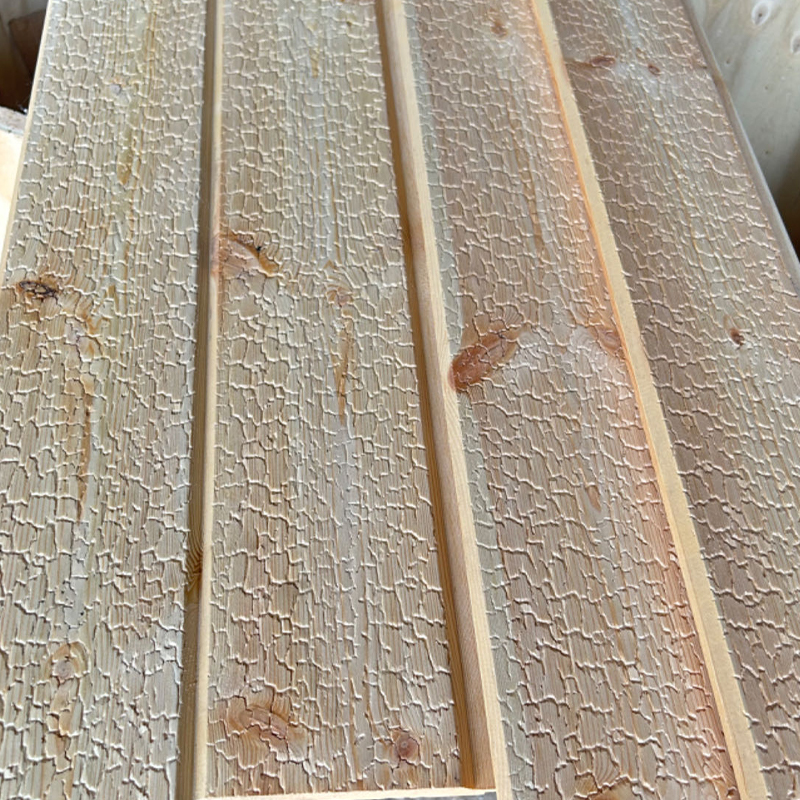 Shou Sugi Ban Charred Wood Wall PanelsCharred wood panels bring tactile texture and dark contrast to feature walls, with a traditional Japanese finish suited to interior and sheltered exterior settings.View Product →
Carbonized wood panels offer a similar darker tone with a more uniform surface. They work well in contemporary interiors and can be combined with slat profiles for a layered effect.
CLT and Large-Format Feature Panels
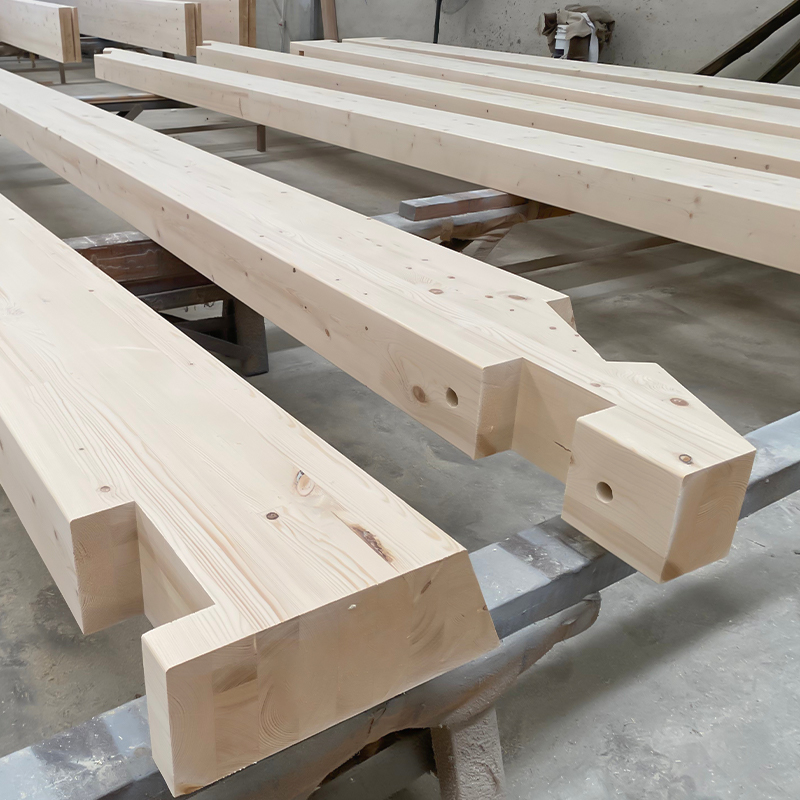
Cross-laminated timber is not a thin veneer panel; it is a structural slab made from layers of timber glued at right angles. When left exposed, architectural CLT panels can become the wall finish itself, with visible lamellas and a warm, solid feel. This option suits projects where structure and finish are combined, but it requires early coordination with the structural engineer and fire strategy. For most decorative wall projects, T&G, slat, or charred panels remain the simpler path.
Exterior Wood Wall Panels: Cladding That Handles Weather
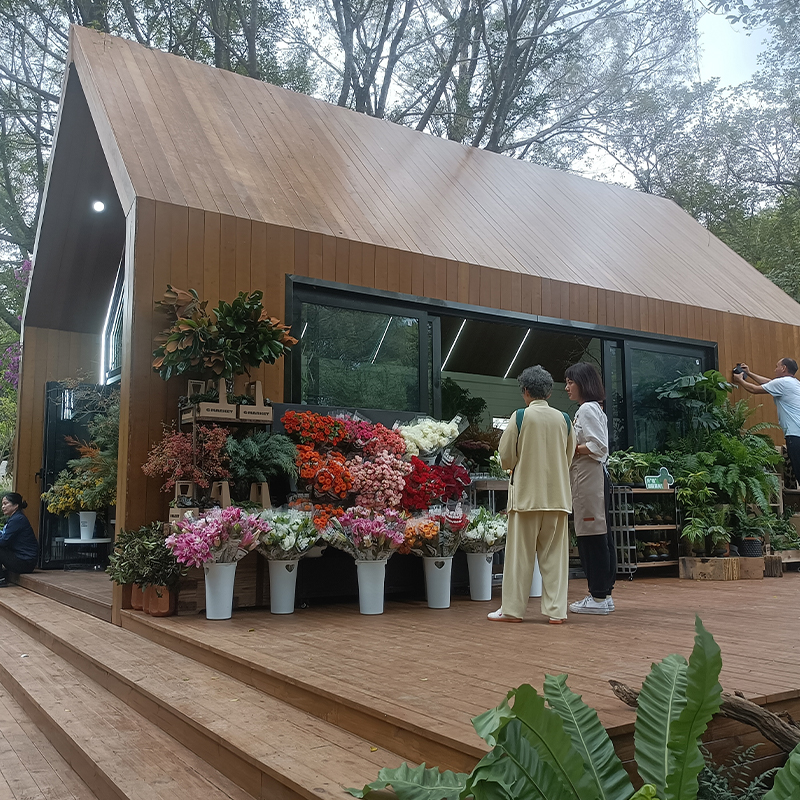
Exterior wood cladding is a different discipline. The wall must shed water, dry out after rain, and tolerate UV exposure. A ventilated rainscreen—where cladding sits on battens with an air gap behind—is the most reliable approach. Douglas fir, pine, and spruce are common choices, each with different cost and durability profiles. Douglas fir brings strength and a strong grain pattern; pine is cost-effective and takes paint well; spruce offers a lighter, more uniform look.
 Douglas Fir Exterior Wall CladdingDouglas fir cladding offers strong grain and warm tones for ventilated exterior facades, with good decay resistance when detailed and maintained properly.View Product →
For a log-home appearance, D-log siding provides the rounded profile without the settling and checking of full logs. Wood shingles, especially Japanese sugi and western red cedar, offer a more textured facade that suits gables and sheltered walls. Whatever the profile, leave room for movement and specify stainless or coated fasteners that will not stain the timber.
We usually advise clients to choose the finish before the cladding is milled. A clear oil, a translucent stain, and an opaque paint each require different surface preparation and maintenance intervals.
A Quick Comparison of Common Wall Panel Options
Table 1. A practical comparison of popular wood wall panel options. Confirm fire, moisture, and structural requirements with your project team.
| Panel type |
Typical species |
Best use |
Look and finish |
| Tongue-and-groove |
Pine, spruce, cedar, hemlock |
Interior walls, ceilings, soffits |
Clean lines; paint or clear coat |
| Slatted panel |
Pine, cedar, ash |
Feature walls, lobbies |
Modern rhythm; hidden fixings |
| Shou sugi ban |
Cedar, pine |
Interior and sheltered exterior walls |
Charred texture; oil finish |
| Exterior cladding |
Douglas fir, pine, spruce |
Facades, gable ends |
Natural or painted; rainscreen |
| D-log siding |
Douglas fir, pine, spruce |
Log-home look walls |
Rounded profile; sealed |
| Wood shingle |
Japanese sugi, western red cedar |
Feature walls, gables |
Rustic texture; weathers well |
Matching the Panel to the Wall
After years of answering project questions, we tend to sort wall panels by application rather than by product name:
- Dry interior feature walls: T&G boards, slatted panels, or shou sugi ban. These are low-risk choices where moisture is controlled.
- Kitchens and bathrooms: Use a stable species such as western red cedar, leave expansion gaps, and choose a finish designed for humid rooms. Avoid panels that sit directly against a damp wall.
- Exterior facades: A ventilated rainscreen with durable cladding, corrosion-resistant fixings, and a maintainable finish is the priority.
- Covered porches and soffits: T&G and shingle panels work well if they are protected from driving rain and have good airflow.
- Structural or exposed walls: Consider architectural CLT or engineered timber panels with the help of a structural engineer.
If you are unsure, start with the wall’s exposure and work backward. The best-looking panel is not much use if it cannot dry out.
Installation and Finishing Notes from Our Workshop
- Acclimate the panels. Let timber sit in the room where it will be installed so it can adjust to local humidity.
- Use continuous ventilation. Furring strips and a drained cavity protect exterior cladding and help interior panels behind battens stay dry.
- Leave expansion gaps. Timber moves with the seasons. Concealed gaps at edges and around openings prevent buckling.
- Choose the right finish. Clear oils show the grain; stains even out color; paints offer the most UV protection but need more preparation.
- Plan for maintenance. Exterior timber needs periodic cleaning and re-finishing. Interior panels usually need less, but kitchen and bathroom panels benefit from a wipe-down schedule.
We check moisture content, profile tolerance, and finish compatibility before panels leave our yard. These are not glamorous steps, but they are the ones that keep a wall looking good after the first season.
There is no single best wood panel for every wall, but there is usually a clear best choice for a specific wall. A dry living room, a busy kitchen, a west-facing facade, and a covered porch all ask different things of the timber. By matching species, profile, finish, and ventilation to the wall’s conditions, you can choose a panel that looks right and lasts.
If you would like to compare options for your project, our team can help you narrow the list by application, budget, and finish. From tongue-and-groove boards to shou sugi ban and exterior cladding, we are glad to share what we have learned on the workshop floor. Contact our team with your wall dimensions and exposure, and we will suggest a practical starting point.




 English
 한국어
 Español