What Makes a Wall Panel Truly Eco Friendly?
An eco friendly wall panel is not simply a panel made from a plant-based material. It is a product whose story holds up from forest to living room: where the fiber comes from, how it is processed, what binds it together, how it is finished, and how long it will stay in service. The label is easy; the details are where the real decisions live.
Wood starts with an advantage because it is renewable and stores carbon as it grows. But that advantage can be weakened by unclear sourcing, high-emission adhesives, short service life, or finishes that off-gas indoors. The useful question is not “Is this panel green?” but “Which choices make this panel greener for this project?” A panel that suits a dry interior wall may be a poor choice for a wet room or a west-facing façade. Eco friendly, in practice, is a balance of material, place, and maintenance.
Why Wood Still Earns Its Place
Wood has been used on walls for centuries because it works. It is warm to the touch, easy to repair, and visually forgiving as it ages. Wood generally requires less energy to produce than steel, aluminum, or cement, and it keeps carbon locked in the building for as long as the panel remains in place. Engineered wood products such as glulam and cross-laminated timber make better use of smaller logs and mill residues, stretching the value of each tree.
That does not mean every wooden panel is a good environmental choice. A thin decorative skin over a high-emission core, shipped halfway around the world and finished with a solvent-heavy coating, has a different profile from a solid pine board cut and milled close to the project. The material matters, but so do the miles, the adhesive, and the expected lifespan. We have been making glulam since 2011, and one lesson has held true: the most sustainable panel is usually the one that is correctly specified, properly installed, and left alone to do its job for decades.
Match the Panel to the Room, Not the Label
Interior and exterior wall panels face very different conditions. Inside, the main concerns are appearance, indoor air quality, and stability under normal humidity changes. Outside, wind-driven rain, UV, and freeze-thaw cycles matter more than a perfect showroom finish. A panel that performs beautifully in a bedroom may fail on a coastal wall.
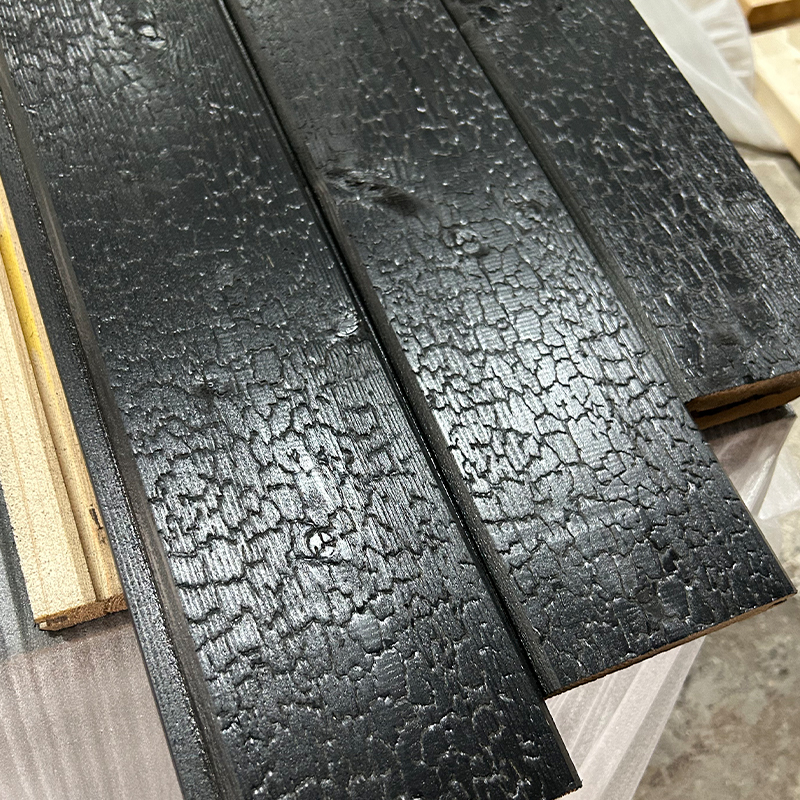
For interiors, tongue-and-groove boards, wood slat panels, and charred wood surfaces are common choices. They can be left natural, oiled, or soaped, depending on the look and traffic. For exteriors, the details that keep water out—rainscreen gaps, flashing, and ventilated cavities—matter as much as the species. Our exterior wood cladding guide walks through those choices in more detail.
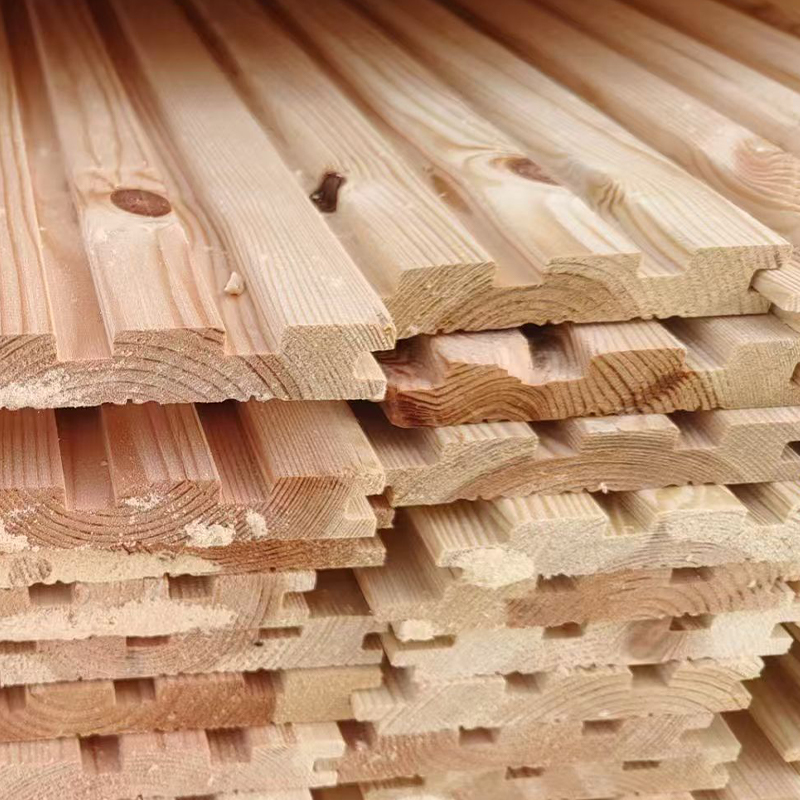
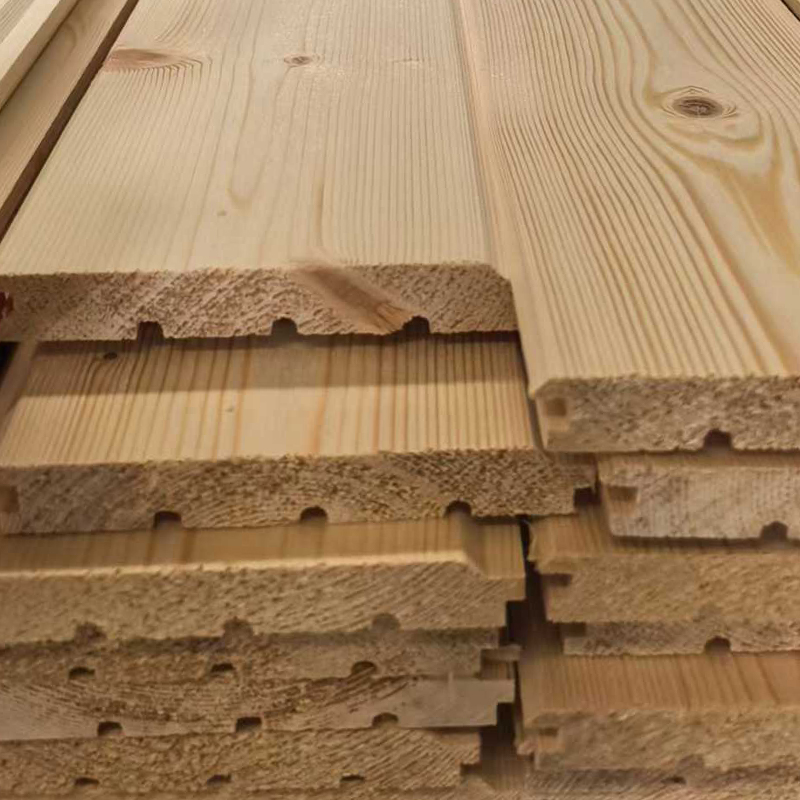
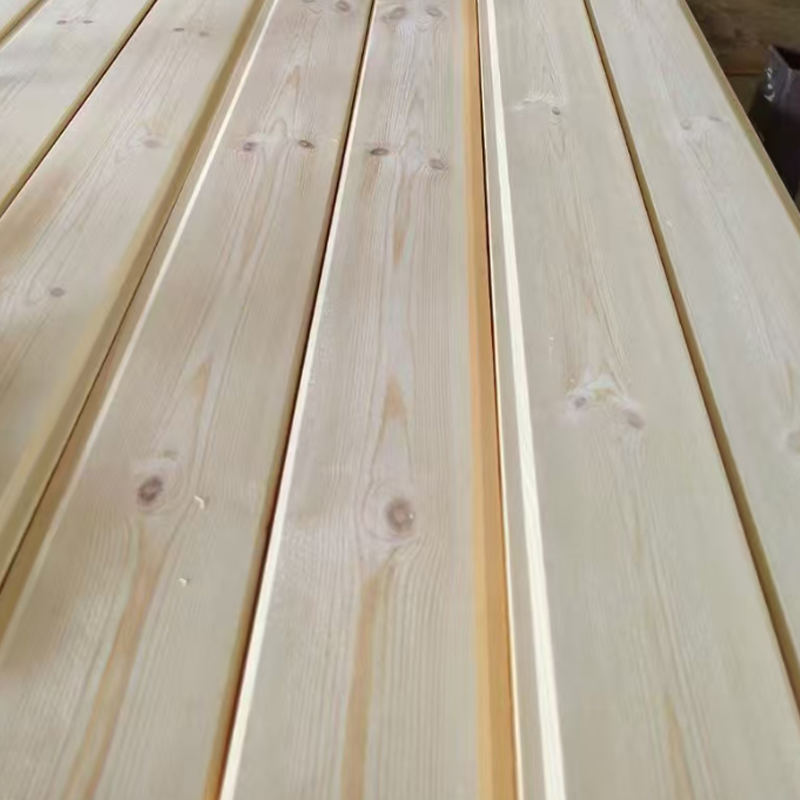
 Pine Tongue-and-Groove Interior Wall PanelAn unfinished pine board for smooth interior walls and ceilings, suited to accent walls and wainscoting where a light, workable surface is wanted.View Product →
Inside a dry room, a pine tongue-and-groove panel is a straightforward option: light, workable, and easy to refresh with a natural oil. In a feature wall, a charred surface can add depth without a heavy film finish. On an exterior wall, a ventilated cladding system with the right fixings will usually outlast a sealed board that traps moisture.
A quick comparison of common wood panel options and their practical eco considerations.
| Panel option |
Best place |
Eco strengths |
Watch-outs |
| Solid wood tongue-and-groove |
Interior walls and ceilings |
Renewable, repairable, low embodied energy when sourced responsibly |
Check adhesive and finish; allow for movement |
| Charred wood surface |
Feature walls and sheltered exteriors |
Can reduce reliance on chemical preservatives |
Charring and oils affect maintenance; confirm fire and finish specs |
| Ventilated exterior cladding |
Façades and soffits |
Durable, replaceable boards; rain screen improves drying |
Needs correct detailing, fixings, and species choice |
| Engineered wood panel |
Structural or large-format walls |
Uses smaller logs and residues; stores carbon; fast assembly |
Adhesive emissions and moisture protection need documentation |
Species and Sourcing: Ask Better Questions
Species choice is often driven by appearance, but it also affects durability and maintenance. Pine and spruce are widely available, fast-growing, and easy to work—good choices for interior paneling and protected exteriors. Douglas fir is stronger and takes finishes well, which makes it useful for structural and exterior applications. Western red cedar is naturally durable and stable, but it should still come from a responsible source. We work with these species regularly, and we usually ask the same questions our customers ask us: Where was the timber grown? Is the forest independently certified? Can the supplier provide chain-of-custody documents?
Certification is not a magic stamp. FSC and PEFC are useful starting points because they require independent checks, but the details still matter. A certified species may be harvested in one region and processed in another; a reclaimed board may be beautiful but contaminated with old lead paint. For a genuinely eco friendly wall panel, look for a source that can explain the chain from forest to finished board. If the answer is vague, keep asking.
Finishes, Adhesives, and Indoor Air
Indoor air quality is where wall panels touch people every day. A solid wood board with a simple oil or soap finish has a short ingredient list. A composite panel may use adhesives that emit formaldehyde or other volatile organic compounds, especially in the first weeks after installation. That does not make every composite panel a bad choice—many low-emission products perform well—but the specification should say so. Ask for emission data, not just a green-sounding product name.
For finishes, water-based lacquers, natural oils, waxes, and soaps are common lower-impact options. They also make future maintenance easier: a scratched oiled surface can often be spot-repaired, while a damaged plastic laminate may need to be replaced. The finish affects air quality, durability, and how often the panel has to be refinished or thrown away.
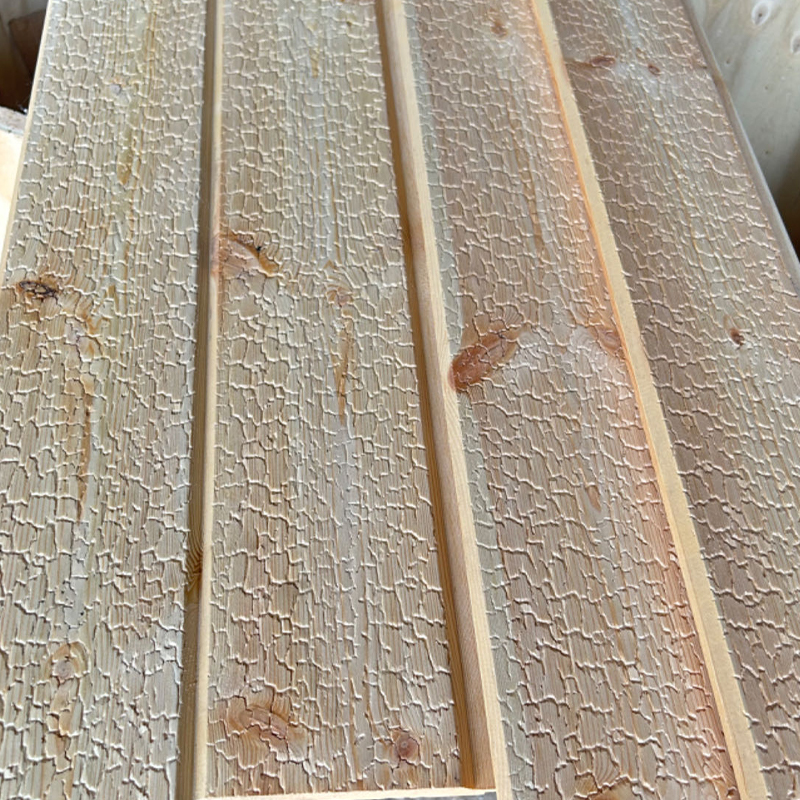 Shou Sugi Ban Charred Wood Wall PanelsCharred wood panels for interior walls and ceilings, offering a textured dark finish and a lower-chemical approach where maintenance and visual contrast matter.View Product →
Charred wood is a good example of a finish that can reduce reliance on chemical preservatives. The surface is burned to create a protective layer, then brushed and often oiled. It is not maintenance-free, but it can be a thoughtful option for the right sheltered location.
Durability Is the Greenest Feature
A panel that lasts fifty years with minimal repair will usually outperform a “green” panel that is replaced every eight years. That is why we spend as much time on installation details as on material selection. Exterior cladding needs a ventilated cavity, proper flashing, and fixings that will not corrode. Interior paneling needs a stable moisture environment and room for seasonal movement. Timber should be acclimated before installation, and cut ends should be protected.
Maintenance is part of the deal, not a failure of it. A yearly wash and a recoat every few years will keep an exterior wall performing. Inside, a light dusting and occasional spot repair are usually enough. The goal is not a surface that never changes; it is a surface that ages gracefully and can be repaired rather than replaced.
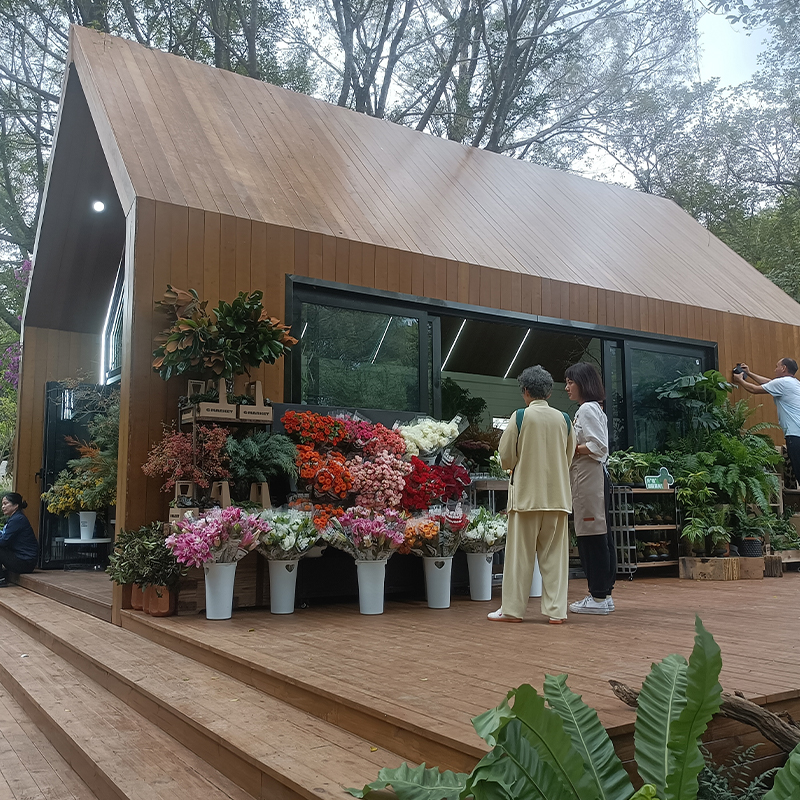
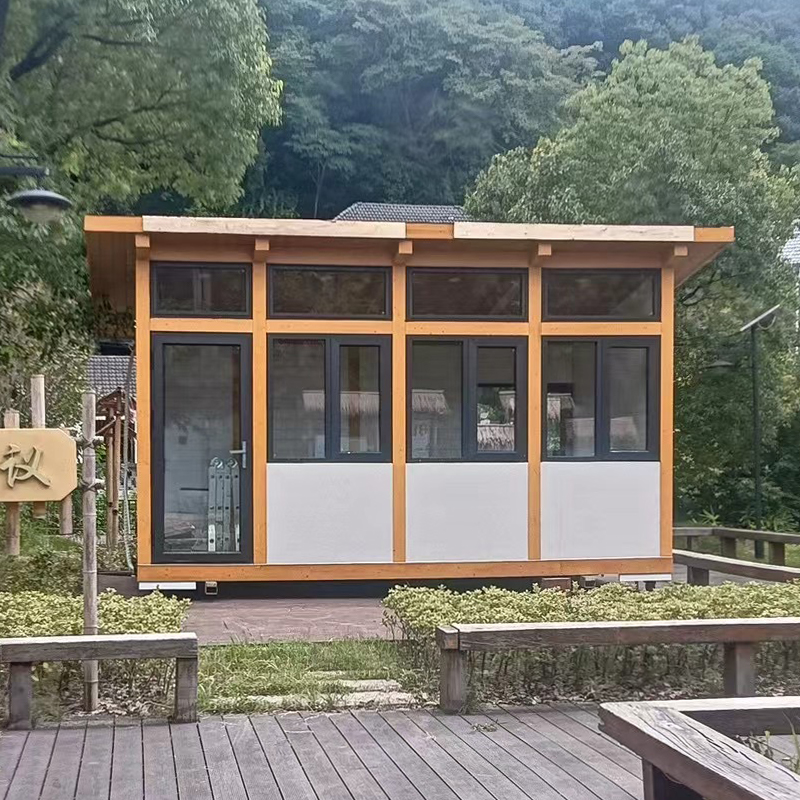
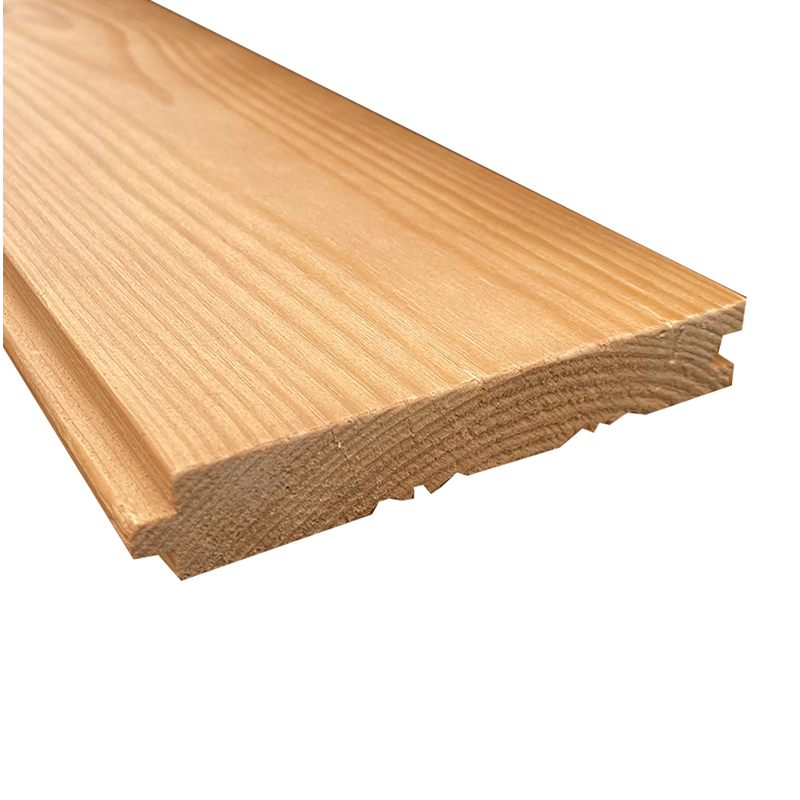 Pine Exterior Wood Wall CladdingLight, workable pine siding for exterior walls, suited to cabins and facades when detailed to dry out and finished for the exposure it will face.View Product →
For exterior projects, a pine cladding board can be a practical choice when it is detailed to dry out and finished for the exposure it will face. It is not the same as a naturally durable cedar, but with the right design it can serve well and be replaced board by board if needed.
A Simple Checklist Before You Buy
If you are comparing eco friendly wall panels, use the same short list for every option. It will quickly separate a genuine improvement from a green label.
- Source: Can the supplier name the forest region and provide chain-of-custody or certification documents?
- Species: Does the wood suit the indoor or outdoor exposure, and is it a species with a credible sustainability profile?
- Adhesive and core: For engineered panels, what is the binder, and what are the formaldehyde or VOC emissions?
- Finish: Is the coating low-VOC, repairable, and appropriate for the humidity and traffic?
- Durability: What is the expected service life, and how are boards repaired or replaced?
- End of life: Can the panel be reused, remilled, or safely disposed of in your market?
No product will score perfectly on every line. The point is to make the trade-offs visible. A locally milled pine board with a simple oil finish may be the best answer for an interior wall. A certified cedar cladding with a ventilated rainscreen may be the better answer for a coastal façade. Different walls, different solutions.
Let Experience Guide the Choice
At Wellhouse, we have been working with timber since 2011, from glulam beams and CLT panels to tongue-and-groove boards, charred wall panels, and exterior cladding. That range does not make us the right supplier for every project, but it does help us ask practical questions early: How will the wall dry? Who will maintain it? What does the budget allow over ten years, not just on day one? Those questions usually lead to a better panel than a slogan ever will.
If you are planning a wall, bring us the room, the exposure, and the look you want. We will help you compare the honest options, including the ones that are not the cheapest or the most fashionable. You can also read more about how we approach sustainability and material responsibility. A truly eco friendly wall panel should feel right in the building, not just on the specification sheet.

 English
 한국어
 Español