Decorative panels for interior walls do much more than cover a surface. They bring texture, warmth, and a sense of craft into a room, turning an ordinary wall into a focal point. In recent years, wood panels have become a favorite choice for feature walls in living rooms, bedrooms, and even commercial interiors. Their natural grain, acoustic benefits, and timeless appeal make them a versatile material for architects, interior designers, and homeowners alike.
As a wood building material manufacturer with more than a decade of experience in engineered timber, we have seen how thoughtful wall paneling can transform a space. This guide walks through the most popular panel styles, the wood species worth considering, and the practical details that help an installation last.
Why Wood Panels Work So Well Indoors
Wood panels offer a combination of aesthetics and performance that few wall coverings can match. Unlike paint or wallpaper, three-dimensional paneling adds depth and shadow to a wall. The tactile quality of timber creates a sense of calm and connection to nature, which is one reason biophilic design has made wood cladding so popular in modern interiors.
- Natural texture and grain create visual interest in any room.
- Wood surfaces help diffuse sound and reduce echo in open spaces.
- Timber adds a thin layer of insulation to exterior-facing walls.
- Quality panels can be sanded and refinished if they are ever marked.
Durability matters as much as appearance. Properly dried and finished wood panels resist everyday wear, and they remain stable for decades when the moisture content is right at installation. For a long-term architectural feature, well-made panels are a sound investment.
Carbonized Wood Wall Panels
Carbonized wood wall panels are produced by heat-treating timber at high temperatures in a controlled environment. This process changes the wood to a rich, dark brown and improves its dimensional stability. Because the natural sugars in the wood are altered during carbonization, the material becomes less attractive to insects and more resistant to humidity changes.
For interior walls, carbonized panels offer a deep, sophisticated tone that pairs well with light furniture and natural textiles. They work especially well in bedrooms, studies, and hospitality interiors where a quiet, grounded atmosphere is desired. The consistent color also makes it easier to create a uniform feature wall across a large area.
 Carbonized Wood Wall Panels for Interior and ExteriorThese charred panels offer a durable, moisture-resistant surface with a deep black texture, ideal for creating grounded feature walls in bedrooms and hospitality spaces.View Product →
Shou Sugi Ban Wall Panels
Shou Sugi Ban is a traditional Japanese technique in which the surface of the wood is charred with fire, then brushed and sealed. The result is a distinctive blackened texture that reveals the grain in subtle relief. The charred layer also gives the wood added resistance to moisture, UV light, and pests.
In interior settings, Shou Sugi Ban panels bring an unmistakable character. They suit both minimalist modern spaces and rustic-industrial designs, adding an almost sculptural quality to a wall. Because each board is fired individually, no two panels look exactly alike, which is precisely the appeal for many designers.
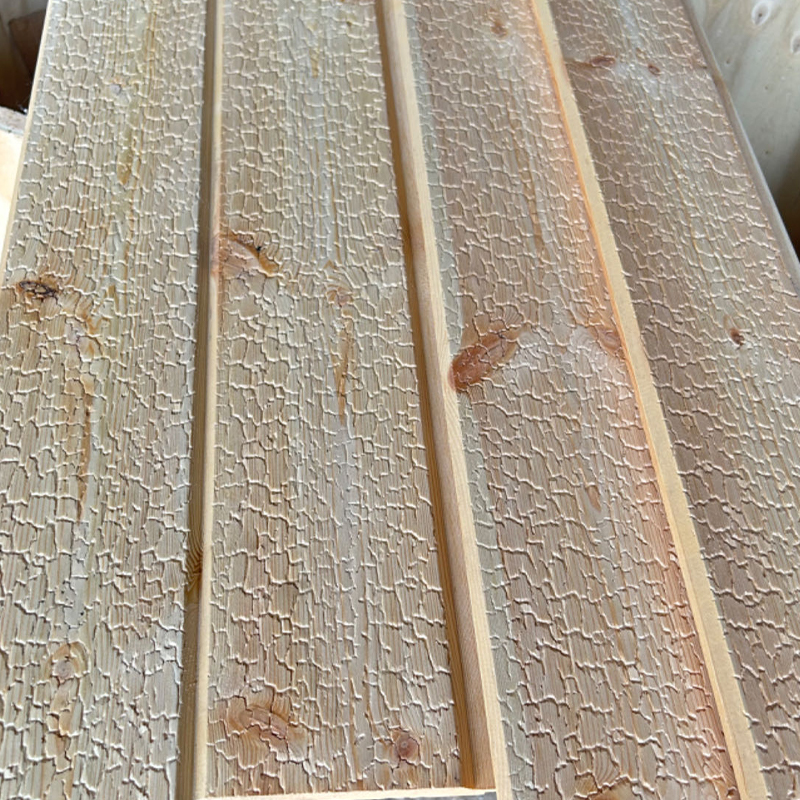 Shou Sugi Ban Wall Panels with Unique Charred FinishEach board is individually fired, yielding one-of-a-kind smoky tones and tactile surfaces that add sculptural character to minimalist and rustic-interior designs.View Product →
Wood Slat Wall Panels
Wood slat wall panels consist of narrow strips of timber arranged in parallel lines, often with small gaps between each slat. This format introduces a strong linear rhythm to a wall, which can make a room feel longer, taller, or more dynamic depending on the orientation.
Slat panels are especially popular for media walls, staircase dividers, and commercial reception areas. The gaps between slats can conceal LED lighting, creating a soft glow that highlights the texture. When paired with sound-absorbing backing, slat panels also become a practical acoustic solution for home theaters and meeting rooms.
 Wood Slat Wall Panels for Acoustic and Visual ImpactParallel wood strips with gaps allow for concealed lighting and sound absorption, making these panels a practical choice for media walls, stair dividers, and commercial areas.View Product →
Tongue-and-Groove Wall Panels
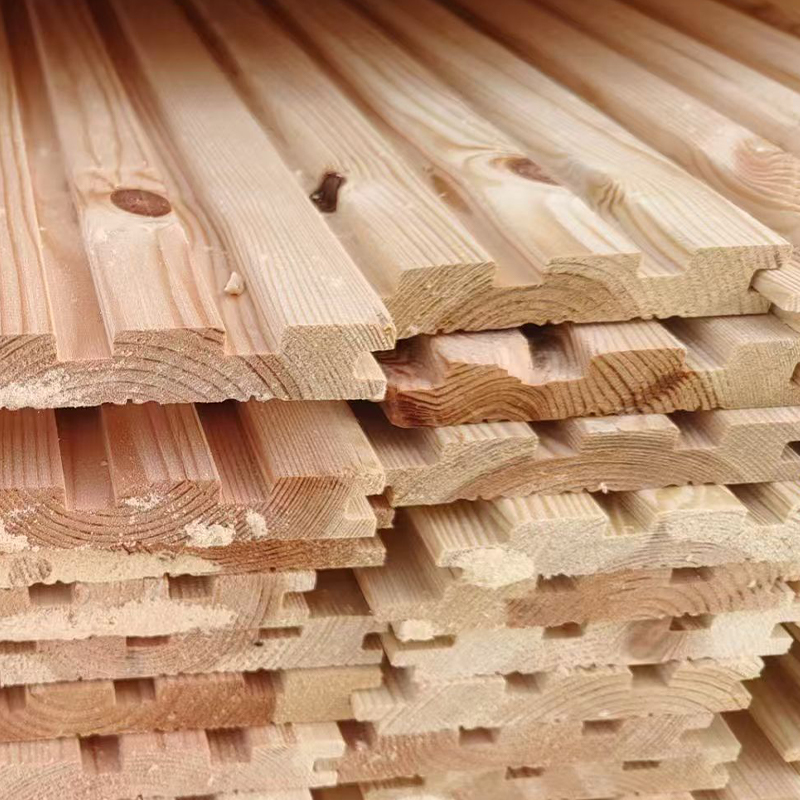
If you prefer a cleaner, more continuous surface, tongue-and-groove wall panels are a time-tested option. Each board has a protruding tongue on one edge and a matching groove on the other, so the panels lock together and form a seamless flat wall. This style works in almost any room, from cottage kitchens to contemporary bedrooms.
Interlocking joints mean fewer visible fasteners and a more polished result. Tongue-and-groove panels are also one of the easier panel types to install, which is why many homeowners take it on as a weekend project. For a detailed walkthrough of installation methods and design ideas, see our guide to tongue-and-groove wall panels.
Choosing the Right Species and Finish
The wood species you select affects both the appearance and the long-term performance of your wall panels. Here is a quick comparison of species commonly used in decorative interior panels.
Wood species commonly used for decorative interior wall panels.
| Species |
Characteristics and Best Use |
| Pine |
Light color and prominent grain; easy to work with and ideal for clear or painted finishes. |
| Spruce |
Pale, uniform tone with subtle grain; suits minimalist and Scandinavian interiors. |
| Douglas fir |
Warm reddish-brown hue with pronounced grain; adds character to feature walls. |
| Hemlock |
Smooth texture and light color; often used for tongue-and-groove paneling. |
| Western red cedar |
Rich color and natural durability; a good choice for humid spaces. |
For finishes, clear coatings preserve the natural color and grain, while stains can deepen or shift the tone to match your palette. Carbonized and Shou Sugi Ban panels bring their own baked-in character without additional staining. Also consider the light in your room: darker panels make a space feel cozier but can visually shrink a small room, while lighter panels open up the space and reflect more natural light.
Installation and Design Considerations
Before purchasing decorative panels for interior walls, think about the scale of the room and the effect you want to create. Vertical panels draw the eye upward and make ceilings feel taller. Horizontal panels visually widen a space and create a modern, linear look. Mixing orientations, such as vertical slats over a horizontal base, can help define zones in open-plan interiors.
Moisture and humidity deserve careful attention. For kitchens, bathrooms, or basement walls, choose a species with natural resistance or use a well-sealed finish. Wood moves with changes in humidity, so proper acclimation and a small expansion gap at the edges are essential for a stable installation.
Lighting changes how panels look throughout the day. Recessed or track lighting aimed at a textured wall emphasizes grain and shadow, while diffuse ambient light creates a softer effect. If you plan to conceal lighting behind slat panels, confirm the spacing in advance so the fixtures fit properly.
Sourcing Quality Decorative Panels
When sourcing decorative panels, consistency matters as much as appearance. Look for a supplier that controls the process from lumber selection and drying to milling and finishing. Panels with stable moisture content are less likely to cup, twist, or shrink after installation.
At Wellhouse, we have been manufacturing engineered wood products since 2011, and our decorative wall panel range includes carbonized wood, Shou Sugi Ban, wood slat panels, and more. We supply architects, contractors, and homeowners with panels milled to specification and ready for installation. If you are planning a project and would like advice on species, finish, or panel dimensions, reach out through our contact page.
Final Thoughts
Decorative panels for interior walls offer a practical way to bring warmth, texture, and architectural interest into any room. Whether you choose the deep tones of carbonized wood, the dramatic charred surface of Shou Sugi Ban, the clean lines of slat panels, or the timeless simplicity of tongue-and-groove, the right panels can change how a space feels.
Compare species, finishes, and installation details carefully. With well-made wood panels and a little planning, you can create an interior feature that remains beautiful for decades.



 English
 한국어
 Español