In recent years, homeowners and designers have shown growing interest in natural building materials and warm interior spaces.
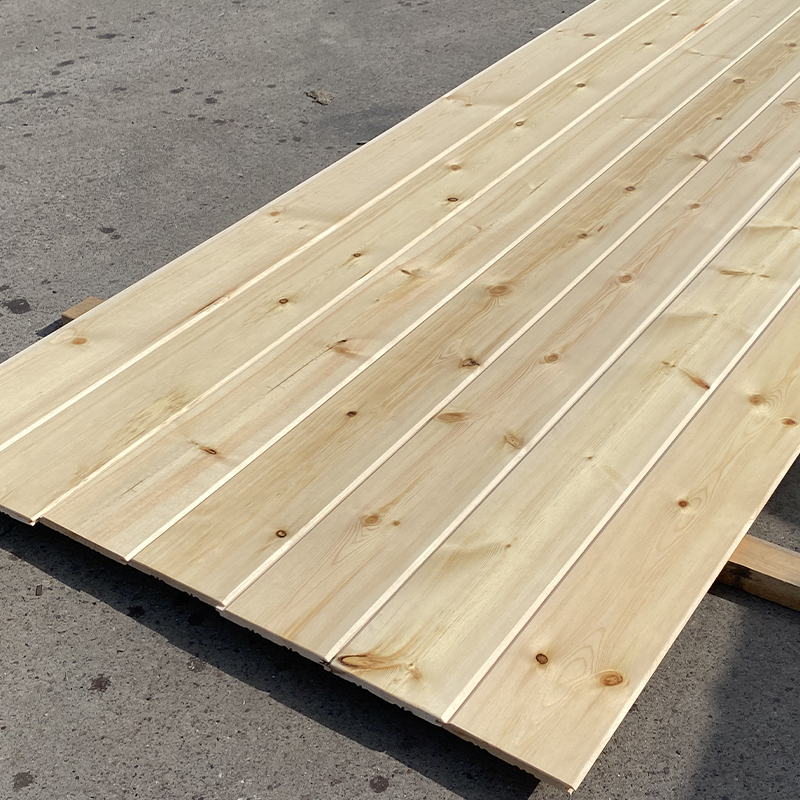
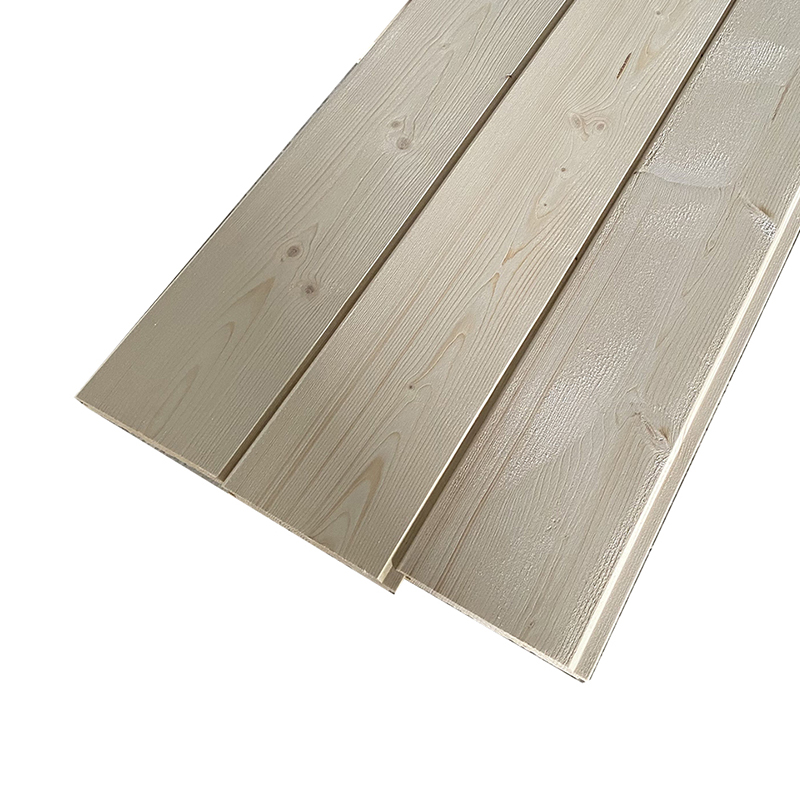
Among many decorative materials, Pine Tongue and Groove Wall Panels have gained attention for their ability to combine natural beauty with practical installation systems. These wooden panels are commonly used in residential and commercial interiors because they support interior decoration, natural materials, installation methods, environmental performance, and home design style at the same time.
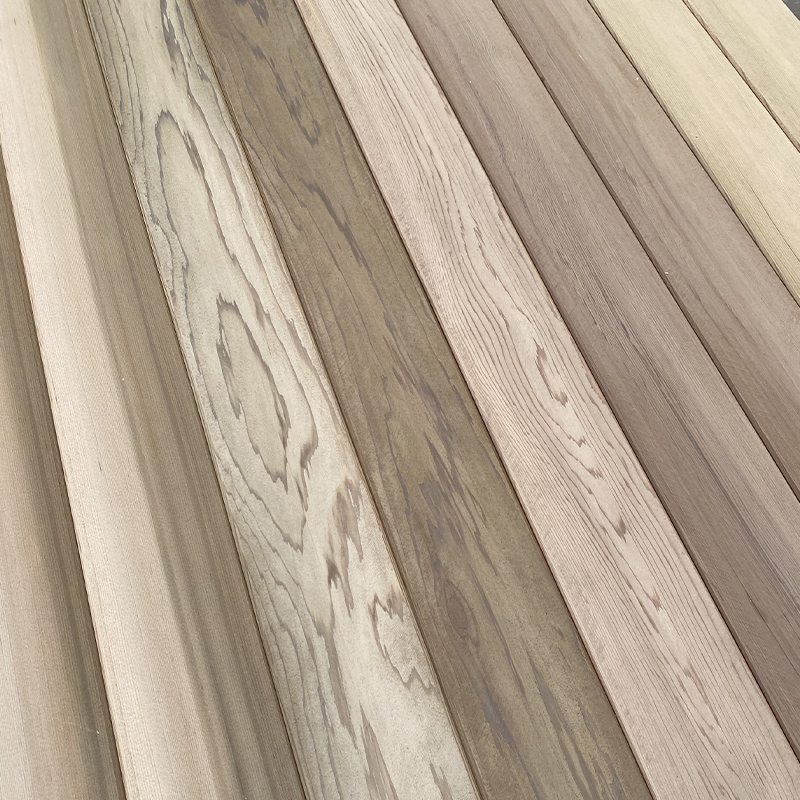
Pine wood offers a light color tone and natural grain patterns that can bring a comfortable and welcoming atmosphere to indoor environments. When combined with a tongue and groove structure, the panels create a clean and structured wall surface that enhances the overall visual design of a space. From living rooms and bedrooms to cafes and boutique shops, pine wall panels are used in many design projects where natural textures are appreciated.
Why Are Natural Materials Becoming Popular in Interior Decoration?
Interior decoration trends often change over time, but natural materials continue to attract attention in many design styles. Designers and homeowners increasingly look for materials that create a comfortable indoor environment while maintaining visual appeal. Natural materials such as wood, stone, and bamboo are often used to introduce organic textures into interior spaces.
Among these materials, pine wood panels are widely recognized for their adaptability and decorative qualities. Pine tongue and groove panels allow natural wood textures to become a central element in interior design while still supporting practical installation and maintenance.
What Makes Pine a Popular Natural Material for Wall Panels?
Pine wood has long been used in furniture and construction because it is widely available and relatively easy to work with. As a natural material, pine offers characteristics that make it suitable for wall panels and interior decoration projects.
One of the main reasons pine is used for wall panels is its balanced combination of appearance and practicality. The wood features soft grain patterns and a warm tone that fits well with many home design styles.
Important characteristics of pine include:
- Light color that brightens indoor spaces
- Visible wood grain patterns that enhance decoration
- Flexible processing for panel manufacturing
- Compatibility with stains, paints, and finishes
Because of these qualities, pine panels are commonly used to create decorative walls that highlight natural materials in interior spaces.
How Do Natural Wood Panels Improve Indoor Atmosphere?
Natural wood panels can significantly influence how a room feels and looks. Compared with flat painted walls, wood panels add texture and visual warmth. Pine tongue and groove panels allow the natural pattern of wood to remain visible, which can create a comfortable indoor atmosphere.
Many designers choose wood panels when they want to soften the appearance of a room. Wood surfaces often reflect light differently than painted drywall, which can help create depth and visual interest.
Natural wood panels improve indoor atmosphere in several ways:
- They add warmth and natural color to interior decoration
- They create visual texture on walls
- They help balance modern furniture with organic materials
- They contribute to a comfortable living environment
These features make wooden panels a valuable option for homeowners who want interiors that feel natural and welcoming.
Why Do Homeowners Prefer Natural Materials in Modern Interior Design?
In modern interior design, there is growing interest in materials that support both aesthetics and healthy living environments. Many homeowners prefer materials that come from natural sources because they connect indoor spaces with nature.
Natural materials also provide visual variety compared with synthetic surfaces. Pine wall panels, for example, display unique wood grain patterns that add individuality to interior spaces.
Reasons homeowners prefer natural materials include:
- Desire for warm and comfortable interior decoration
- Interest in sustainable building materials
- Appreciation for organic textures and natural colors
- Compatibility with different home design styles
Because of these factors, pine tongue and groove wall panels remain popular in many interior design projects.
How Do Pine Tongue and Groove Panels Improve Interior Decoration?
Interior decoration often focuses on combining materials, colors, and textures to create a balanced and comfortable living environment. Walls are one of the largest visual elements in any room, so the materials used on wall surfaces can strongly influence the overall atmosphere of a space. Pine tongue and groove panels contribute to interior decoration by offering a natural appearance, clear structure, and flexible design possibilities.
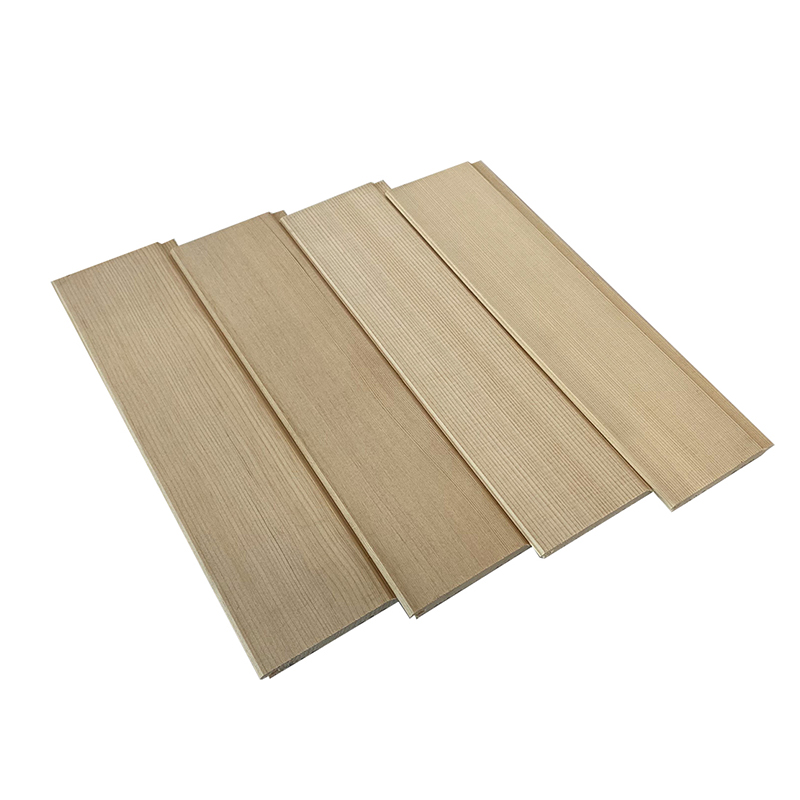
The tongue and groove design allows panels to connect tightly while maintaining a uniform appearance. Each board fits into the next through a simple interlocking system, creating a continuous wall surface with consistent spacing between boards.
Beyond structural advantages, pine panels also provide visual warmth that many other wall materials cannot easily achieve. Natural wood grain patterns bring subtle variations in color and texture.
Another advantage of pine tongue and groove panels in interior decoration is their versatility. These panels can be installed vertically, horizontally, or even diagonally depending on the design concept.
Pine panels also integrate easily with other decorative materials such as stone, metal, glass, or painted surfaces.
In addition, pine wall panels can support a variety of finishing options. Depending on the desired interior style, the panels may be left in their natural color, treated with clear coatings, or stained to achieve different shades.
From a functional perspective, pine tongue and groove panels also help improve wall durability and protect underlying wall structures from minor impacts.
How Does the Tongue and Groove Structure Create a Seamless Wall Surface?
The tongue and groove system is designed to allow wooden boards to fit together securely. One edge of the panel contains a protruding tongue, while the opposite edge contains a groove.
This system helps create a smooth and continuous wall appearance.
Advantages of the tongue and groove structure include:
- Strong connection between panels
- Reduced visible gaps on the wall surface
- Improved alignment during installation
- Enhanced decorative appearance
How Can Wooden Wall Panels Add Texture and Depth to Interior Spaces?
Flat wall surfaces can sometimes make interior spaces appear plain. Wooden wall panels introduce depth and texture.
- Visible wood grain patterns create natural variation
- Panel lines provide vertical or horizontal design accents
- Lighting interacts with the wood surface to create depth
- Natural materials contrast with smooth furniture surfaces
How Do Pine Wall Panels Work with Different Interior Decoration Styles?
- Nordic design emphasizing natural materials
- Rustic style creating a cozy atmosphere
- Modern minimalism balancing neutral colors
- Cabin or lodge style defining natural spaces
What Are the Common Installation Methods for Tongue and Groove Wall Panels?
How Does the Tongue and Groove System Simplify Installation?
- Easier panel alignment
- Reduced need for visible fasteners
- Faster installation compared with some wall materials
- Consistent spacing between boards
Can Pine Wall Panels Be Installed as a DIY Project?
- Using appropriate cutting tools
- Measuring wall dimensions carefully
- Securing panels to a stable surface
- Maintaining straight panel alignment
What Preparation Is Needed Before Installing Wall Panels?
- Checking that the wall surface is flat and dry
- Installing a supporting framework if necessary
- Measuring and planning panel layout
- Allowing the wood to adapt to indoor humidity levels
How Do Pine Wall Panels Support Environmental Performance?
Why Are Wood Wall Panels Considered Environmentally Friendly?
- Renewable natural resource
- Lower energy consumption in production
- Potential for recycling or reuse
- Natural appearance reducing additional decoration
How Does Pine Contribute to a Healthier Indoor Environment?
- Providing a natural material surface
- Supporting balanced interior humidity conditions
- Creating a warm and relaxing atmosphere
- Reducing the need for additional decorative coatings
What Role Do Sustainable Materials Play in Modern Construction?
- Encouraging responsible resource management
- Supporting long-term building durability
- Enhancing natural aesthetics
- Aligning with environmentally conscious design principles
How Do Pine Tongue and Groove Panels Influence Home Design Style?
How Do Wooden Wall Panels Shape the Visual Style of a Home?
- Highlighting natural textures
- Adding architectural interest to walls
- Balancing modern and traditional elements
- Creating a warm and inviting atmosphere
Which Home Design Styles Work Well with Pine Wall Panels?
- Nordic and Scandinavian interiors
- Rustic and farmhouse designs
- Contemporary minimalist spaces
- Mountain lodge or cabin interiors
How Can Designers Combine Wood Panels with Other Interior Materials?
- Wood panels with stone accents
- Wood walls paired with metal lighting fixtures
- Wood surfaces combined with glass partitions
- Natural wood with neutral textiles
Material Comparison Table
| Feature |
Pine Tongue and Groove Wall Panels |
Traditional Painted Wall |
| Material Type |
Natural wood |
Drywall with paint |
| Visual Texture |
Visible wood grain |
Smooth flat surface |
| Interior Decoration Impact |
Adds warmth and depth |
Simple visual appearance |
| Installation Method |
Interlocking tongue and groove |
Standard drywall finishing |
| Environmental Performance |
Renewable natural material |
Depends on paint and materials |
References
1. Forest Products Laboratory, U.S. Department of Agriculture. (2021). Wood Handbook: Wood as an Engineering Material.
2. Food and Agriculture Organization of the United Nations (FAO). (2020). Global Forest Resources Assessment.
3. American Wood Council (AWC). (2022). Wood Products and Their Applications in Construction.
4. APA – The Engineered Wood Association. (2021). Wood Panel Installation and Performance Guidelines.
5. International Wood Products Association (IWPA). (2023). Sustainable Wood Materials in Building Design.


 English
 한국어
한국어 Español