What Makes Spruce Tongue and Groove Wall Panels Ideal for Interior Design?
How Does Spruce Wood Enhance Aesthetic Appeal in Your Space?
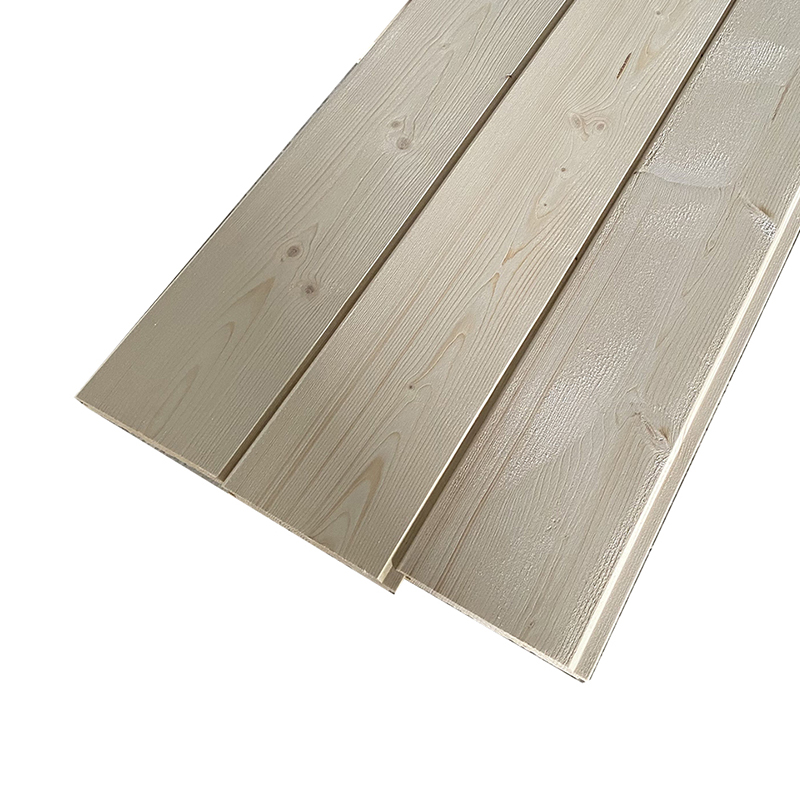
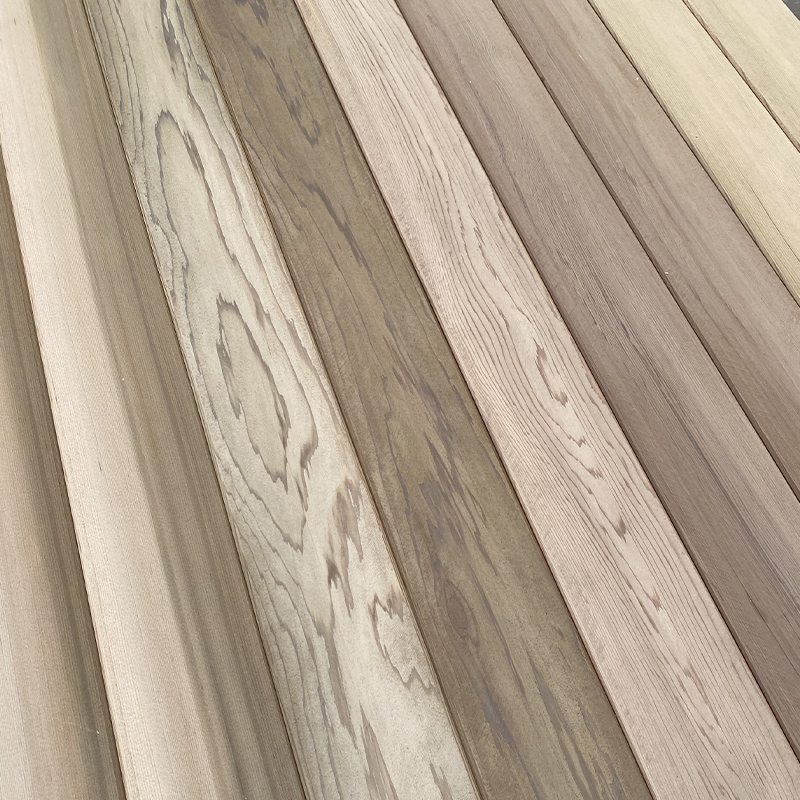
Spruce wood is widely celebrated for its natural beauty, making it a popular choice in both traditional and modern interior designs. Its pale, light color with subtle variations in grain makes it perfect for creating a warm, welcoming atmosphere in any room. Unlike darker woods that can sometimes overwhelm a space, spruce has a soft, neutral tone that complements a wide range of color schemes, from earthy, rustic tones to bright, contemporary hues.
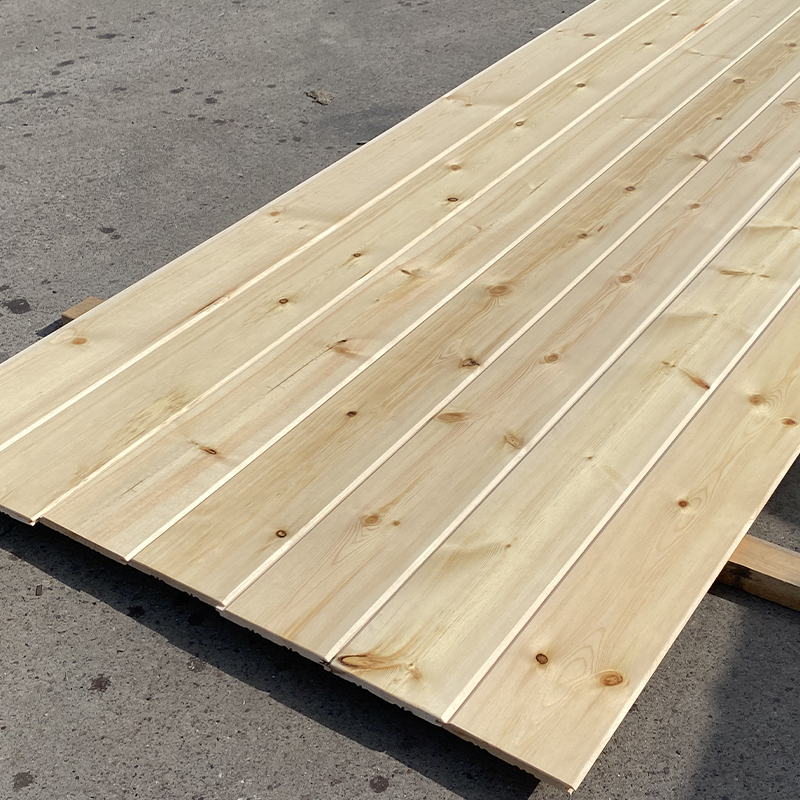
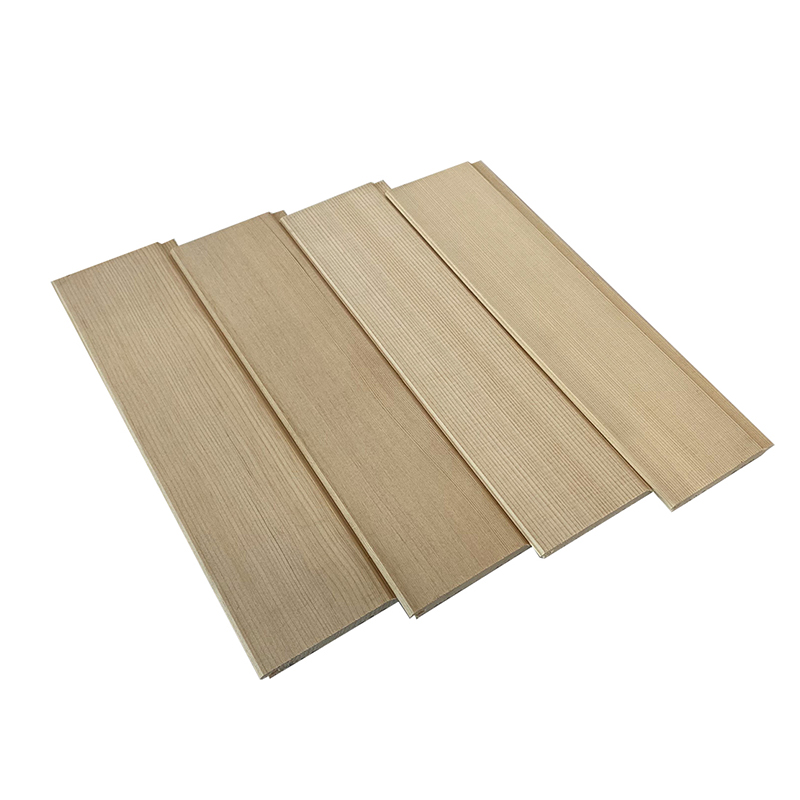
The tongue and groove system also adds a touch of craftsmanship and sophistication, as the interlocking panels create a smooth, seamless surface that enhances the overall visual appeal of a room. Whether you're designing a living room, bedroom, or home office, spruce panels can transform any space with their classic yet modern aesthetic.
With its timeless charm, spruce wood can be left in its natural state or stained to bring out its natural grain, allowing you to match it perfectly with your interior décor. This flexibility makes spruce tongue and groove panels an ideal material for homes, cafés, offices, or any commercial space.
How Does the Tongue and Groove System Create Seamless Walls?
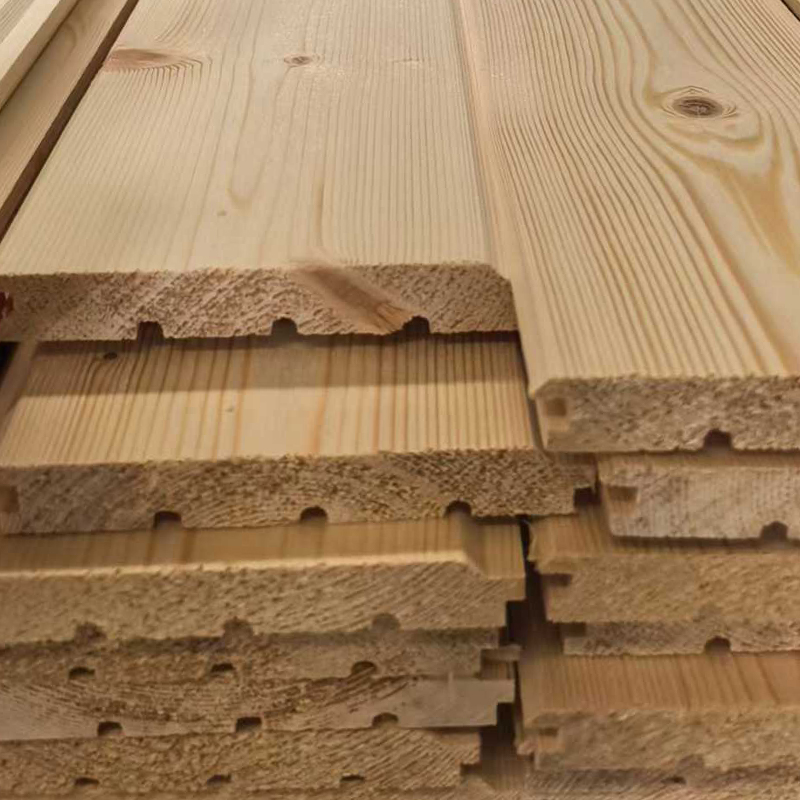
One of the standout features of spruce tongue and groove wall panels is their ability to form a seamless surface. The interlocking design—where one panel’s tongue fits into another’s groove—creates a continuous, flawless wall that not only looks great but also functions well. The tongue and groove system eliminates the possibility of unsightly gaps that are common in traditional wall paneling, giving your space a polished, professional finish.
Additionally, the tight-fitting panels help to create a more stable and durable surface. As the wood naturally expands or contracts with changes in temperature and humidity, the tongue and groove joints allow the panels to stay securely in place, reducing the risk of shifting or warping over time. This feature makes spruce tongue and groove panels especially suitable for areas where environmental conditions fluctuate, such as kitchens or bathrooms.
How Does the Tongue and Groove Design Enhance the Durability of Spruce Wall Panels?
How Do Tongue and Groove Joints Provide Strength and Stability?
The tongue and groove system offers superior strength and stability compared to other wall paneling options. This design allows the panels to lock together tightly, distributing weight evenly and preventing gaps from forming. The interlocking joints also minimize the risk of damage caused by physical impact, making spruce tongue and groove panels much more durable than regular wall panels.
Furthermore, this design provides greater stability in the long run. When installed correctly, these panels are less likely to warp, sag, or shift over time, ensuring your wall looks as good years down the road as it did when first installed.
Why Is Tongue and Groove Paneling a Long-Lasting Solution for Homes and Businesses?
Due to their tight-fitting design, spruce tongue and groove wall panels are an incredibly durable solution for both homes and businesses. The panels are designed to resist movement and gaps, so they stay intact even under pressure. This makes them an excellent choice for high-traffic areas or spaces that experience changes in temperature or humidity. Whether you're using them in a living room, office, or restaurant, these panels will stand the test of time, maintaining their structural integrity and beauty for years to come.
Additionally, because the wood is naturally strong and resistant to wear and tear, spruce panels often require fewer repairs or replacements than other materials, saving you money in the long run.
What Are the Environmental Benefits of Choosing Spruce Wood for Wall Panels?
How Does Spruce Wood Promote Sustainability in Building Projects?
As environmental concerns continue to grow, sustainable building materials are becoming more important to consumers. Spruce wood is a renewable resource, meaning it can be harvested and replenished quickly, making it an eco-friendly choice for your walls. Additionally, many manufacturers who produce spruce tongue and groove panels adhere to sustainable forestry practices, ensuring that the wood is harvested responsibly without contributing to deforestation.
Choosing spruce wood for your wall panels also supports carbon sequestration. Trees, including spruce, absorb carbon dioxide from the atmosphere as they grow, making them a natural ally in the fight against climate change. Using spruce wood helps reduce the overall environmental impact of construction materials.
How Can Spruce Wood Help Reduce Environmental Impact in Construction?
Spruce wood requires less energy to produce compared to synthetic materials like MDF or PVC. These other materials often rely on chemicals or non-renewable resources, whereas spruce wood is naturally biodegradable and can be recycled at the end of its lifecycle. This makes spruce tongue and groove wall panels a more environmentally responsible choice compared to plastic or composite alternatives.
Moreover, spruce is lighter than many other hardwoods, which means it requires less energy for transportation. Its relatively quick growth cycle also means that it can be harvested in a more sustainable manner, making it an attractive option for eco-conscious builders and homeowners.
How to Install Spruce Tongue and Groove Wall Panels Like a Professional?
What Tools Are Needed for Installing Spruce Wall Panels?
Installing spruce tongue and groove wall panels doesn’t require a professional if you have the right tools and a bit of guidance. Here’s a quick list of the tools you’ll need for a successful installation:
Measuring Tape: For precise measurements to ensure the panels fit the space perfectly.
Level: To make sure the panels are installed straight and even.
Nail Gun or Hammer: To secure the panels in place.
Circular Saw: For cutting the panels to size.
Pencil: To mark where to cut or nail.
If you're installing the panels yourself, ensure that you have adequate time, as this is a methodical process that requires attention to detail. Many people find that spruce tongue and groove panels are easy to handle due to their lightweight and durable nature.
Can a DIY Installer Handle Spruce Tongue and Groove Wall Panel Installation?
Yes, spruce tongue and groove wall panels are a great option for DIY projects. Thanks to the tongue and groove system, installation is straightforward, especially for homeowners or hobbyists with basic carpentry skills. The interlocking design means you don’t have to worry about complex cutting or measuring, which makes the installation process relatively quick and simple.
However, for those with limited experience in woodwork, it’s helpful to follow a step-by-step guide or consult a professional for assistance. As long as you have the right tools and take your time, DIY installation is certainly achievable.
Spruce Tongue and Groove Panels vs. Other Wall Paneling Options: Which Is Best?
How Does Spruce Compare to Other Types of Wood for Wall Paneling?
Spruce wood stands out from other wood types, like pine and cedar, for several reasons. Here’s a breakdown of how spruce compares to other popular wall panel materials:
|
Wood Type
|
Pros
|
Cons
|
Price Range
|
|
Spruce
|
Affordable, easy to work with, versatile
|
May require more maintenance over time
|
$$
|
|
Pine
|
Readily available, easy to stain or paint
|
Softer, more prone to dents
|
$$
|
|
Cedar
|
Naturally resistant to moisture, great for outdoor use
|
Expensive, has a strong odor
|
$$$
|
While cedar offers moisture resistance and a pleasing fragrance, spruce is a more affordable option, making it the go-to choice for many projects. It strikes a perfect balance between price and quality, making it ideal for a wide range of applications, from interior to exterior use.
What Are the Maintenance and Care Tips for Spruce Tongue and Groove Wall Panels?
How to Properly Clean and Maintain Your Spruce Wall Panels?
Maintaining spruce tongue and groove wall panels is relatively simple. Regular dusting with a microfiber cloth is recommended to keep dirt and dust from building up. For more thorough cleaning, use a damp cloth with a mild soap solution to wipe down the panels. Always avoid using harsh chemicals, as they can damage the wood's finish.
Additionally, if your walls are exposed to high humidity or fluctuating temperatures, it’s important to check for signs of moisture damage periodically and reseal the panels as needed to protect against water infiltration.
How Often Should You Reseal or Refinish Spruce Panels?
Depending on the wear and tear of your spruce panels, it’s advisable to reseal or refinish the wood every 2-3 years. This will help protect the wood’s finish, preventing damage from moisture, sunlight, or other environmental factors. Refinishing also gives the panels a fresh look, enhancing their natural beauty.
References
1.“Spruce Wood: A Sustainable Choice for Modern Building Projects” by Jane Doe, Green Building Review, 2022.
2.“Why Tongue and Groove Paneling is a Favorite Among Homeowners” by John Smith, Interior Design Weekly, 2023.
3.“Eco-Friendly Wall Panels: Benefits of Choosing Spruce” by Mark Johnson, Sustainable Living Magazine, 2021.
4.“How to Install Spruce Wall Panels: A Step-by-Step Guide” by Emily Green, Home Improvement Journal, 2022.



 English
 한국어
한국어 Español