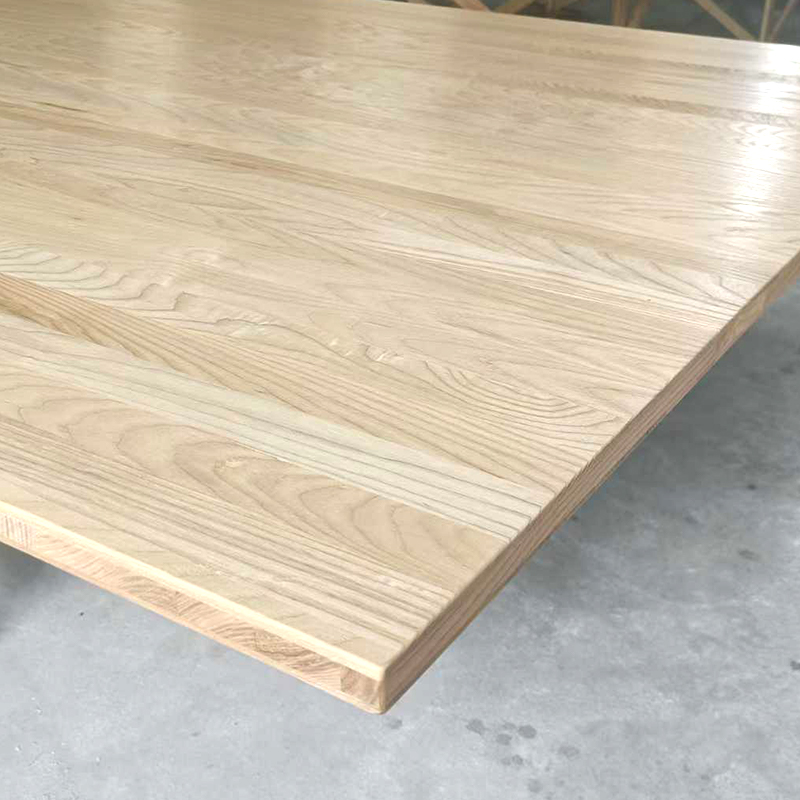
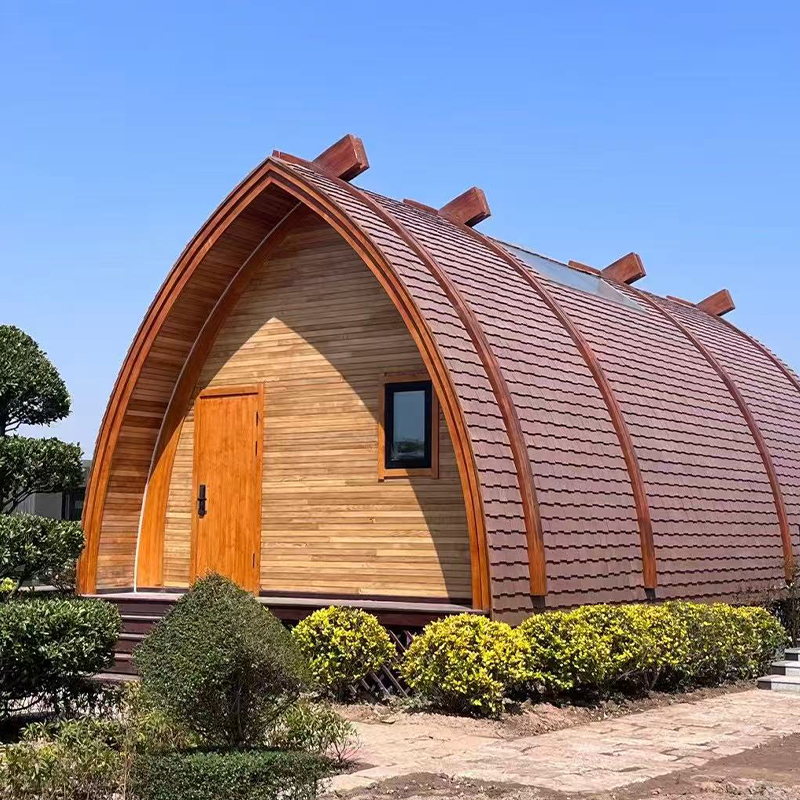
An outdoor sign takes punishment that indoor woodwork never sees. Rain sits in end grain, sun dries and bleaches the surface, frost opens small checks into larger ones, and humidity swings make the board move season after season. The species you choose decides most of what happens next, long before the first coat of finish goes on.
There is no single perfect answer. A carved house name tucked under a porch eave and a large routed board on an exposed gatepost are different problems. The practical approach is to match the wood to the exposure it will actually face, then detail and finish it so the material can do its job.
What Makes a Wood Right for Outdoor Signs
Four properties decide whether a species belongs outdoors, and they rarely all point in the same direction.
- Decay resistance. The heartwood of some species carries extractives that fungi and insects avoid, including cedar, cypress, black locust, teak, and merbau. Sapwood of almost any species is vulnerable, which is why softwoods are usually pressure treated instead.
- Dimensional stability. Wood swells and shrinks as moisture changes. Species that move little, such as western red cedar and teak, keep joints tight and lettering aligned. Movement-prone woods crack paint and open glue lines.
- Workability. Sign making means routing, carving, and sanding. Soft, straight-grained stock cuts cleanly and holds fine detail; very hard species resist dents and impact but blunt tooling quickly.
- Finish behavior. Some woods accept paint and clear coats evenly. Others are oily or resinous and need special preparation. A species that will not hold a finish becomes a maintenance problem.
Best Woods for Outdoor Signs at a Glance
The ratings below are comparative rather than absolute, and they assume heartwood stock with a maintained finish.
Ratings are relative to one another and describe general tendencies; site exposure, grain orientation, and detailing can shift the outcome in either direction.
| Wood |
Decay resistance |
Stability |
Workability |
Relative cost |
Typical sign use |
| Western red cedar |
High |
High |
Excellent |
Moderate |
Carved and routed signs, panels |
| Cypress and redwood |
High |
High |
Very good |
Moderate to high |
Fine carved detail, coastal work |
| Black locust |
Very high |
Moderate |
Difficult |
Moderate |
Posts, frames, rustic boards |
| White oak |
High above ground |
Moderate |
Good |
High |
Painted signs, heavy spans |
| Teak, merbau, ipe |
Very high |
High |
Difficult |
High |
Premium and wet-site signs |
| Pressure-treated pine |
Moderate to high |
Moderate |
Easy |
Low |
Large painted boards |
Species Notes and Where Each One Shines
Western red cedar
If you want one dependable default, this is it. Western red cedar is light, dimensionally stable, and naturally resistant to decay, and it machines cleanly under a router bit. It carves well, holds paint and stain, and weathers to a soft silver gray when left bare. The trade-offs are softness and price: cedar dents more easily than oak or merbau, and long unsupported panels need extra thickness. It is sold as decking, siding, shingles, and trim, and any of those can be cut down or glued into a blank.
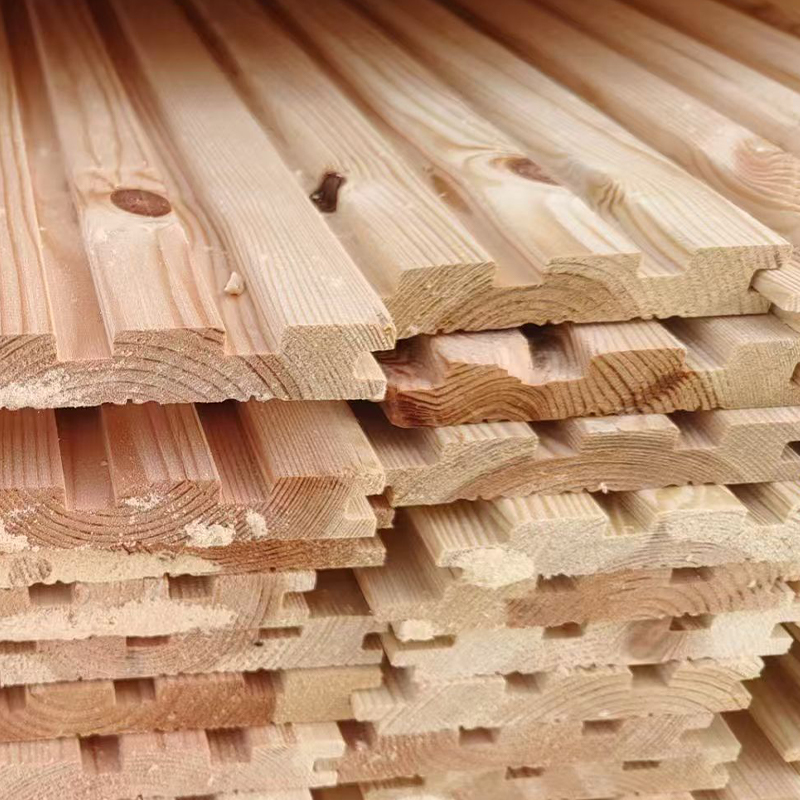
 Western Red Cedar Tongue and Groove Wall PanelsA dependable cedar cladding choice with fine grain, stable machining, and natural decay resistance; tongue-and-groove boards suit wall panels and glued blanks.View Product →
Face-glued tongue and groove boards are a good example: matched boards jointed edge to edge make a wide, flat panel, and if the grain is aligned the seams nearly disappear under finish.
Cypress, redwood, and Spanish cedar
These belong to the same practical family as cedar: naturally durable, reasonably stable, and pleasant to work. Cypress has an interlocked grain that resists splitting and takes fine carved detail well. Redwood is soft and straight grained, among the easiest species to carve cleanly. Spanish cedar is lighter than mahogany but shares its durability and its tendency to dull cutting edges a little faster. Regional availability usually decides between them.
Black locust and white oak
When the sign is structural, or the posts will touch soil, these two come into play. Black locust is among the most decay-resistant woods in the temperate world and is a classic choice for fence posts and ground-contact frames. White oak is dense and rot resistant above ground, though it moves more than cedar and benefits from quarter-sawn stock and generous sealing. Both are heavy and hard on cutting edges.
Dense hardwoods: teak, merbau, and ipe
For coastal sites, fountains, or anywhere the sign stays damp, tropical hardwoods are the premium option. They resist insects and salt air, but they are expensive and hard to machine, and some are oily enough that glue and finish need extra preparation. Merbau is the practical middle ground: durable, widely available as decking, and stable enough for a sign panel once it is dry and the surface has been cleaned before coating.
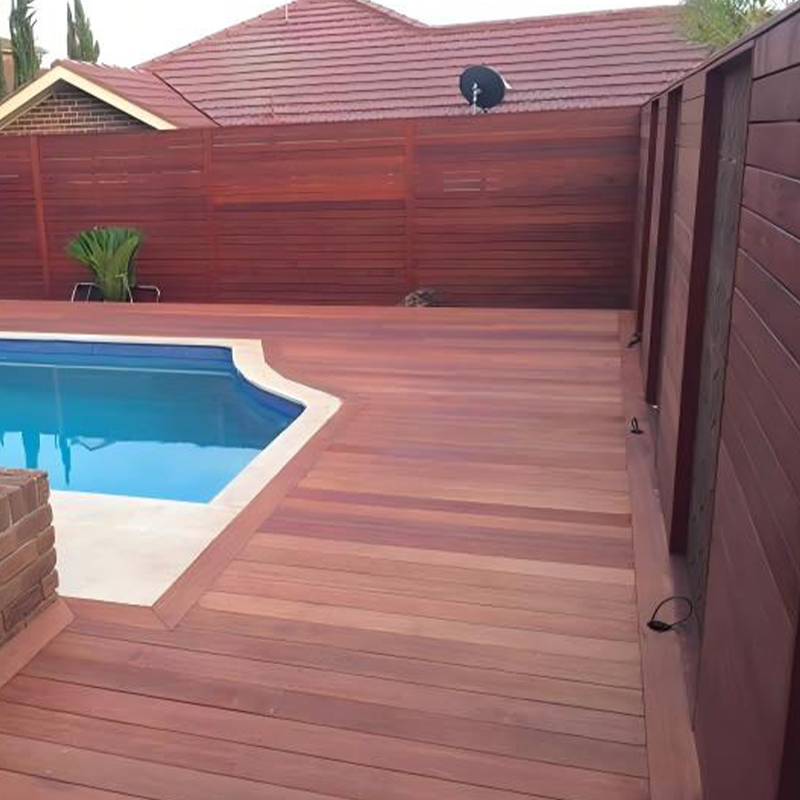 Merbau Hardwood Decking for Outdoor SpacesDurable reddish-brown hardwood with rot and insect resistance, stable for decks; Merbau also offers a practical middle ground for exposed outdoor panels.View Product →
Pressure-treated pine and sheet goods
Pressure-treated pine is the budget route. The treatment protects the timber, but the wood itself is soft, tends to check, and is usually painted because of its green or brown tint. It suits very large painted boards where cost and size matter more than appearance. Medium-density overlay plywood and high-density urethane board are common sign-shop alternatives: stable and easy to machine, but they are not wood, and they look and age differently.
Finishes, Charring, and Other Ways to Buy Time
Species selection sets the ceiling; the finish decides how close you get to it. Three routes dominate outdoor signs.
- Clear exterior coatings. Marine-grade spar urethane or varnish with UV inhibitors slows graying and keeps the grain visible, but needs recoating every one to three years in full sun.
- Penetrating oils. Tung and linseed based products feed the surface and are easy to touch up, but they offer less protection against moisture cycling.
- Paint. A good exterior paint system is the most durable option and the easiest to renew, provided every face and edge is coated.
A fourth option is charring. Shou sugi ban, the Japanese technique of burning a surface and brushing away the loose carbon, leaves a layer that resists water, insects, and ultraviolet light, and it needs no conventional recoating. Cedar and cypress respond best, and a charred panel with painted or gilded lettering reads clearly from a distance.
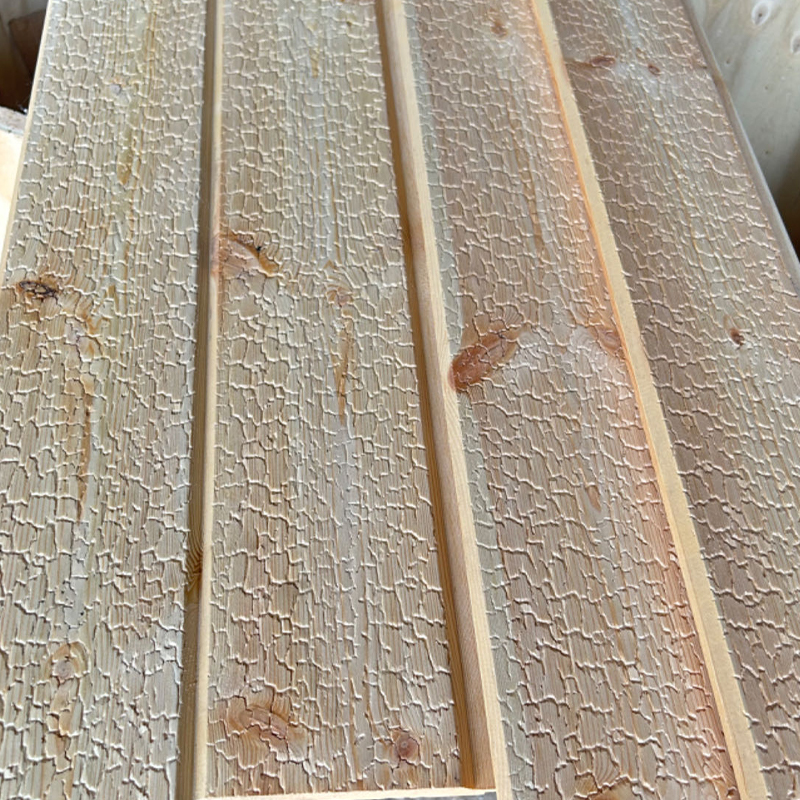 Shou Sugi Ban Charred Wood Wall PanelsCharred cedar panels use the Yakisugi technique to resist rot, pests, weather, and UV while adding deep black texture.View Product →
Design and Mounting Details That Decide Longevity
Two signs made from the same board can age very differently. These details usually explain why.
- Coat every face, including the back and bottom edge. An unsealed back absorbs moisture and pushes the panel into cupping.
- Run the grain along the longest dimension, and quarter saw the blank where possible so the face stays flat.
- Treat end grain generously. It drinks water several times faster than the face, so keep applying until it stops absorbing.
- Keep the bottom edge at least 150 mm above soil and splash lines, and slope the top so water runs off.
- Mount the panel on standoffs or a ventilated frame so air moves behind it and water never sits in a trapped pocket.
- Use stainless steel or hot-dip galvanized fasteners, and pre-drill hardwoods to prevent splitting.
Sourcing Boards, Blanks, and Custom Panels
Sign makers often find that the species they want is sold in profiles that were never intended for signage. Decking, cladding, shingles, and molding stock are all legitimate sources of durable boards: already kiln dried, graded, and dimensioned, which saves a great deal of preparation.
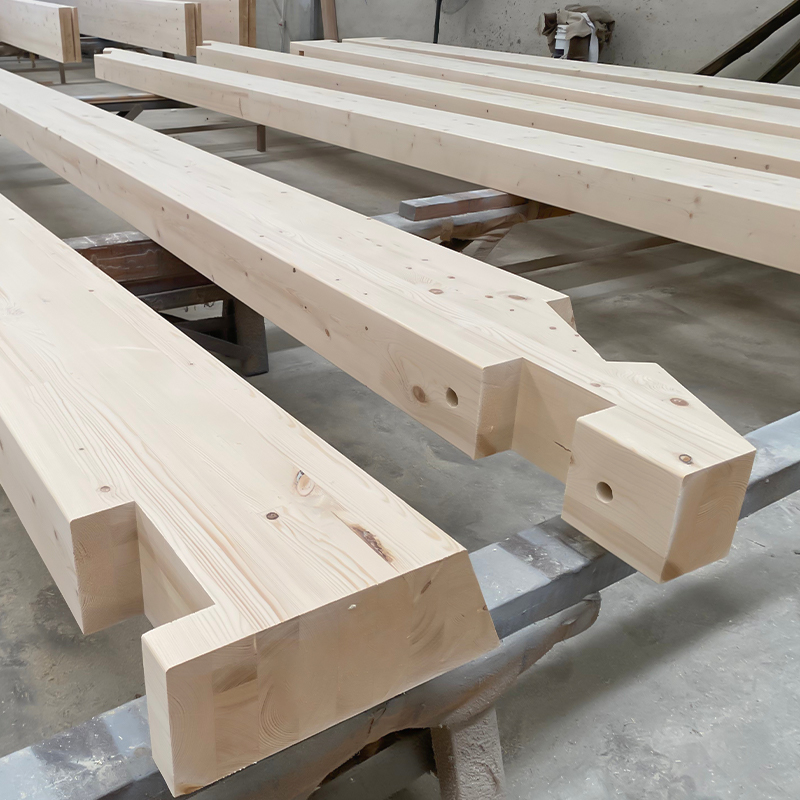
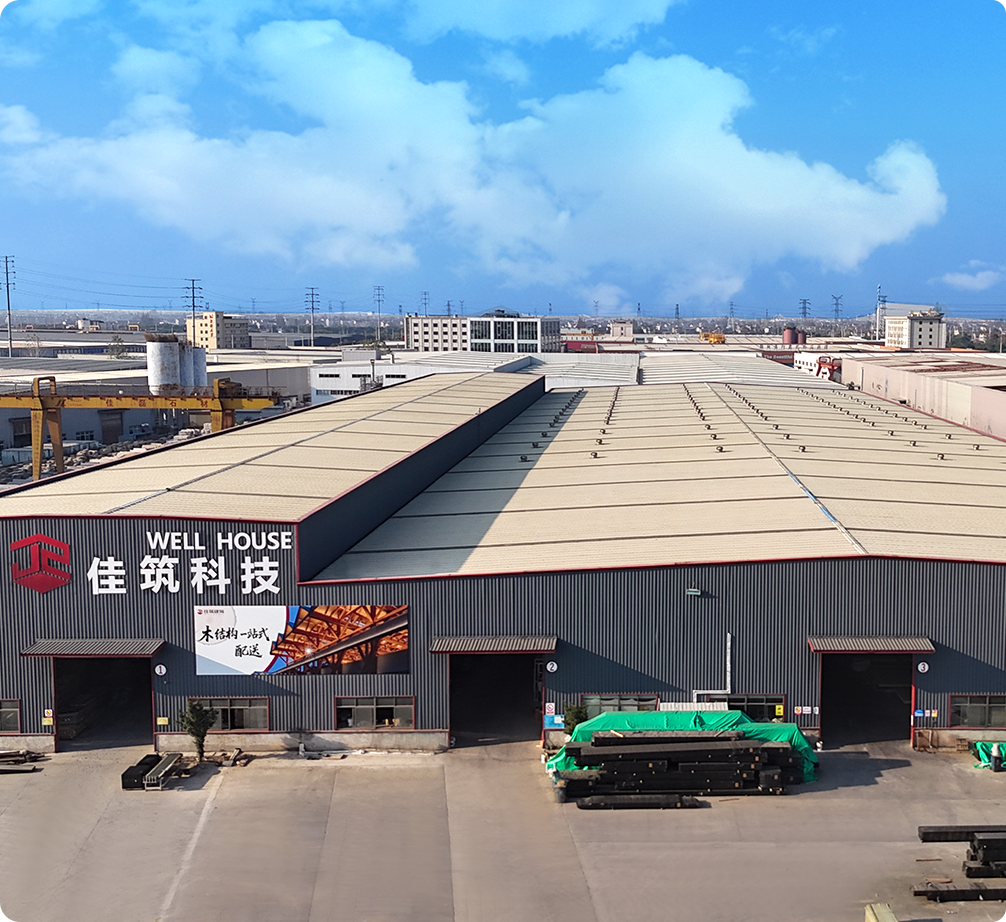
We have been manufacturing glued laminated timber and timber products since 2011, working from production bases in Nantong and Wuhan and supplying structural timber, exterior cladding, decking, shingles, and moldings. A sign project can therefore be supplied with matched boards in a single order instead of being assembled from whatever the local yard happens to have.
If the panel will sit in a fully exposed position, it is worth reading up on how to choose exterior wood cladding. The same logic about exposure, coating, and ventilation applies to signs, just on a smaller scale.
Care and Refinishing Rhythm
An outdoor sign rarely fails all at once. It fails at the edges first, then along the top, then across the face. Walking past it once a year and looking closely is the cheapest maintenance available.
- Twice a year: brush off debris, check that water is not pooling on the top edge or behind the panel, and tighten fasteners.
- Every one to three years: refresh clear coatings before they flake, sanding and touching up grayed areas first.
- Every five to ten years: sand back and recoat painted signs, and re-seal end grain at the same time.
- As needed: re-caulk open joints and replace fasteners that have started to corrode.
Common Questions About Outdoor Sign Wood
Is cedar better than pressure-treated pine for a sign?
For appearance and stability, yes. Cedar is naturally durable, lighter, and finishes beautifully. Pressure-treated pine costs less and works well when the sign will be painted and the budget is tight, but it checks more and looks plainer under a clear finish.
Can I use pine or maple if I seal it thoroughly?
You can, and sheltered signs in those species often last a few seasons when they are well coated. But maple, birch, ash, and beech have little natural decay resistance, and once water reaches bare wood through a coating failure, rot starts quickly. If the sign faces weather directly, choose a durable species rather than relying on the finish alone.
How thick should a sign blank be?
Small carved signs are usually fine at 20 to 25 mm, routed panels at 25 to 40 mm, and anything wider than roughly 900 mm benefits from a thicker blank, a frame, or a glued-up panel to control movement.

 English
 한국어
 Español