Wall paneling has experienced a significant resurgence in both residential and commercial interior design, valued not only for its warm, tactile aesthetic but also for the practical benefits it brings to acoustics, insulation, and wall durability. Within this broader trend, Custom Sustainable Tongue and Groove Wall Panels have carved out a distinct and growing niche, appealing to architects, designers, and homeowners who want the timeless appeal of interlocking wood paneling combined with responsibly sourced materials and design flexibility tailored to specific project needs. This article explores the construction, sustainability credentials, customization possibilities, and practical considerations surrounding this increasingly popular building material.
1. What Are Tongue and Groove Wall Panels
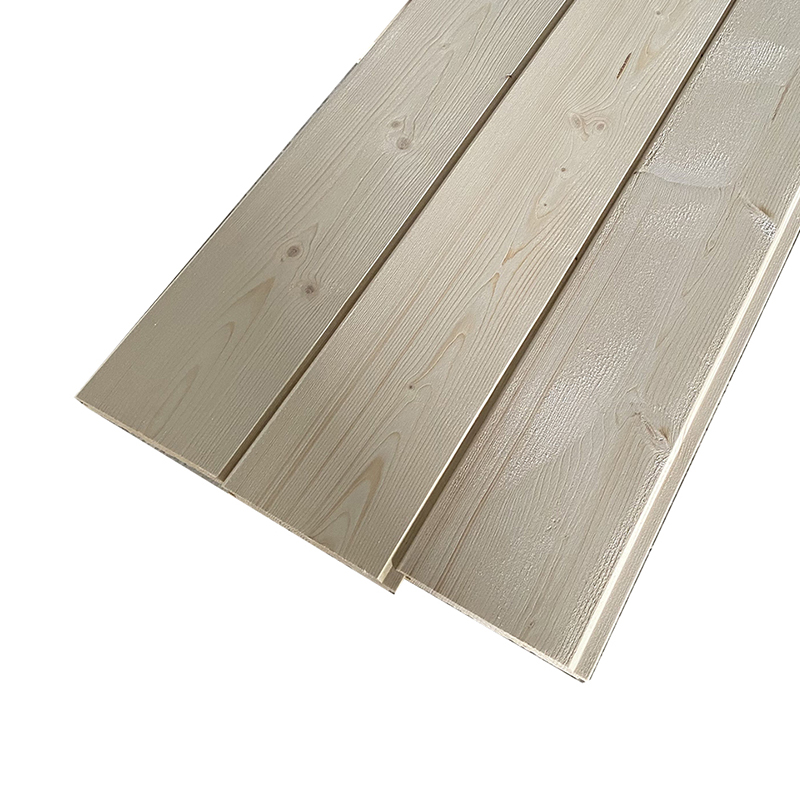
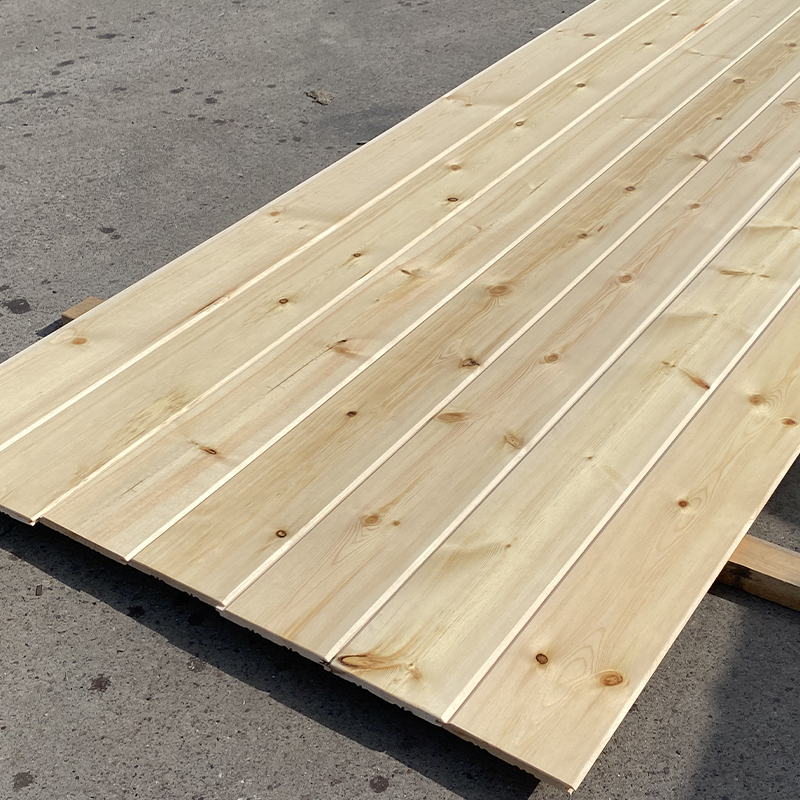
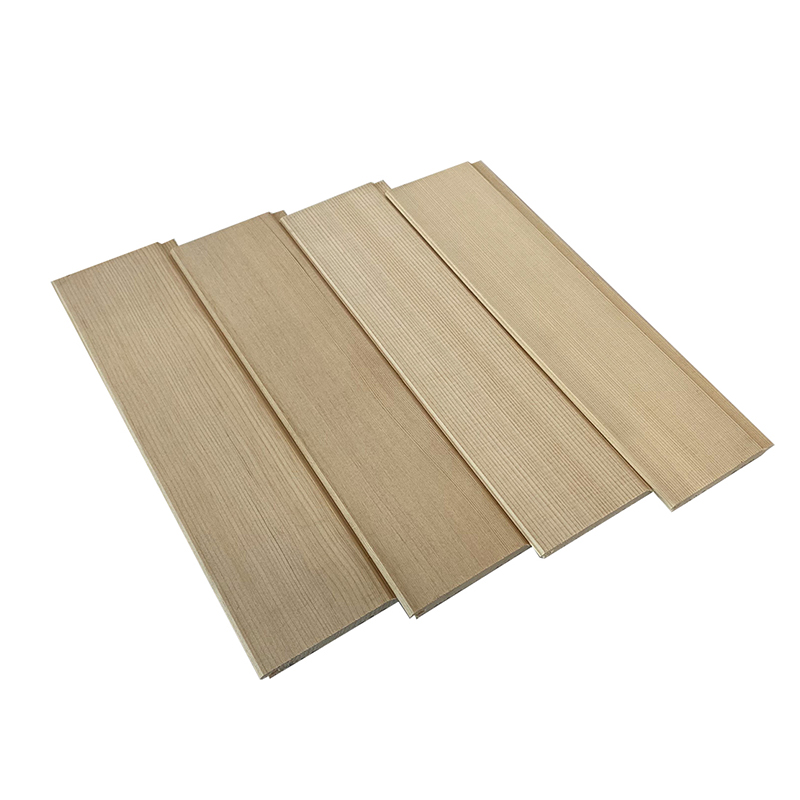
Tongue and groove wall panels are a paneling system in which each individual board features a protruding edge, or tongue, along one side and a corresponding recessed groove along the opposite side. When installed, the tongue of one panel fits snugly into the groove of the adjacent panel, creating a tightly interlocked, continuous wall surface without visible fasteners on the face of the panel. This interlocking joinery method has been used in woodworking and construction for centuries, prized for the clean, seamless appearance it produces and the structural stability it provides compared to simple butt-jointed boards.
The addition of "custom" and "sustainable" to this product category reflects two important evolutions in how these panels are now designed and manufactured. Customization refers to the ability to specify panel dimensions, wood species, surface finish, profile style, and even color treatments to match a specific design vision, rather than selecting from a limited set of standard off-the-shelf options. Sustainability refers to the sourcing of raw materials from responsibly managed forests, reclaimed wood sources, or rapidly renewable materials such as bamboo, along with manufacturing practices designed to minimize waste and environmental impact throughout the production process.
Quick Fact: Why Tongue and Groove Construction Matters
Beyond its visual appeal, tongue and groove construction allows individual boards to expand and contract slightly with changes in humidity and temperature without creating visible gaps or warping the overall wall surface, an important structural advantage over paneling systems that rely solely on adhesive or face-nailing methods.
2. Sustainable Material Sources for Wall Panels
The environmental credentials of tongue and groove wall panels depend heavily on the raw material sourcing decisions made during manufacturing. Several material categories have become particularly prominent among sustainability-focused panel producers.
2.1 FSC-Certified Solid Wood
Wood sourced from forests certified by the Forest Stewardship Council or comparable responsible forestry programs ensures that harvesting practices follow defined environmental and social criteria, including sustainable yield management and protection of biodiversity within managed forest areas. This certification provides buyers with a verifiable chain of custody from forest to finished panel.
2.2 Reclaimed and Salvaged Wood
Reclaimed wood panels are crafted from timber salvaged from old barns, factories, warehouses, and other structures being deconstructed, giving previously used material a new functional life rather than sending it to landfill. Reclaimed wood often carries distinctive weathering, nail holes, and patina that many designers specifically seek out for the character it brings to a finished space.
2.3 Rapidly Renewable Bamboo
Bamboo reaches harvestable maturity in a fraction of the time required for traditional hardwood trees, making it one of the most rapidly renewable materials available for wall paneling applications. Engineered bamboo panels can be manufactured with tongue and groove profiles while offering hardness and durability comparable to many traditional hardwood species.
2.4 Recycled Wood Composite Materials
Some manufacturers produce tongue and groove panels from engineered composite materials incorporating recycled wood fiber content, offering a lower-cost, dimensionally stable alternative to solid wood while still diverting waste wood material from landfill disposal.
3. Why Sustainable Wall Panels Matter Environmentally
Beyond the raw material sourcing itself, the broader environmental case for sustainable tongue and groove wall panels rests on several interconnected factors.
- Carbon Sequestration in Wood Products: Wood naturally stores carbon absorbed during tree growth, and this carbon generally remains locked within the material for the useful life of the panel, offering a favorable comparison to many synthetic building materials with higher embodied carbon footprints.
- Reduced Manufacturing Waste: Precision milling used in modern tongue and groove production, combined with the use of offcuts for smaller panel pieces or secondary products, helps minimize raw material waste compared to less efficient production methods.
- Long Product Lifespan: Solid wood and engineered wood panels, when properly installed and maintained, can remain in service for decades, reducing the frequency of wall surface replacement compared to shorter-lived synthetic wall coverings.
- Biodegradability at End of Life: Untreated or minimally finished wood panels are biodegradable, in contrast to vinyl or plastic-based wall covering products that persist indefinitely in landfill environments.
- Low-VOC Finishing Options: Many sustainability-focused manufacturers pair their panels with low-VOC or water-based finishing products, improving indoor air quality compared to solvent-heavy traditional wood finishes.
4. Customization Options Available for Tongue and Groove Panels
One of the defining appeals of custom tongue and groove wall panels is the extensive degree of personalization available compared to standard prefabricated paneling products.
4.1 Wood Species Selection
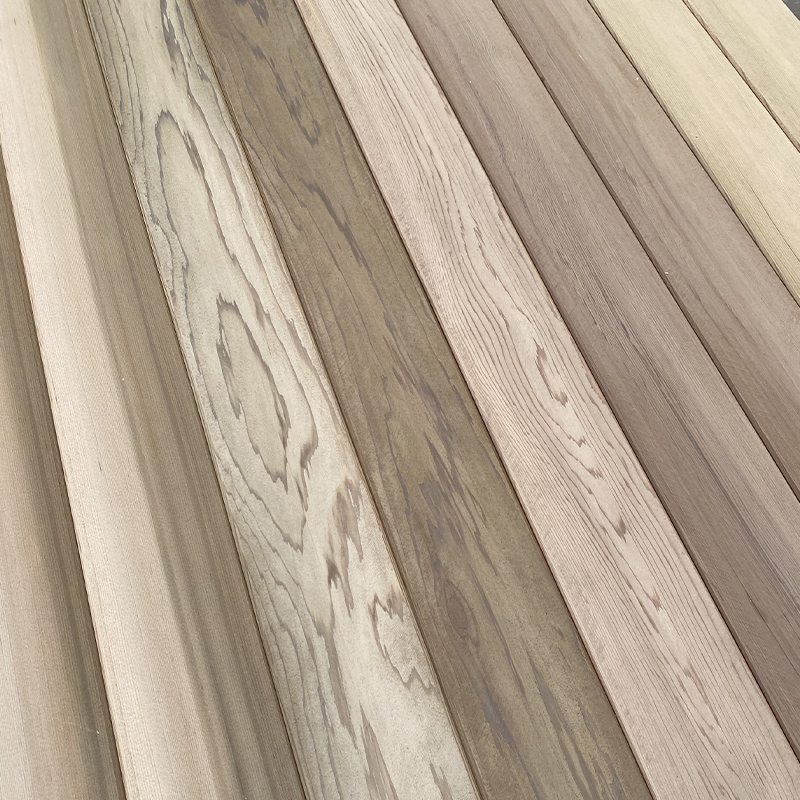
Buyers can typically choose from a range of wood species, each offering distinct grain patterns, natural coloration, and hardness characteristics, from lighter woods such as pine and ash to richer, darker options such as walnut or oak, allowing the paneling to align precisely with a project's design palette.
4.2 Profile and Joint Style
Beyond the basic tongue and groove joint mechanism, panels can be specified with various visible edge profiles, including beveled edges, V-groove reveals, shiplap-style overlaps, or flush seamless joints, each producing a distinct visual rhythm across the finished wall surface.
4.3 Board Width and Length
Custom milling allows panels to be produced in specific widths and lengths tailored to a project's dimensions and design intent, whether narrow traditional cottage-style boards or wide, modern plank profiles.
4.4 Surface Texture and Finish
Surface treatment options range from smooth, sanded finishes to hand-scraped, wire-brushed, or saw-textured surfaces that showcase more pronounced wood grain character, along with a variety of stain, oil, or clear-coat finishing options.
4.5 Color and Stain Treatments
Custom staining and whitewashing techniques allow designers to achieve specific color outcomes while still preserving the natural wood grain visibility that distinguishes genuine wood paneling from printed or laminate imitations.
5. Comparing Tongue and Groove Panels to Other Wall Finishing Options
| Comparison Criteria |
Tongue and Groove Wood Panels |
Painted Drywall |
Vinyl Wall Covering |
| Durability |
High, resistant to dents and scuffs |
Moderate, prone to cracking and dents |
Moderate, can tear or peel |
| Acoustic Performance |
Good sound diffusion qualities |
Reflects sound, limited absorption |
Minimal acoustic benefit |
| Environmental Impact |
Low with certified sustainable sourcing |
Moderate, gypsum production impact |
Higher, petroleum-based material |
| Lifespan |
Decades with proper care |
Requires repainting periodically |
Shorter, prone to fading and peeling |
| Repair and Maintenance |
Individual boards can be replaced |
Patching and repainting required |
Full section replacement often needed |
6. Functional Benefits Beyond Aesthetics
While visual appeal is often the primary motivation behind choosing wood paneling, tongue and groove wall panels offer several practical performance benefits that extend well beyond appearance alone.
6.1 Acoustic Improvement
The natural texture and slight surface irregularity of wood paneling helps diffuse and absorb sound more effectively than flat, hard surfaces such as drywall or tile, making it a popular choice for home theaters, offices, restaurants, and other spaces where acoustic comfort is a priority.
6.2 Added Thermal Insulation
When installed with an appropriate air gap or furring strip system, wood paneling can contribute modest additional thermal insulation to a wall assembly, helping to moderate indoor temperature fluctuations, particularly in older buildings with less efficient original wall construction.
6.3 Impact and Wear Resistance
Solid wood panels generally withstand everyday impacts, scuffs, and general wear better than painted drywall, making them a practical choice for high-traffic areas such as hallways, stairwells, and commercial spaces.
6.4 Ease of Localized Repair
Because tongue and groove panels are installed as individual interlocking boards, a damaged section can often be removed and replaced without disturbing the entire wall surface, offering a practical repair advantage over continuous wall coverings that may require full-section replacement.
7. Certifications and Standards to Look For
Verifying genuine sustainability claims requires attention to recognized third-party certifications rather than general marketing language alone.
FSC Chain of Custody Certification: Confirms that wood used in the panels can be traced back through the supply chain to a responsibly managed forest source, providing verifiable assurance of sustainable sourcing practices.
GREENGUARD Gold Certification: Evaluates chemical emissions from building materials, including finished wood panels, helping ensure that products contribute to healthier indoor air quality, an important consideration given the emissions potential of certain adhesives and finishes.
LEED Contribution Credits: Sustainable wood paneling products meeting specific sourcing and emissions criteria can contribute toward Leadership in Energy and Environmental Design certification points for commercial and residential construction projects.
CARB Phase 2 Compliance: Relevant for engineered wood composite panels, this California Air Resources Board standard limits formaldehyde emissions from composite wood products, a widely referenced benchmark even outside California.
Reclaimed Material Verification: For panels marketed as reclaimed or salvaged wood, look for documentation confirming the material's original source and age, since this designation should be independently verifiable rather than taken solely on manufacturer claims.
8. Common Applications Across Residential and Commercial Spaces
| Setting |
Common Placement |
Primary Benefit Sought |
| Residential Living Rooms |
Accent walls, fireplace surrounds |
Warmth and visual character |
| Bedrooms and Nurseries |
Headboard walls, full room paneling |
Low-VOC finishes for indoor air quality |
| Restaurants and Cafes |
Feature walls, ceiling treatments |
Acoustic comfort and brand character |
| Offices and Coworking Spaces |
Meeting rooms, reception areas |
Acoustic control and biophilic design |
| Hospitality and Boutique Hotels |
Lobby walls, guest room accents |
Distinctive, memorable guest experience |
9. Installation Considerations
Proper installation is essential to achieving both the aesthetic and functional benefits that tongue and groove wall panels are designed to provide.
- Acclimation Period: Wood panels should be allowed to acclimate to the humidity and temperature conditions of the installation space for a period before installation, reducing the risk of excessive expansion or contraction after the panels are fixed in place.
- Substrate Preparation: The underlying wall surface should be clean, dry, and structurally sound, with furring strips often used to create a level installation plane and, when appropriate, an air gap for improved insulation performance.
- Fastening Method: Blind nailing through the tongue of each board is a common installation technique that conceals fasteners from view, preserving the clean, seamless appearance that makes tongue and groove paneling so visually appealing.
- Expansion Gaps: Appropriate gaps should be maintained at the perimeter of the installation to accommodate natural wood movement with seasonal humidity changes, preventing buckling or warping over time.
- Moisture Considerations: In bathrooms, kitchens, or other higher-humidity areas, appropriate wood species selection and finishing treatments should be confirmed to ensure suitable moisture resistance for the specific application.
10. Maintenance and Long-Term Care
Sustainable tongue and groove wall panels are generally low-maintenance, but a few consistent care practices help preserve their appearance and structural integrity over many years of service.
- Dust regularly with a soft cloth or brush attachment to prevent buildup that can dull the finish over time.
- Avoid excessive moisture exposure, wiping up spills promptly and using appropriate cleaning products formulated for wood surfaces rather than harsh chemical cleaners.
- Monitor indoor humidity levels where possible, since consistently stable humidity helps minimize the natural expansion and contraction cycles that can eventually affect panel alignment.
- Reapply protective oil or wax finishes periodically as recommended by the manufacturer to maintain moisture resistance and surface luster.
- Address any damaged or warped individual boards promptly, taking advantage of the tongue and groove system's ability to allow localized repair without disturbing the surrounding wall surface.
11. How to Choose the Right Custom Sustainable Panel Solution
Selecting the ideal tongue and groove wall panel product requires weighing design intent, budget, and practical performance requirements together.
- Clarify Design Intent First: Determine whether the goal is a rustic, reclaimed look, a clean modern profile, or a warm traditional cottage aesthetic, since this will guide wood species, profile, and finish selection significantly.
- Request Documentation for Sustainability Claims: Ask suppliers for certification documentation supporting any FSC, reclaimed material, or low-emission finish claims rather than relying on general product descriptions alone.
- Account for Room Conditions: Factor in humidity levels, sunlight exposure, and traffic patterns of the intended installation space when selecting wood species and finish type.
- Request Samples Before Committing: Physical samples allow for accurate assessment of color, grain pattern, and texture under actual lighting conditions before committing to a full project order.
- Confirm Lead Times for Custom Orders: Custom milling and finishing typically require longer production timelines than standard stock panels, so factor this into overall project scheduling.
- Plan for Waste Factor: When ordering custom panels, account for a reasonable waste factor to accommodate cutting, fitting, and potential future repairs using matching material.
12. Industry Trends and Future Outlook
The custom sustainable wall paneling sector continues to develop alongside broader movements in biophilic design and responsible building material sourcing.
- Growing Demand for Reclaimed Character: Increasing consumer interest in authentic, storied materials continues to drive demand for reclaimed wood paneling options with visible history and character.
- Expansion of Alternative Renewable Materials: Beyond bamboo, manufacturers are exploring other rapidly renewable materials for engineered panel cores, further diversifying sustainable material options available to designers.
- Digital Customization Tools: Some manufacturers now offer online configurators allowing designers and homeowners to visualize custom wood species, stain, and profile combinations before placing an order, streamlining the customization process.
- Prefabricated Panel Systems: Pre-assembled panel sections with integrated tongue and groove edges are gaining popularity for faster installation timelines without sacrificing the interlocking joinery benefits of traditional individual board installation.
- Increased Transparency in Carbon Footprint Reporting: A growing number of sustainable building material suppliers are publishing detailed carbon footprint and lifecycle assessment data, supporting more informed specification decisions for environmentally conscious construction projects.
13. Frequently Asked Questions
Are tongue and groove wall panels suitable for bathrooms and other humid areas?
Certain wood species with natural moisture resistance, combined with appropriate sealing finishes, can perform well in moderately humid environments, though it is important to confirm species and finish suitability with the manufacturer for consistently wet applications.
How long does custom panel production typically take?
Lead times vary depending on the complexity of customization, wood species availability, and current production demand, so it is advisable to confirm estimated timelines directly with the supplier early in the project planning process.
Can damaged panels be repaired without removing the entire wall?
Yes, one of the practical advantages of tongue and groove construction is that individual boards can often be carefully removed and replaced without disturbing the rest of the installed wall, provided matching replacement material is available.
Is reclaimed wood paneling as structurally sound as new wood?
Reputable suppliers inspect and mill reclaimed wood to remove damaged sections and ensure structural soundness before producing finished panels, resulting in a product that performs comparably to new wood while offering distinctive aesthetic character.
Do sustainable wall panels cost significantly more than standard options?
Pricing varies by wood species, customization level, and certification requirements, and while some sustainable options carry a premium, the combination of durability, repairability, and long service life often supports favorable long-term value compared to shorter-lived alternative wall finishes.
Custom sustainable tongue and groove wall panels offer a compelling combination of timeless design appeal, practical performance benefits, and responsible environmental sourcing, making them a strong choice for architects, designers, and homeowners seeking to create warm, distinctive interior spaces without compromising on sustainability values. From the careful selection of FSC-certified wood or reclaimed material to the extensive customization options available in profile, finish, and dimension, this paneling category provides the flexibility to meet a wide range of design visions while delivering the acoustic, thermal, and durability advantages that have made tongue and groove construction a trusted building technique for generations. As demand for genuinely sustainable, character-rich building materials continues to grow, custom tongue and groove wall panels are well positioned to remain a favored solution across residential and commercial projects alike.



 English
 한국어
한국어 Español