Definition and Applications of Long Span Glulam Structural Beams
Definition
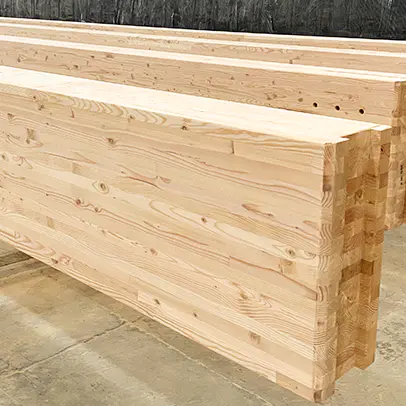
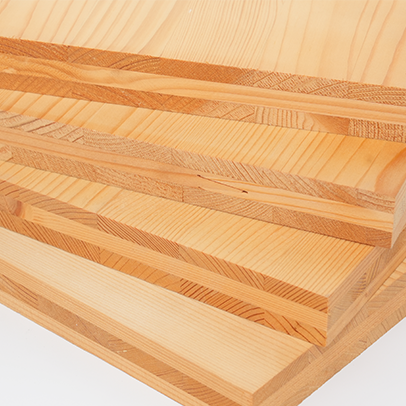
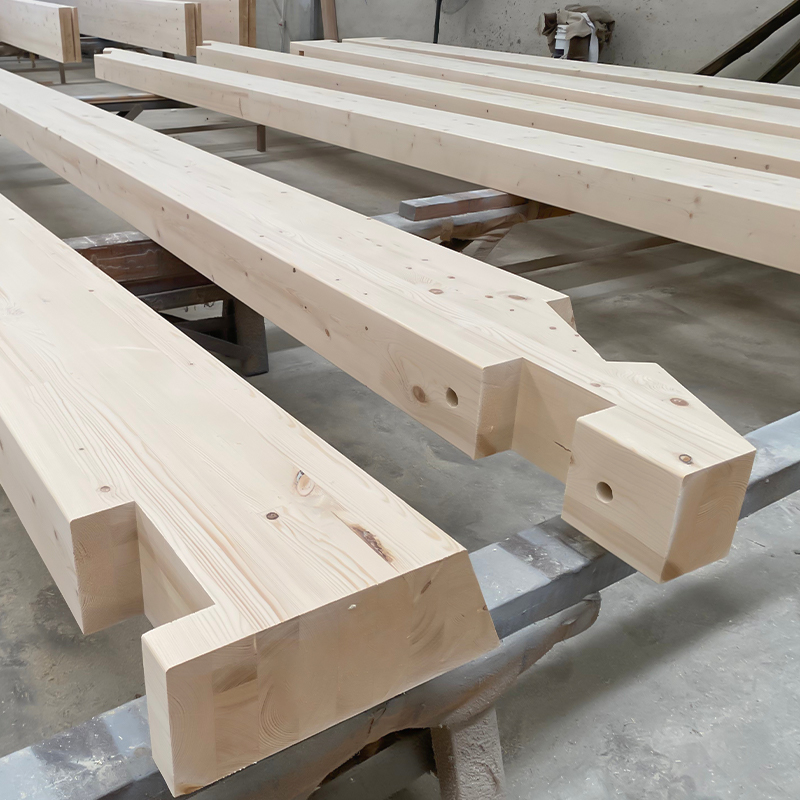
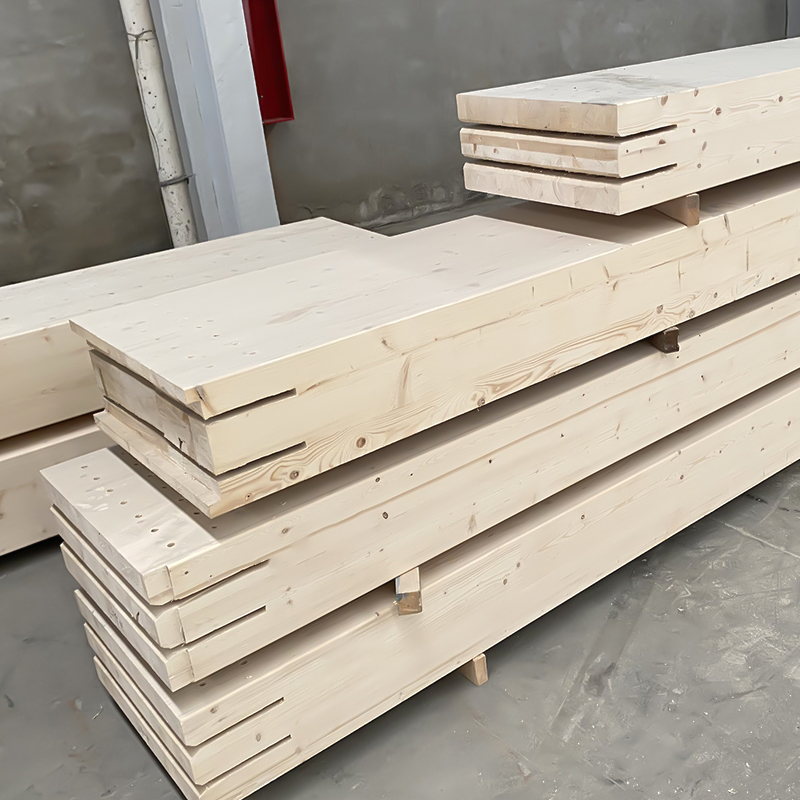
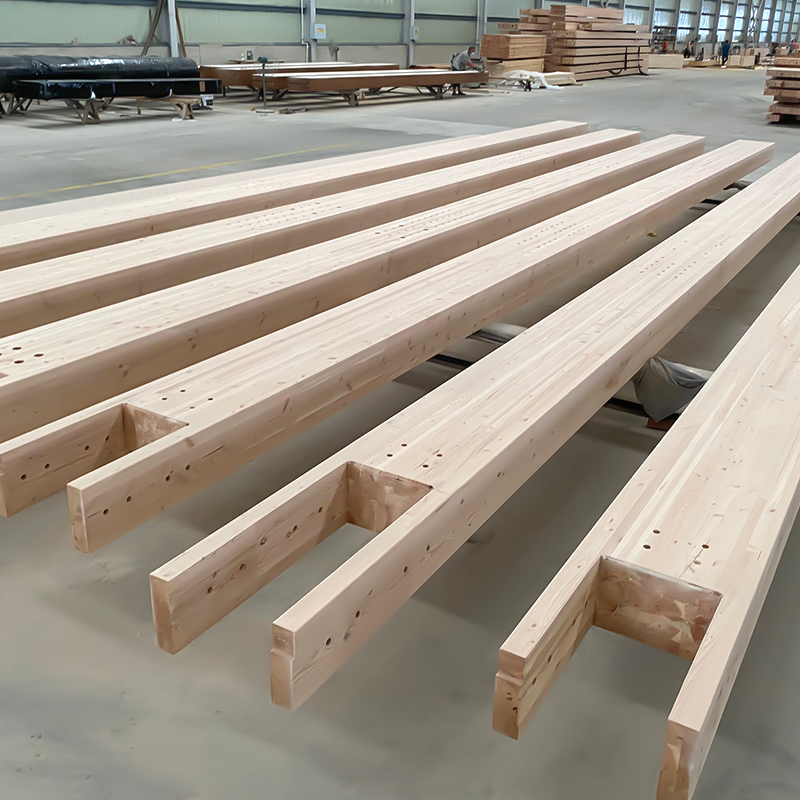
Long span glulam structural beams, also known as glued laminated timber beams, are composite timber beams made by gluing multiple layers of timber together with adhesive and mechanical pressure. The fiber direction of each layer of timber in a glued laminated timber beam is aligned with the direction of stress on the beam. This design allows the beam to withstand significant bending and shear forces while effectively utilizing the natural advantages of wood—such as its lightness, strength, and plasticity. Unlike traditional timber beams, the manufacturing process of glued laminated timber beams allows for the effective removal of defects in each layer, ensuring a more uniform and stable overall structure.
Glued laminated timber beams are constructed by laminating multiple layers of timber and securing them with high-strength adhesive. Therefore, glued laminated timber beams offer better stability and load-bearing capacity than single-layer timber beams. Furthermore, these beams can be customized in size and shape to meet design requirements, greatly improving design flexibility, especially in large-span buildings.
Application Areas
The widespread use of long-span glulam structural beams has made them an indispensable material in modern architecture, especially in projects requiring large spans and high load-bearing capacity, where glued laminated timber (GLBR) beams provide an ideal solution. Key application areas include:
- Large-span buildings: Such as stadiums, airport terminals, exhibition halls, and conference centers. GLBR beams support large-span designs, providing greater open space and flexibility, meeting the structural safety and spatial requirements of these buildings.
- Bridge structures: GLBR beams are commonly used in the main beam design of bridges, particularly in rural, forest, or natural landscapes, where the natural appearance of the timber blends harmoniously with the environment. Furthermore, GLBR beams provide sufficient strength and load-bearing capacity when spanning large bodies of water.
- Industrial buildings: Such as warehouses, factories, and agricultural greenhouses. Due to their excellent bending, shear, and high load-bearing capacity, GLBR beams are widely used in industrial buildings to meet the requirements of large-span structures.
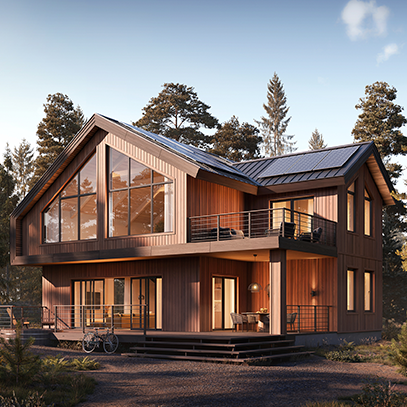
- Residential buildings: Especially villas and holiday cabins. Glulam beams can be used as supporting beams in log cabins, providing both strength and adding natural and aesthetic elements. The warmth and natural ambiance of log cabins often make this material an indispensable part of the design.
- Commercial Buildings: Such as shopping malls, supermarkets, and offices. Glulam beams not only support larger spans but also provide a comfortable atmosphere for interior spaces, especially when combined with natural light and open spaces, achieving ideal visual effects.
As a green building material, glued laminated timber beams are increasingly used in modern architectural design, especially in projects that meet sustainability requirements. They effectively reduce carbon footprint, and timber is a renewable resource, meeting environmental and energy conservation requirements.
Advantages of Replacing Traditional Materials
Compared to steel or concrete structures, long-span glulam structural beams have significant advantages:
- Environmental friendliness: Timber is a renewable resource, and its production process has low carbon emissions. Using glued laminated timber beams to replace traditional building materials such as steel and concrete can significantly reduce the carbon footprint of the construction industry.
- Lightweight: Glulam beams are lighter than steel and concrete beams, facilitating transportation and installation, especially in projects requiring rapid construction, significantly shortening the construction period.
- Structural Aesthetics: The natural grain and color of wood provide a unique aesthetic effect to architecture. Unlike other industrial materials, glued laminated timber beams bring a warm, natural, and welcoming visual effect to buildings, which is particularly important for public buildings and residential environments.
- High Load-Bearing Capacity: Through precise design and manufacturing, glued laminated timber beams can achieve high load-bearing capacity and large spans, comparable to steel and concrete structures.
Design Characteristics and Requirements of Long Span Glulam Structural Beams
Design Characteristics
The design of long span glulam structural beams requires full consideration of the physical properties of timber, structural mechanics requirements, and architectural aesthetics. The following are the main characteristics of glulam beam design:
- High Customization: Glulam beams are highly flexible in design, allowing for customization of beam length, shape, cross-section, and curves according to project needs. This enables them to adapt to various special requirements in architectural design, such as curved beams or other unconventional shapes.
- Layered Design: Glulam beams are composed of multiple layers of laminated timber, typically with the fiber direction of each layer aligned with the direction of stress, effectively enhancing the beam's strength and stability. This design effectively eliminates the instability caused by inherent defects in single-layer timber beams.
- High Integration: The design and manufacturing process of glulam beams typically involves multiple stages, including integrated design, structural calculations, material selection, and production processes. The entire process can be optimized through digital modeling, ensuring design accuracy and cost-effectiveness.
Design Requirements
When designing long-span glulam structural beams, a series of technical requirements must be met to ensure their structural safety and long-term stability:
- Load Calculations: The design of glulam beams needs to consider various load factors, including dead load (the weight of the timber itself), live load (loads generated during use), wind load, snow load, etc. For large-span designs, designers must calculate the load-bearing capacity of each zone in detail to ensure beam stability.
- Timber Selection: The type, grade, drying method, and durability of the timber directly affect the strength and stability of the glulam beams. Commonly used timbers include pine, fir, and hemlock. Designers need to select appropriate timber based on the function and environmental requirements of different buildings.
- Connection Methods: The connections of glulam beams are crucial to the strength and stability of the beams. Connection methods include metal connectors such as bolts, steel plates, and hinges, as well as traditional mortise and tenon joints. Appropriate connection methods must be selected based on the actual load-bearing requirements and the properties of the timber.
- Fire Resistance: Wood is a combustible material, therefore fireproofing measures must be considered during the design process. Modern glued laminated timber beams often improve their fire resistance through surface coatings, fire-retardant adhesives, and structural design.
- Durability and Preservative Treatment: Wood is susceptible to moisture and insect infestation, therefore preservative measures must be considered during the design phase. The use of preservatives and wood treatment techniques (such as heat treatment and chemical treatment) are key to enhancing durability.
Design Challenges
Designing long-span glued laminated timber beams presents several technical challenges, especially in large-span structures. One of the biggest challenges is balancing structural strength and weight, ensuring that the beam does not bend excessively or fail under heavy loads. As the span increases, the beam's stiffness and stability become critical, requiring careful arrangement of support and connection structures to prevent excessive deformation or stress concentration.
Environmental Adaptability and Durability of Long Span Glulam Structural Beams
Environmental Adaptability
Long span glulam structural beams possess excellent environmental adaptability, enabling them to operate stably under various climatic conditions. Their adaptability characteristics are as follows:
Adaptability to Humidity Changes: Due to their multi-layered timber structure, glulam beams effectively reduce the expansion and contraction of the timber itself caused by humidity changes. The adhesive between the layers of timber in the glulam beam enhances its overall stability, preventing cracking or deformation of individual layers due to humidity variations.
Temperature Adaptability: Timber has a low coefficient of thermal expansion, allowing it to adapt to significant temperature variations. In cold regions, glulam beams offer good insulation properties, effectively reducing heat loss and improving building insulation. In tropical or high-temperature environments, the stability of glulam beams remains largely unaffected by high temperatures.
Wind Resistance: Long-span glulam structural beams effectively disperse pressure in strong winds, reducing structural stress risks. Especially in large-span buildings, the elasticity and flexibility of glulam beams allow them to withstand strong winds without structural damage.
Seismic Resistance: The elasticity and toughness of glulam beams enable them to effectively absorb and disperse seismic energy during earthquakes. Therefore, in earthquake-prone areas, glulam beams serve as a highly reliable structural material.
Durability:
The durability of long-span glulam structural beams is crucial for the long-term use of buildings. To ensure durability, glulam beams require appropriate protective measures:
Preservative Treatment: To prevent rot and insect infestation, glulam beams are typically treated with preservatives. Common preservative techniques include immersion in preservatives, pressure treatment, and surface coatings.
Fire Resistance: The fire resistance of the wood is an important consideration for building safety. Modern glued laminated timber (GLBR) beams are typically fire-resistant, such as by applying fire-retardant coatings or embedding fire-retardant materials, to improve their fire resistance and prevent excessive structural damage in the event of a fire.
Weather Resistance: GLBR beams exposed to the external environment for extended periods require special attention to their UV resistance. Appropriate surface coatings can effectively resist UV damage to the wood surface, extending their service life.
Service Life
GLBR beams typically have a service life of several decades or even longer. With proper maintenance, GLBR beams can maintain their structural performance and aesthetic appeal. Through regular inspections and appropriate maintenance, GLBR beams can continue to provide strong support for buildings, ensuring the long-term safety and reliability of the building structure.


 English
 한국어
한국어 Español