Comparison and Analysis of Glued-Laminated Timber and Solid Wood
I. Basic Concepts of Glued-Laminated Timber and Solid Wood
(一) Definition and Characteristics of Solid Wood
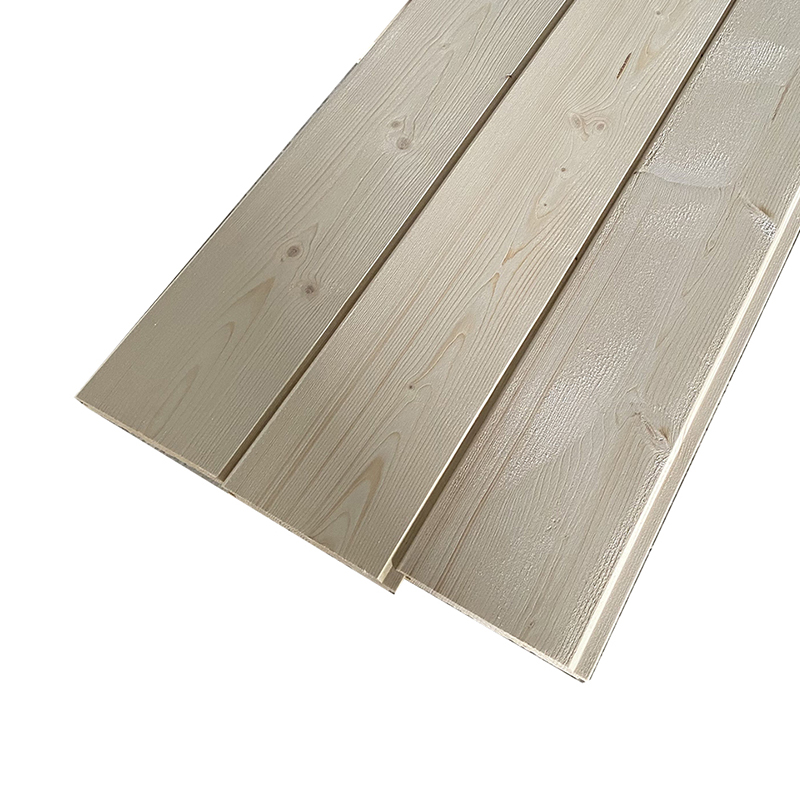
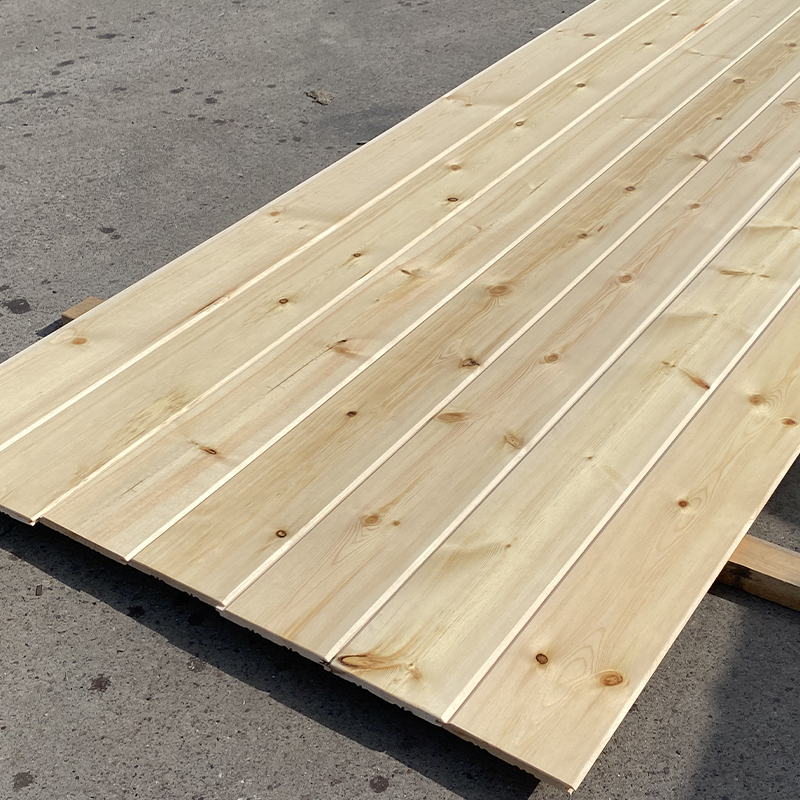
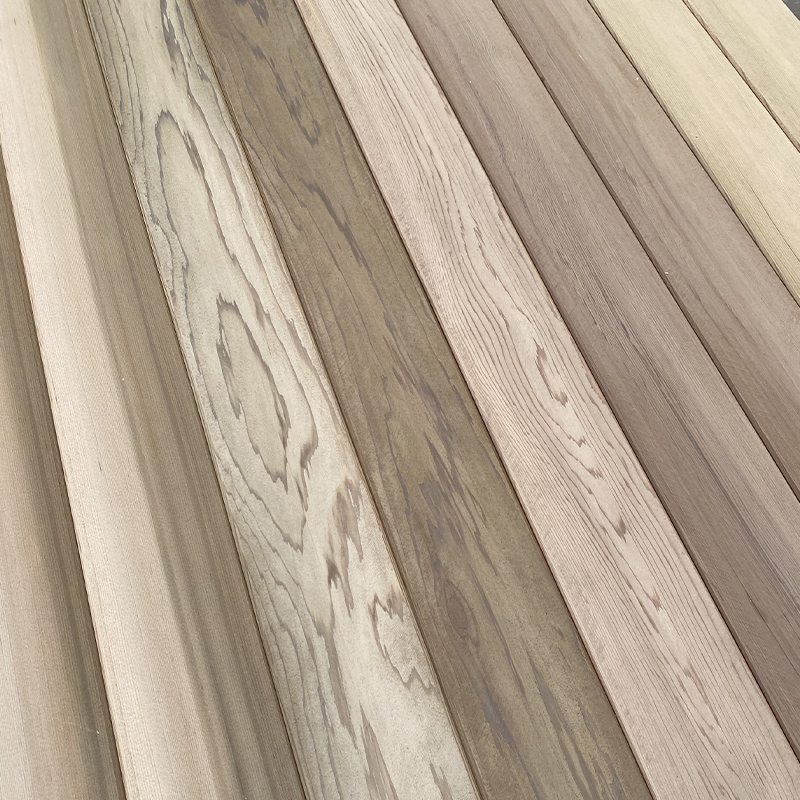
Solid wood refers to a natural material that is directly harvested from trees and processed through procedures such as sawing and drying, while maintaining the original fiber structure of the wood. Solid wood retains the natural texture, color, and smell of the wood, and is a material for traditional wood products. According to the processing method, solid wood can be divided into logs (tree trunks without sawing) and sawn timber (wood sawn according to specifications).
The main characteristics of solid wood include:
- Anisotropy: The physical and mechanical properties of wood vary significantly in different directions (longitudinal, radial, and tangential).
- Hygroscopicity: It will absorb or release moisture with changes in environmental humidity, resulting in dimensional changes.
- Natural defects, Such as knots, cracks, and wormholes, are difficult to avoid.
- Unique texture: Each piece of wood has a unique natural texture pattern.
(二) Definition and Characteristics of Glued-Laminated Timber
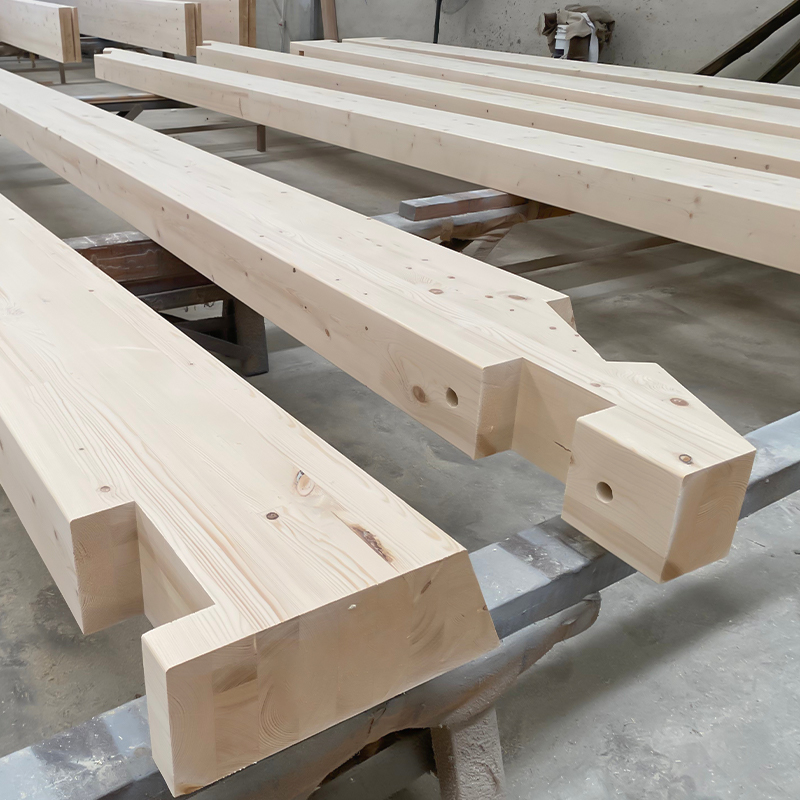
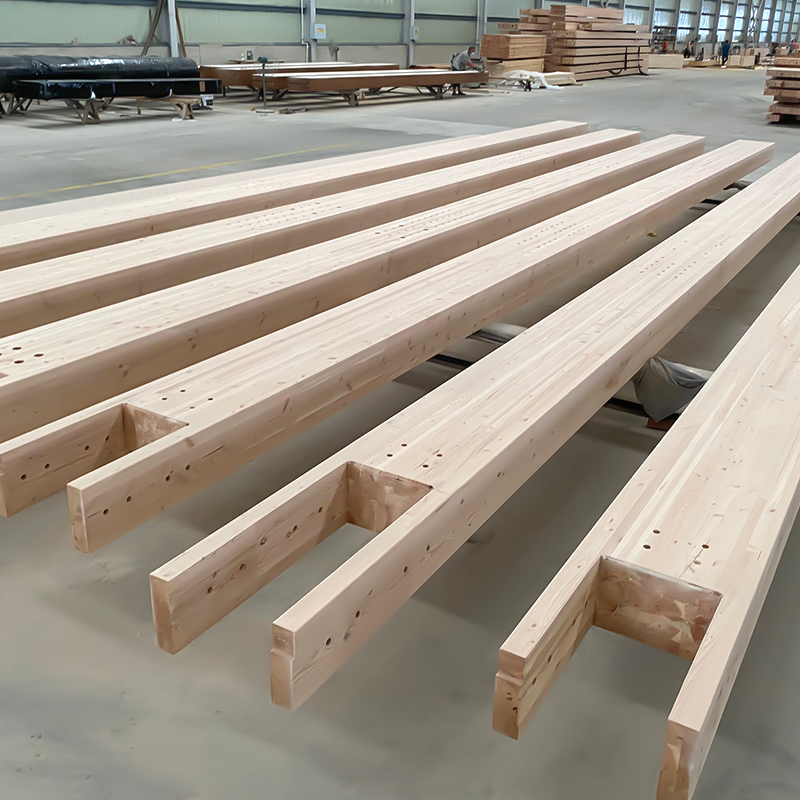
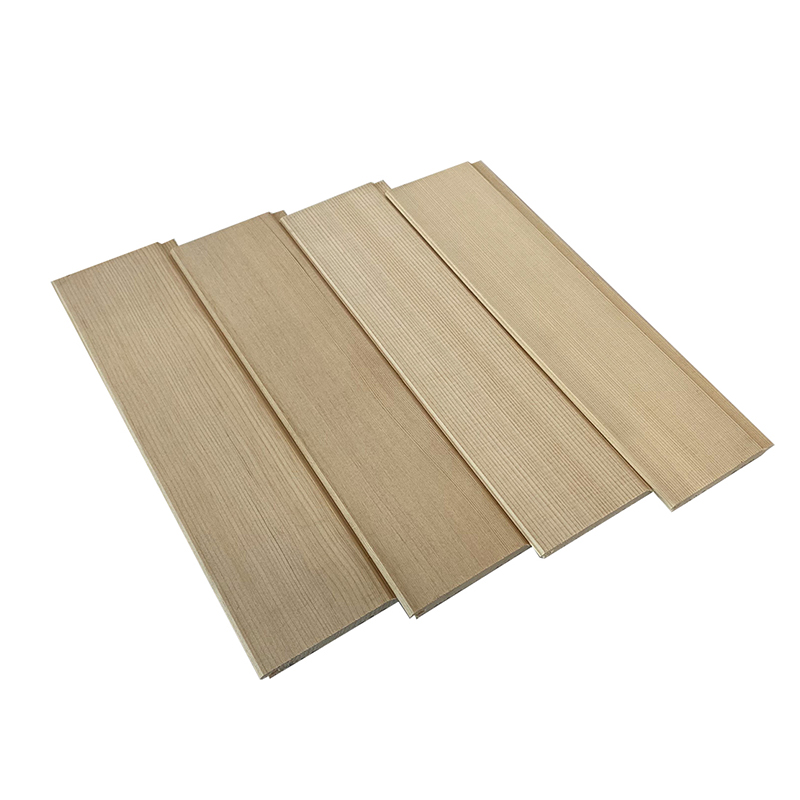
Glued-Laminated Timber (abbreviated as Glulam) is an engineered wood product made by arranging multiple layers of dried wooden boards or squares in parallel according to the fiber direction and bonding and pressing them together with high-performance adhesives. The glued-laminated timber technology originated in Germany at the end of the 19th century and was widely used in the 20th century.
The core characteristics of glued-laminated timber include:
- Composite material structure: It improves the performance of natural wood through lamination.
- Dimensional stability: It is less likely to deform and crack than solid wood.
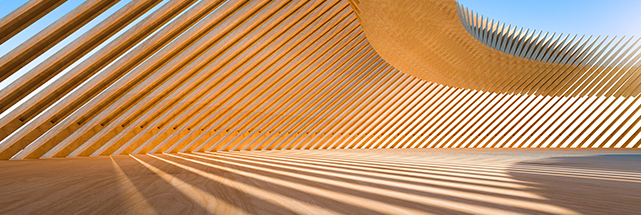
- Design flexibility: It can be used to make shapes that are difficult to achieve with solid wood, such as large-span and curved shapes.
- Designable strength: It realizes performance through the combination of different grades of wood.
II. Performance Comparison between Glued-Laminated Timber and Solid Wood
(一) Comparison of Physical and Mechanical Properties
- Strength characteristics:
- Solid wood: It has high longitudinal tensile and compressive strength, but low transverse strength, and is greatly affected by natural defects.
- Glued-laminated timber: Through hierarchical optimization, the overall strength is more uniform, the influence of defects is small, and the bending resistance is particularly prominent.
- Stability performance:
- Solid wood: It is easily affected by humidity, resulting in expansion, contraction, and deformation, especially significant changes in the width direction.
- Glued-laminated timber: The stress of each layer of wood restricts the other, and the dimensional stability is increased by 30-50%.
- Fire resistance:
- Both are combustible materials, but when large-section components of glued-laminated timber burn, a carbonized layer will be formed, which delays the spread of fire.
(二) Processing and Application Performance
- Processing difficulty:
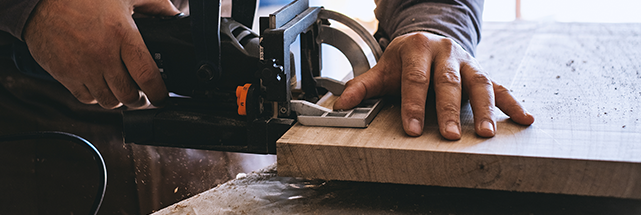
- Solid wood: It can be processed with traditional woodworking tools, but large-sized components are limited by raw materials.
- Glued-laminated timber: Professional equipment is required for processin,g such as cutting and drilling, but complex shapes can be achieved.
- Size specifications:
- Solid wood: Limited by tree growth, large-section and long materials are scarce and expensive.
- Glued-laminated timber: Theoretically, it can be infinitely extended, and the common span can reach more than 30 meters.
- Surface effect:
- Solid wood: The natural texture is continuous and beautiful, suitable for occasions where the wood texture needs to be exposed.
- Glued-laminated timber: The surface texture is not as natural as that of solid wood, but it can be improved by using selected outer layers of wood.
III. Comparison of Environmental Protection and Sustainability
(一) Raw Material Utilization Efficiency
- Solid wood: It has high requirements for the quality of logs, and the yield rate is usually only 40-60%, with a lot of off-cuts.
- Glued-laminated timber: It can use low-grade raw materials such as small-diameter wood and fast-growing wood, and the utilization rate can reach more than 80%.
(二) Carbon Footprint Analysis
- Solid wood: The processing energy consumption is low, but the energy consumption for transporting large-sized materials is high.
- Glued-laminated timber: The use of adhesives in the production process brings certain environmental impacts, but the transportation efficiency is high.
(三) Service Life and Recycling
- Solid wood: If properly maintained, it can be used for decades, but it is difficult to repair after damage.
- Glued-laminated timber: The service life is equivalent to that of solid wood, and local damage can be replaced targeted.
IV. Economic Comparison
(一) Initial Cost
- Solid wood: The price of common tree species is low, but the price of high-quality and large-sized materials is expensive.
- Glued-laminated timber: The price of small and medium-sized products is higher than that of solid wood, and the cost-performance ratio of large-span components is significant.
(二) Full Life Cycle Cost
- Maintenance cost: The maintenance costs of the two are equivalent, depending on the use environment.
- Installation cost: The prefabrication degree of glued-laminated timber components is high, and the on-site construction is faster.
V. Analysis of Application Scenarios
(一) Situations where Solid Wood is Preferred
- Traditional furniture making: Especially for categories that emphasize natural texture, such as Ming-style furniture.
- Small decorative components: Such as carvings, lines, and other parts that require fine processing.
- Pursuit of natural aesthetics: Artistic creations that need to show the original texture of wood.
- Historical building restoration: It is a necessary choice to maintain authenticity.
(二) Situations where Glued-Laminated Timber is Preferred
- Large-span structures: Buildings such as gymnasiums and exhibition halls that require column-free spaces of more than 20 meters.
- Special-shaped structures: The realization of special shapes such as arches and curved surfaces.
- High-standard projects: Precision instrument rooms, laboratories, etc. that require high-dimensional stability.
- Humid environments: Such as the surroundings of swimming pools and other places with large humidity changes.
VI. Development Trends and Selection Suggestions
(一) Technical Development Trends
- Glued-laminated timber: It is developing towards high-performance and multi-functional directions, such as fire treatment, anti-corrosion treatment, etc.
- Solid wood: It improves stability through modification treatment, such as thermally modified wood, acetylated wood, etc.
(二) Selection Suggestions
- If aesthetics are prioritized, choose solid wood; if performance is prioritized, choose glued-laminated timber.
- For small projects, solid wood can be considered, and for large projects, glued-laminated timber is recommended.
- When the budget is limited, compare according to specific specifications, and do not simply think that one is cheaper.
(三) Correction of Common Misunderstandings
- Glued-laminated timber is not equal to "artificial board", and its main material is still 100% solid wood.
- The environmental protection of adhesives used in modern glued-laminated timber has been greatly improved, and the formaldehyde emission can reach the E0 level.
- Glued-laminated timber can also achieve high-quality surface effects, and it is not all industrial-looking.
In conclusion, glued-laminated timber and solid wood each have their irreplaceable advantages, and there is no absolute "better", only more suitable. With the progress of technology and the improvement of environmental protection requirements, both are constantly evolving. A wise choice should be based on a comprehensive consideration of various factors such as the specific project's functional requirements, aesthetic requirements, and budget limitations. Necessarily, they can be used in combination to give full play to their respective advantages. In the future, with the deepening of the concept of sustainable development, the glued-laminated timber technology that efficiently uses wood resources will be more widely applied, while solid wood will maintain its unique value in the fields of high-end customization and cultural inheritance.

 English
 한국어
한국어 Español