Why are Log Houses Regarded as the Pinnacle of Natural Architecture?
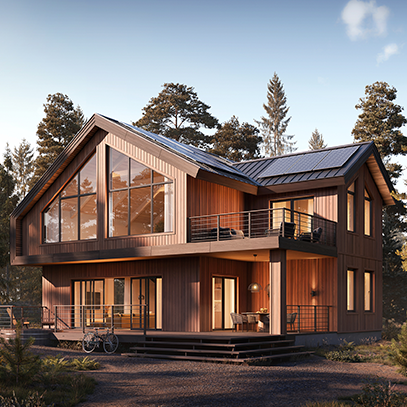
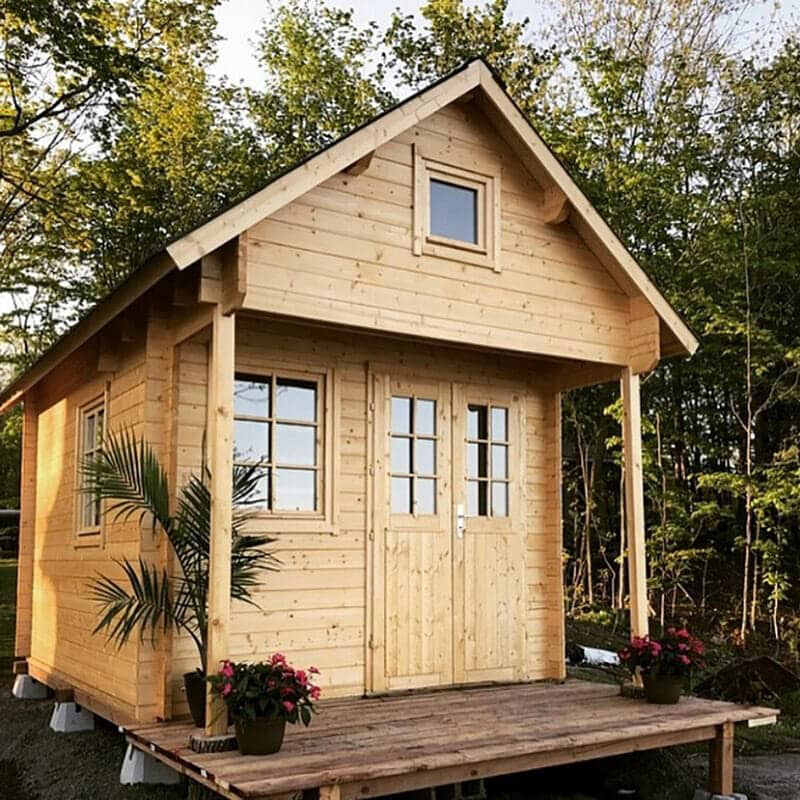
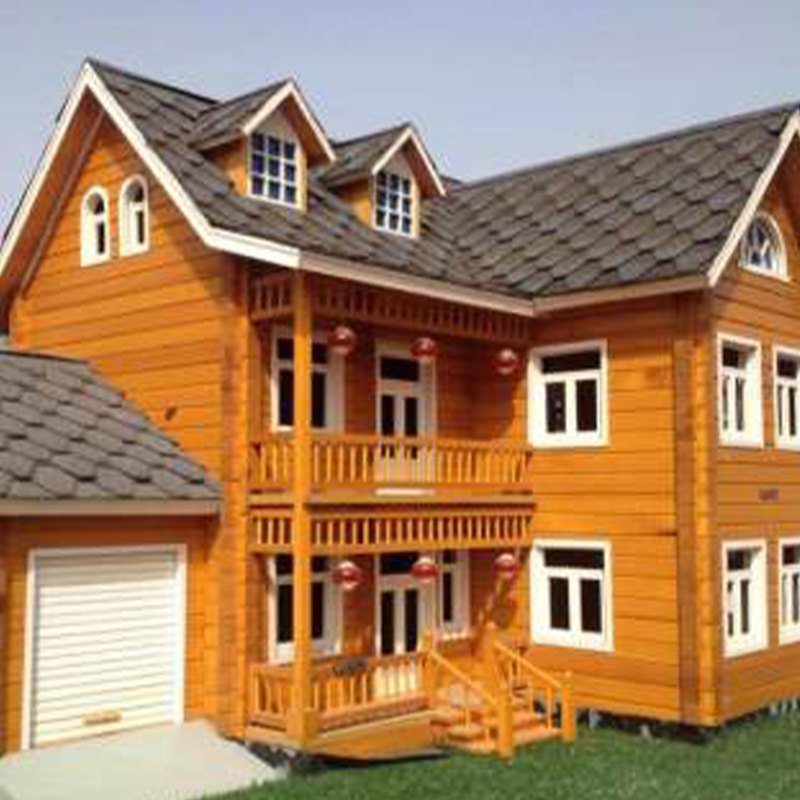
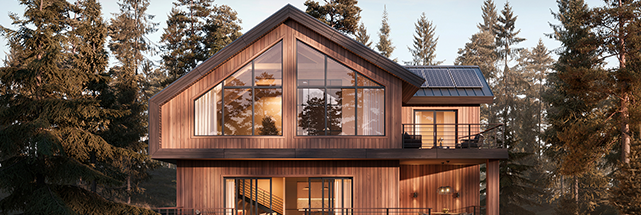
A Log House is a traditional yet sophisticated residential structure built primarily from horizontal logs that are meticulously stacked and interlocked at the corners. As one of the oldest and most resilient forms of wooden architecture, the modern log house has evolved from simple rustic cabins into luxurious, high-performance estates. This evolution is driven by the unique structural properties of timber and the enduring human desire to live in harmony with nature.
The Engineering of Interlocking Strength
The defining characteristic of a Log House lies in its corner joinery. Unlike standard timber frames, log houses rely on traditional notching techniques such as the saddle notch, dovetail, or butt-and-pass methods. These joints are not merely decorative; they provide the primary structural integrity of the building. As Log house Manufacturers, we utilize advanced milling technology to ensure these notches are cut with sub-millimeter precision, allowing the logs to settle naturally while maintaining a weather-tight and earthquake-resistant seal.
In traditional construction, the settling of logs was a variable that required constant adjustment, but modern industrial methods have turned this into a predictable engineering science. By using kiln-dried timber and computer-aided design, the interlocking joints now offer a level of stability that can withstand significant seismic activity. The mass of the timber provides a natural damping effect, making the structure both rigid enough to maintain its shape and flexible enough to absorb environmental stresses.
Thermal Excellence and Sustainable Living
Beyond aesthetics, the biological structure of a Log House offers exceptional thermal efficiency. Wood possesses thermal mass, which is the ability to store heat energy during the day and release it slowly as temperatures drop at night. This natural regulation keeps interiors cozy in winter and remarkably cool in summer, significantly reducing the carbon footprint of the household. By utilizing renewable softwoods like pine, spruce, or cedar, the construction of a log house serves as a carbon sequestration project, locking away carbon dioxide for the lifetime of the building.
The cellular structure of wood acts as a natural insulator, with millions of tiny air pockets trapped within the fibers. This makes timber far more effective at preventing heat transfer than steel or concrete. In an era where energy conservation is paramount, the natural insulation of a log house provides a permanent reduction in utility costs while offering a breathable living environment that promotes superior indoor air quality.
What Technical Innovations Elevate the Modern Log House Performance?
While the aesthetic of a Log House remains classic, the underlying materials have been revolutionized by industrial technology to meet the rigorous demands of contemporary building codes and luxury living. Professional China Log house Suppliers are now integrating sophisticated engineered wood solutions to systematically overcome the natural limitations of raw, solid timber. In the past, builders had to contend with the "living" nature of wood—its tendency to warp, twist, or experience uneven shrinkage as it acclimated to its environment. Today, through the application of advanced hydrothermal treatments and precision laminating techniques, these challenges have been largely neutralized. Modern factories utilize sensors to monitor internal timber tension and moisture gradients, ensuring that every structural element is optimized for dimensional stability before it ever leaves the production floor. This technological leap allows for the construction of multi-story log structures that maintain their architectural integrity without the dramatic settling issues that plagued historical log cabins.
From Raw Logs to Engineered Precision
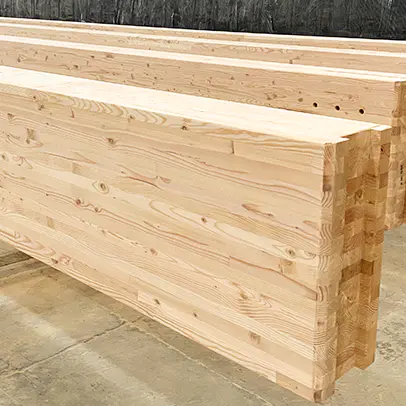
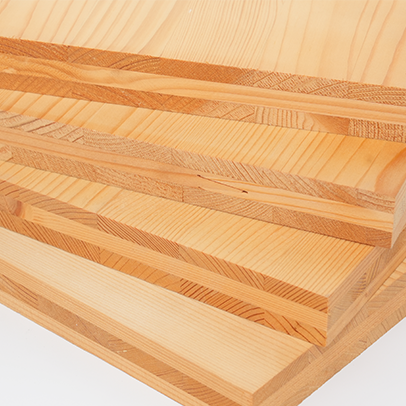
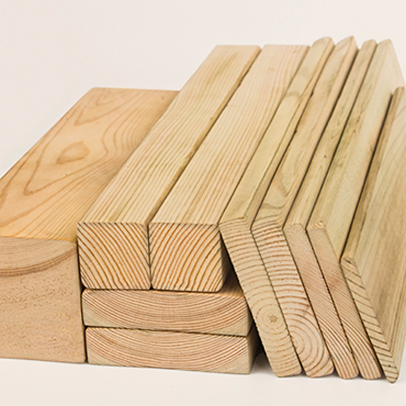
The integration of Glued Laminated Timber and solid wood wall panels has transformed the stability of log architecture. By using standardized, mechanized production lines, manufacturers can now produce logs that are dimensionally stable and free from the internal stresses found in green timber. This process involves slicing timber into thin laminates, removing natural defects like large knots or cracks, and then rebonding them with high-strength adhesives under intense pressure.
The result is a structural component that is stronger and more consistent than any single piece of raw wood. These engineered logs can be produced in much longer spans, allowing for the creation of expansive open-floor plans and grand architectural features that were previously impossible in traditional log construction. Furthermore, because the moisture content is strictly controlled during manufacturing, the post-installation settling is reduced to negligible levels.
The Advantage of Standardized Manufacturing
The shift toward a mechanized and standardized production environment allows for a level of consistency that was previously unattainable. High-end Log house Manufacturers utilize intelligent production systems to monitor the moisture content and structural density of every beam. This ensures that when the logs arrive at a remote mountain retreat or a scenic coastal site, they assemble like a precision-engineered puzzle, eliminating the need for extensive on-site adjustments.
|
Feature
|
Handcrafted Log House
|
Industrialized Log House (Modern)
|
|
Material Base
|
Manually shaped raw timber
|
Precision-milled Glulam or CLT logs
|
|
Joinery Accuracy
|
Varies by craftsman skill
|
Computerized CNC precision
|
|
Stability
|
Significant settling and checking
|
Minimal movement due to kiln-dried layers
|
|
Production Speed
|
Labor-intensive and slow
|
High-capacity monthly production
|
|
Architectural Scope
|
Mostly small cabins and retreats
|
Large venues, villas, and bridges
|
|
Environmental Control
|
Natural wood pores
|
Integrated vapor and thermal barriers
|
Material Selection and Longevity
Leading China Log house Suppliers prioritize the use of high-quality softwoods such as Russian Pine, Douglas Fir, and Western Red Cedar. These species are selected for their natural resistance to decay and their superior structural properties. By combining these premium raw materials with modern preservation treatments, a modern log house can easily exceed a lifespan of a century with minimal maintenance.
How Does an Integrated Service Model Ensure the Success of a Log House Project?
A successful Log House project requires more than just high-quality timber; it demands a seamless orchestration of diverse technical disciplines, ranging from structural engineering to environmental science. The journey from a forested vision to a finished luxury home is inherently complex, requiring a full-cycle, integrated service model to manage the unique risks associated with timber construction, such as moisture regulation and natural settling. This holistic approach ensures that every phase of the project—from the procurement of sustainable raw materials to the final interior finishing—is guided by a unified technical vision. By eliminating the fragmentation typically found in traditional construction, an integrated service model provides a single point of accountability, ensuring that the structural integrity, energy efficiency, and aesthetic charm of the home are harmoniously maintained throughout the build.
Technical Coordination from Design to Installation
Partnering with an integrated supplier simplifies the process by consolidating architectural design and engineering under one roof, fostering a collaborative environment where designers and engineers work in parallel. This synergy is absolutely vital for modern log houses, where the Digital Twin approach—using advanced 3D software to model every single log, notch, and joint before it is cut—prevents costly errors and structural inconsistencies on the construction site. This virtual prototyping allows for the pre-calculation of load distributions and the simulation of thermal performance, ensuring that the physical building performs exactly as intended. By resolving complex joinery challenges in a digital environment, the on-site assembly process is transformed into an efficient, predictable operation that minimizes waste and maximizes structural precision.
Architectural and Budget Planning: Professional teams provide accurate budget estimations by optimizing material usage during the initial design phase, ensuring that the warm, earthy aesthetic of a log home does not come with unexpected financial burdens or "scope creep." This involves highly detailed 3D modeling and Building Information Modeling (BIM) where every interlocking notch, window aperture, and internal conduit path for electrical or plumbing systems is pre-calculated. By virtually "building" the house before the first log is cut, manufacturers can guarantee price transparency and material efficiency, significantly reducing on-site waste.
Full-Course Support and Technical Coordination: From the initial research and development of custom glulam profiles to the final construction installation, an integrated service ensures that the technical requirements—such as local wind uplift, seismic resistance, and heavy snow loads—are met without compromising the rustic charm of the building. This comprehensive oversight includes specialized logistics management; components are tagged and tracked via QR codes to ensure they arrive at the site in the exact assembly sequence required. This meticulously planned "just-in-time" delivery minimizes site clutter, protects materials from prolonged exposure to the elements, and drastically lowers labor costs.
Advanced Maintenance for Enduring Beauty
A Log House is a living investment that requires a proactive and disciplined approach to preservation to safeguard its long-term equity and structural performance. Modern integrated services recognize that the house is a dynamic system, and as such, they provide comprehensive, full-lifecycle maintenance ecosystems. This often includes customized, long-term maintenance guides tailored to the specific local climate, alongside the application of professional-grade treatments designed to shield the timber from detrimental environmental stressors like fluctuating humidity and biological threats. By adopting this proactive service model, homeowners can ensure their architectural masterpiece retains its pristine condition and functional excellence for many decades.
Comprehensive Moisture and Pest Management: Modern log homes utilize advanced, high-performance breathable membranes and non-toxic, eco-friendly treatments that prevent moisture buildup within the wall assembly while deterring wood-boring insects and termites. These specialized borate-based treatments penetrate deep into the wood fibers, creating a permanent barrier against biological decay. This ensures the structural core of the house remains dry, sound, and thermally efficient for generations, even in humid or coastal climates where timber is traditionally more vulnerable.
High-Performance UV Protection and Aesthetics: Specialized coatings and breathable stains are applied to protect the lignin in the wood—the natural "glue" that holds fibers together—from damaging ultraviolet radiation. UV exposure can cause timber to turn grey, brittle, or develop surface cracks known as "checking." These modern stains are engineered to be hydrophobic and microporous, allowing the wood to naturally regulate its internal humidity (breathing) without trapping water beneath the surface, which could lead to rot. Periodic reapplications maintain the rich natural color and velvet-like texture of the timber, ensuring the home remains a breathtaking piece of architectural art.
By bridging the gap between traditional cultural roots—seen in the wood architecture of Scandinavia, Russia, and North America—and modern industrial efficiency, today’s log houses offer a breathable, high-quality living environment. Whether it is a specialized large-scale venue or a private rural retreat, the combination of professional technical coordination and high-capacity production ensures that these breathtaking pieces of architectural art stand the test of time. Sourcing from experienced Log house Manufacturers who prioritize green building and sustainable development ensures that your home is not only a personal sanctuary but also a contribution to a healthier planet.

 English
 한국어
한국어 Español