What is the design and construction process of a wooden house?
The design and construction process of a wooden house is unique, involving multiple stages from conceptual design to completion. Unlike traditional concrete or steel structures, wooden house construction places greater emphasis on natural aesthetics, material selection, and environmental friendliness. The construction of a wooden house requires careful planning, design, material selection, and meticulous construction to ensure structural stability, durability, and comfort.
Preliminary Planning and Design
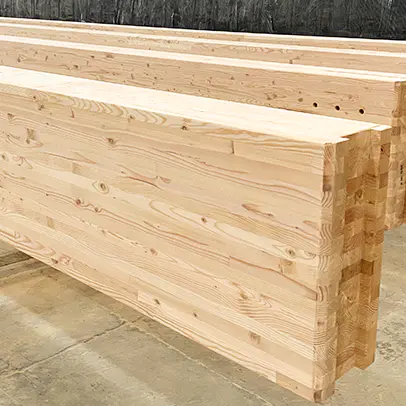
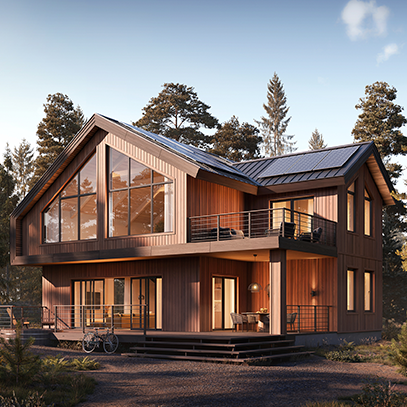
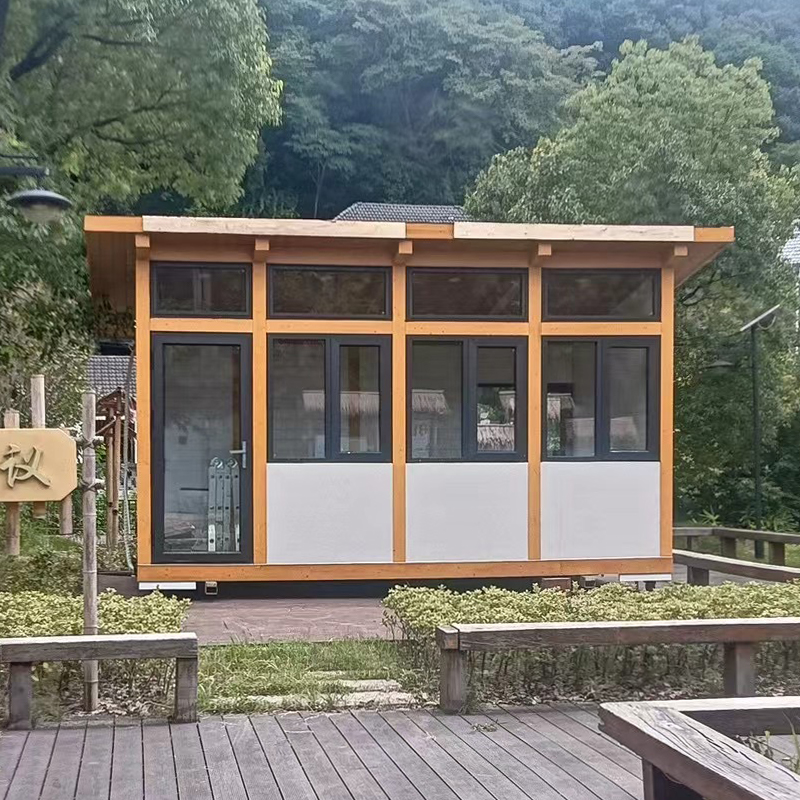
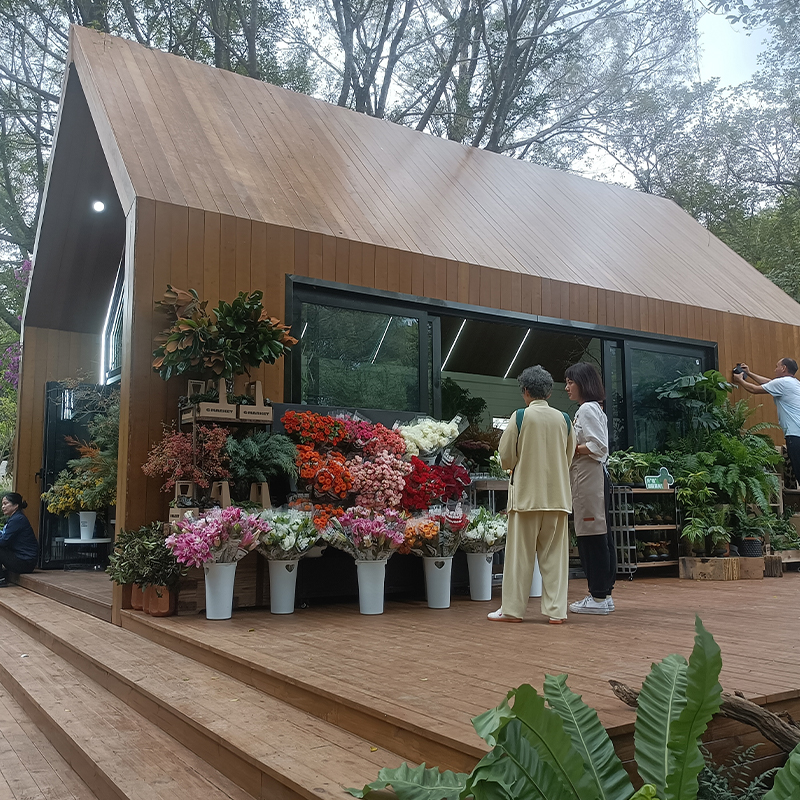
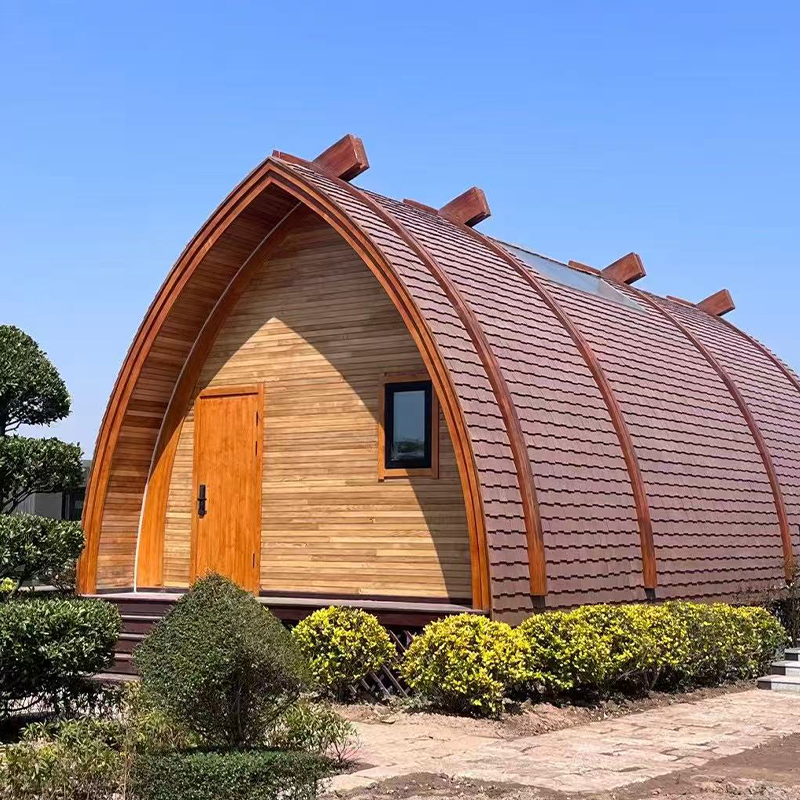
The design of a wooden house first requires clarifying functional requirements. The designer will plan the layout of the wooden house based on the owner's needs, geographical environment, and climate conditions. Common wooden house design forms include traditional timber frame structures, modern glued laminated timber (glulam) structures, and cross-laminated timber (CLT) structures. Each design method has different adaptability and advantages.
During the design process, architects also need to consider factors such as the type and size of the timber, wind resistance, and earthquake resistance. For example, when using wood in cold regions, designers typically choose heavy timber and double-layered structures to provide better insulation; in humid regions, special consideration must be given to rot prevention and moisture control. The design of a wooden house also needs to emphasize environmental harmony, choosing an architectural style that suits the natural landscape and blends seamlessly with its surroundings.
Material Selection and Procurement
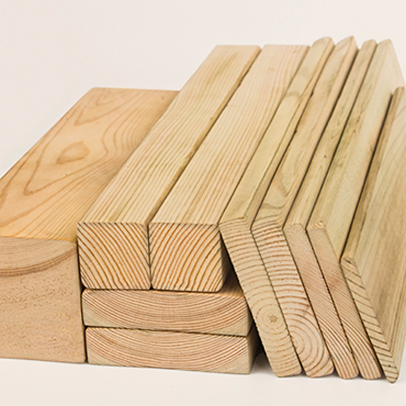
Timber is the primary building material for wooden houses, but different types of wood have different physical properties. Designers select appropriate wood based on the project's needs. Commonly used woods include pine, cypress, mahogany, and hemlock. The hardness, density, and corrosion resistance of these woods determine the lifespan and stability of the wooden house. Wooden houses typically undergo drying, rot prevention, and fireproofing treatments to increase their durability and moisture resistance.
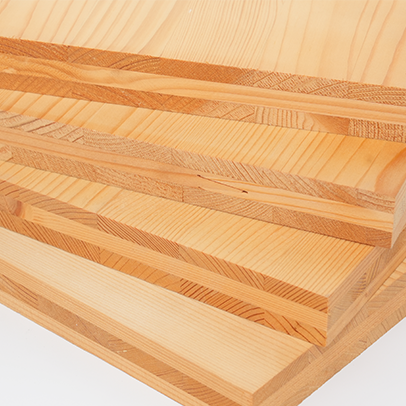
Besides wood, other building materials such as waterproofing materials, insulation materials, and foundation materials also need to be selected according to the design requirements of the wooden house. Modern wooden houses also utilize high-tech materials such as composite timber, glued laminated timber (GLLT), and cross-laminated timber (CLT). These new materials offer greater strength and stability, making them suitable for large-span and high-rise buildings.
Construction Process
The construction of a wooden house involves multiple steps, primarily including foundation construction, framing, roof installation, and exterior and interior wall construction. The foundation is typically constructed of concrete or wood, designed according to the terrain and soil conditions. After the foundation is completed, the wooden house's frame structure is supported by timber columns and beams, forming the skeleton of the entire building.
Frame construction is a crucial step in wooden house construction, requiring special attention to timber connections and structural strength. Traditional wooden houses use mortise and tenon joints or metal connectors to secure the timber, while modern wooden houses increasingly utilize GLLT or CLT technologies to ensure a stronger structure capable of withstanding greater loads.
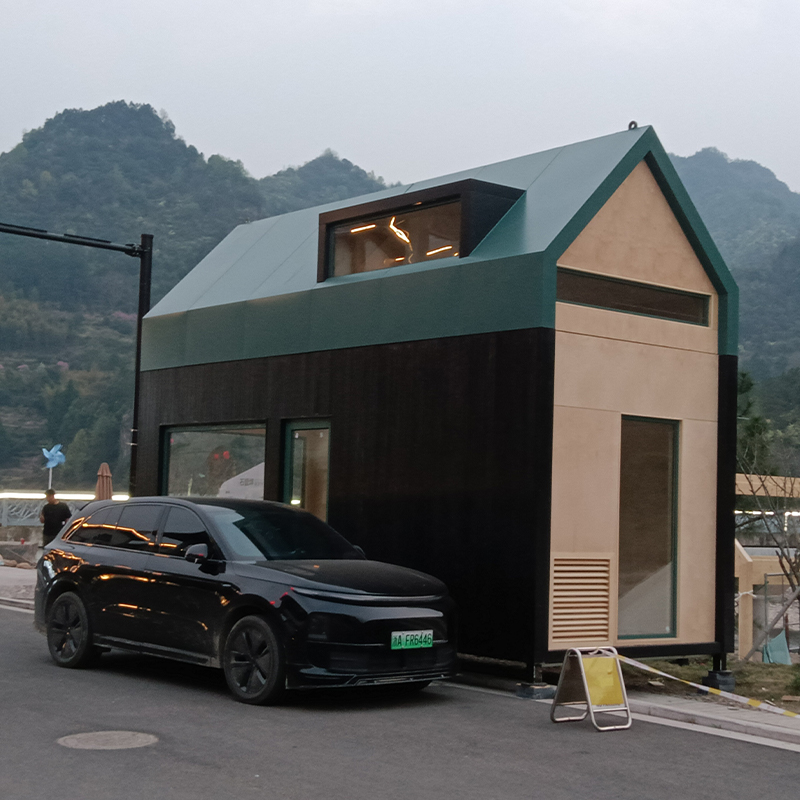
Roof and exterior wall installation are also critical aspects of construction. Wooden house roofs typically use lightweight materials such as shingles or metal shingles, offering good waterproofing and insulation. The exterior walls need to be windproof and waterproof, especially in areas with strong winds or heavy rainfall.
Completion and Acceptance
After the wooden house is built, professionals will conduct a detailed structural inspection to ensure it meets safety standards and design requirements. The inspection includes checking the joints of the timber, the waterproofing of the roof, and the sealing of doors and windows. After all inspections are completed, necessary repairs are made, such as applying waterproof coatings and sanding the floors, to ensure the wooden house's aesthetics and comfort.
How well do wooden houses insulate?
The thermal insulation performance of a wooden house plays a crucial role in its design and construction, especially in cold or hot climates. The comfort and energy efficiency of a wooden house depend on good thermal insulation. The thermal insulation performance of a wooden house is determined by the properties of the wood itself, the construction of the walls, roof, and floors, and the insulation materials used.
The Natural Thermal Insulation Properties of Wood
Wood itself is an excellent insulating material, mainly due to its structural characteristics. Wood fibers contain a large amount of air, and air is an excellent insulator. This natural thermal insulation property of wood allows wooden houses to remain warm in cold environments and cool in hot climates. Heavy hardwoods, such as mahogany and oak, have even stronger natural insulation properties.
However, the thermal insulation properties of wood are not perfect. In extremely cold or hot climates, wooden houses still require additional insulation materials to improve their overall performance. Therefore, auxiliary insulation layers are often added during the design of wooden houses, depending on the climate conditions.
Wall, Roof, and Floor Insulation Design
In the design of wooden houses, the thickness, construction, and insulation layer design of the walls, roof, and floor are crucial. For example, the thickness of the walls and the type of wood used directly affect the insulation effect. In cold regions, wooden house walls are usually designed to be thicker, using higher-density wood or adding insulation layers to increase the wall's insulation performance.
Roof insulation design is equally important. Wooden house roofs generally use lightweight materials such as shingles, metal sheets, or thatched roofs, which have strong insulation properties. In addition, insulation layers such as rock wool, glass wool, or foam materials are added inside the roof to effectively insulate against external heat and maintain a stable indoor temperature.
Floor insulation design depends on the type of ground and environmental conditions. In damp or cold regions, a layer of insulation needs to be installed under the floor of the wooden house to prevent the intrusion of cold air from below and keep the interior warm.
Additional Insulation Measures
Besides the inherent insulation properties of wood, wooden houses can have their insulation performance improved by adding other insulation materials. For example, modern wooden houses often incorporate polyurethane foam, polystyrene boards, glass wool, or rock wool into the walls, roof, and floors. These materials not only provide excellent insulation but also effectively reduce heat loss.
Windows and doors are also crucial for the insulation performance of a wooden house. Double or triple-glazed windows effectively insulate against external heat while reducing heat loss and improving indoor temperature stability. Furthermore, well-sealed doors and windows prevent air infiltration, further enhancing the insulation effect.
Optimized Design
The insulation performance of a wooden house depends not only on the choice of materials but also on its design. For example, a well-designed roof, appropriate wall thickness, and window placement can all optimize the insulation effect. Furthermore, the exterior walls and roof of a wooden house can be designed with good ventilation to effectively reduce indoor temperature during hot seasons and decrease the need for air conditioning.
How to Achieve Comfort and Aesthetics in Wooden House Decoration and Interior Design?
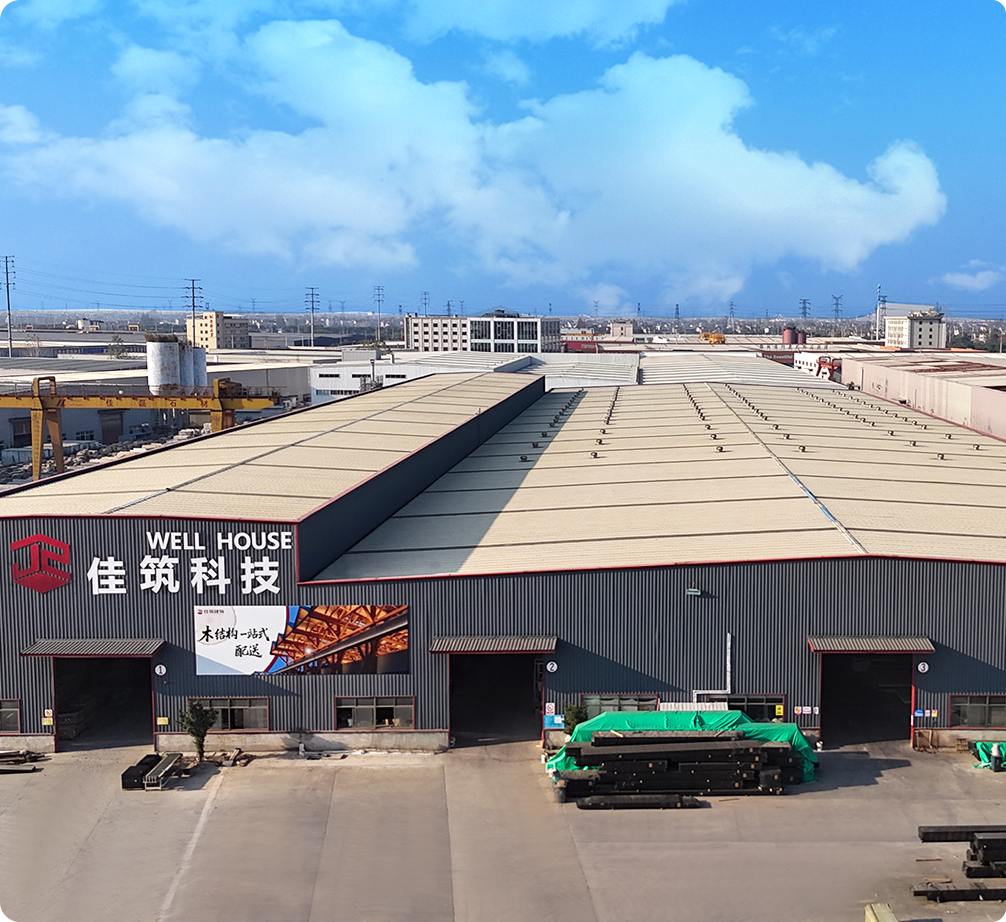
Wooden house decoration and interior design should not only focus on the beauty of natural elements but also emphasize the comfort, functionality, and energy efficiency required for modern living. Nantong Wellhouse Architectural Technology Co., Ltd. is committed to integrating green building concepts and sustainable development standards in its wooden house design and construction, providing high-quality, environmentally friendly wooden house products and solutions. By utilizing advanced wood technologies such as glulam and cross-laminated timber (CLT), Nantong Wellhouse Architectural Technology Co., Ltd. can provide clients with beautiful, comfortable, and efficient wooden house architecture.
The Integration of the Natural Beauty of Wood with Modern Design
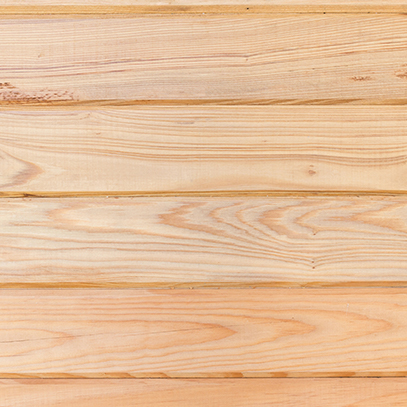
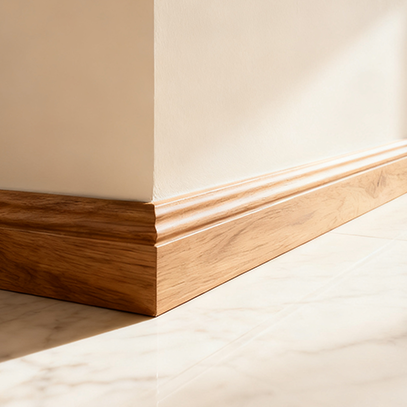
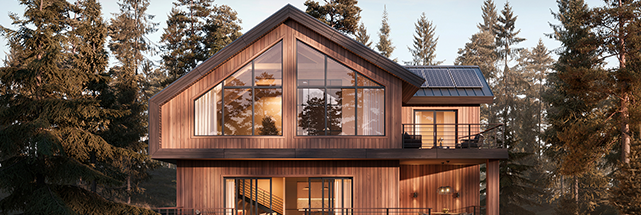
Wood itself is a core element of wooden house design; the natural texture and color of wood can bring a warm and natural atmosphere. Nantong Wellhouse Architectural Technology Co., Ltd. produces glulam and cross-laminated timber (CLT) wood products that not only possess strong structural stability but also excellent aesthetic properties, allowing wooden houses to showcase a unique natural beauty. During the renovation process, designers can use these high-quality woods to create wooden floors, ceilings, and walls, highlighting the warmth and natural atmosphere of the wooden house.
By combining traditional wooden house elements with modern interior design concepts, Nantong Wellhouse Architectural Technology Co., Ltd. can blend traditional wooden house elements with modern minimalist and industrial design styles, creating spaces that are both modern and retain natural elements. For example, using smooth wood surfaces paired with simple furniture preserves the traditional charm of the wooden house while adding functionality and aesthetics to modern homes.
Spatial Layout and Functional Optimization
In the design of a wooden house, the rationality of the spatial layout is crucial. Designers will rationally allocate various functional areas based on the size of the wooden house and the living needs. For example, when providing wooden house design solutions for clients, Nantong Wellhouse Architectural Technology Co., Ltd. typically considers the rational layout of the living room, dining room, bedrooms, and kitchen to make more efficient use of space.
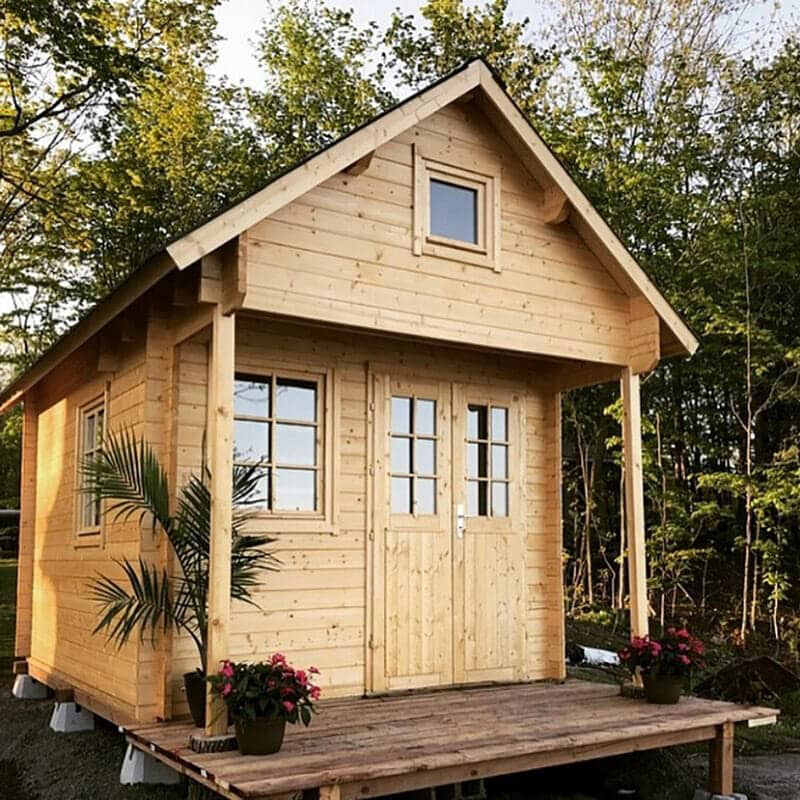
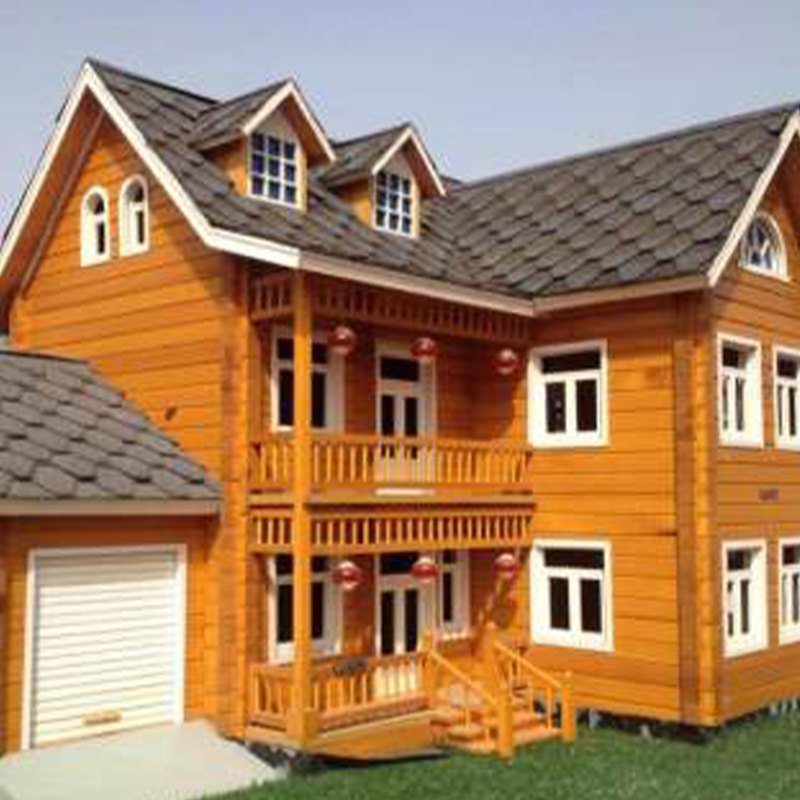
For small or vacation wooden houses, designers tend to use open-plan designs, breaking down traditional room partitions to make the space appear more spacious, increasing the flow of natural light, and thus enhancing living comfort. For larger or villa-style wooden houses, more private living environments can be achieved through space division, such as using wooden screens or sliding doors to separate bedroom areas from public areas.
Furthermore, Nantong Wellhouse Architectural Technology Co., Ltd.'s wooden house designs pay special attention to storage space design, especially in small wooden houses. Designers use built-in furniture and wall cabinets to improve space utilization and avoid clutter.
Lighting, Ventilation, and Energy-Saving Design
The comfort of a wooden house is not only reflected in its spatial layout but also in its excellent lighting and ventilation design. Nantong Wellhouse Architectural Technology Co., Ltd.'s wooden house designs prioritize maximizing natural light penetration through large windows and glass doors, reducing the need for artificial lighting and achieving energy savings. The window designs not only consider aesthetics but also insulation, soundproofing, and sealing performance to ensure warmth in winter and coolness in summer.
For ventilation, Nantong Wellhouse Architectural Technology Co., Ltd.'s wooden houses typically combine natural and mechanical ventilation. Large windows and vents ensure air circulation throughout the year, preventing moisture buildup and maintaining a fresh indoor environment, especially in humid conditions to prevent mold growth. To further enhance energy efficiency, double or triple-glazed windows and high-efficiency window and door sealing systems are used to minimize heat loss and improve insulation.
Integration of Modern Home Furnishings and Smart Home Systems
Wooden house decoration not only focuses on traditional wood aesthetics but also needs to be integrated with modern home furnishings. Nantong Wellhouse Architectural Technology Co., Ltd. provides wooden house design solutions that not only include basic wooden house structural construction but also allow for the integration of smart home systems, modern kitchen appliances, and bathroom facilities according to client needs.
By integrating smart home systems, such as smart lighting, smart temperature control, and smart security technologies, wooden houses can offer a more convenient and comfortable living experience. For example, designers can embed smart temperature control systems into the walls and floors of the wooden house, based on its structural characteristics, ensuring energy efficiency while providing a stable indoor temperature.
Green and Environmentally Friendly Materials and Sustainable Design
As a company committed to green building and sustainable development, Nantong Wellhouse Architectural Technology Co., Ltd. emphasizes the use of environmentally friendly and sustainable materials in the design and renovation of wooden houses. The company primarily uses timber from sustainably managed forests and combines it with environmentally friendly gluing techniques, such as glued laminated timber (glulam) and cross-laminated timber (CLT), to reduce the negative environmental impact of wooden houses.
In selecting interior decoration materials, designers prioritize the use of low-VOC (volatile organic compound) environmentally friendly paints, natural wood veneers, and harmless building materials to ensure good air quality inside the wooden house and reduce the release of harmful substances.
The design of wooden houses can also incorporate environmentally friendly technologies such as solar energy systems and rainwater harvesting systems, providing residents with a more energy-efficient and environmentally friendly lifestyle. The design team at Nantong Wellhouse Architectural Technology Co., Ltd. will recommend suitable environmentally friendly technologies and materials based on the climate conditions and available resources of the project's location to achieve energy self-sufficiency and sustainable development goals.

 English
 한국어
한국어 Español