Crown Molding: The Visual Bridge Enhancing Architectural Elegance
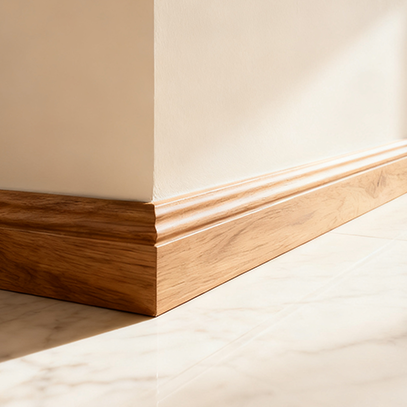
Crown Molding is more than just a decorative strip; it is the "finishing touch" of interior architectural design. Serving as a visual bridge at the intersection of walls and ceilings, it plays a core role in smoothing spatial transitions, concealing construction gaps, and imparting a sense of depth to any room.
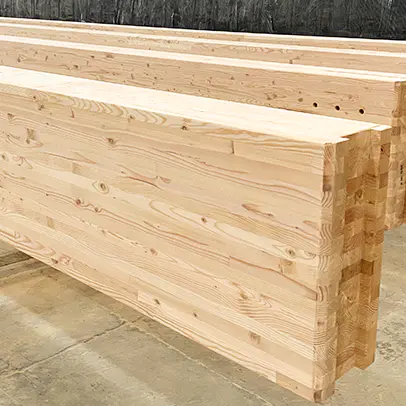
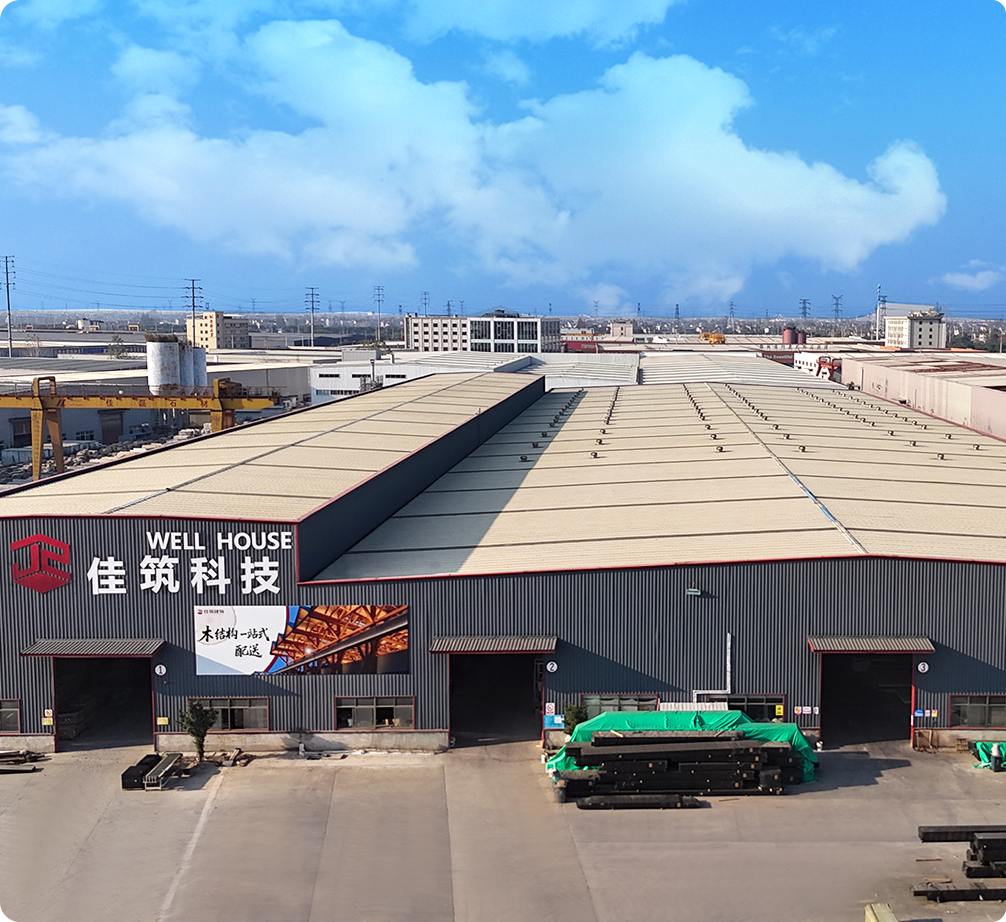
Under the guidance of green building and sustainable development concepts, Nantong Wellhouse Architectural Technology Co., Ltd. is dedicated to introducing high-precision timber processing technology into the field of high-end architectural decoration. As a professional enterprise specializing in the R&D and production of glued laminated timber (glulam) and timber structure products, we understand the power of every Crown Molding in shaping the soul of a building. By combining superior structural performance with exquisite decorative appearance, Crown Molding significantly enhances the layered feel of a space, making it visually more dignified and refined.
The history of Crown Molding dates back to ancient Greek architecture. Today, Nantong Wellhouse Architectural Technology Co., Ltd. utilizes industry-leading equipment, such as the Bohai integrated finger-jointing line, to breathe new life into this traditional decoration. Through precise finger-jointing and pressing processes, our products achieve longer seamless spans, reducing the number of joints during installation. Whether for classic colonial styles or modern minimalist designs, high-precision four-sided planing technology ensures that every inch of Crown Molding possesses a silky touch and perfect geometric contours, providing incomparable architectural depth to your space.
Core Parameter Comparison: Crown Molding Under Different Materials and Processes
| Evaluation Dimension |
Standard Wood Molding |
Nantong Wellhouse Glulam/Fine-Machined Wood |
Polyurethane (PU) Molding |
| Machining Precision |
General machining, error ~1-2mm |
KUKA Robotics/German K2i, precision to 0.1mm |
Molded, stable precision |
| Structural Stability |
Prone to warping and cracking |
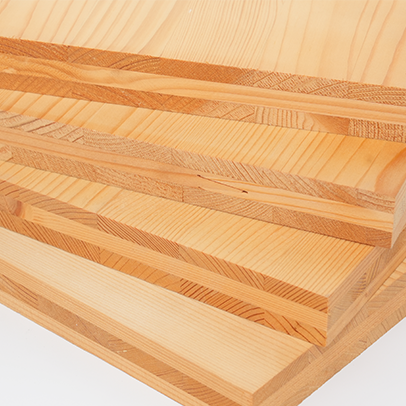
Finger-jointed glulam, multi-layer, low deformation |
Unaffected by humidity |
| Visual Texture |
Discontinuous grain |
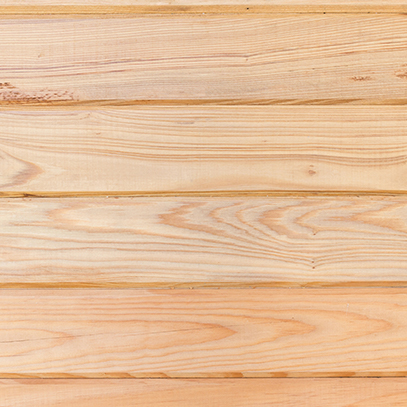
Continuous, natural wood grain, high-end texture |
Synthetic imitation grain |
| Customization |
Standard straight lines only |
Curved presses allow for complex arched profiles |
Fixed mold designs |
| Environmental Grade |
Depends on coatings |
Complies with green building sustainability standards |
Chemical synthetic material |
Material Comparison: Choosing the Right Crown Molding for Your Project
When selecting Crown Molding, the material determines not only the final visual effect but also the durability and ease of installation. Nantong Wellhouse Architectural Technology Co., Ltd. believes that high-quality raw materials are the foundation of a perfect space.
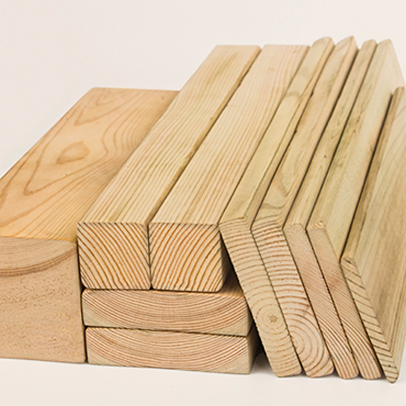
For projects seeking natural texture and long-term value, wooden Crown Molding remains the top choice. Our facility is equipped with industry-leading Taiwanese four-sided planers and German K2i machining centers, allowing the natural characteristics of timber to be maximized while overcoming the traditional weaknesses of wood deformation. Our production line consists of 9 glulam presses and 2 curved presses. Through scientific finger-jointing processes—with a monthly capacity of approximately 2,000 cubic meters—we eliminate internal stresses, ensuring the Crown Molding stays perfectly straight and avoids common corner cracking.
Technical Parameter Comparison of Mainstream Materials
| Parameter/Feature |
Glulam/Finger-jointed Wood (Nantong Wellhouse) |
Medium Density Fiberboard (MDF) |
Polyurethane (PU) |
Traditional Plaster |
| Density & Strength |
High strength, impact resistant |
Medium, edges easily damaged |
Low, soft texture |
Very high but brittle |
| Moisture Resistance |
Excellent (Glued & treated) |
Poor, swells with water |
Excellent, waterproof |
Medium, prone to cracks |
| Eco-Friendliness |
Sustainable, renewable |
Contains many adhesives |
Synthetic plastic |
Natural mineral |
| Surface Precision |
0.1mm grade (KUKA aided) |
Average |
High |
Depends on mold |
| Decorative Detail |
Supports complex carving |
Suitable for painting only |
Rich detail, looks synthetic |
High artistic value |
| Durability |
Extreme, resists aging |
Medium, prone to peeling |
Medium, may become brittle |
High, but heavy |
By utilizing advanced four-sided planing, every piece of Crown Molding is finely sanded before leaving the factory. This means you save significant on-site labor, and the paint adhesion is stronger, resulting in a smoother finish. Unlike standard plastic moldings, we can customize specific sizes or curvatures using our machining centers to meet unique designer requirements. Whether for the majestic lines of a large public space or the refined details of a private residence, our production capabilities provide precise coverage.
Style and Specification: Defining the Character of a Space
The style and size of Crown Molding are key to determining the visual proportions of an interior. Different profiles can convey entirely different atmospheres—from magnificent classical styles to crisp modernism. Crown Molding is always the shaper of spatial character.
Nantong Wellhouse Architectural Technology Co., Ltd. understands the precise relationship between architectural aesthetics and engineering specifications. We do not just focus on production; we are committed to achieving the ultimate pursuit of proportion through technical means. Utilizing KUKA robotic arms and the German K2i machining center, we transform complex designs into high-precision reality. Every piece of Crown Molding produced undergoes strict quality control, ensuring cross-sectional consistency across large orders to prevent misalignment during long-distance splicing.
Crown Molding Specification Selection and Ceiling Height Matching
| Ceiling Height |
Recommended Molding Width |
Visual Effect |
| 8 Feet (~2.4m) |
3" - 5" (7.5cm - 12.5cm) |
Refined, enhances spatial flow |
| 9-10 Feet (~2.7m - 3m) |
5" - 7" (12.5cm - 17.5cm) |
Well-proportioned, highlights structure |
| 12 Feet+ (3.6m+) |
7" - 12"+ (17.5cm - 30cm+) |
Thick, multi-layered "build-up" effect |
Style Interpretation: From Minimalist to Extreme Customization
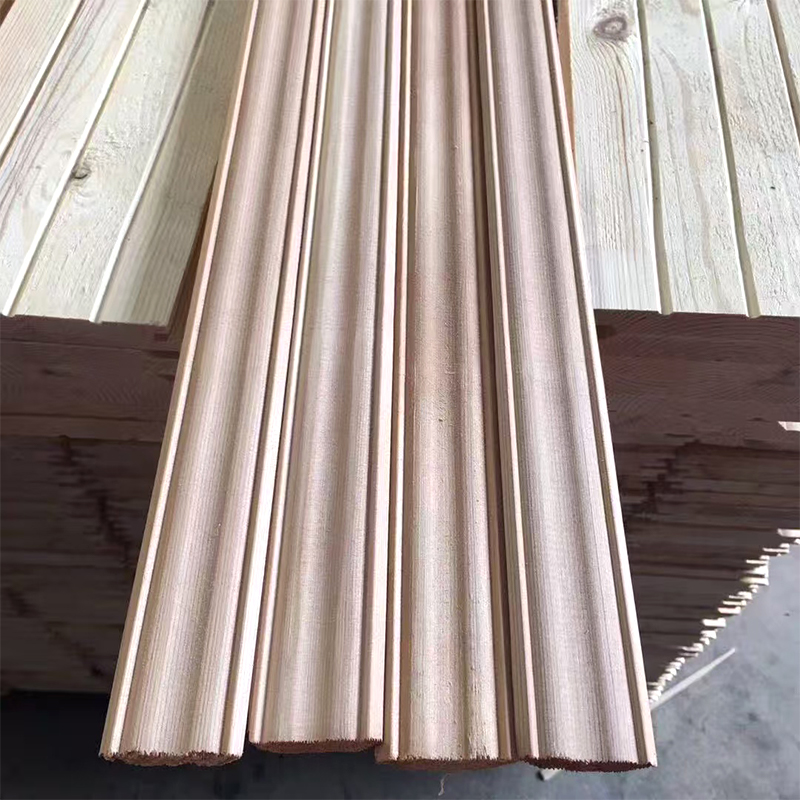
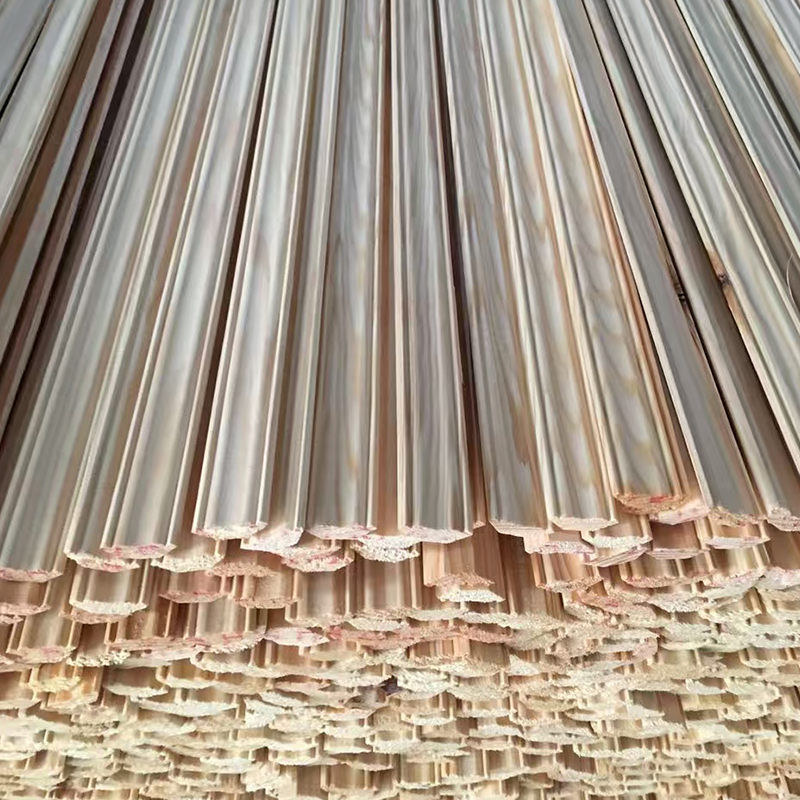
Cove & Stepped Profiles: These feature clean lines, ideal for modern and industrial designs. Nantong Wellhouse Architectural Technology Co., Ltd. uses four-sided planing technology to ensure the sharpness and flatness of every fold, making the play of light and shadow on the edges more sophisticated.
Traditional Composite: For buildings requiring a sense of history and dignity, multiple layers of Crown Molding are combined. With our monthly production capacity of 2,000 cubic meters, we provide highly consistent components for large-scale projects.
Curved Profiles: This is where our core competitiveness shines. With 2 specialized curved presses, we break the limitations of straight-line design to produce customized arched Crown Molding for rotunda halls or vaulted ceilings, an artistic expression hard to reach with standard molds.
Installation Craftsmanship: Perfect Fit for Crown Molding
Installing Crown Molding is one of the most demanding tasks for a carpenter. Since it must span the wall and ceiling at specific angles, the straightness of the material and the precision of the joints are paramount. The timber moldings from Nantong Wellhouse Architectural Technology Co., Ltd. provide the ideal substrate. Relying on the Bohai integrated finger-jointing line, our Crown Molding boasts superior anti-torsion performance, staying true and straight even over long distances, which significantly reduces the difficulty of on-site calibration.
Key Technology Comparison: Mitering vs. Coping
| Process Name |
Implementation |
Best Scenario |
Nantong Wellhouse Advantage |
| Mitering |
Two pieces cut at 45° |
Outside Corners |
High-precision planing ensures flat cuts |
| Coping |
One piece butts wall, other is back-cut |
Inside Corners |
Excellent fiber toughness, no chipping |
| Digital Pre-cutting |
3D cutting via machining center |
Complex/Irregular spaces |
K2i system allows for micron-level pre-fab |
Professional Installation Steps
Baseline Positioning: Use a level to mark the bottom edge of the Crown Molding. Our products' high dimensional consistency makes this stage efficient and precise.
Corner Treatment: For inside corners, the coping method is recommended. Because our products are precisely pressed, the internal structure is uniform, allowing for extremely smooth contouring with cutting tools.
Fastening: Use a pneumatic nailer to secure the molding. The high-density glulam structure provides excellent nail-holding power, ensuring the Crown Molding remains stable over time.
Seamless Finishing: Thanks to the fine surface treatment provided by Nantong Wellhouse Architectural Technology Co., Ltd., only a minimal amount of caulking is needed to achieve a completely seamless look.
Frequently Asked Questions (FAQ)
Q: Why does wooden Crown Molding crack, and how can it be avoided?
A: Changes in natural moisture content are the primary cause of cracking. Traditional solid wood is prone to shrinkage as seasons change. Nantong Wellhouse Architectural Technology Co., Ltd. utilizes the Bohai integrated line and 9 glulam presses to fundamentally alter the physical structure of the timber. Scientific finger-jointing eliminates internal stress, increasing physical stability by 30%-50% compared to ordinary logs, reducing the risk of joint separation.
Q: Can wooden Crown Molding be installed in humid environments like kitchens or bathrooms?
A: Yes, but only if professionally treated. Our glulam products offer significantly lower expansion rates compared to ordinary wood. By utilizing high-precision four-sided planing, the surface pores are minimized, making them the ideal choice for high-quality wet areas when paired with waterproof coatings. The production process at Nantong Wellhouse Architectural Technology Co., Ltd. complies with green building standards for durability.
Q: How do I determine the Projection and Rise of the Crown Molding?
A: Installation involves the Rise (height on the wall), Projection (depth on the ceiling), and Face Width. Using our German K2i machining center, we produce moldings with precise spring angles (usually 38°, 45°, or 52°). This ensures the Crown Molding forms a perfect triangular support at the corner, providing both beauty and stability.
Q: Is there a visual difference between Glulam and ordinary solid wood Crown Molding?
A: In terms of texture, our glulam products retain the natural grain of the timber. Because we have a monthly finger-jointing capacity of 2,000 cubic meters, we can select and match wood of similar color and grain, allowing for longer lengths and fewer joints, resulting in a more continuous visual flow than standard solid wood.
Q: How do you ensure consistency across large-scale projects?
A: This is a common pain point for large developments. Nantong Wellhouse Architectural Technology Co., Ltd. employs KUKA robotic arms and digital production management to ensure that the profile error from the first piece to the ten-thousandth is controlled within microns. This industrial precision ensures perfect alignment in large spaces, significantly reducing post-installation repair costs.


 English
 한국어
한국어 Español