Exploring Corner Molding: The Perfect Blend of Aesthetics and Functionality
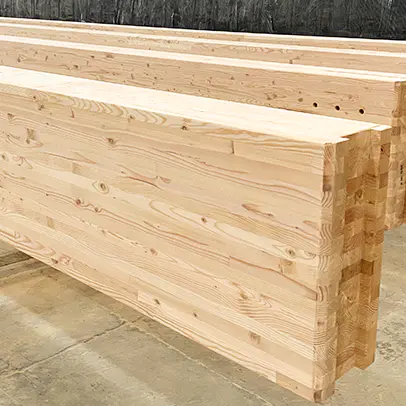
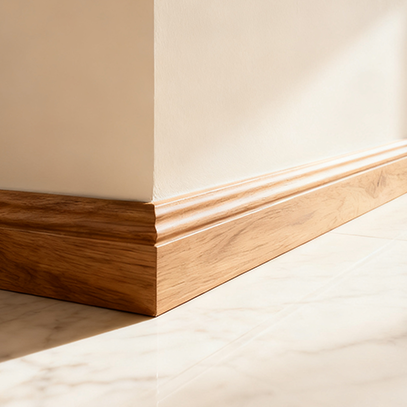
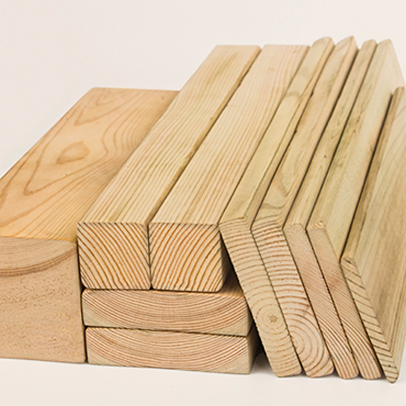
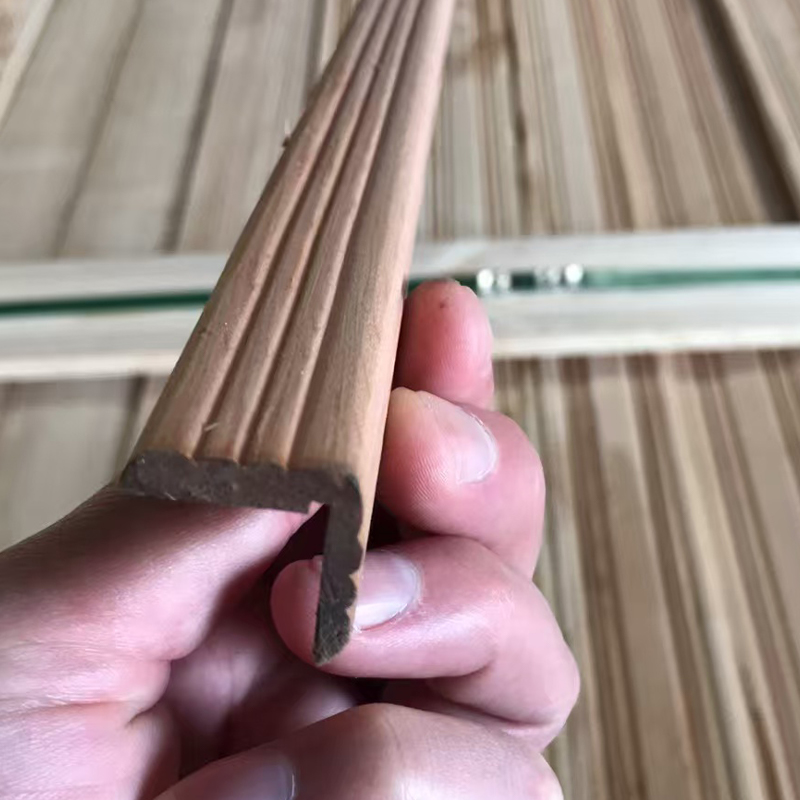
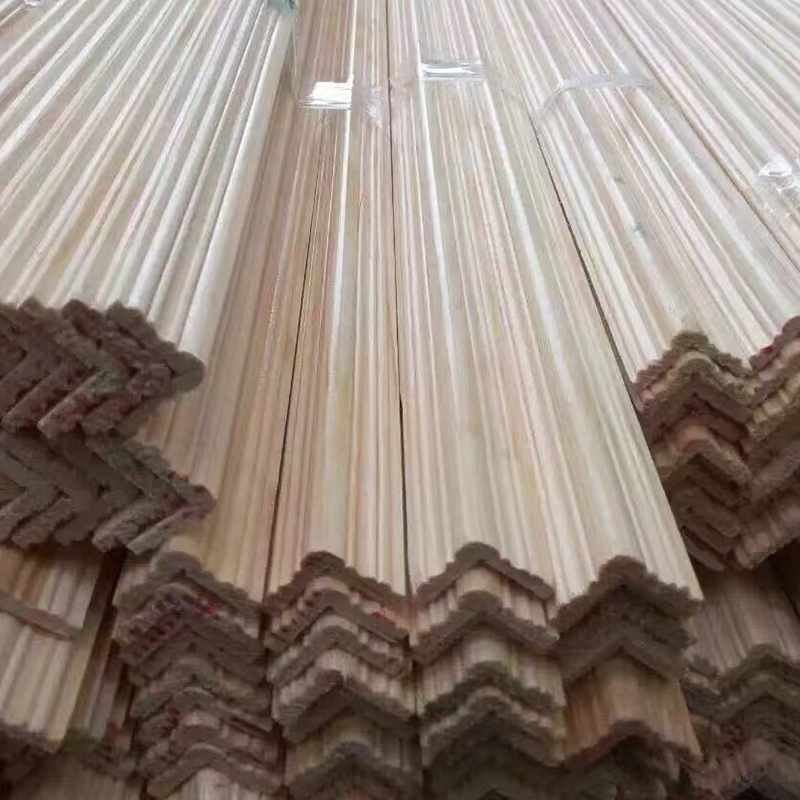
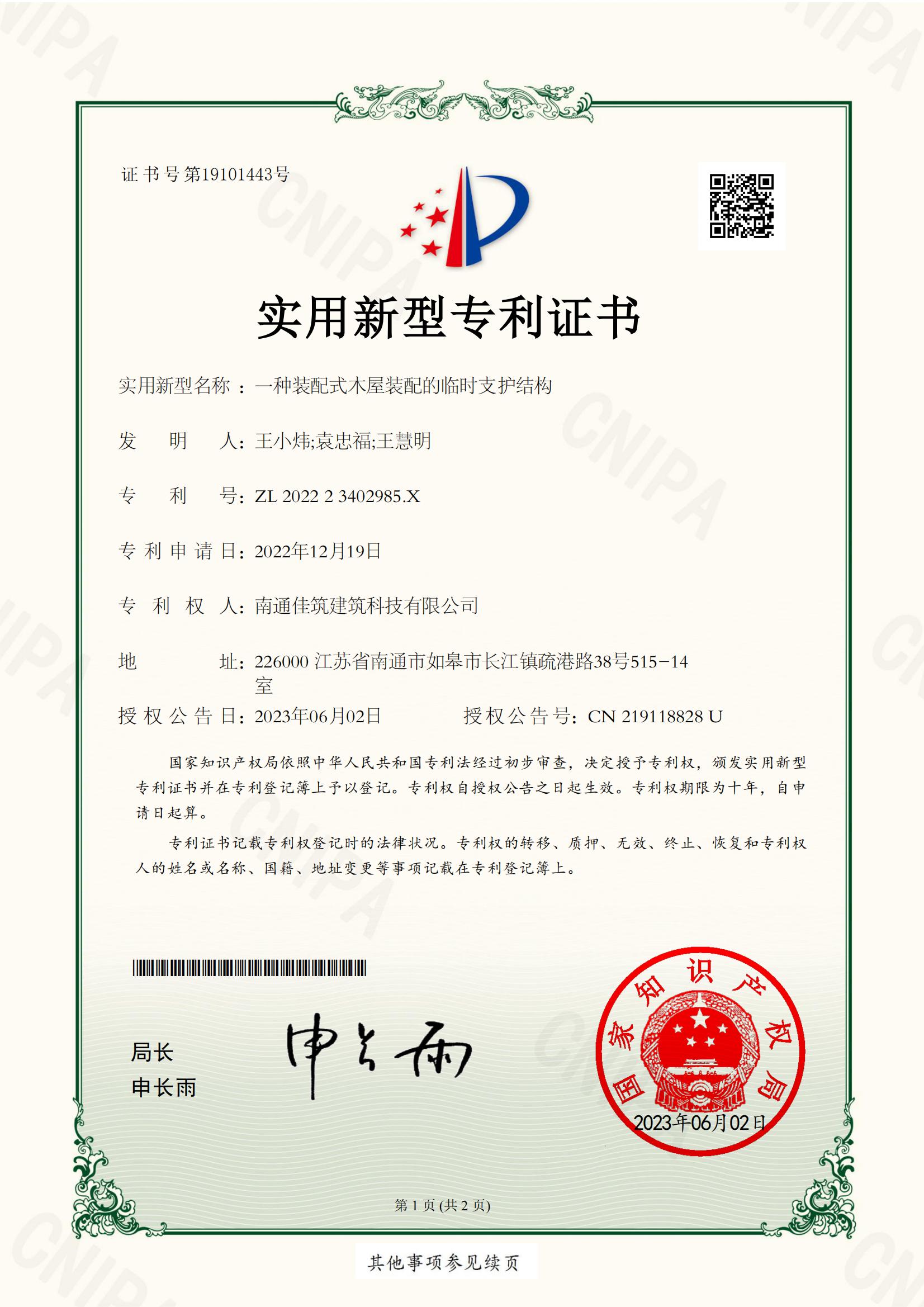
Corner Molding, commonly referred to as internal corner trim or corner guards, is an indispensable architectural component in interior decoration. It is primarily installed at the junction where ceilings meet walls or where two vertical walls intersect. As a practitioner of sustainable building solutions, Nantong Wellhouse Architectural Technology Co., Ltd. is committed to providing Corner Molding solutions that balance environmental protection with aesthetic appeal through high-quality glued laminated timber (glulam) and timber structure products.
Definition and Core Value
In decoration projects, Corner Molding is more than just a strip; it serves as a visual bridge connecting different planes. Its core value is reflected in the following aspects:
- Concealing Architectural Defects: Construction gaps or unevenness often exist at wall junctions; Corner Molding perfectly covers these flaws.
- Spatial Contouring: By extending lines, Corner Molding defines the contours of a space, making a room feel layered and structured.
- Structural Protection: In corner areas prone to impact, installing sturdy Corner Molding effectively prevents wall damage.
High-Precision Manufacturing Guarantee
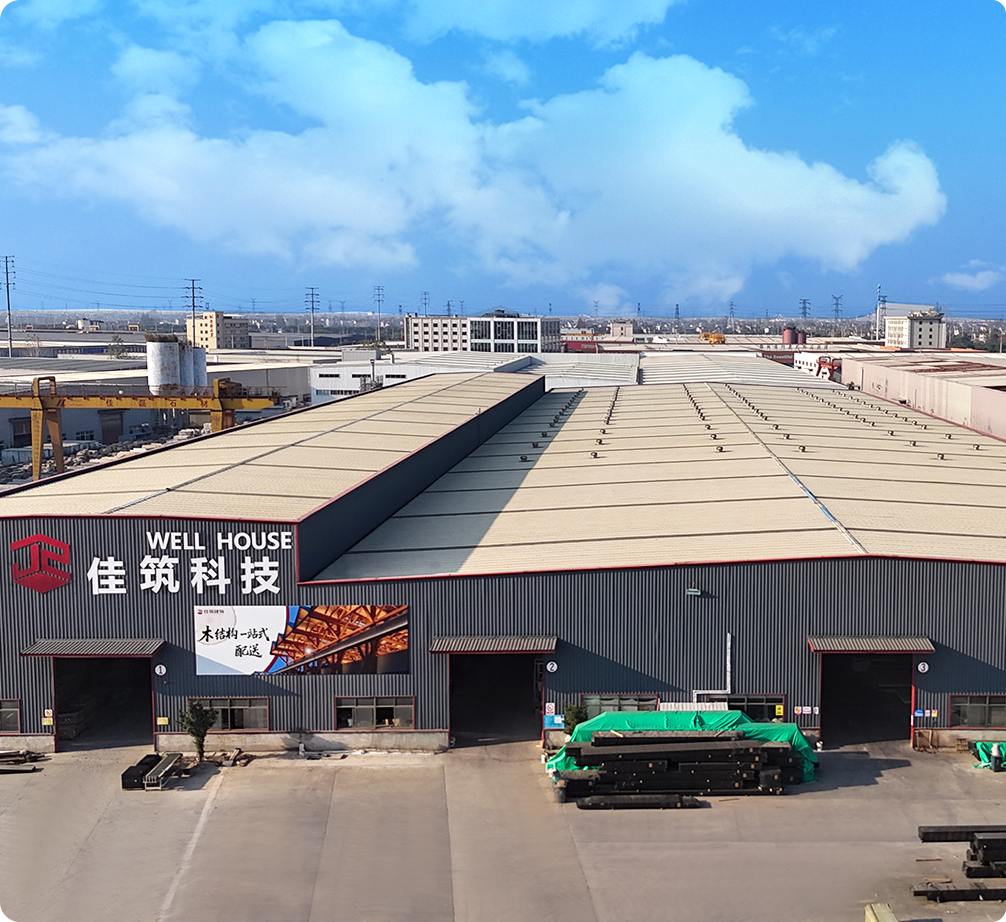
To ensure that Corner Molding achieves sub-millimeter precision alignment during installation, Nantong Wellhouse Architectural Technology Co., Ltd. has invested in industry-leading production equipment. We utilize the German K2i machining center and KUKA robotic arms to perform high-precision cutting and shaping for every piece of Corner Molding.
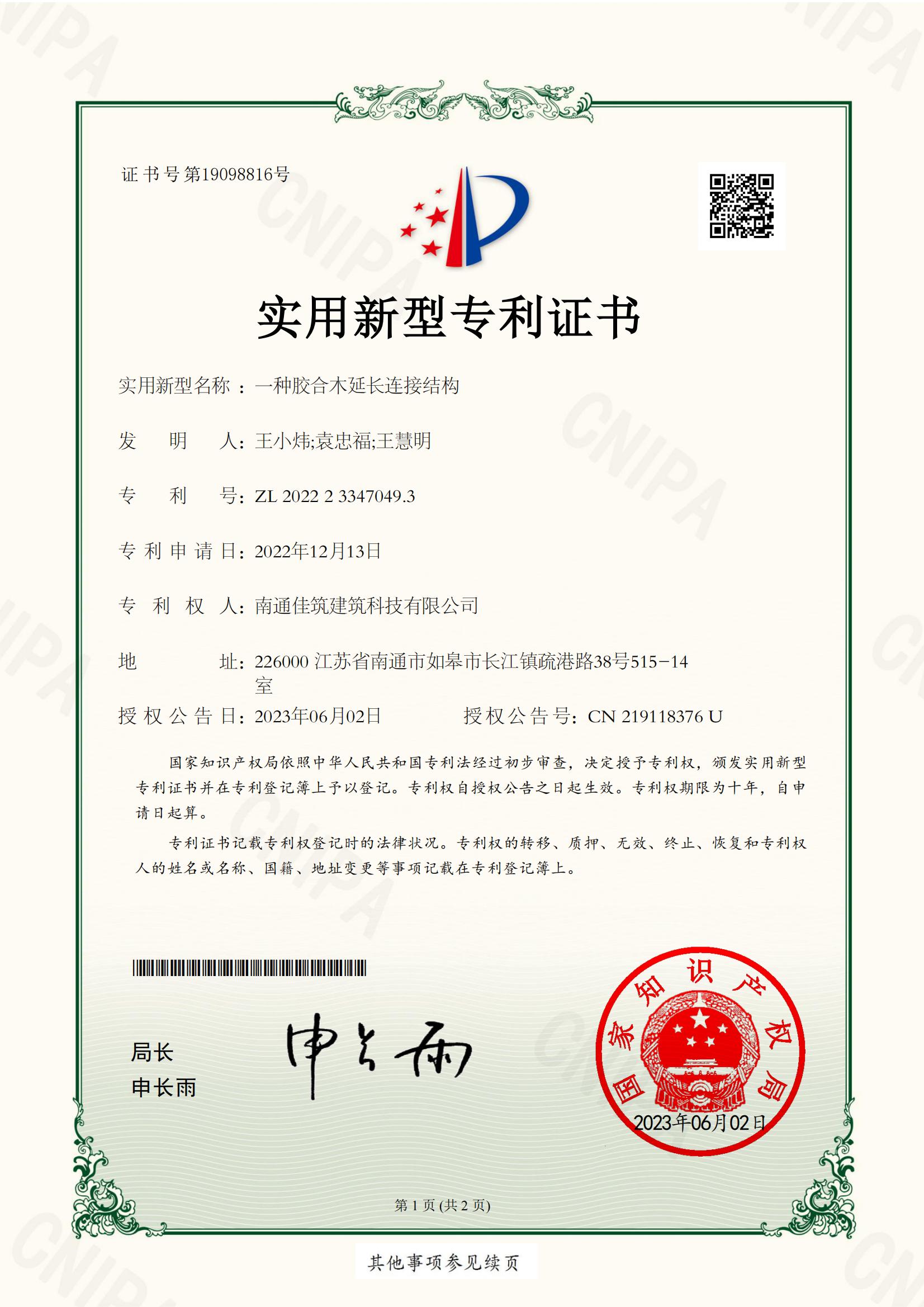
Furthermore, our pre-production process employs the Bohai integrated finger-jointing line, with a monthly finger-jointing capacity of 2,000 cubic meters. This advanced technology ensures that the timber used to manufacture Corner Molding is structurally stable and resistant to deformation, laying a solid foundation for long-term decorative effects.
Material Parameter Comparison Table
When choosing Corner Molding, understanding the physical properties of different materials is crucial. Below is a comparison of parameters between the glulam developed by Nantong Wellhouse Architectural Technology Co., Ltd. and other common materials:
| Performance Metric |
Glulam Corner Molding |
Solid Wood |
MDF |
PVC / Plastic |
| Environmental Friendliness |
Extremely High (Sustainable) |
High (Paint dependent) |
Medium (Contains adhesives) |
Low (Synthetic) |
| Structural Stability |
Extremely Strong (Multi-layer) |
General (Moisture-sensitive) |
Poor (Water expansion) |
Strong |
| Machining Accuracy |
+/- 0.1mm (KUKA Robot) |
+/- 0.5mm |
+/- 0.3mm |
+/- 0.5mm |
| Durability |
Excellent (Special bonding) |
Prone to cracking |
Not water-resistant |
Excellent |
| Visual Texture |
Natural grain, premium feel |
Natural but knotty |
Requires paint, no grain |
Plastic feel |
Main Material Classifications of Corner Molding
Choosing the right Corner Molding material directly determines its service life and final decorative effect. Nantong Wellhouse Architectural Technology Co., Ltd., with its deep research in the field of glulam, analyzes the characteristics of mainstream Corner Molding materials currently on the market.
Glulam Corner Molding
As the core product of Nantong Wellhouse Architectural Technology Co., Ltd., glulam Corner Molding represents the leading level of timber structure technology.
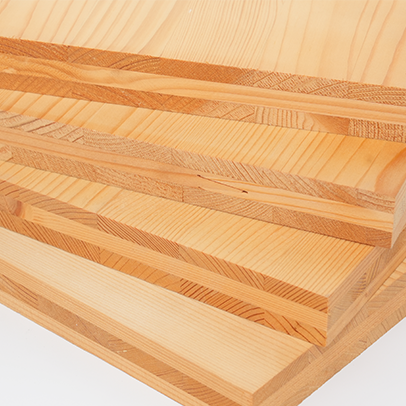
- Process Advantage: Fine processing through the Bohai integrated finger-jointing line eliminates the internal growth stress of the wood.
- Stability: Compared to traditional solid wood, glulam Corner Molding significantly reduces the risk of cracking and twisting. Mass production with a monthly capacity of 2,000 cubic meters ensures uniform quality.
Solid Wood
Solid wood strips are a classic decorative choice but have high requirements for environmental humidity.
- Features: Possesses natural, irregular textures.
- Limitations: Easily affected by seasonal temperature differences, leading to shrinkage gaps; additionally, large-scale solid wood Corner Molding is expensive.
Medium Density Fiberboard (MDF)
This is an economical synthetic choice.
- Features: Smooth surface, ideal for post-production spray painting.
- Limitations: Poor moisture resistance; it expands and deforms quickly when damp. It is not recommended to install this type of Corner Molding in kitchens, bathrooms, or basements.
Polyurethane and PVC
Primarily used in special scenarios with extremely high moisture resistance requirements.
- Features: Lightweight and completely waterproof.
- Limitations: Lacks the texture and environmental benefits of natural wood, and may age or discolor over time.
Core Material Technical Parameter Comparison
To help you intuitively understand the performance of different Corner Molding materials, Nantong Wellhouse Architectural Technology Co., Ltd. has compiled the following technical parameter comparison table:
| Technical Parameter |
Glulam |
Solid Wood |
MDF |
Polyurethane |
| Modulus of Rupture (MOR) |
65 - 90 MPa |
50 - 80 MPa |
30 - 45 MPa |
20 - 35 MPa |
| Moisture Content Control |
8% - 12% (Precise) |
10% - 16% (Fluctuating) |
Low (But expands) |
N/A |
| Machining Error |
+/- 0.1mm (KUKA) |
+/- 0.5mm |
+/- 0.3mm |
+/- 0.5mm |
| Environmental Grade |
E0 / F4 Star |
Depends on coating |
E1 / E2 |
N/A |
| Length Stability |
Excellent (Finger-joint) |
Prone to shrinkage |
General |
Thermal expansion |
Advanced Equipment Ensuring Material Performance
The 9 glulam presses and 2 curved presses owned by Nantong Wellhouse Architectural Technology Co., Ltd. allow us to produce not only standard straight Corner Molding but also customized curved solutions for rounded corners. Combined with the Taiwanese four-sided planer and German K2i machining center, the physical parameters of every strip strictly comply with architectural structure standards.
Matching Your Decoration Style: Profile Options for Corner Molding
The profile of Corner Molding directly determines the architectural character of an interior space. Nantong Wellhouse Architectural Technology Co., Ltd., utilizing the high-precision manufacturing of the German K2i machining center, can perfectly replicate styles from classic vintage to modern minimalist.
Traditional & Classical Styles
Traditional Corner Molding emphasizes the layering of light and shadow, often involving complex curve combinations such as Ogee or Cove.
- Crown Molding: This is the most ornate form of Corner Molding, featuring multi-layered stepped designs that create a sculptural transition between the ceiling and the wall.
- Application: European manors, American colonial styles, or traditional study rooms.
Modern & Minimalist Styles
Minimalist styles discard redundant decoration, pursuing clean lines and a sense of strength.
- Simple Angle: Utilizing simple right angles or subtle 45-degree chamfered designs, this Corner Molding provides refined edge closing without disrupting the overall wall feel.
- Hidden Design: Using the precise four-sided planer technology of Nantong Wellhouse Architectural Technology Co., Ltd., we can produce ultra-thin, structurally stable strips that achieve a nearly invisible transition.
Curved & Custom Styles
For special structures like curved wall corners or domes, standard rigid strips are difficult to fit seamlessly.
- Curved Pressing: Nantong Wellhouse Architectural Technology Co., Ltd. is equipped with 2 curved presses specifically for producing curved glulam Corner Molding.
- Flexible Curves: Through customized pressing processes, we can manufacture strips that match specific radii, solving construction difficulties for circular columns or arched ceilings.
Style Parameter Reference for Corner Molding
To assist designers in selection, below are the mainstream Corner Molding profile parameters produced by Nantong Wellhouse Architectural Technology Co., Ltd.:
| Style Category |
Molding Type |
Common Width |
Projection Height |
Visual Feature |
| Classic Vintage |
Large Crown |
110mm - 180mm |
80mm - 120mm |
Highly decorative |
| Simple European |
Cove Molding |
60mm - 90mm |
45mm - 70mm |
Soft transitions |
| Modern Minimalist |
Angle Guard |
25mm - 45mm |
15mm - 30mm |
Functional & clean |
| Industrial/Nordic |
S4S Trim |
35mm - 60mm |
10mm - 20mm |
Flat and minimalist |
Key Installation Steps: How to Handle Corner Molding with Precision
Installing Corner Molding is a task that tests precision and craftsmanship. Due to the excellent structural stability of glulam, strips produced by Nantong Wellhouse Architectural Technology Co., Ltd. show superior resistance to deformation during installation.
Precise Measurement and Angle Calculation
Most wall corners in buildings are not a perfect 90 degrees. Before installing Corner Molding, a digital angle finder must be used to measure the actual degree of each corner.
- Inside Corners: The molding is concave; typically handled with a 45-degree miter or coping.
- Outside Corners: The molding is convex; a precise 45-degree miter joint must be performed to ensure the continuity of the Corner Molding texture.
Cutting Techniques: Miter and Compound Cuts
Consistent with the precision mindset of Nantong Wellhouse Architectural Technology Co., Ltd., we recommend using a miter saw with laser guidance on site.
- Miter Cut: Setting the blade at 45 degrees, suitable for most standard Corner Molding.
- Compound Cut: For Crown Molding, both the miter angle and the bevel angle must be adjusted simultaneously.
Fixing and Bonding: Structural Security
To prevent gaps caused by thermal expansion and contraction, Nantong Wellhouse Architectural Technology Co., Ltd. recommends a Glue + Nail dual-fixation method.
- Bonding: Apply high-performance polyurethane adhesive to the contact surface of the Corner Molding.
- Fastening: Use an 18-gauge brad nailer for fixation. Thanks to our monthly capacity of 2,000 cubic meters and excellent finger-jointing, the wood density is uniform, preventing nail splitting.
Installation Process Parameter Comparison
For the best results, below is a comparison of technical parameters for different installation methods:
| Installation Metric |
Miter Joint |
Cope Joint |
Corner Block |
| Difficulty |
Medium (Precise angle) |
High (Manual trimming) |
Low (Direct butt) |
| Gap Concealment |
General (Shrinkage risk) |
Excellent (Overlapping) |
Good (Block transition) |
| Anti-deformation |
Adhesive dependent |
Conceals movement |
Very stable |
Creative Application Scenarios for Corner Molding
Beyond traditional ceiling edges, Corner Molding demonstrates strong versatility in modern interior design. Thanks to the industry-leading manufacturing of Nantong Wellhouse Architectural Technology Co., Ltd., our glulam strips offer both structural strength and delicate surface textures.
Picture Frame Molding
Using Corner Molding to combine into squares or rectangles on a plain wall can instantly enhance architectural detail.
- Design Tip: Use 45-degree precision cuts to join strips into closed frame shapes.
- Performance: With a finger-jointing capacity of 2,000 cubic meters, we ensure the straightness of long strips, keeping large-scale frames perfectly aligned.
Furniture Upgrading
Adding Corner Molding to the top of ordinary cabinets or wardrobes creates a premium custom furniture look.
- Application: Install molding at the junction of the cabinet top and the ceiling to eliminate gaps and achieve a floor-to-ceiling effect.
- Customization: Our four-sided planers can precisely trim molding thickness to fit furniture edges perfectly.
Cove Lighting Design
By lowering the Corner Molding about 10-15cm from the ceiling, it can serve as a support trough for hidden LED strips.
- Visual Effect: Light reflects off the molding curves onto the ceiling, creating a soft wall-washing effect.
- Stability: Considering the heat from LED strips, our glulam is controlled at 8% - 12% moisture content to remain stable under temperature fluctuations.
Creative Application Comparison Table
Below is a performance demand analysis for different Corner Molding scenarios:
| Scenario |
Recommended Profile |
Core Focus |
Nantong Wellhouse Support |
| Ceiling Edge |
Large Crown |
Visual extension |
9 presses for long specs |
| Wall Frames |
Narrow S4S |
Joint tightness |
KUKA robot +/- 0.1mm accuracy |
| Furniture Trim |
Medium Ogee |
Surface smoothness |
German K2i for finish |
| Hidden Cove |
Deep Cove |
Heat stability |
Finger-jointing prevents warping |
FAQ
Nantong Wellhouse Architectural Technology Co., Ltd. has compiled professional answers to high-frequency questions based on years of R&D in timber structures and glulam.
Q1: Why is glulam better than standard solid wood for Corner Molding?
A: Standard solid wood is prone to cracking or twisting due to humidity. Nantong Wellhouse Architectural Technology Co., Ltd. uses the Bohai integrated finger-jointing process to reorganize wood fibers, neutralizing internal stress. This ensures superior straightness and stability.
Q2: What should be noted when installing Corner Molding in high-rise buildings or high-temperature areas?
A: Temperature differences cause expansion and contraction. We recommend products with precise moisture content. All our Corner Molding is balanced at 8% - 12% moisture content. Using our high-density strips from our 9 glulam presses minimizes joint cracking.
Q3: How do I install Corner Molding on curved walls?
A: This is a traditional difficulty. Through our 2 curved presses, we can custom-produce Corner Molding with specific radii based on your measurements. This avoids the risk of breaking wood by force-bending it on-site.
Q4: Performance Comparison for Different Grades of Corner Molding
Below are the technical standards suggested by Nantong Wellhouse Architectural Technology Co., Ltd.:
| Dimension |
Industrial Grade |
Decorative (Wellhouse) |
Basic Engineering Grade |
| Machining Precision |
+/- 0.5mm |
+/- 0.1mm (K2i/KUKA) |
+/- 1.0mm |
| Finger-joint Strength |
Medium |
Extremely High |
Lower |
| Surface Roughness |
< 6.3 micrometers |
< 3.2 micrometers |
> 12.5 micrometers |
| Supply Capacity |
Unstable |
2,000 cu.m (Scalable) |
< 200 cu.m |
Q5: How do I maintain glulam Corner Molding?
A: Simply wipe with a slightly damp soft cloth. Because Nantong Wellhouse Architectural Technology Co., Ltd. uses high-performance bonding technology, the strips have excellent weather resistance. If the surface is damaged, light sanding and repainting will restore it.
Q6: Is there a guarantee for bulk supply of Corner Molding?
A: For large projects, delivery is key. Nantong Wellhouse Architectural Technology Co., Ltd. has leading production lines with 2,000 cubic meters of monthly capacity, ensuring that bulk orders of Corner Molding are delivered on time and at high quality under K2i monitoring.



 English
 한국어
한국어 Español