What is the installation process for wood molding?
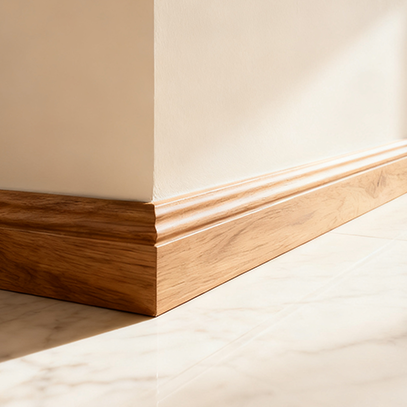
Wood molding installation is a precise process that affects not only the aesthetics of a room but also the stability and lifespan of the molding.
Preparation: Before installing wood molding, you first need to prepare the tools and materials. Common tools include:
- Measuring tools: Measuring tape, laser level, or plumb line, used to ensure accurate installation positioning.
- Cutting tools: Saw or electric saw, used to cut the wood molding to the correct length, ensuring smooth joints.
- Fixing tools: Nail gun or hammer; in some cases, screws may be needed for added stability.
- Wood glue: Used to bond the molding; sometimes used in conjunction with nails or screws for double securing.
- Finishing tools: Sandpaper and repair glue, used to sand the wood surface and repair minor damage.
Measurement and Marking: Accurate measurement and marking are crucial during installation. First, use a measuring tape to measure the area where the trim will be installed. To ensure horizontal or vertical alignment, use a laser level or plumb line to mark the installation position on the wall. When marking, be sure to leave enough space to avoid errors, especially at corners.
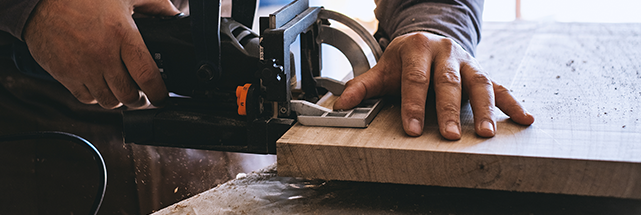
Cutting the Wood Trim: Based on the measurements, use a saw or electric saw to cut the wood trim to the required length. If the ends of the trim need to be beveled (such as angled joints in window or door frames), use a beveling tool or angle gauge to ensure the angle of the cut meets design requirements. Each joint should be flat and smooth to avoid misalignment. Precise cuts at the joints ensure a tight fit and enhance the overall aesthetics.
Preparing for Installation: Before installation, it is recommended to apply wood glue to the back of the wood trim, especially at the joints and corners. Apply the glue evenly, avoiding excessive application. Then gently press the trim onto the wall, ensuring alignment with the marks. When applying adhesive to the wall, be careful to avoid glue overflowing onto external surfaces to prevent affecting the appearance.
Securing the Wooden Trim: Securing the wooden trim is the most crucial step in the installation process. Use a nail gun or hammer to secure the trim to the wall with nails or screws, ensuring it is stable and not loose. If the wall surface is hard or uneven, it is recommended to use wood screws to enhance the fixing force. During installation, check the flatness of the trim and adjust its position to ensure all trims are aligned.
Finishing and Cleaning: After installation, check each joint and corner for gaps. If gaps are found, repair them with wood filler. Use a filler knife to fill the cracks, allow it to dry completely, and then sand it smooth. Finally, clean up any waste and debris generated during installation to ensure a clean environment.
Surface Treatment: To further enhance the aesthetics and durability of the wooden trim, a surface treatment can be performed after installation. Depending on the needs, paint, varnish, or wood wax oil can be applied to protect the wood surface from moisture and wear. At the same time, the finish can be chosen to match the overall decorating style, making the lines more harmonious with the room's color scheme.
What are the maintenance and care methods for wood molding?
As part of home décor, wood molding, besides its aesthetic appeal, requires regular maintenance to extend its lifespan and maintain its luster and color.
Regular Cleaning: The surface of wood molding easily accumulates dust, making regular cleaning a crucial step in maintenance. First, gently wipe the surface with a clean, soft cloth to remove dust and dirt. Avoid using abrasive cleaning tools, as these may scratch the wood surface. If there are stains, you can gently wipe them with a damp cloth, but be careful not to let moisture remain in contact with the wood for extended periods to prevent swelling or warping.
Avoid Direct Sunlight: Wood is greatly affected by direct sunlight. Prolonged exposure can cause the wood to discolor, fade, and even crack. Therefore, avoid installing wood molding in areas with direct sunlight, especially on windowsills and sun-exposed walls. If this cannot be avoided, consider using curtains, blinds, or other sun-shading devices to reduce direct sunlight exposure.
Maintain Suitable Indoor Humidity: Humidity has a significant impact on wood; both excessively high and low humidity can cause wood to warp, crack, or swell. The ideal humidity range is 40%-60%. Therefore, in humid environments, avoid exposing wood molding to high humidity levels. If the room humidity is too high, use a dehumidifier to keep the air dry and prevent the wood molding from getting damp.
Regular Waxing or Oiling: Regularly waxing or oiling wood molding effectively slows down the aging of the wood surface, maintains its shine, and provides a protective film. Wood wax oil penetrates the wood surface, providing natural protection while preserving the wood's natural grain and color. When applying, choose high-quality wood wax oil or varnish, ensuring it is free of harmful chemicals and suitable for indoor use.
Inspect and Repair Damage: Over time, wood molding may develop scratches, cracks, or minor damage. Regularly check the integrity of the molding and repair any damage promptly. Fill cracks or scratches with wood repair compound, allow it to dry, sand it smooth, and finally apply a finish that matches the original color. Repairing minor damage can effectively extend the lifespan of wood moldings.
Insect and Mold Prevention: Wood molding is susceptible to insects and mold, especially in humid environments. To prevent these problems, it is recommended to use a wood insect repellent regularly. If mold spots or signs of insect infestation are found on the wood molding, take immediate action to remove the mold and disinfect the area.
How Does Wood Molding Design Affect the Visual Effect of a Room?
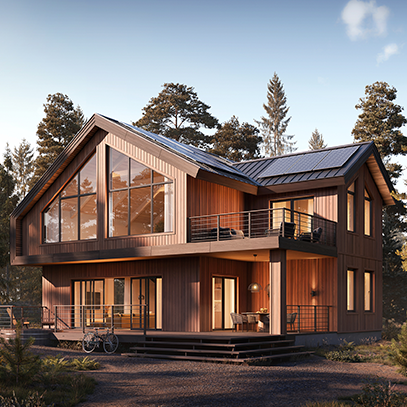
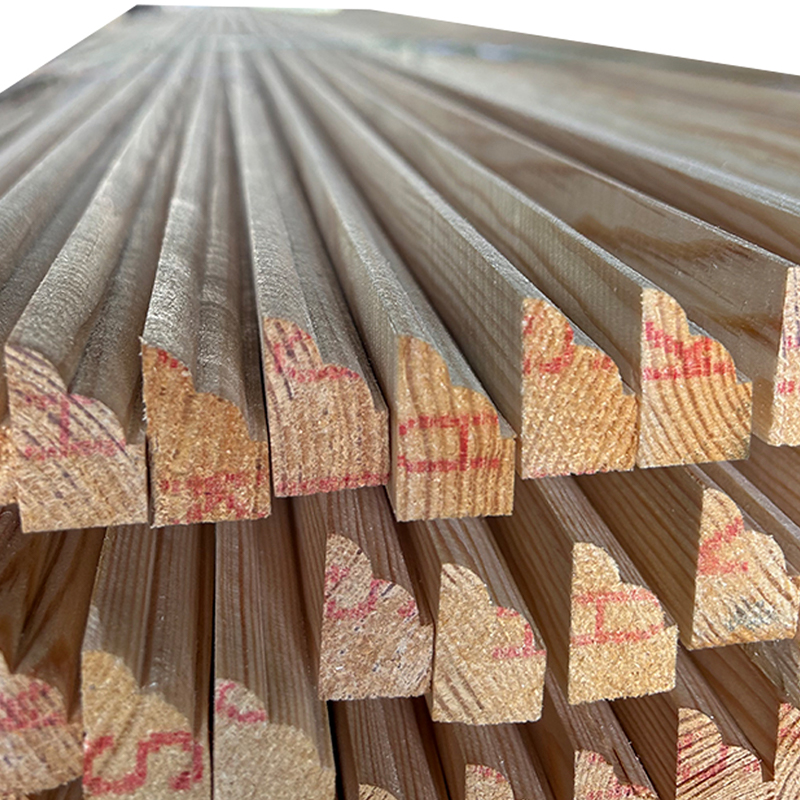
Wood molding not only plays a significant role in aesthetics but can also influence the sense of space, lighting, and overall atmosphere of a room through clever design. Especially in timber-framed buildings, wood molding design not only affects aesthetics but also enhances the building's greenness and sustainability.
Enhancing the Sense of Space
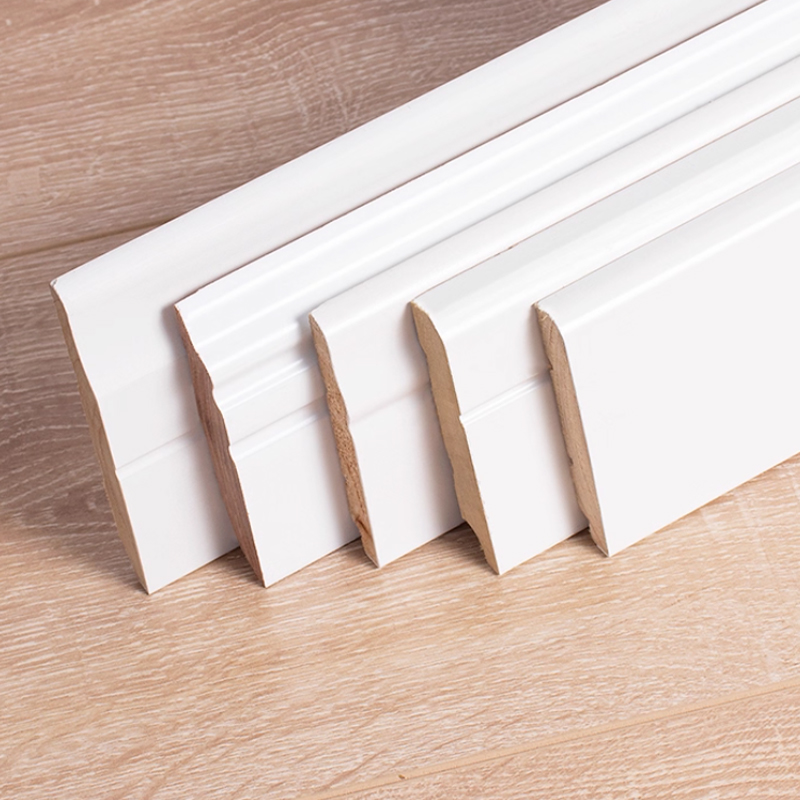
Wood molding, through careful design, can visually alter the sense of space in a room. For example, using slender wooden moldings at the junction of the ceiling and walls can make a room appear taller; while heavier decorative moldings can add a sense of weight and stability, suitable for large spaces or rooms with a classic style. By choosing moldings of different sizes and shapes, the visual effect of a space can be flexibly adjusted.
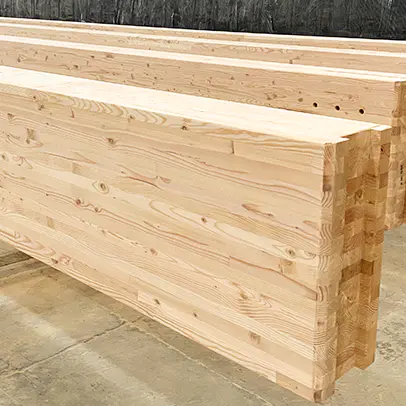
For buildings using timber-framed materials such as glulam and cross-laminated timber (CLT), wood molding design can subtly echo the overall structure, creating a harmonious and unified spatial atmosphere. Nantong Wellhouse Architectural Technology Co., Ltd.'s wood molding products are designed with the natural texture and environmentally friendly properties of wood in mind. Therefore, their decorative moldings are often used to enhance the natural feel and comfort of interior spaces, while utilizing the wood's natural luster and color to enhance the spatial depth.
Shaping Style and Atmosphere
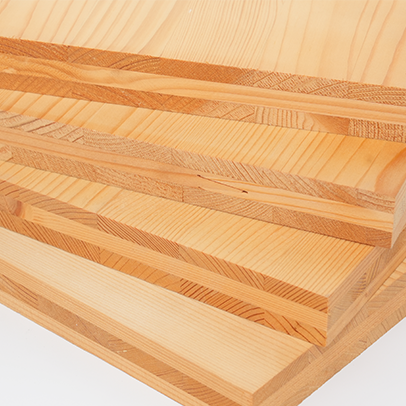
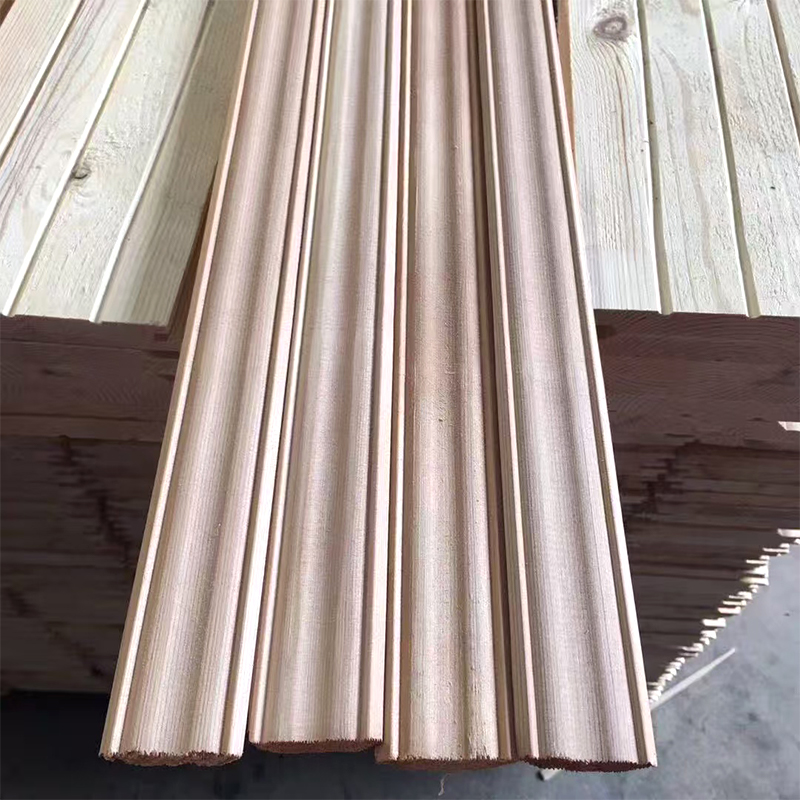
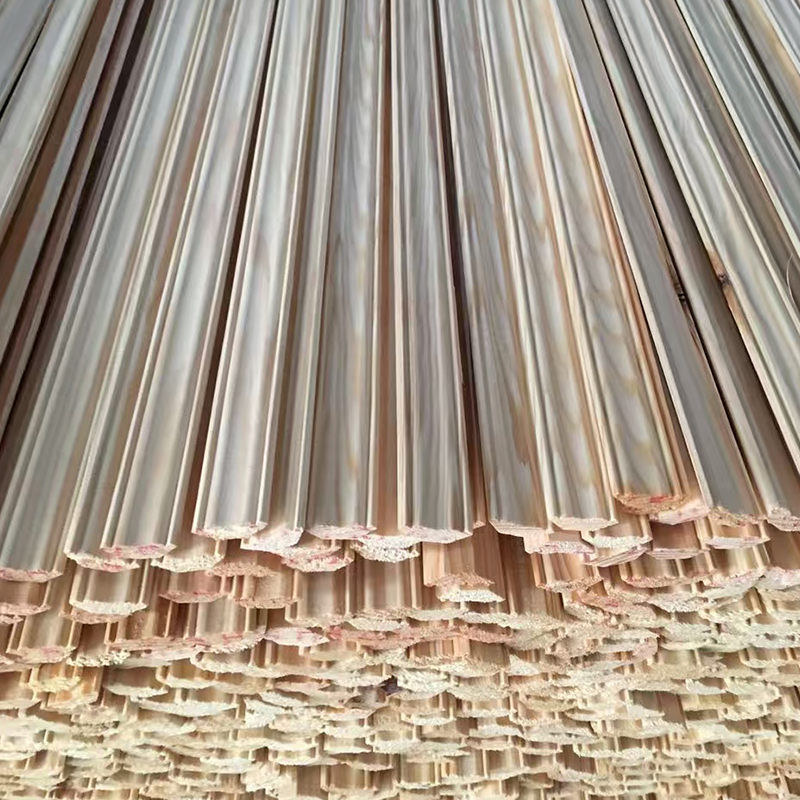
Different styles of wood molding designs can effectively shape the atmosphere of a room. For example, modern minimalist styles often use straight, simple wood lines to create a fashionable and fresh feel; while classic or country-style rooms are suitable for using curved shapes and intricate decorative moldings to create a warm and retro atmosphere. Nantong Wellhouse Architectural Technology Co., Ltd.'s products, especially solid wood wall panels and cross-laminated wood (CLT), offer a diverse selection of wood moldings to meet clients' design needs, thereby creating interior spaces that match different architectural styles.
For example, glulam offers exceptional structural strength and flexibility, making it suitable for modern architectural designs, while cross-laminated timber (CLT) provides robust support for rustic or traditional timber structures. Decorative molding plays a dual role in both aesthetics and function in these timber constructions.
Defining Spatial Functions
In large spaces or open-plan layouts, wood molding is often used to subtly define different functional areas. For instance, using different styles of wood molding between the living room and dining room can help clarify functional zones without disrupting the sense of openness. Through the design and placement of moldings, the overall layout and functionality of a room can also be effectively enhanced.
Nantong Wellhouse Architectural Technology Co., Ltd.'s timber construction products, such as glulam and CLT, not only provide strong structural support for buildings but also offer a wealth of choices for interior design. Their designs can balance functionality and aesthetics, providing greater possibilities in the combination of decorative moldings to adapt to various spatial needs.
Color and Material Matching
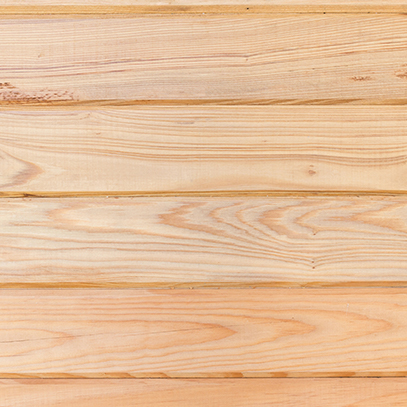
The color and material of wood molding directly affect the visual effect of a room. Light-colored wood molding can increase the brightness of a space, suitable for small, dimly lit rooms; while dark-colored wood molding gives a sense of stability and elegance, suitable for grand, mature space designs. In addition, the natural texture of wood can add a sense of layering and natural atmosphere to a room, making the space warmer and more interesting.
Among the wood structure products offered by Nantong Wellhouse Architectural Technology Co., Ltd., glulam and cross-laminated timber (CLT) are the main materials, offering a rich variety of wood textures and colors. These natural wood materials can effectively integrate wood molding with the overall room design, creating a unique natural wood atmosphere and enhancing the overall aesthetics of the room.
Details Determine Aesthetics
The exquisite design of wood molding not only enhances the overall effect of a room but also showcases the taste of the home in the details. Through clever matching and design, lines can imbue every detail of a room with charm, creating a perfect visual effect. Every detail of wood molding adds a touch of refinement and sophistication to an interior space.
Nantong Wellhouse Architectural Technology Co., Ltd., as a manufacturer of wood molding, is committed to incorporating environmental protection and green building concepts into its products. Through highly standardized production processes and a professional team, they ensure that every piece of wood molding possesses exquisite craftsmanship and an elegant appearance. Using these wood moldings, careful design and matching can create a natural, environmentally friendly, and comfortable living environment in every room.



 English
 한국어
한국어 Español