Can Tongue and Groove Wall Panels Be Produced in Curved or Irregular Shapes?
Introduction to Tongue and Groove Wall Panels
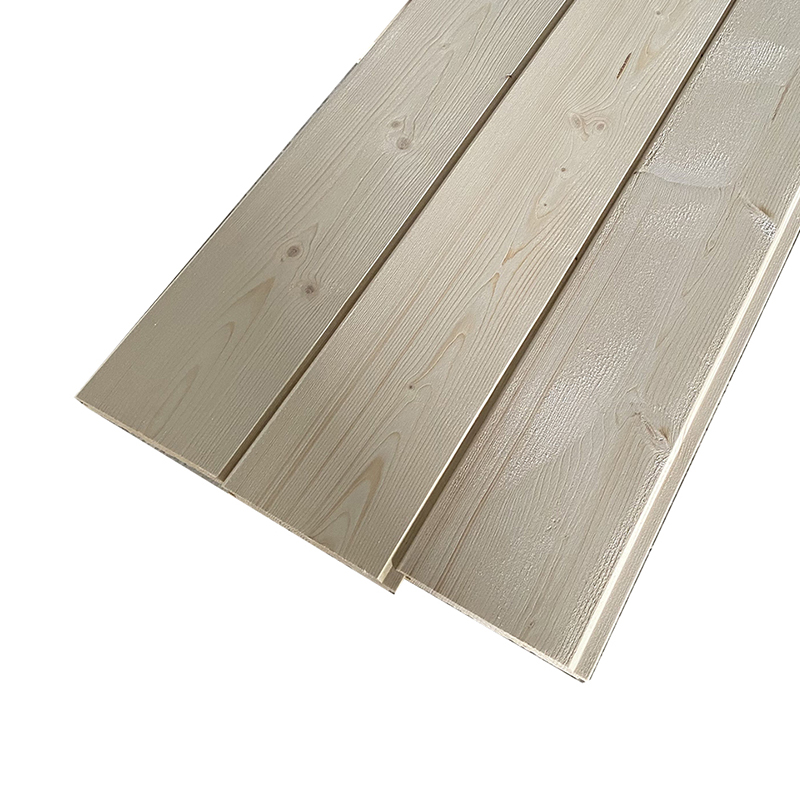
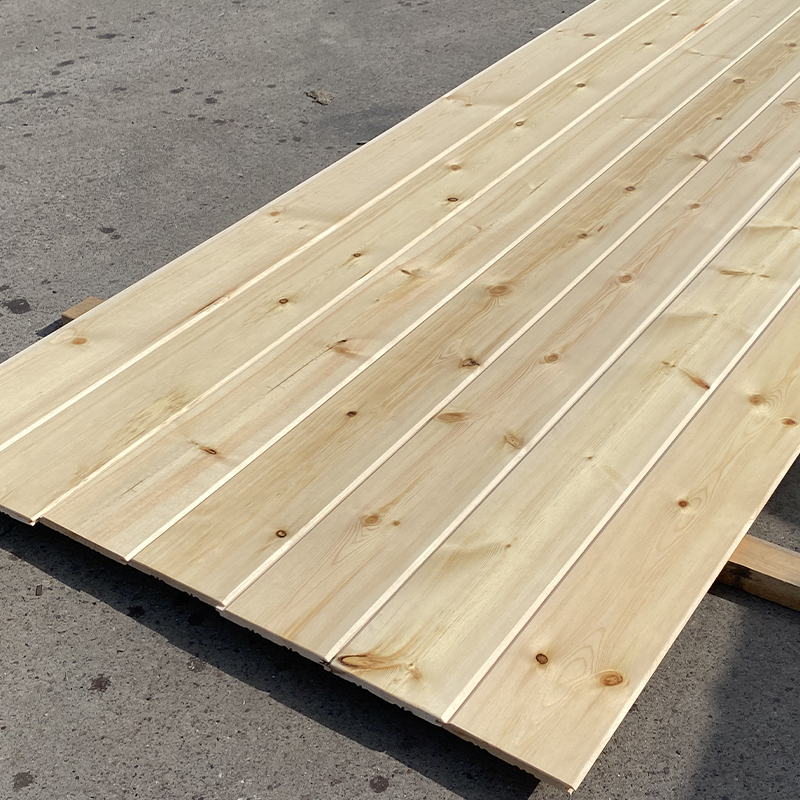
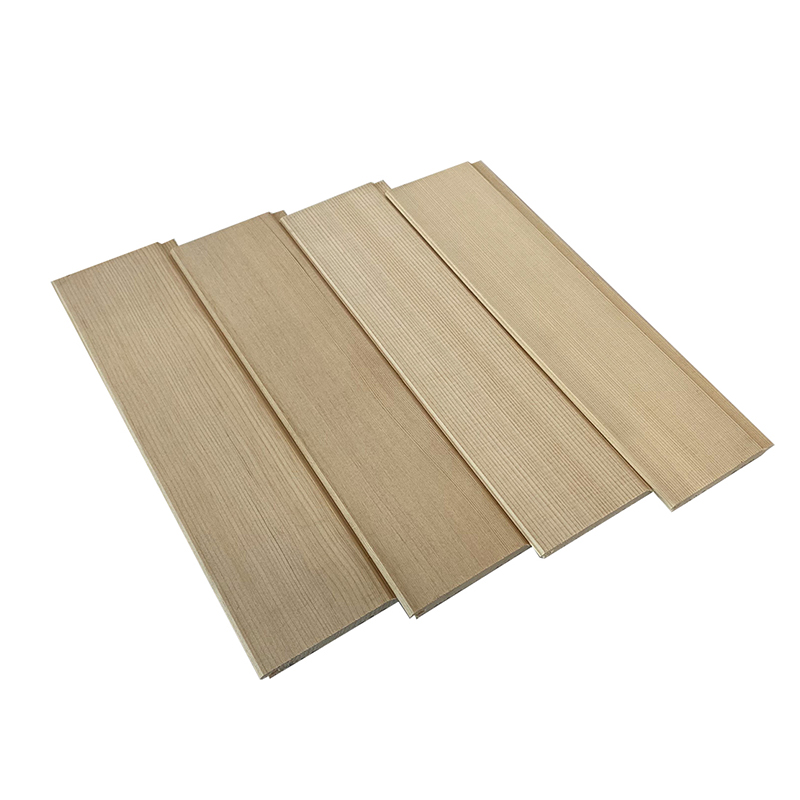
Tongue and groove wall panels are widely used in both residential and commercial buildings for their strength, versatility, and aesthetic appeal. These panels feature interlocking edges that fit together seamlessly, creating a secure and smooth surface. Typically, tongue and groove panels are produced in straight, uniform shapes, but advancements in manufacturing technology now allow for greater flexibility in design. One of the growing questions in the industry is whether these panels can be produced in curved or irregular shapes, which would expand their application in more creative and complex architectural designs.
Traditional Production of Tongue and Groove Panels
Traditionally, tongue and groove panels are made from wood or engineered wood products such as MDF or plywood. The production process involves cutting the edges of each panel to create a groove on one side and a protruding tongue on the opposite side. These panels are then aligned and locked together, providing a stable and secure structure. While standard panels are manufactured to fit straight, flat walls or ceilings, producing curved or irregular shapes presents more challenges in both the manufacturing process and material handling.
Technological Advancements in Panel Production
Recent technological advancements have made it possible to create curved or irregularly shaped tongue and groove panels. Modern manufacturing equipment, such as CNC (Computer Numerical Control) machines, allows for precise cutting and shaping of panels. These machines can follow complex design patterns, making it easier to produce curved shapes or custom designs that would have been difficult or impossible with traditional methods. This advancement in production has opened up new possibilities for using tongue and groove panels in projects requiring non-linear or organic shapes.
Curved Tongue and Groove Panels
Creating curved tongue and groove panels involves bending the material without compromising its structural integrity or aesthetic appeal. For wood-based panels, this process typically involves either laminating thin layers of wood together (laminated veneer lumber or LVL) or using a flexible plywood material. Once the material has been shaped into a curve, the edges can be milled to create the tongue and groove profiles. In some cases, steam bending techniques are used to make the wood more flexible, allowing it to be bent into the desired shape without cracking or breaking.
Irregular Shape Production
Irregular shapes, such as those found in unique architectural designs, require more specialized production processes. To achieve these, manufacturers may use techniques like custom cutting, molding, or shaping to ensure that each piece of the panel fits the specific angles and contours required by the design. This level of customization ensures that the final product matches the intricate details of the intended design while still maintaining the integrity and functionality of the tongue and groove connection. The ability to create irregular shapes also opens the door to more creative applications, such as curved feature walls, vaulted ceilings, and custom-built furniture pieces.
Material Considerations for Curved and Irregular Panels
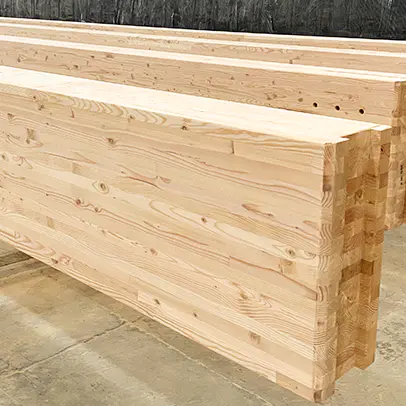
When producing curved or irregular tongue and groove panels, the choice of material becomes a critical factor. Wood-based panels, such as those made from glulam (glued laminated timber), can be shaped and curved more easily than solid wood, which may crack or warp when subjected to bending. Additionally, engineered wood products like MDF or plywood provide more flexibility and can be adapted to complex shapes more easily. For outdoor or high-moisture environments, moisture-resistant glulam or other specially treated materials should be used to ensure the longevity of the panels in curved or irregular applications. The material must also maintain its structural performance and aesthetic appeal when shaped in these ways.
Applications of Curved and Irregular Tongue and Groove Panels
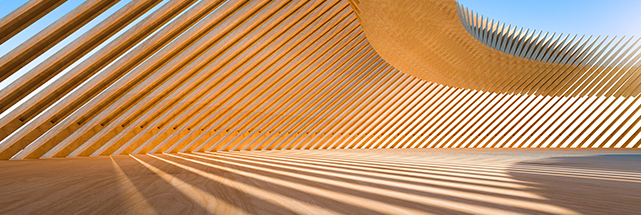
The ability to produce curved or irregular tongue and groove wall panels greatly expands the range of applications for these panels. In residential design, such panels can be used to create statement walls, vaulted ceilings, or custom cabinetry. In commercial buildings, curved panels are often seen in modern architectural projects such as curved conference rooms, feature walls in lobbies, and unique display units. The flexibility of these panels makes them suitable for both functional and decorative purposes, providing designers with a wider range of creative freedom.
Challenges in Manufacturing Curved and Irregular Panels
Despite the advancements in technology, producing curved and irregular tongue and groove panels still presents several challenges. One of the primary concerns is ensuring the quality and durability of the panels during and after the shaping process. The bending or cutting process can sometimes lead to issues such as warping, cracking, or material fatigue, especially if the wood is not treated properly before shaping. Additionally, achieving precision in the tongue and groove connection on curved or irregular panels can be more difficult, as the interlocking mechanism must still fit together securely even when the shape deviates from the standard straight form. Manufacturers must invest in advanced equipment and techniques to ensure that these panels meet the required standards for both aesthetics and functionality.
FAQ
Q: How do tongue and groove wall panels contribute to the insulation properties of a building?
A: Tongue and groove wall panels can enhance the insulation performance of a structure by creating tight interlocking joints between each panel. This design reduces gaps through which air can pass, minimizing heat loss in cold climates and limiting heat gain in warmer climates. When produced with moisture-resistant glulam or treated timber, panels also maintain their dimensional stability, preventing warping that could compromise insulation over time. Nantong Wellhouse Architectural Technology Co., Ltd. leverages high mechanization and standardized production to ensure consistent joint accuracy and reliable thermal performance.
Q: What factors affect the durability of tongue and groove wall panels in high-moisture environments?
A: Durability in high-moisture environments depends on the material selection, surface treatment, and panel design. Using moisture-resistant glulam, as produced by Nantong Wellhouse Architectural Technology Co., Ltd., helps resist water penetration and reduces the risk of swelling or delamination. Proper installation and finishing techniques, including sealing and maintaining the tongue and groove joints, are essential to prolong the lifespan of panels in bathrooms, kitchens, or other damp areas.
Q: Can tongue and groove wall panels support decorative finishes such as paint, stain, or veneer?
A: Yes, tongue and groove wall panels are compatible with various decorative finishes. The smooth surface of the panels allows for painting or staining, while engineered or laminated panels can also receive veneer or laminate overlays. Nantong Wellhouse Architectural Technology Co., Ltd. ensures consistent surface quality during production, which allows for uniform application of finishes and maintains aesthetic integrity across large installations.
Q: How does the interlocking mechanism of tongue and groove panels influence structural stability?
A: The tongue and groove interlocking design distributes loads evenly across the wall surface, reducing stress concentration and improving structural stability. Panels produced by Nantong Wellhouse Architectural Technology Co., Ltd. benefit from precise machining and standardized dimensions, ensuring tight connections that resist movement, vibration, and minor shifting. This contributes to the overall rigidity of the wall assembly and reduces maintenance needs over time.
Q: Are tongue and groove wall panels suitable for both interior and exterior applications?
A: Tongue and groove wall panels can be adapted for both interior and exterior use depending on the material treatment and finishing. For exterior applications, moisture-resistant or treated glulam panels are recommended to withstand weather conditions. Nantong Wellhouse Architectural Technology Co., Ltd. produces panels with controlled moisture content and high mechanization standards, enabling reliable performance in various environments while maintaining visual appeal.

 English
 한국어
한국어 Español