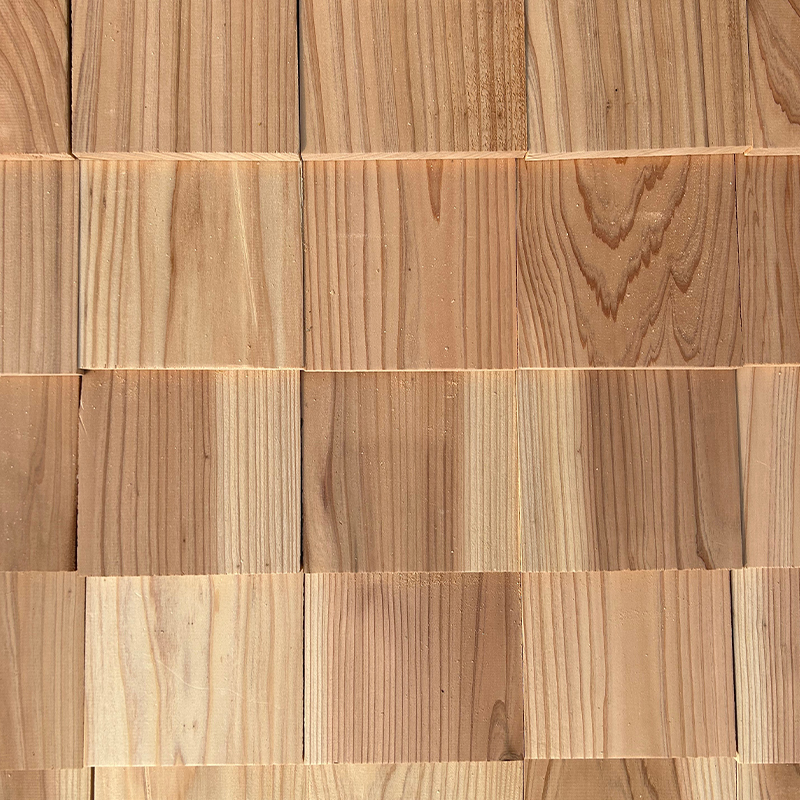
What is Timber Cladding?
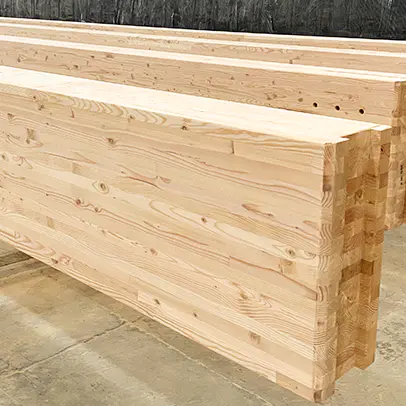
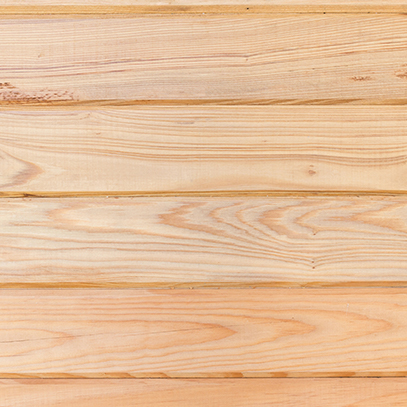
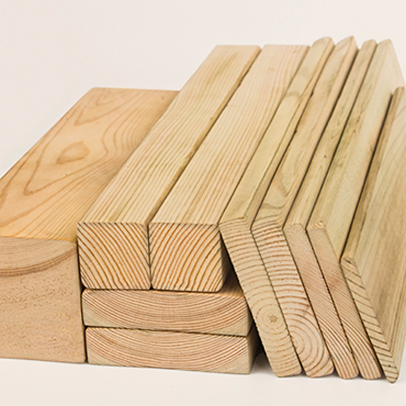
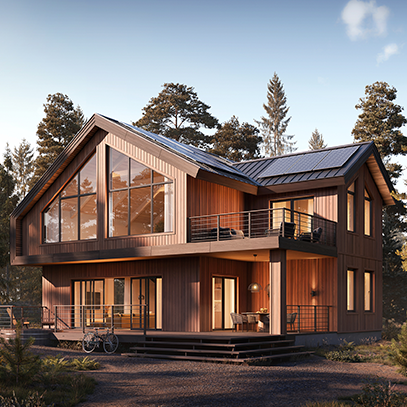
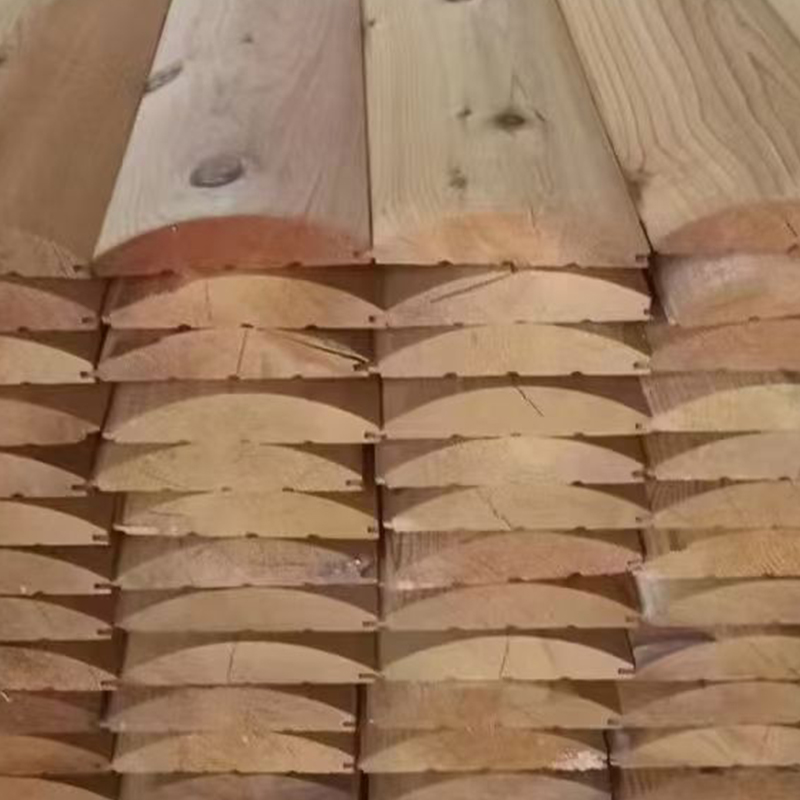
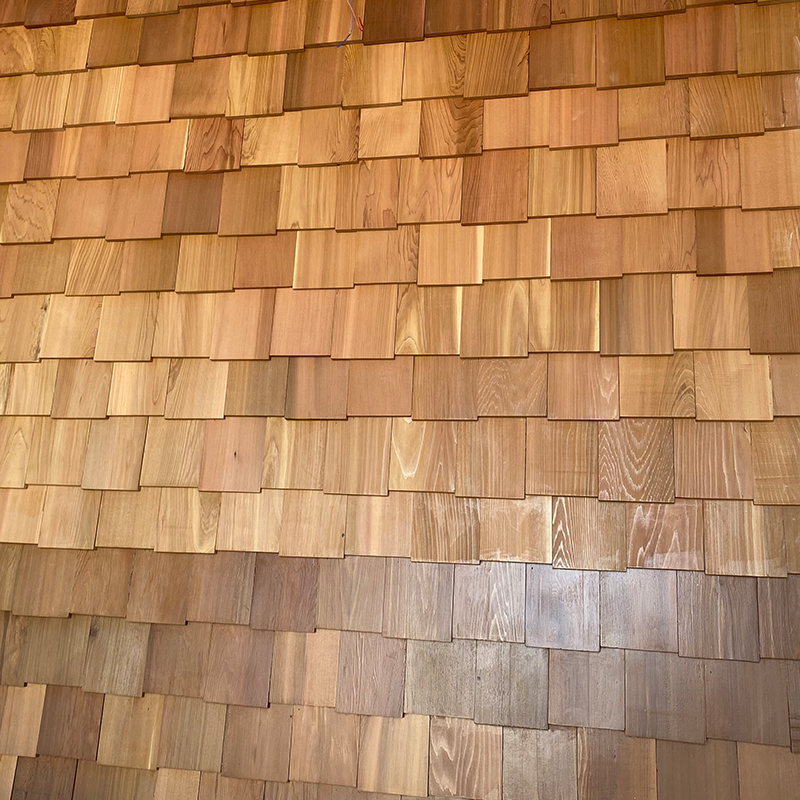
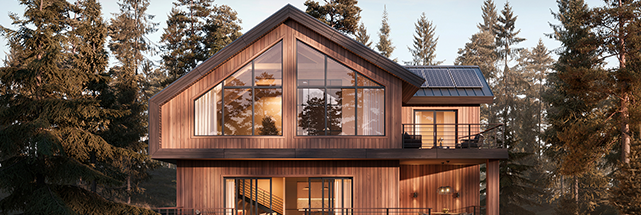
Timber cladding refers to the use of wooden panels to decorate and protect the exterior surfaces of buildings. With the growing trend toward more natural and sustainable architecture, timber cladding has become an increasingly popular choice for enhancing the aesthetic appeal of buildings. Not only does timber cladding improve the visual quality of a structure, but it also adds to the stability of the building, especially when used for exterior and interior walls. The unique texture and natural grains of wood bring warmth to any space, making timber cladding a popular material in modern architecture.
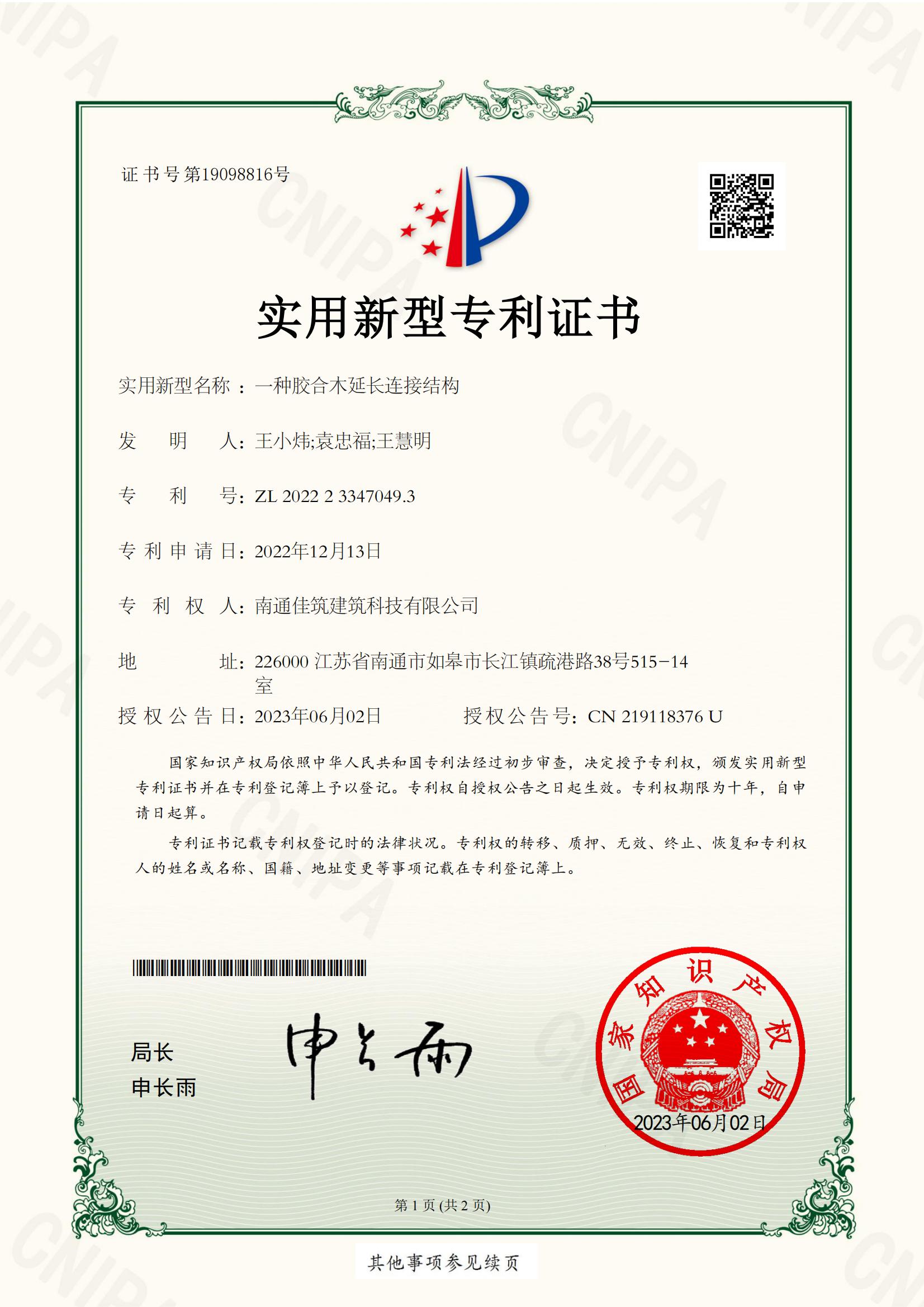
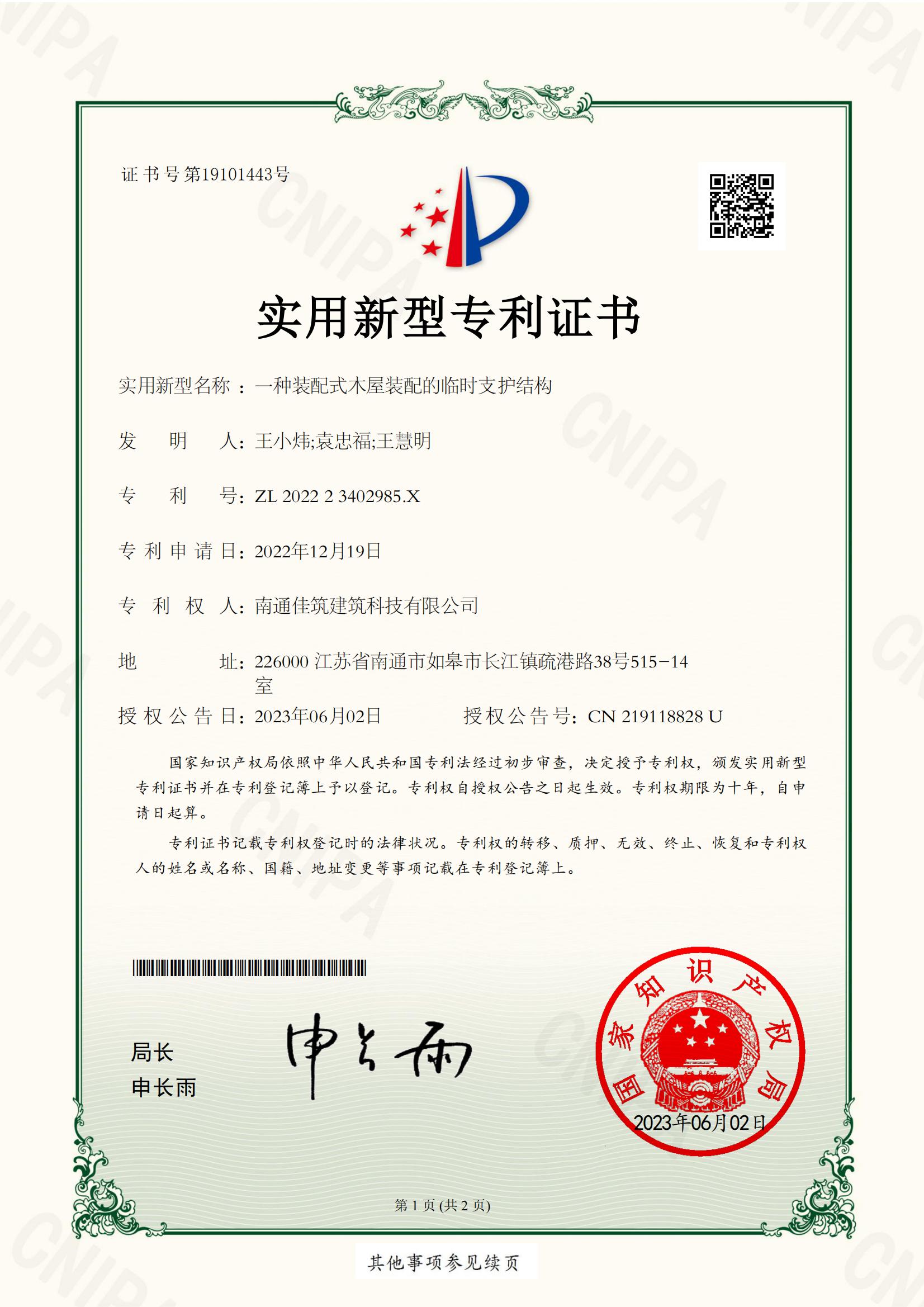
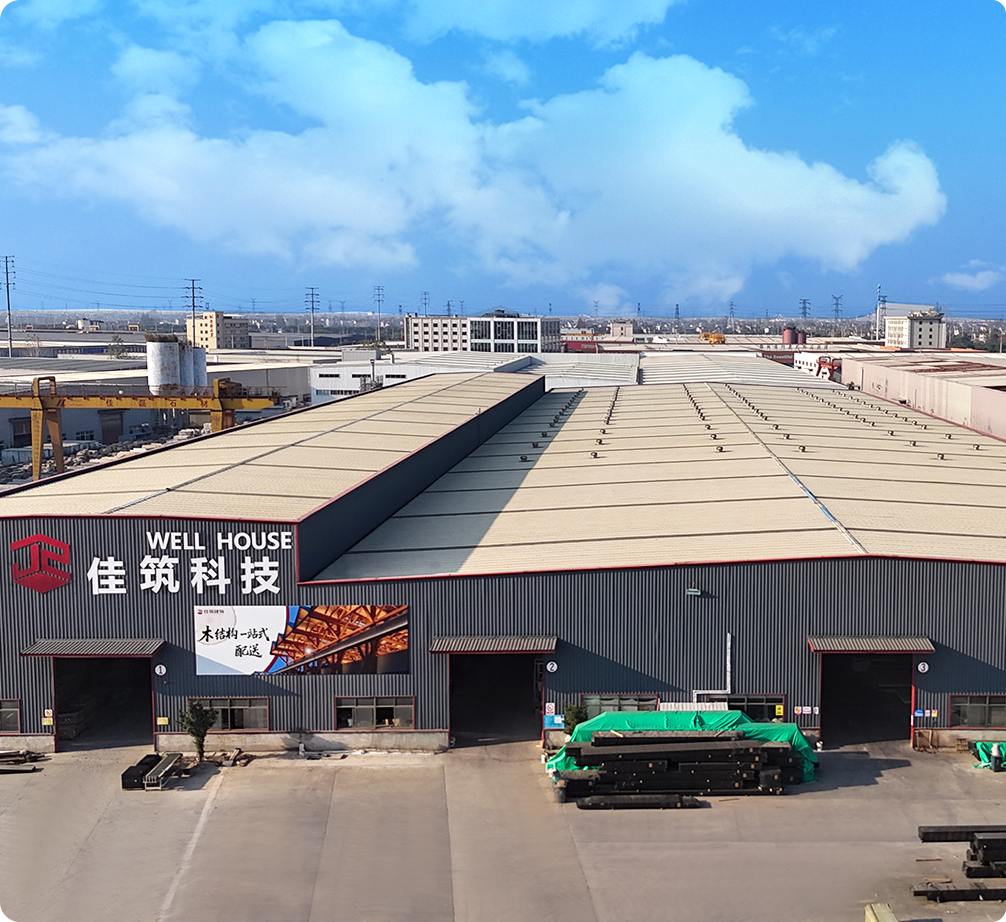
Nantong Wellhouse Architectural Technology Co., Ltd. is committed to providing high-quality timber cladding solutions for customers worldwide. Our company manufactures and supplies a range of timber cladding products, including exterior timber cladding, wood wall panels, and more. We aim to help clients achieve architectural designs that blend modern aesthetics, natural beauty, and superior functionality.
Timber cladding can be applied to various parts of a building, including exterior facades, interior walls, and even ceilings. Especially for exterior facades, timber cladding not only provides a visually rich texture but also helps to protect the building structure from harsh weather conditions. For interior spaces, wood wall panels bring a cozy and natural feel, which is becoming a popular trend in modern interior design.
| Application Area |
Type |
Main Features |
| Exterior Cladding |
Timber Cladding |
Moisture-resistant, durable, aesthetically pleasing |
| Interior Design |
Wood Wall Panels |
Warmth, acoustics, enhances spatial aesthetics |
| Commercial Buildings |
Timber Cladding |
Eco-friendly, modern, energy-efficient |
| Residential Design |
Wood Cladding |
Natural, comfortable, beautiful |
With proper design and material selection, timber cladding not only enhances the exterior and interior aesthetics of buildings but also provides significant functional benefits in terms of durability and environmental sustainability.
What Are the Benefits and Challenges of Timber Cladding?
The advantages of timber cladding are undeniable, as the natural textures and colors of wood make it an indispensable element in many modern architectural and interior design projects. As an eco-friendly material, timber has been widely adopted for both exterior and interior applications. Especially with the growing focus on sustainability, timber cladding, being a renewable resource, is favored by both designers and building owners.
Benefits of Timber Cladding
-
Natural Texture and Aesthetic Appeal
Wood, as a natural material, possesses unique grains and colors that make each piece of timber cladding distinct. Whether it is the deep hues of redwood or the lighter tones of cedar, timber cladding adds warmth and natural charm to any building, making it a perfect fit for modern, rustic, or industrial designs.
-
Durability and Moisture Resistance
Timber cladding is highly durable and moisture-resistant, especially when treated with special preservatives. For example, timber cladding made from pressure-treated wood can effectively prevent water infiltration, which extends the lifespan of the building’s exterior. Compared to drywall, wood performs better in resisting dents, scratches, and other physical damage.
-
Enhanced Building Efficiency
Timber cladding has excellent thermal insulation properties. The structure of the wood naturally blocks heat flow, which helps improve the energy efficiency of the building. This is particularly beneficial for both commercial and residential properties, as it reduces energy consumption for heating and cooling.
-
Ease of Installation and Maintenance
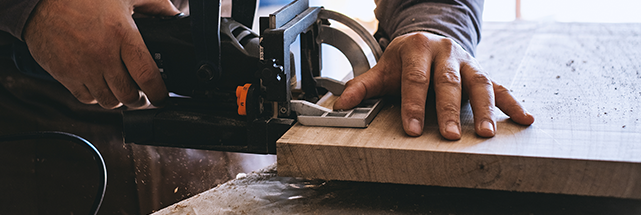
Many timber cladding panels (Wood Wall Panels) come pre-finished, making the installation process easier and faster. Even non-professional DIY enthusiasts can install these panels with minimal effort. Maintenance is also relatively simple; periodic cleaning and re-coating can maintain the aesthetic and functional properties of the cladding.
Challenges of Timber Cladding
While timber cladding has many advantages, it also presents certain challenges:
-
Exposure to Weather and Environmental Conditions
Being a natural material, wood is prone to aging, discoloration, and warping when exposed to sunlight, rain, and moisture. To overcome this, timber cladding requires UV protection and regular maintenance to preserve its integrity and appearance.
-
Higher Initial Cost
High-quality timber materials and the complex installation process may result in a higher initial investment. For projects with a limited budget, compromises in material selection or installation methods might be necessary.
-
Ongoing Maintenance Requirements
Timber cladding requires regular upkeep, such as cleaning, re-painting, and treating the wood to prevent damage from moisture, pests, or decay. Especially for outdoor applications, the timber needs to be periodically treated to extend its lifespan.
| Challenge |
Solution |
| Wood aging and discoloration |
Use UV-resistant coatings, regular maintenance |
| Moisture exposure |
Choose treated wood, install protective layers |
| High cost |
Select cost-effective wood, plan budget efficiently |
Despite these challenges, with advancements in timber treatment and wood processing techniques, timber cladding has become a more reliable and long-lasting option for building facades and interiors.
How to Choose the Right Timber for Cladding Design?
When selecting timber cladding, choosing the right type of wood is essential. Different types of wood vary in terms of visual appeal, durability, moisture resistance, and color. The choice of timber should be based on several factors, including the design requirements of the project, the building’s location, and the budget.
Common Timber Types for Cladding
-
Cedar
Cedar wood is widely used for both exterior cladding and interior design due to its natural resistance to moisture and decay. The wood has a beautiful reddish or golden hue, making it perfect for coastal or humid environments. Cedar also offers excellent insect and mildew resistance, making it a great choice for timber cladding.
-
Redwood
Redwood is known for its deep red color and exceptional durability. The fine grain and rich color of redwood enhance the aesthetic appeal of any building. Despite its higher price point, its long-term performance and aesthetic value make it an excellent choice for timber cladding.
-
Oak
Oak is a hardwood with excellent strength and durability, making it suitable for both exterior and interior use. The wood’s natural golden hue and warm texture make it a popular choice for wood wall panels (Wood Wall Panels) in modern and traditional designs.
-
Douglas Fir
Douglas Fir is a lightweight timber with excellent compressive strength and stability, making it ideal for timber cladding. Its color ranges from light yellow to reddish brown, making it a great option for contemporary architectural designs.
How to Select Timber for Your Project?
Nantong Wellhouse Architectural Technology Co., Ltd. has extensive experience and technical expertise in providing customized timber cladding solutions for clients. Whether you are selecting exterior timber cladding (Timber Cladding) or wood wall panels (Wood Wall Panels) for your interior, we offer professional guidance to help you choose the best timber based on your building’s functional needs, aesthetic preferences, and budget.
| Timber Type |
Suitable Applications |
Advantages |
| Cedar |
Exterior and interior walls |
Naturally resistant to moisture, suitable for humid environments |
| Redwood |
Exterior and interior walls |
Durable, rich color, high aesthetic value |
| Oak |
Interior walls |
Resistant to wear, warm color |
| Douglas Fir |
Exterior and interior walls |
Strong stability, ideal for modern designs |
Choosing the right type of timber is crucial for both the aesthetic and functional success of the project. With Nantong Wellhouse Architectural Technology Co., Ltd.'s customized services, you can receive the best timber cladding solutions tailored to your specific needs.

 English
 한국어
한국어 Español