The Exterior Wood Wall Cladding of Application in Commercial and Residential Architecture
In both commercial and residential contexts,
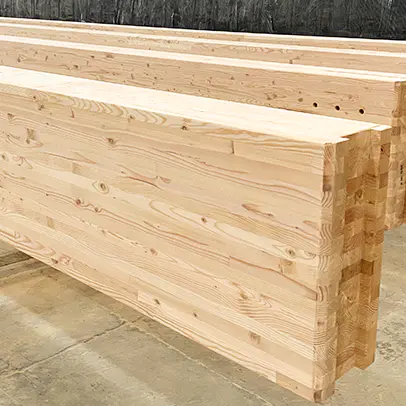
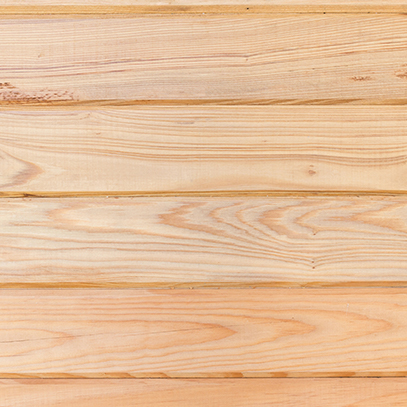
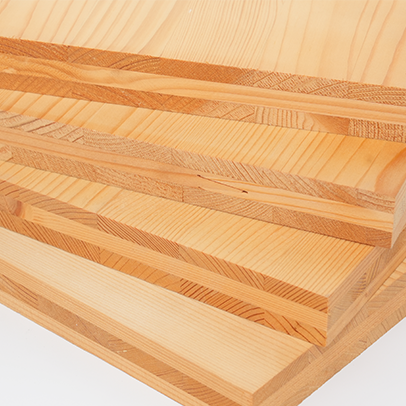
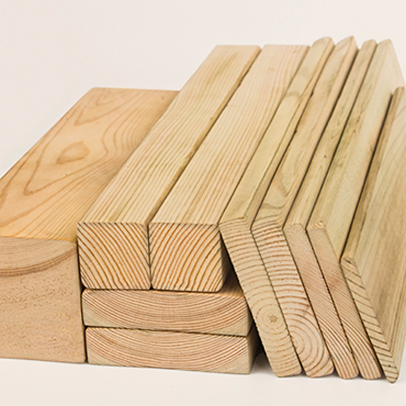
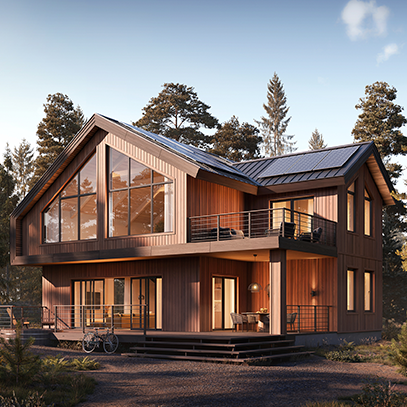
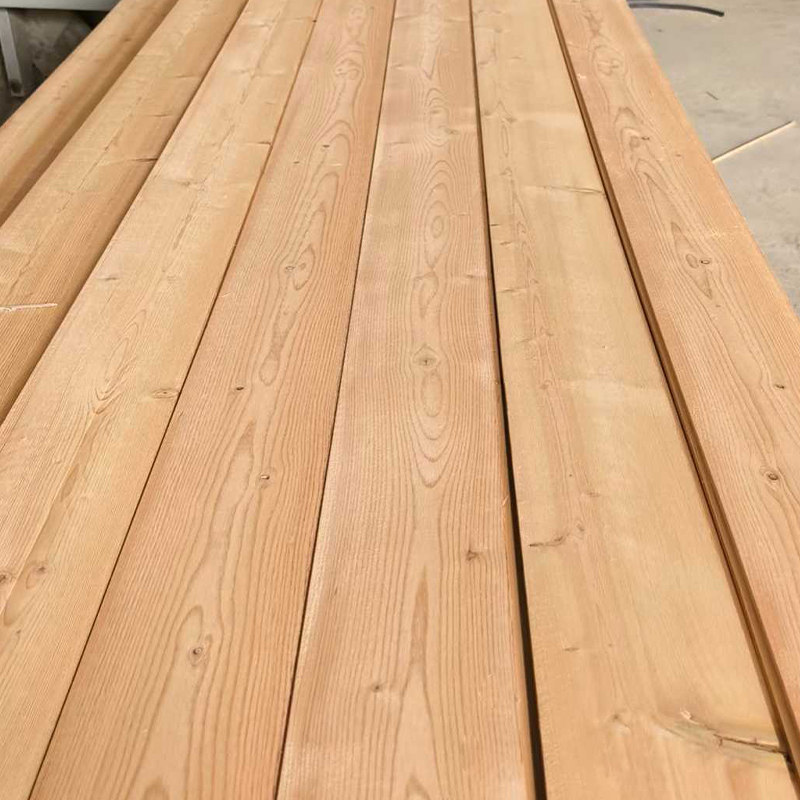
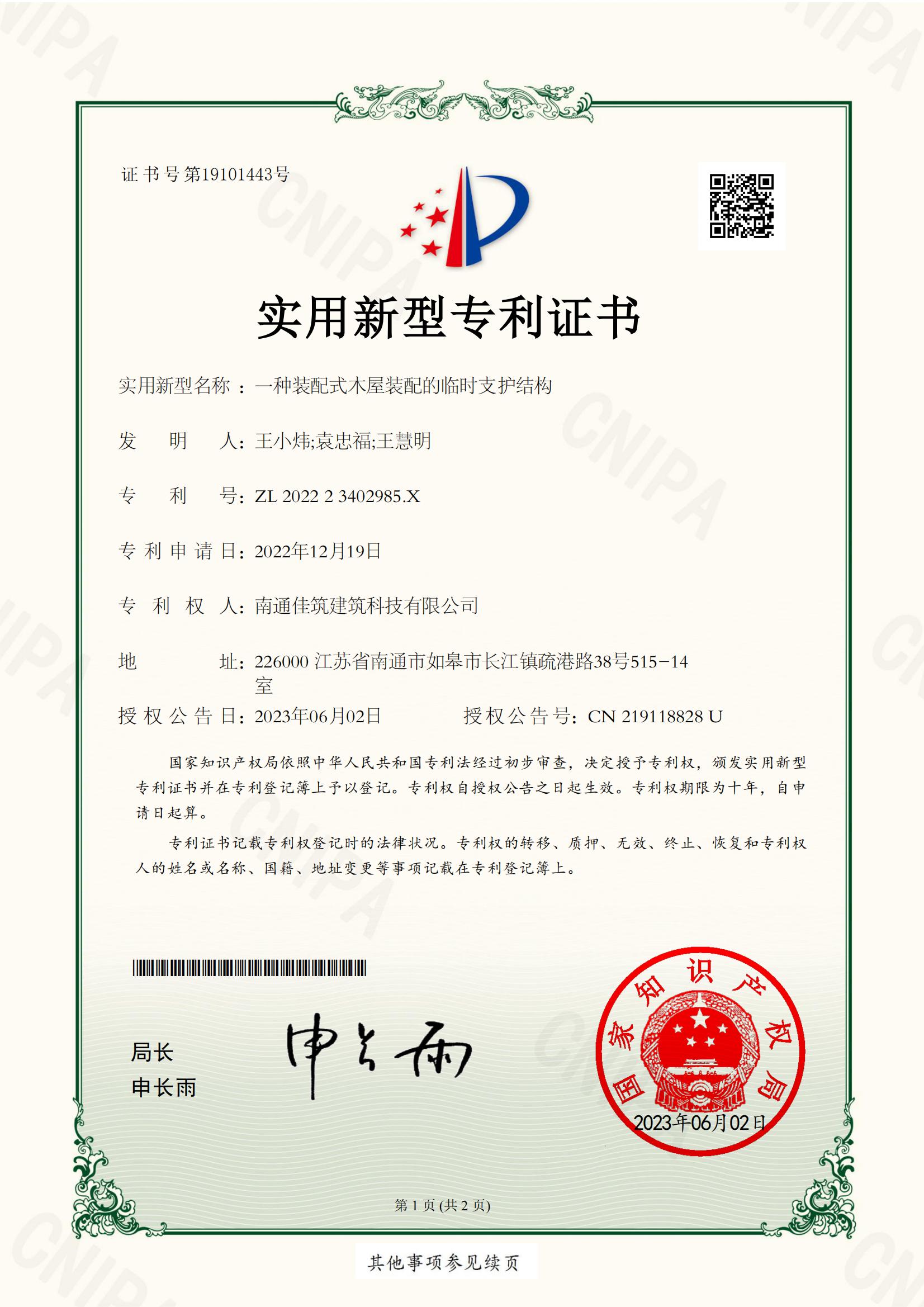
exterior wood wall cladding functions as a defining architectural element. It mediates between structure and environment, shaping how buildings interact visually, thermally, acoustically, and environmentally with their surroundings. Architects increasingly specify wood façades not only for aesthetics but also for performance. Natural texture, warmth, and material authenticity allow buildings to communicate comfort, sustainability, and cultural identity. In commercial architecture, where brand expression and public perception are paramount, exterior wood wall cladding offers an opportunity to project corporate values such as environmental responsibility, innovation, and human-centered design. Retail spaces, office campuses, educational institutions, hotels, and cultural facilities frequently adopt timber façades to create welcoming, biophilic environments that foster well-being and user engagement. In residential architecture, wood cladding contributes to domestic warmth, neighborhood character, and a sense of craftsmanship. Whether applied to single-family homes, multi-family developments, or high-density housing, wood façades provide visual continuity while allowing architectural diversity through variations in profile, color, orientation, and detailing. Nantong Wellhouse Architectural Technology Co., Ltd., as China Exterior Wood Wall Cladding Suppliers and Exterior Wood Wall Cladding Manufacturers, supports this architectural role by delivering engineered timber components that integrate seamlessly into façade systems. Our specialization in glulam, solid wood wall panels, and CLT enables façade assemblies to serve not only as exterior finishes but also as semi-structural or fully structural envelope elements in timber buildings.
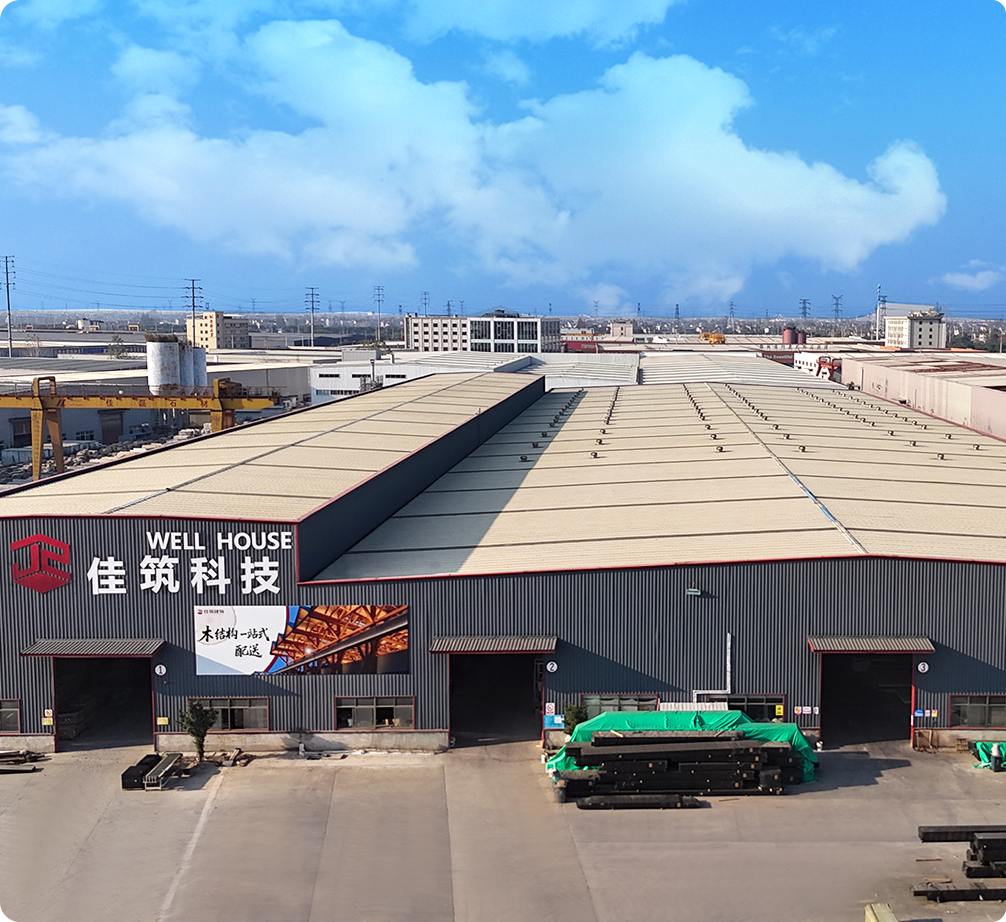
Commercial buildings demand exterior wall systems that meet stringent performance requirements: structural stability, fire resistance, weather protection, acoustic control, and energy efficiency. Exterior wood wall cladding, when engineered and manufactured to professional standards, fulfills these requirements while offering additional architectural benefits. In office buildings, wood cladding contributes to envelope performance by acting as a protective rainscreen layer. Properly ventilated façade systems manage moisture, prevent condensation, and improve thermal insulation. The integration of wood panels with high-performance membranes and insulation layers enhances airtightness and reduces thermal bridging. These features directly support energy-efficiency standards and building certification systems. Retail and hospitality environments benefit from wood façades through improved acoustic comfort and brand identity. Wood surfaces absorb and diffuse sound, reducing external noise intrusion in urban contexts. At the same time, natural materials reinforce brand narratives of sustainability, craftsmanship, and quality. Institutional buildings such as schools, libraries, and healthcare facilities increasingly adopt exterior wood wall cladding to promote well-being and environmental consciousness. Studies consistently associate natural materials with reduced stress, improved cognitive performance, and enhanced occupant satisfaction. By selecting engineered timber façade systems, architects can create environments that are both technically robust and psychologically supportive. Nantong Wellhouse Architectural Technology Co., Ltd. supports these commercial applications through its advanced manufacturing capacity and research-driven product development. Our factory is characterized by a high degree of mechanization and standardization, creating an efficient and intelligent production environment. Relying on a mature production system and professional team, our monthly output of up to 2,000 cubic meters ensures stable supply for large-scale commercial projects. Our core products—glulam, solid wood wall panels, and CLT—enable the construction of façade systems that meet structural, environmental, and design objectives simultaneously.
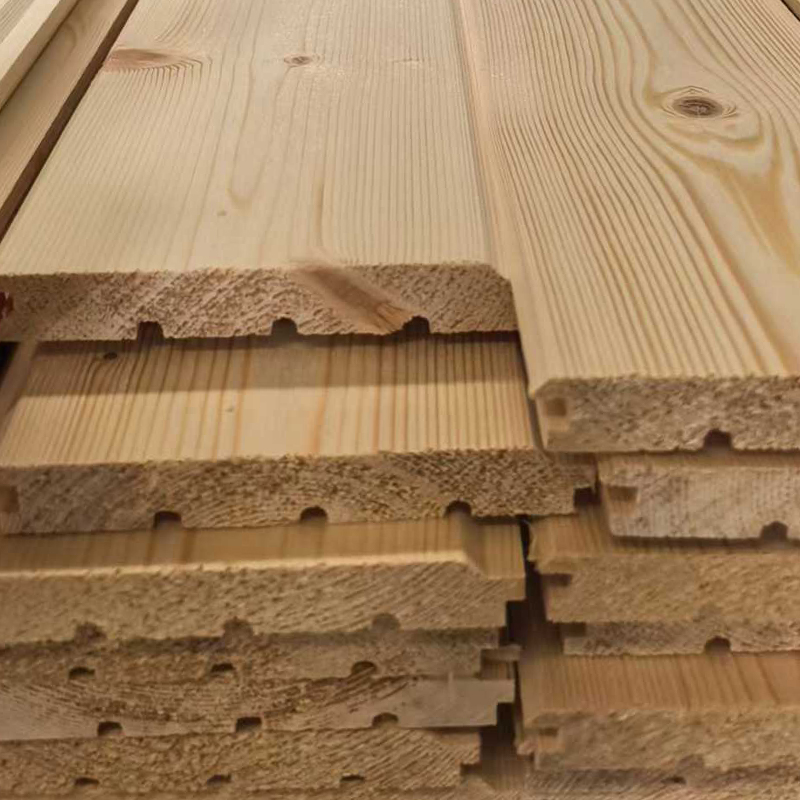
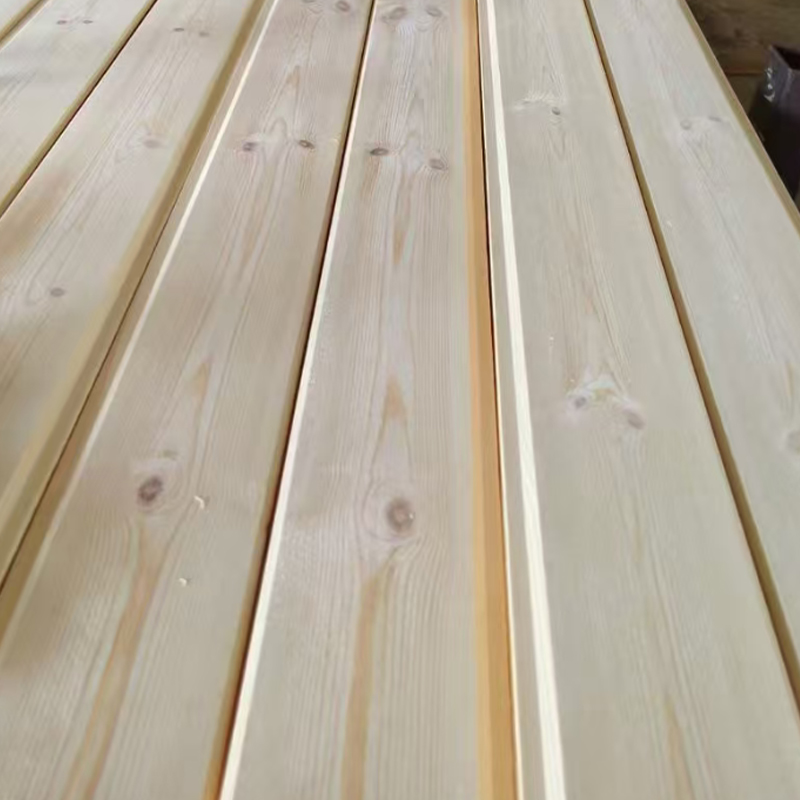
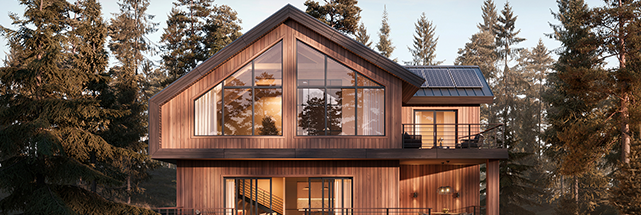
In residential architecture, exterior wood wall cladding plays a crucial role in shaping comfort, energy performance, and architectural identity. Residential envelopes must balance aesthetics with durability, maintenance efficiency, and thermal performance. Wood cladding achieves this balance by providing a breathable yet protective outer layer that works in harmony with insulation, vapor control, and structural systems. For single-family homes, wood façades allow homeowners to express individuality while maintaining environmental responsibility. Horizontal or vertical profiles, shiplap patterns, board-and-batten arrangements, and modular panel systems provide a wide design vocabulary. Natural aging and surface treatment options further allow façades to evolve over time, contributing to the character of the dwelling. In multi-family housing and residential complexes, exterior wood wall cladding offers scalability and modularity. Engineered timber panels can be prefabricated for rapid installation, reducing construction time and on-site labor. This efficiency supports cost control while maintaining high design standards. In dense urban developments, wood façades soften building massing and enhance neighborhood integration. Energy performance is a defining concern in residential construction. Wood cladding systems, when combined with continuous insulation and airtight membranes, significantly reduce heat loss and improve indoor comfort. Timber’s natural thermal properties contribute to stable interior temperatures, reducing dependence on mechanical heating and cooling systems. Nantong Wellhouse Architectural Technology Co., Ltd. provides engineered timber products that address these residential requirements. As China Exterior Wood Wall Cladding Suppliers and Exterior Wood Wall Cladding Manufacturers, the company’s glulam, solid wood wall panels, and CLT products are widely used in timber structure construction. Through standardized production and intelligent manufacturing processes, our products deliver dimensional stability, structural integrity, and surface quality suitable for long-term residential applications.
One of the most significant advancements in contemporary architecture is the integration of exterior wood wall cladding with timber structural systems. Rather than functioning solely as decorative layers, modern wood façades often form part of load-bearing assemblies or contribute to lateral stability and envelope rigidity. In timber-frame buildings, cladding panels may be attached to primary structural elements, forming composite wall systems that combine structure, insulation, and finish in a single assembly. CLT and glulam components can act as both structural walls and façade surfaces, reducing material redundancy and construction complexity. This integrated approach offers clear benefits in both commercial and residential contexts. Structural efficiency reduces material consumption, supports sustainability goals, and simplifies detailing. Factory prefabrication of large timber panels enables precise tolerances, faster installation, and improved quality control. Nantong Wellhouse Architectural Technology Co., Ltd. specializes in the research, development, and production of glued laminated timber and timber structure products. Our factory’s high degree of mechanization and standardization creates an efficient and intelligent production environment capable of manufacturing structural-grade components for integrated façade systems. With a monthly production capacity of up to 2,000 cubic meters, our glulam, solid wood wall panels, and CLT products support both architectural expression and structural performance in timber construction.
Exterior wood wall cladding offers exceptional design flexibility, enabling architects to tailor façade systems to diverse functional and aesthetic requirements. Profiles, surface textures, joint patterns, and installation orientations can be customized to achieve distinct visual identities. In commercial architecture, customization allows buildings to reflect corporate branding and urban context. Façade modulation, color treatments, and geometric patterning create recognizable architectural signatures. Wood can be combined with glass, metal, and concrete to achieve hybrid façade compositions that balance warmth with modernity. In residential architecture, customization supports neighborhood integration and personal expression. Façade treatments can reference local building traditions while incorporating contemporary detailing. Through variations in panel size, orientation, and surface finish, each building can maintain individuality without sacrificing coherence. Nantong Wellhouse Architectural Technology Co., Ltd. enables this level of customization through its mature production system and professional technical team. As China Exterior Wood Wall Cladding Suppliers and Exterior Wood Wall Cladding Manufacturers, our capacity to produce glulam, solid wood wall panels, and CLT in standardized yet adaptable formats allows architects to implement both bespoke designs and modular systems. Our intelligent manufacturing environment ensures consistent quality while accommodating project-specific requirements.

 English
 한국어
한국어 Español