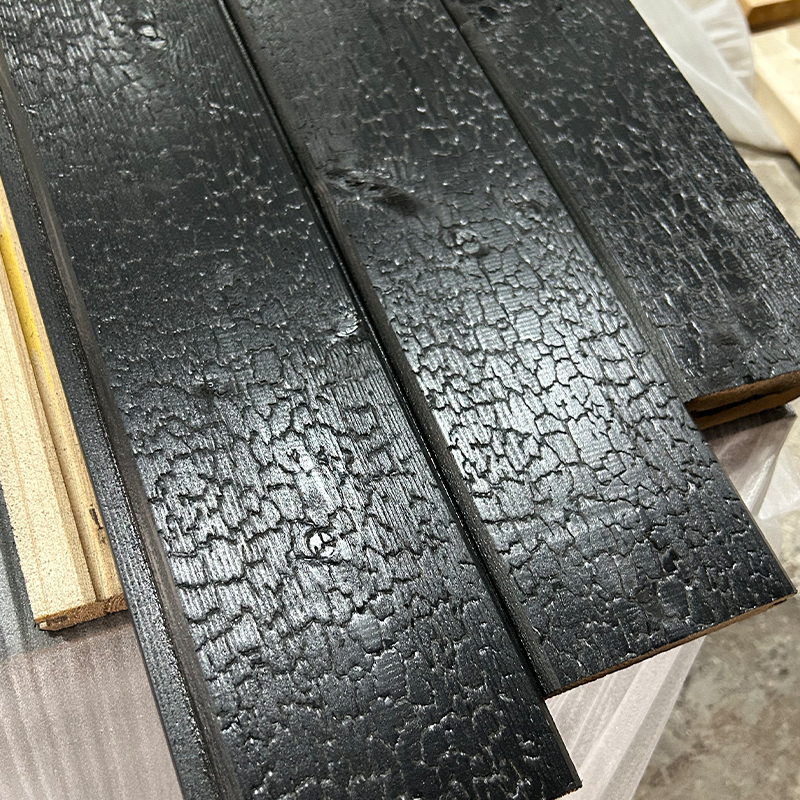
What are the recommended installation methods for decorative wall panels?
Understanding the Basics of Decorative Wall Panel Installation
Decorative wall panels, whether made of wood, metal, or other materials, offer an aesthetically pleasing way to enhance the interior of a building. The installation method for these panels is crucial to ensure durability, stability, and overall performance. For those choosing glulam or timber-based panels, such as the products manufactured by Nantong Wellhouse Architectural Technology Co., Ltd., the installation method can vary based on material type, panel size, and intended design. Proper installation helps prevent issues such as warping, poor alignment, and premature wear over time.
Preparing the Surface for Panel Installation
Before installing any decorative wall panels, the surface on which they will be mounted should be properly prepared. This includes cleaning the wall to remove dust, debris, or any old paint or wallpaper. For glulam-based panels, the wall surface should be dry, smooth, and free from any irregularities that could interfere with panel adhesion. If the surface is uneven, it may need to be leveled or smoothed out to ensure the panels fit correctly. For wooden panels like those produced by Nantong Wellhouse Architectural Technology Co., Ltd., it is essential to ensure the wall is moisture-free to prevent the panels from warping after installation.
Choosing the Right Adhesive or Fasteners
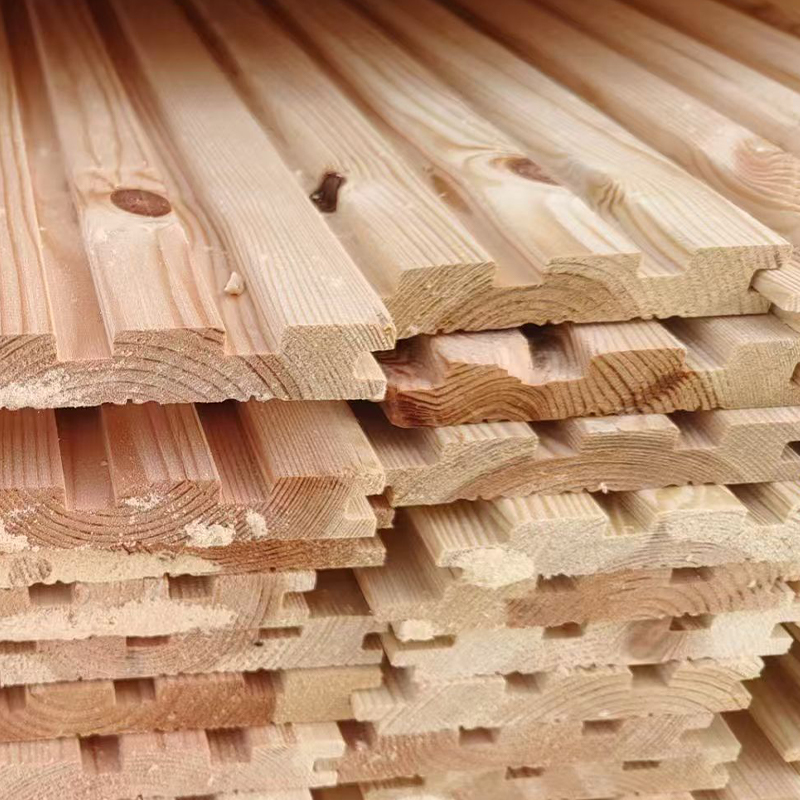
The choice of adhesive or fasteners plays a significant role in the long-term success of the installation. For decorative panels made of timber or glulam, an appropriate wood adhesive should be used to ensure a secure bond. In the case of larger or heavier panels, mechanical fasteners such as screws or nails may be required in addition to adhesive. For panels with tongue-and-groove joints, securing the panels by interlocking them properly can reduce the reliance on additional fasteners. The adhesive should be moisture-resistant to match the durability of the glulam material, ensuring that the panels maintain their stability in various environmental conditions.
Installation Techniques for Vertical or Horizontal Panel Placement
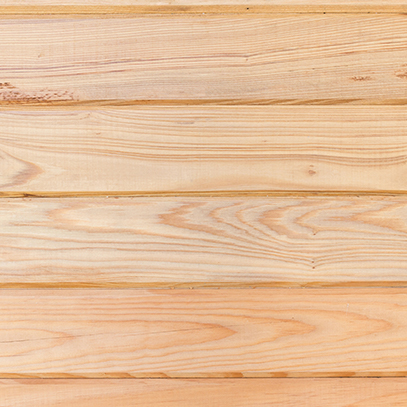
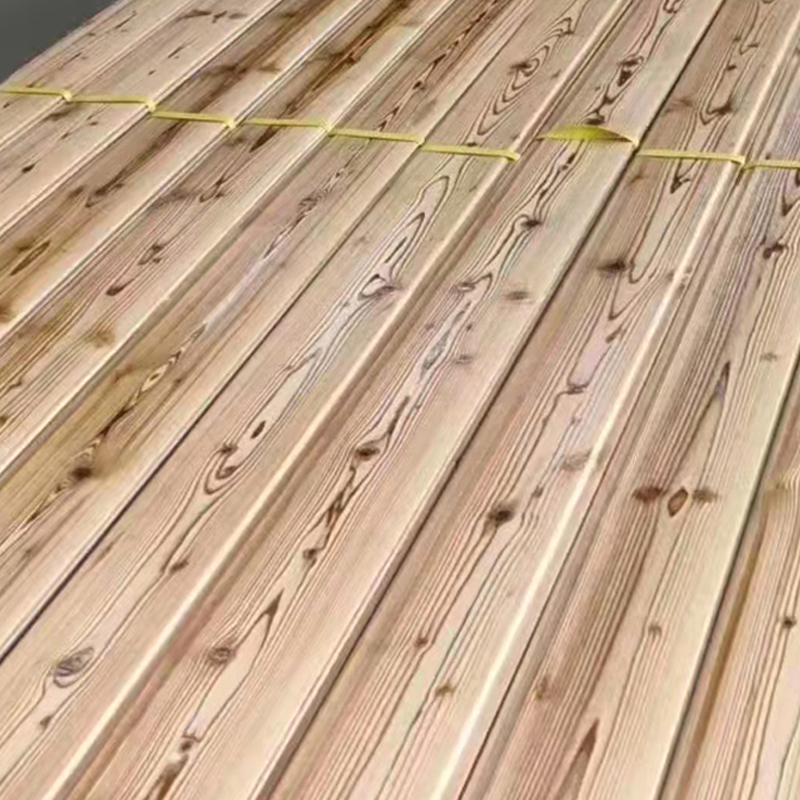
Depending on the aesthetic and functional goals, decorative wall panels can be installed either vertically or horizontally. The choice between the two often depends on the desired visual impact. For example, horizontal installation may create a sense of spaciousness in a room, while vertical installation can give a room a sense of height. In either case, panels must be aligned precisely during installation. Using a level and measuring tools ensures each panel is correctly positioned to avoid gaps or misalignment. As Nantong Wellhouse Architectural Technology Co., Ltd. emphasizes, precision in manufacturing and installation results in cleaner, smoother finishes that enhance the appearance and performance of the panels.
Handling Glulam Panels and Other Timber-Based Materials
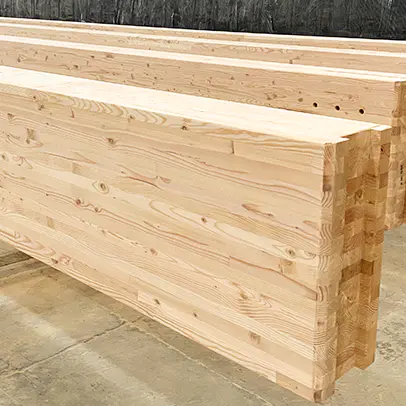
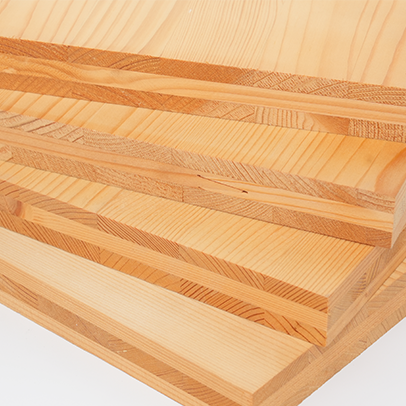
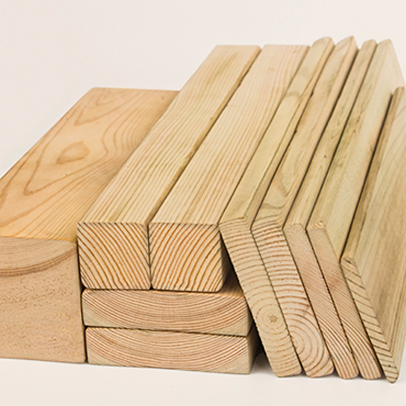
When installing glulam-based decorative panels, it is important to handle the materials with care to avoid damage. Glulam panels are often manufactured in a factory with a high degree of mechanization, ensuring uniform quality. However, during installation, they must be kept dry and protected from excessive moisture. Any contact with water during installation should be minimized. Panels should also be securely fixed to the wall, ensuring the joints fit tightly. For larger panels, consider adding extra fasteners or support at key intervals to enhance the structural integrity.
Ensuring Proper Expansion Gaps
Wood-based panels, including glulam panels, are subject to slight dimensional changes due to changes in temperature and humidity. As a result, it is important to leave small expansion gaps between the edges of the panels and the wall or adjoining panels. These gaps allow the material to expand and contract naturally without causing warping or buckling. The recommended gap size varies depending on the type of wood or material but generally ranges from 1/8” to 1/4”. For glulam and other moisture-resistant timber products, these expansion gaps are crucial to maintaining the material’s longevity and ensuring the decorative wall panels remain stable over time.
Securing the Panels Properly with Finishing Techniques
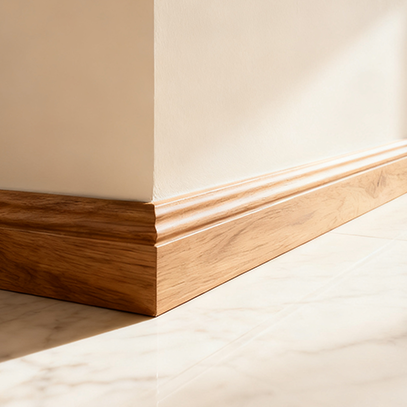
After the panels are installed, the edges should be finished carefully to ensure a clean, seamless look. This could involve applying caulking or trim around the edges to seal any gaps and give the panels a polished finish. Glulam panels manufactured by Nantong Wellhouse Architectural Technology Co., Ltd. are designed to maintain their dimensional stability, but applying a protective finish such as a clear sealant can enhance their durability and make them easier to clean. The finish should be applied in accordance with the manufacturer’s instructions to ensure long-lasting protection against moisture, dust, and wear.
Maintenance and Inspection After Installation
Once the decorative panels are installed, regular inspection and maintenance are recommended to ensure their continued performance. For glulam panels, periodic cleaning and checking for signs of moisture damage or wear will help maintain their appearance and functionality. Wooden panels, in particular, may require occasional re-coating or treatment to preserve their aesthetic appeal and prevent issues related to environmental factors. In areas with high humidity or frequent temperature changes, more frequent maintenance may be required to prevent the panels from deteriorating.
FAQ
Q: How do decorative wall panels improve the overall aesthetics of a space?
A: Decorative wall panels, such as those made from glulam and other timber products, can significantly enhance the aesthetic appeal of a space. They provide a natural, warm, and sophisticated look to both residential and commercial interiors. By adding texture, color, and pattern, these panels can create focal points, divide spaces, and introduce a stylish element into any room. The smooth finish and refined appearance of glulam-based panels contribute to a modern and welcoming environment, aligning with sustainable and green building practices.
Q: Can decorative wall panels made from glulam be used in both interior and exterior applications?
A: Yes, decorative wall panels made from glulam can be used in both interior and exterior applications, depending on the treatment and finish applied. For exterior use, additional weatherproof coatings and treatments may be required to ensure the panels resist moisture and UV degradation. For example, Nantong Wellhouse Architectural Technology Co., Ltd. specializes in moisture-resistant glulam products, which are designed to perform well in both indoor and outdoor settings, provided they are properly maintained and finished.
Q: What are the advantages of using glulam decorative wall panels over other materials?
A: Glulam decorative wall panels offer several benefits over other materials, such as natural wood, metal, or synthetic panels. These include superior strength-to-weight ratio, enhanced durability, and environmental sustainability. Glulam panels are also resistant to warping, cracking, and shrinking, making them a reliable choice for both aesthetic and structural purposes. As a company specializing in the production of high-quality glulam beams, Nantong Wellhouse Architectural Technology Co., Ltd. ensures that their panels meet rigorous standards, providing both long-lasting beauty and functionality.
Q: How does the choice of finish affect the performance of glulam decorative wall panels?
A: The finish applied to glulam decorative wall panels plays a crucial role in their durability and maintenance. A high-quality finish can protect the wood from moisture, dirt, and wear, while also enhancing the natural color and texture of the glulam. For exterior applications, the finish is essential in preventing UV degradation and weather damage. For interior use, finishes such as varnishes, stains, or clear coatings can bring out the richness of the timber and provide a long-lasting protective layer, ensuring the panels maintain their beauty for years. Nantong Wellhouse Architectural Technology Co., Ltd. offers glulam products with suitable finishes for different environments, ensuring optimal performance and aesthetics.
Q: Are decorative wall panels made of glulam more environmentally friendly than other options?
A: Yes, decorative wall panels made of glulam are more environmentally friendly compared to many other materials. Glulam is made from renewable wood sources and is produced using a sustainable manufacturing process, which aligns with the principles of green building and sustainable development. Glulam panels also have the added advantage of being recyclable at the end of their life cycle, making them an eco-conscious choice. By choosing glulam, such as the products offered by Nantong Wellhouse Architectural Technology Co., Ltd., builders and designers can contribute to a more sustainable and energy-efficient built environment.
Q: How do glulam decorative wall panels perform in terms of sound insulation?
A: Glulam decorative wall panels can provide a degree of sound insulation, depending on their thickness and design. The natural composition of glulam allows it to absorb sound to some extent, reducing the transmission of noise between rooms or from external sources. For applications where enhanced soundproofing is required, additional materials, such as soundproof membranes or insulation, can be added behind the panels to improve performance. Nantong Wellhouse Architectural Technology Co., Ltd. produces high-quality glulam products, which can contribute to a more acoustically comfortable environment when properly installed and maintained.

 English
 한국어
한국어 Español