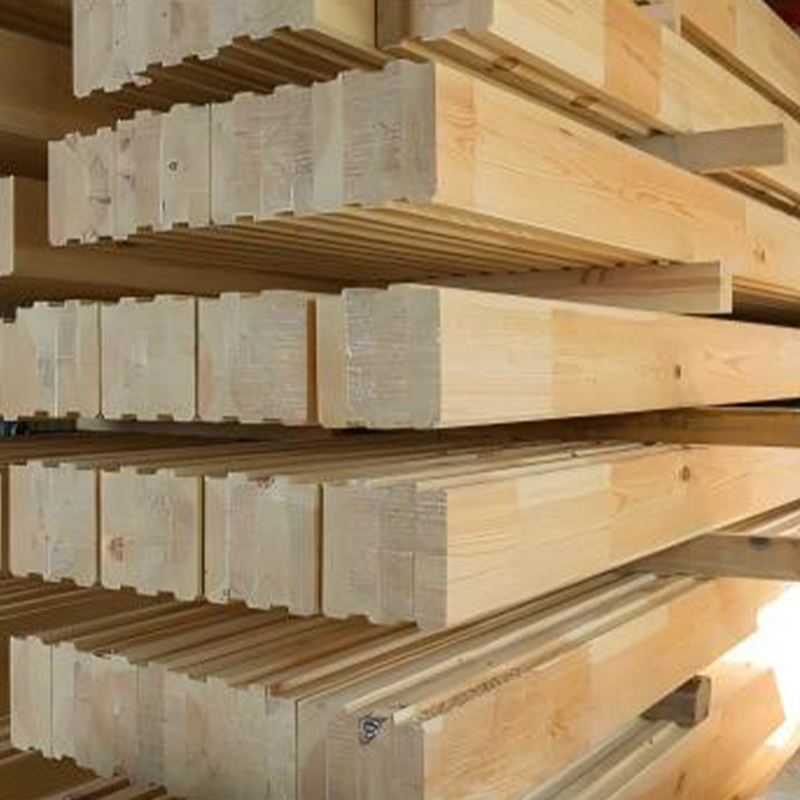
Surface Treatment and Coating of Glulam Logs
Purpose of Surface Treatment for Glulam Logs
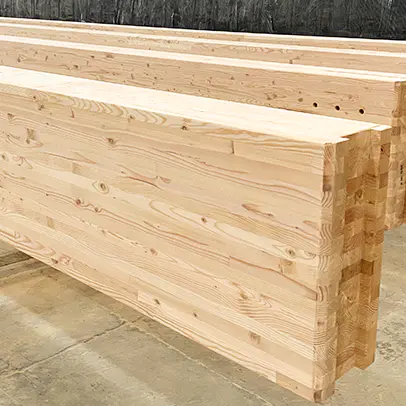
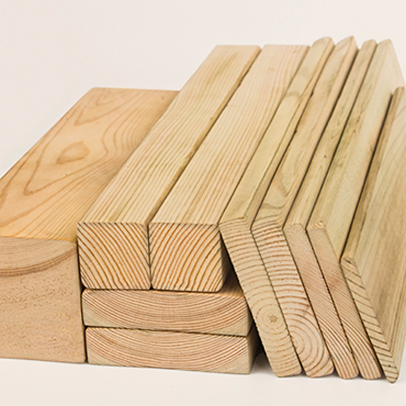
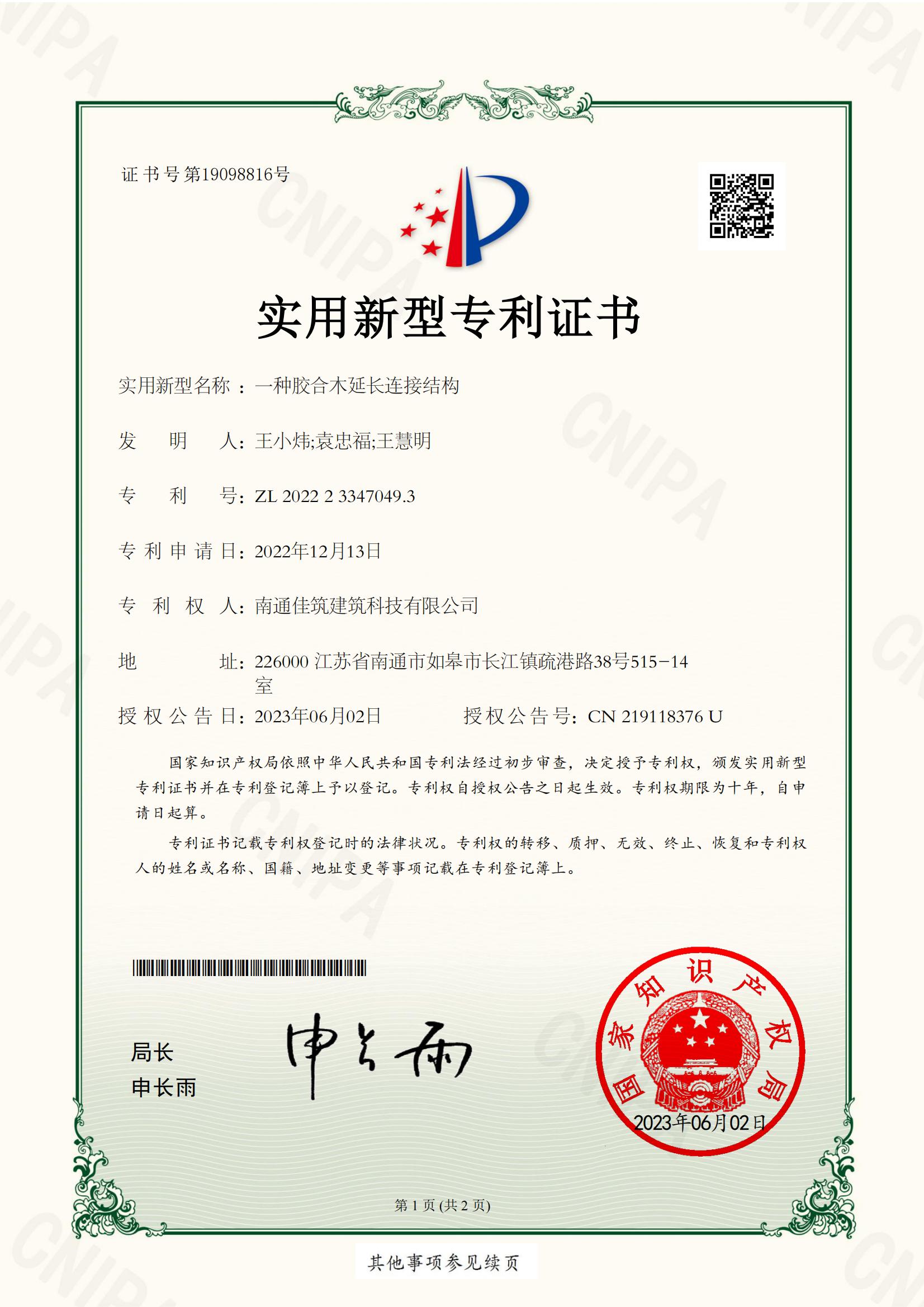
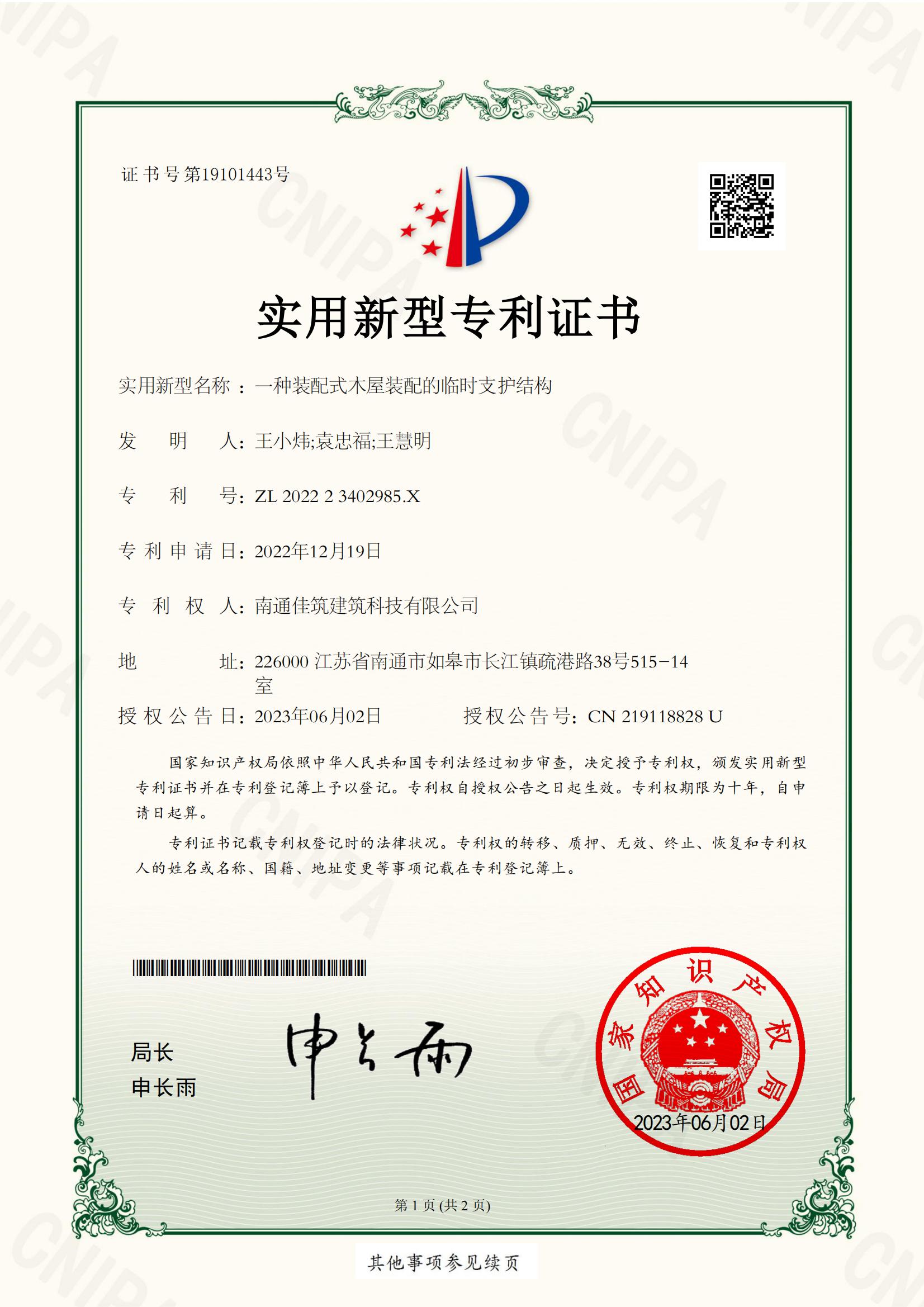
Surface treatment of glulam logs serves several functions, including protecting the timber from moisture, UV exposure, and environmental pollutants, as well as enhancing its aesthetic appearance. Nantong Wellhouse Architectural Technology Co., Ltd. produces moisture-resistant glulam that can be further treated or coated without compromising structural performance. Applying protective finishes can help extend the service life of glulam in both indoor and outdoor applications, while maintaining the timber's natural characteristics.
Types of Surface Coatings for Glulam
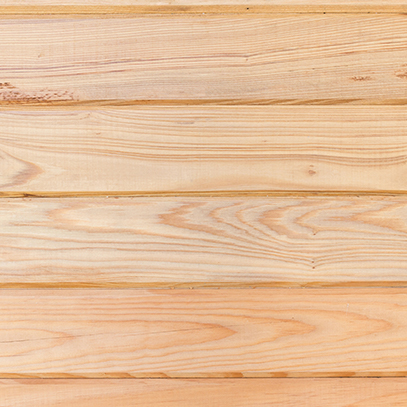
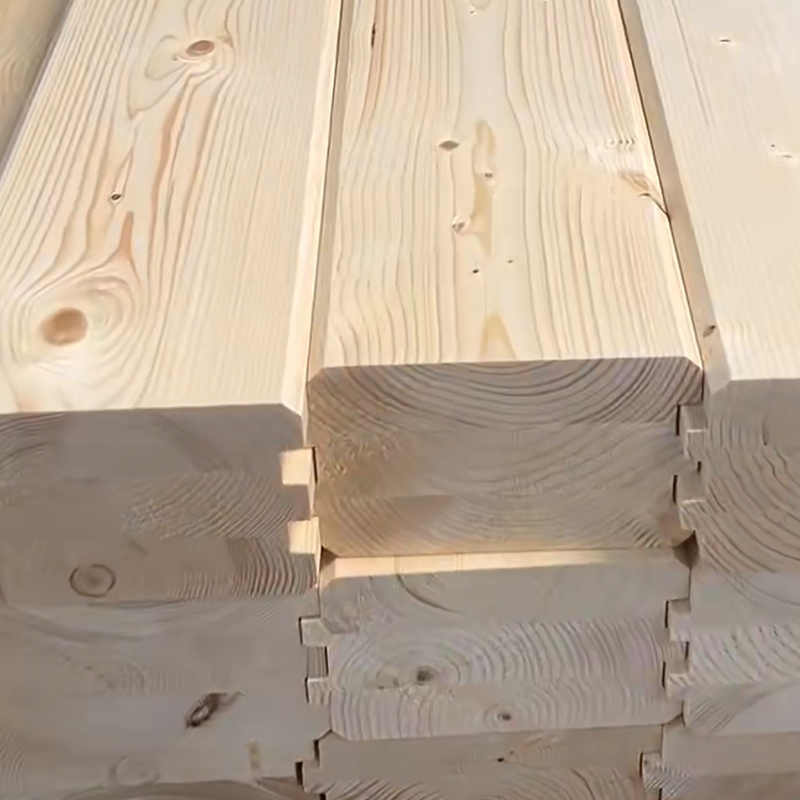
Glulam logs can receive a variety of surface coatings depending on project requirements. Common options include water-based or solvent-based protective finishes, varnishes, stains, and paints. Nantong Wellhouse ensures that the glulam surfaces are properly sanded and prepared before coating to allow for better adhesion. Water-repellent finishes can enhance resistance to moisture penetration, while UV-protective coatings reduce the risk of discoloration from sunlight exposure.
Impact of Coatings on Structural Performance
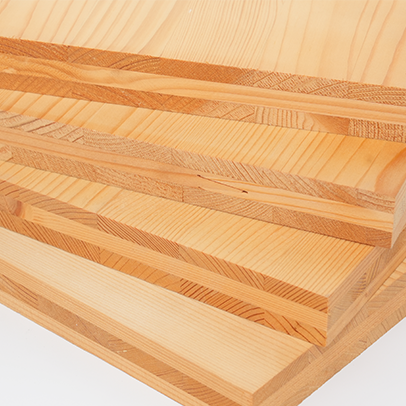
Applying coatings or surface treatments does not negatively affect the mechanical strength of glulam logs when done correctly. Nantong Wellhouse uses precise production methods to create uniform lamination and bonding, so the timber maintains its load-bearing capacity even after finishing. The coatings primarily provide a protective barrier and cosmetic enhancement without altering the inherent strength characteristics of the engineered wood.
Environmental Considerations of Coating Materials
Selection of coating materials for glulam logs should consider environmental impact. Nantong Wellhouse emphasizes sustainable production practices, and the company recommends using coatings that are low in volatile organic compounds (VOCs) and compatible with green building standards. This ensures that treated glulam not only remains durable but also aligns with environmentally responsible construction principles.
Application Methods and Quality Control
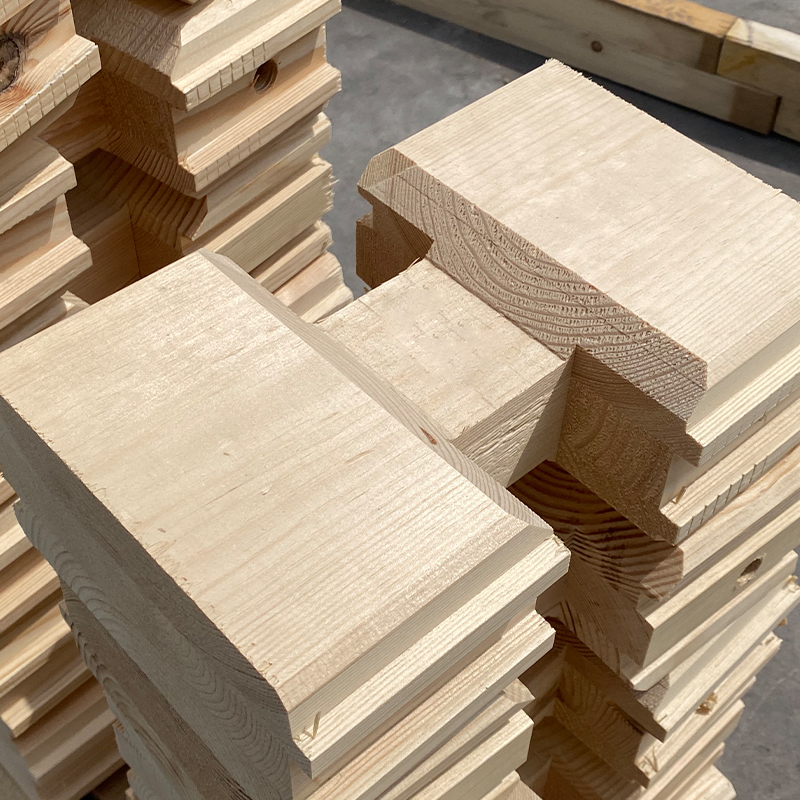
Surface treatments can be applied through brushing, spraying, or dipping processes. At Nantong Wellhouse, the mechanized production environment allows for consistent application across all glulam logs, reducing the likelihood of uneven coating or defects. Proper curing and drying processes are employed to ensure that coatings form a strong protective layer that adheres to the timber surface and maintains performance over time.
Maintenance and Longevity of Coated Glulam
Even with high-quality coatings, periodic maintenance is recommended to sustain protection and appearance. Nantong Wellhouse provides guidance on inspection intervals, reapplication of finishes, and cleaning methods that do not damage the coating or the underlying glulam. Regular upkeep helps prevent moisture ingress, surface cracking, and fading, which are important for long-term durability in both structural and architectural applications.
Customization Options for Decorative Finishes
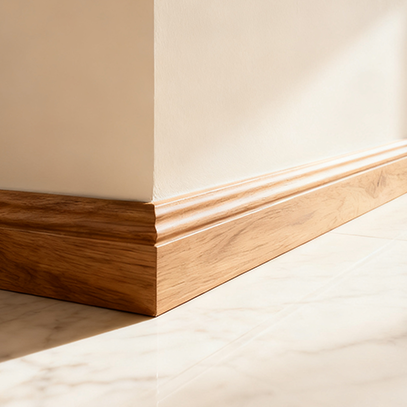
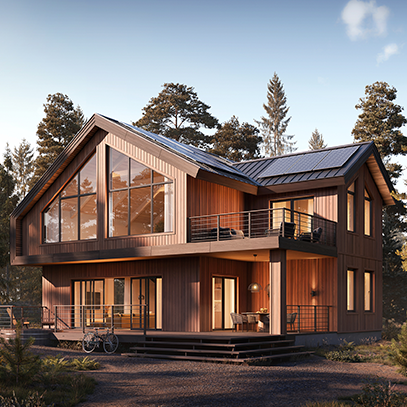
Coatings on glulam logs can also serve decorative purposes, allowing architects and designers to achieve specific visual effects. Nantong Wellhouse supports customized finishes such as tinted stains, opaque paints, or matte and gloss varnishes. These options provide flexibility in meeting aesthetic requirements while retaining the engineered timber's structural benefits.
Integration with Green Building Standards
The surface treatment of glulam logs is compatible with green building initiatives when appropriate coatings are selected. Nantong Wellhouse ensures that their treated glulam products meet moisture resistance and durability standards without relying on harmful chemicals, supporting sustainable construction practices and reducing environmental impact.
| Coating Type |
Main Benefit |
Suitable Application |
| Water-Repellent Finish |
Reduces moisture absorption |
Outdoor or humid environments |
| UV-Protective Coating |
Prevents discoloration from sunlight |
Exposed timber structures |
| Varnish or Clear Finish |
Enhances natural wood appearance |
Indoor decorative beams |
| Stain or Paint |
Custom aesthetic appearance |
Architectural or design-focused projects |
FAQ
Q: What are the benefits of using glulam logs in construction projects?
A: Glulam logs offer a range of advantages in construction, including enhanced strength, versatility, and design flexibility. They are engineered for high performance and can be customized for different structural requirements. Glulam logs are particularly beneficial in large-span buildings, offering greater stability while being a more sustainable option compared to traditional solid timber due to their efficient use of wood resources.
Q: How does the moisture resistance of glulam logs contribute to their durability?
A: Moisture-resistant glulam logs are designed to withstand environmental changes without compromising their structural integrity. By using high-quality adhesives and wood treatment processes, glulam logs resist swelling, warping, and decay, making them suitable for use in both indoor and outdoor applications. This moisture resistance ensures that the glulam logs maintain their shape and strength over time, even in challenging climates.
Q: Can glulam logs be used in seismic-prone areas?
A: Yes, glulam logs are highly suitable for use in seismic-prone areas due to their excellent load-bearing capacity and flexibility. When properly designed and engineered, glulam logs can provide enhanced earthquake resistance compared to traditional construction materials. Their laminated structure allows for better energy absorption and distribution during seismic events, making them a reliable choice for buildings in earthquake zones.
Q: What are the advantages of using glulam logs over traditional solid timber in large-scale construction?
A: Glulam logs offer significant advantages over solid timber in large-scale construction, such as improved strength-to-weight ratio, versatility in design, and more efficient use of wood resources. Glulam logs can be manufactured in various sizes and shapes, making them ideal for creating large, open spaces without the need for excessive supporting columns. They also provide more consistent quality and reduce material waste, which is beneficial for both cost-effectiveness and sustainability.
Q: How does the manufacturing process of glulam logs affect their environmental impact?
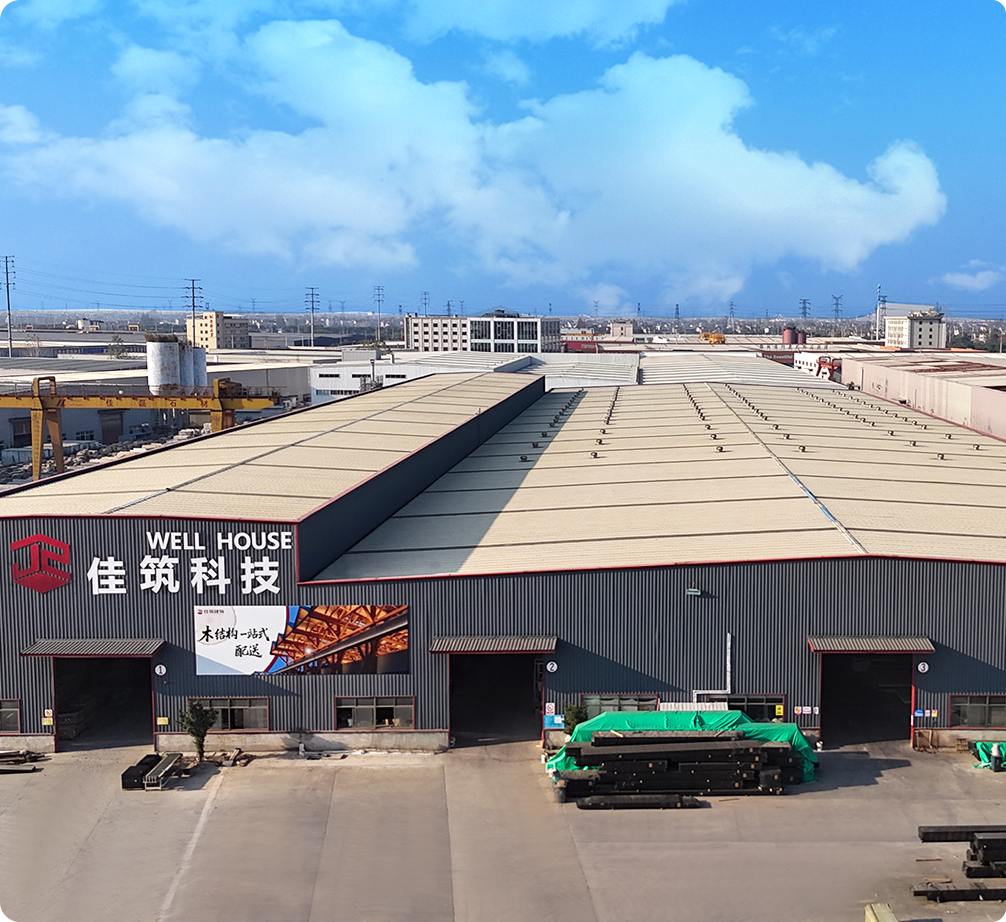
A: The manufacturing process of glulam logs is designed with sustainability in mind. At Nantong Wellhouse Architectural Technology Co., Ltd., the company focuses on efficient use of wood, minimizing waste during production. Additionally, glulam logs can be made from sustainably sourced timber, further reducing their environmental footprint. The use of advanced mechanization and standardization in production helps lower energy consumption, making glulam a more eco-friendly option compared to traditional solid wood products.


 English
 한국어
한국어 Español