How are Curved Glulams Manufactured?
Manufacturing Process Overview
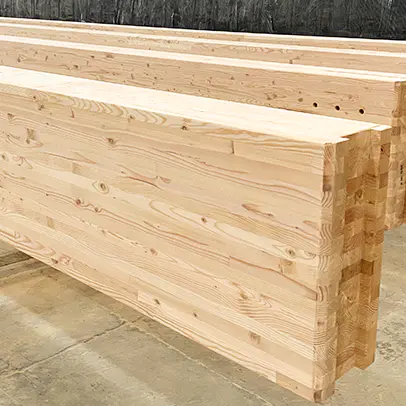
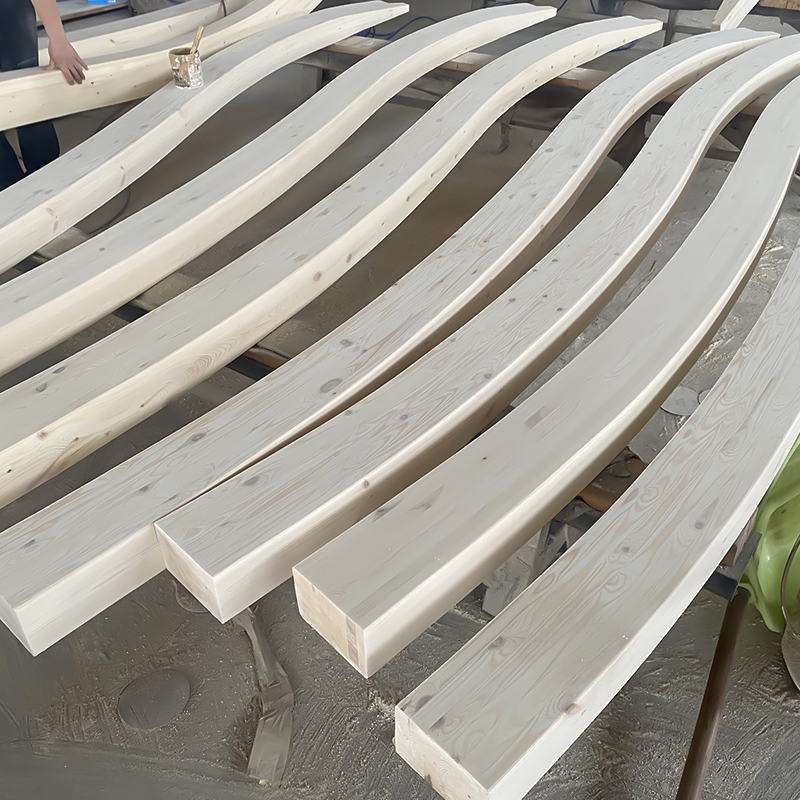
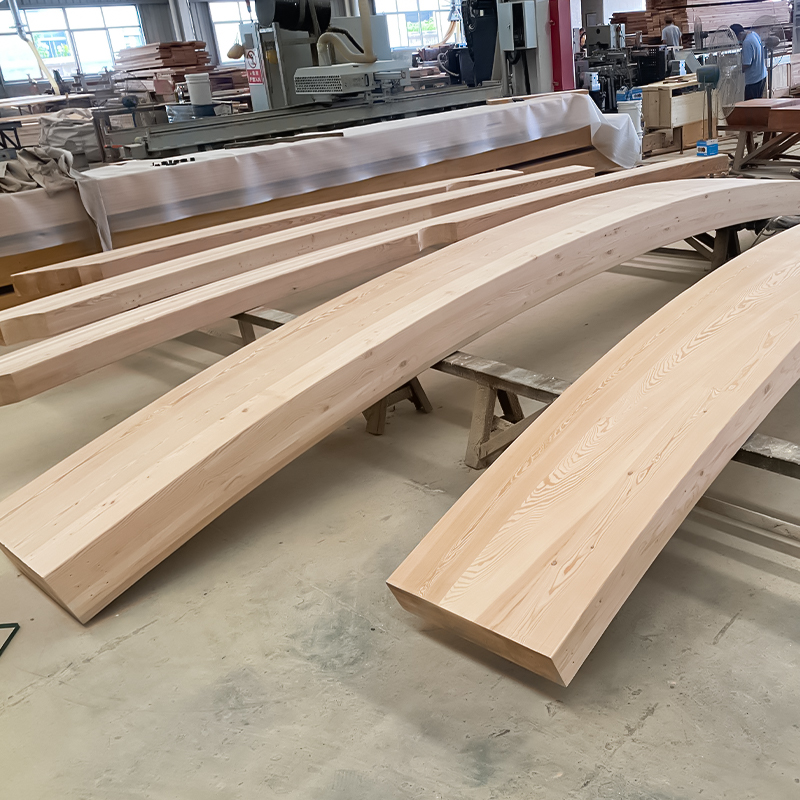
The manufacturing process of curved glued laminated blocks is similar to that of traditional straight glued laminated blocks, but incorporates bending and shaping technology, enabling the production of wooden beams with various curved shapes according to design requirements.
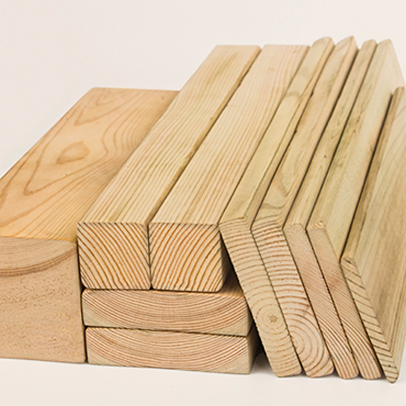
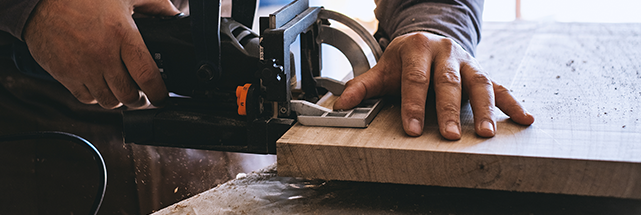
- Wood Selection and Treatment: First, suitable wood is selected based on project requirements. Commonly used woods include pine, fir, and hemlock. The selected wood needs to be dried to reduce moisture content and prevent cracking or deformation due to moisture changes after molding. The dried wood is then classified and graded according to certain standards.
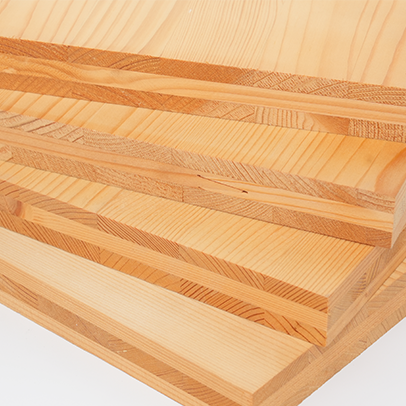
- Gluing Process: The key process for curved glued laminated wooden beams is layer-by-layer gluing. After multiple layers of wood boards are coated with glue, they are pressed together using pressure equipment (such as a hot press). The choice of adhesive and the quality of bonding are crucial. High-strength epoxy resin or polyurethane adhesives are generally used to ensure durability in various environments.
- Bending and Shaping: Bending is the core process of curved glued laminated timber. Traditional wood is difficult to bend naturally, so heat treatment or steam treatment techniques are required to soften the wood fibers. After high-temperature steam treatment, the wood is placed in a forming mold, bent layer by layer, and glued together. The degree and curvature of the bending are precisely controlled according to design requirements.
- Pressure Curing: The bent wood layers are pressed together and fixed under pressure using a press to maintain the required shape. The pressure process ensures that the adhesive firmly bonds the wood layers while also expelling air from the wood, preventing bubble formation, and enhancing structural stability.
- Post-Processing and Quality Inspection: After the cured glued laminated timber beams cool, they need to be cut and processed to conform to the design dimensions. Finally, quality inspection is performed to check whether the appearance, dimensional deviations, and strength of the bent beams meet the specifications.
Design and Precision Control
During the production process, the design of curves is crucial. The bending radius, shape, and curvature of the curve determine the load-bearing performance and visual appeal of the timber beams. Design teams typically use CAD (Computer-Aided Design) software for detailed design and use CNC machine tools or specialized equipment to precisely control the bending shape of the timber beams.
To ensure the precision of curved glulam blocks, laser measurement technology or 3D scanning technology is usually used during the production process to monitor the curve shape in real time, ensuring that the precision of each beam meets design standards.
Application of Curved Glulam Structures in Architectural Design
Application Scenarios
Curved Glulam structures are widely used in modern architectural design due to their excellent visual appeal and structural performance, especially in projects with unique forms and aesthetic requirements. Common applications include:
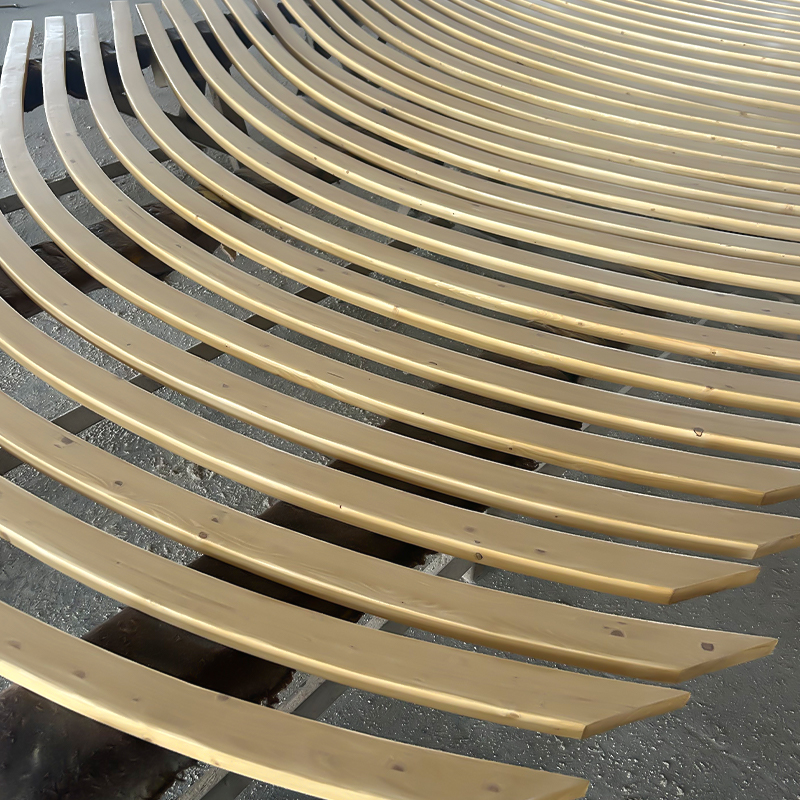
- Large-span Roof Structures: Curved Glulam can be used to design large-span, curved roofs, commonly found in stadiums, exhibition halls, airport terminals, and other buildings. Its unique curved shape not only meets functional requirements but also provides visual impact, giving the building a modern and streamlined feel.
- Bridge Construction: Curved Glulam is also frequently used in the design of wooden bridge structures, especially in projects that require a balance between aesthetics and functionality. The application of curved beams makes bridges more artistic, and with proper design, they can withstand greater loads.
- Architectural Decorative Elements: Curved Glulam is not only a load-bearing component but can also serve as a decorative element in architecture. In many modern buildings, curved beams are used as interior ceilings, wall decorations, or supporting structures, adding visual depth and fluidity to the space.
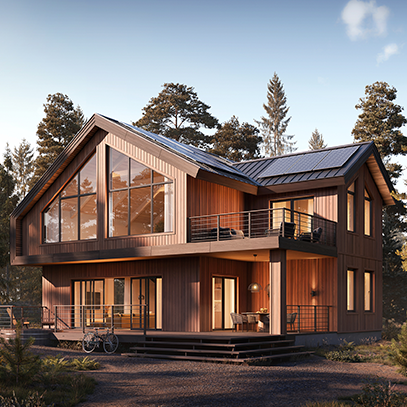
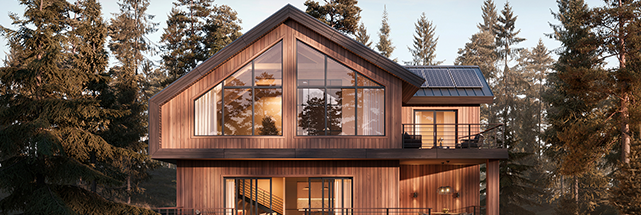
- Log Cabins and Villas: Especially in the design of log cabins, holiday homes, and villas, the natural texture and curved shape of curved laminated timber can add a natural and warm atmosphere to the building, while also allowing for greater design freedom.
Aesthetic Effects
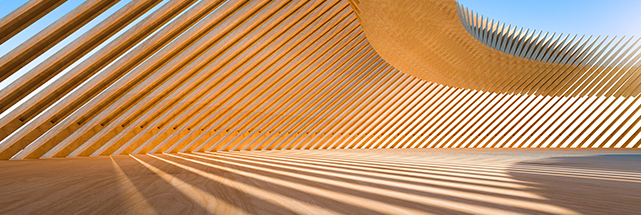
Curved laminated timber brings unprecedented aesthetic effects to architectural design. Compared to straight structures, curved beams can create a more fluid and dynamic spatial form, enhancing the artistic expression of the building. Curved structures can eliminate the harshness of traditional architectural lines, giving the building a softer visual effect.
- Dynamic and Streamlined Design: Curved laminated timber can create continuous streamlined forms, a very popular design style in architectural aesthetics, especially in modern and futuristic architecture. Curves not only make the space feel more open and fluid but also provide a comfortable visual experience for users.
- Harmonious Integration with the Natural Environment: The natural wood grain and curved shape of curved beams often complement the natural environment, especially when combined with mountains, forests, or water features. The natural texture and curved shape of the wood can better blend into the surrounding environment, enhancing the ecological aesthetics of the building.
Combination of Function and Aesthetics
The design of curved glued laminated timber is not only for aesthetic effect, but also meets the functional requirements of the building. In some large commercial buildings or public facilities, curved beams are often used to support important structures or bear the load of long-span roofs and bridges. This structural form considers the combination of load-bearing capacity, flexibility, and aesthetics in its design, enabling the building to achieve both visual appeal and practical function.
Mechanical Properties and Structural Stability of Curved Glulam
Mechanical Properties
Curved Glulam possesses unique mechanical properties, combining the natural advantages of wood with the precision of modern gluing technology. Its curved shape allows for a different stress distribution compared to traditional straight glulam beams when bearing loads. Compared to straight glulam beams, curved glulam beams, when used in large-span structures, better distribute stress, reduce material waste, and achieve greater spans and superior stability.
- Bending Performance: The curved structure of curved glulam enables efficient energy transfer and uniform distribution under load. Especially in large-span structures, curved beams can disperse stress caused by bending through their natural curvature, preventing excessive stress in the central area of the beam and enhancing overall load-bearing capacity.
- Shear Resistance and Stability: The design of curved glulam, by increasing strength at different bending points, allows it to withstand greater shear forces. Unlike straight beams, curved beams are designed to distribute shear force evenly along the bending direction, avoiding the risk of localized overload and thus improving the beam's shear resistance and overall stability.
- Stiffness and Deformation Resistance: Although curved glued laminated timber beams have greater flexibility than traditional straight timber beams, they maintain sufficient stiffness through high-precision gluing processes and design optimization. This prevents excessive deformation of curved timber beams under load, ensuring the stability of the building structure.
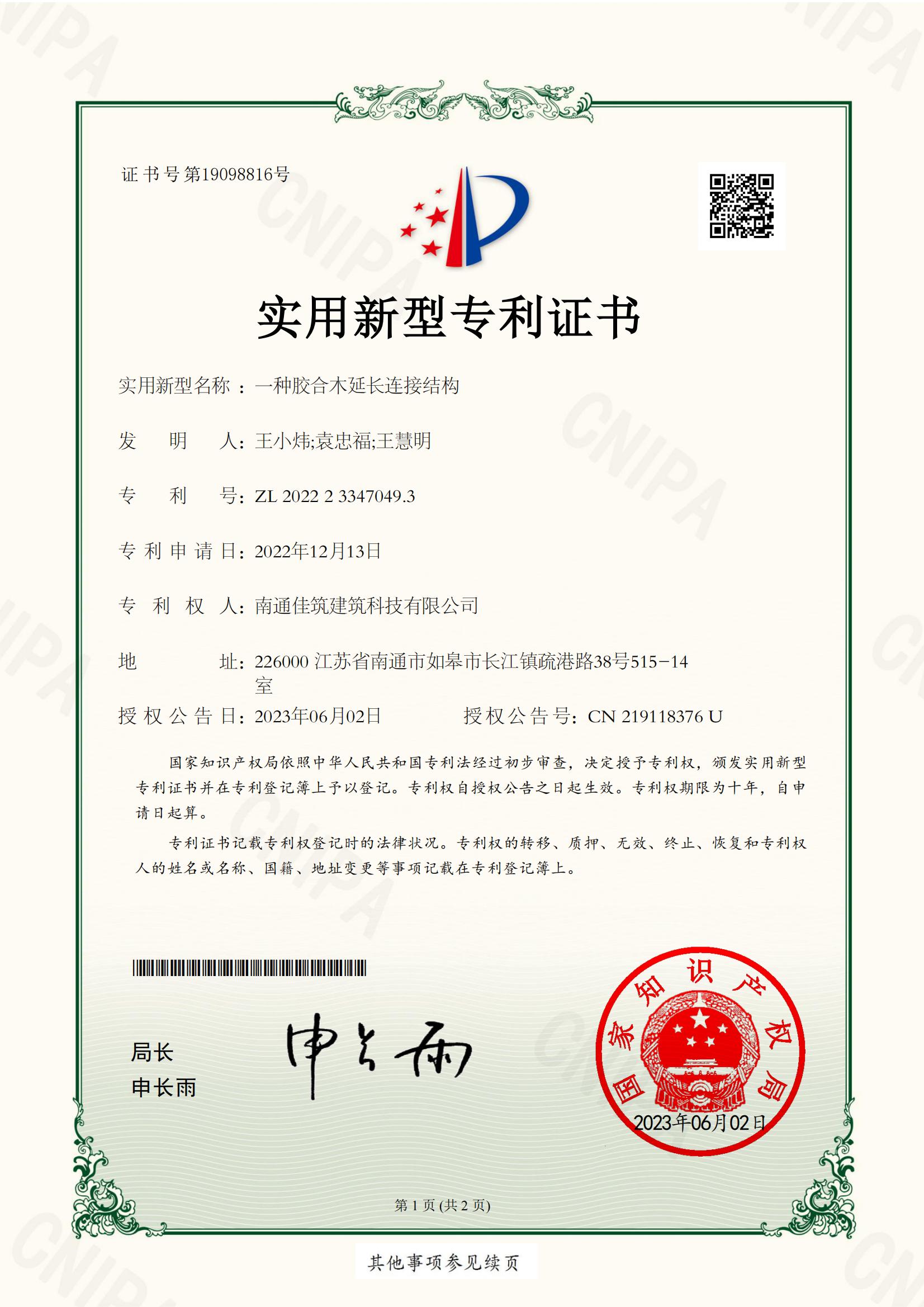
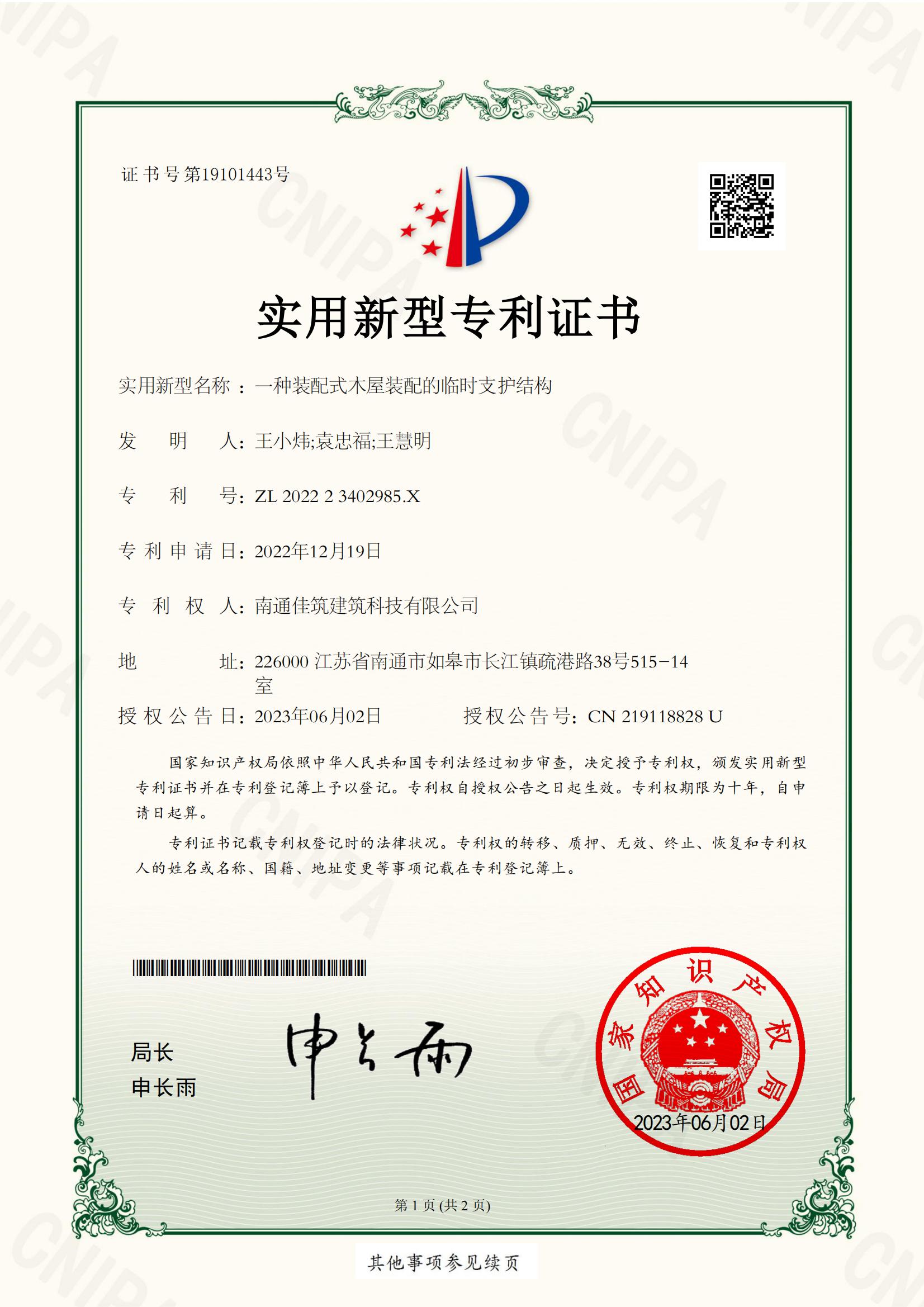
Nantong Wellhouse Architectural Technology Co., Ltd., with its advanced production technology and extensive experience, ensures that each curved glued laminated timber beam meets high standards in mechanical performance during production. The company focuses on the research and production of glued laminated timber beams, providing curved glued laminated timber beams that not only have high load-bearing capacity but also excellent stability, making them widely used in large-span structures and complex architectural designs.
Structural Stability
The stability of curved glued laminated timber beams is a key factor in their application, especially in large-span or heavily loaded building structures. Due to the natural properties of wood, timber beams are susceptible to stress concentration and deformation when bent, making the long-term stability of curved glued laminated timber beams crucial.
Nantong Wellhouse Architectural Technology Co., Ltd. strictly controls timber quality, gluing processes, and structural stability in the design and production of its curved glued laminated timber beams. Each beam is meticulously designed to ensure stability under load. By selecting appropriate timber, optimizing gluing processes, and layering structures, Nantong Wellhouse Architectural Technology Co., Ltd.'s curved glued laminated timber beams can withstand extreme environmental and load conditions, ensuring the safety and durability of buildings.
- Timber Quality and Treatment: To ensure the structural stability of curved glued laminated timber beams, Nantong Wellhouse Architectural Technology Co., Ltd. selects high-quality timber and employs professional drying and preservative treatments to minimize expansion, contraction, or decay caused by environmental changes.
- Precision of Gluing Process: Through high-standard gluing processes, Nantong Wellhouse Architectural Technology Co., Ltd. ensures that each layer of wood in curved glued laminated timber beams is firmly bonded, making the overall structure more resilient and stable. The glue and gluing methods used by the company have excellent durability and moisture resistance, guaranteeing the long-term stability of the timber beams.
- Support Design and Connection Methods: The support and connection design of curved glued laminated timber beams is crucial to stability. Nantong Wellhouse Architectural Technology Co., Ltd.'s professional team designs appropriate support systems and connection nodes according to the specific needs of each project to ensure the long-term safety and stability of the beams after installation.
Company Advantages and Structural Stability:
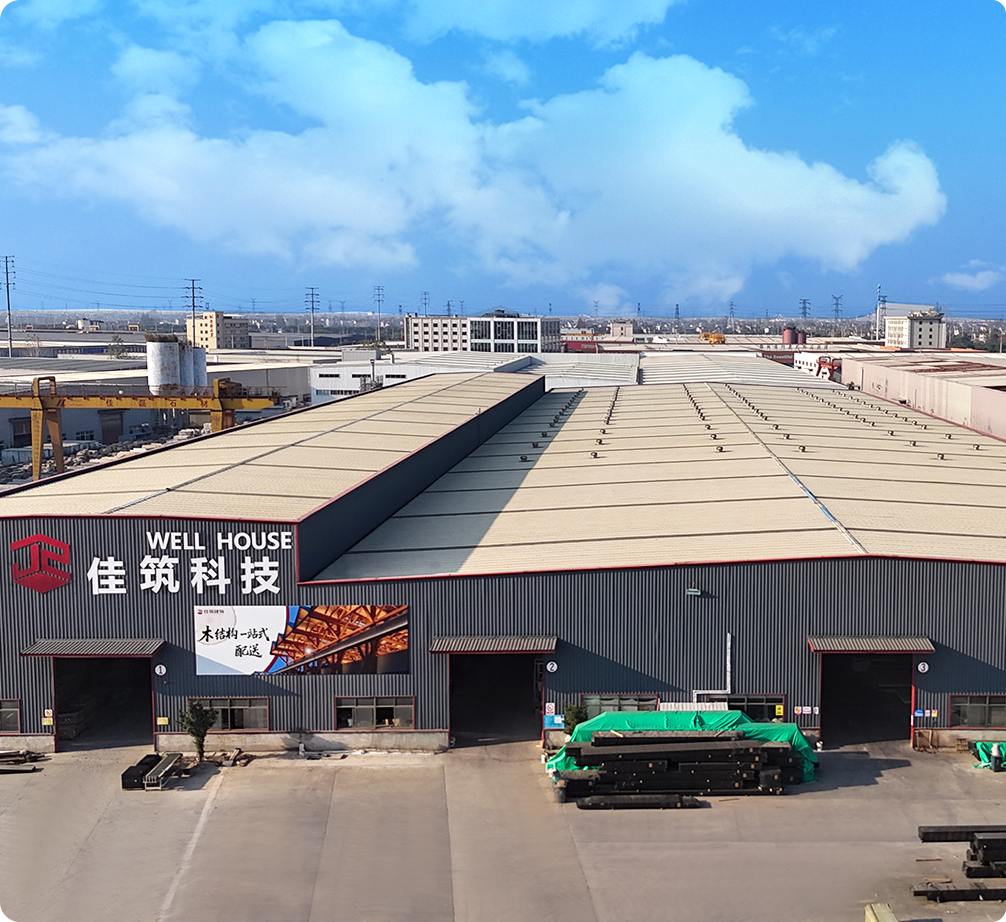
Nantong Wellhouse Architectural Technology Co., Ltd., relying on advanced production technology and an efficient production environment, can achieve high-quality, high-precision manufacturing of curved glued laminated timber beams while ensuring structural stability. The company uses automated, highly standardized production processes to ensure that every curved glued laminated timber beam meets stringent quality standards and design requirements.
- High Production Capacity and Precision Control: The company boasts a monthly production capacity of up to 2,000 cubic meters, equipped with advanced CNC equipment and automated testing systems. Each curved glued laminated timber beam undergoes rigorous quality testing during production to ensure its dimensions, shape, and mechanical properties fully meet customer requirements.
- Full Lifecycle Service: Nantong Wellhouse Architectural Technology Co., Ltd. not only provides high-quality curved glued laminated timber beams but also offers customers full lifecycle services from design to installation. Through professional technical support and project coordination, the company ensures smooth project progress at every stage, ultimately achieving efficient and stable structural solutions.
- Environmental Protection and Sustainability: As a company committed to green building principles, Nantong Wellhouse Architectural Technology Co., Ltd. places particular emphasis on environmental protection and sustainable development. The production process utilizes environmentally friendly adhesives and sustainably sourced timber to minimize the environmental impact of the products during use. The company is dedicated to promoting the development of green building materials and helping customers achieve their sustainable construction goals.
Through these advantages, Nantong Wellhouse Architectural Technology Co., Ltd. is able to ensure not only the high performance and structural stability of its curved glued laminated timber beams, but also to provide reliable solutions for various complex buildings, meeting customers' high-quality requirements.

 English
 한국어
한국어 Español