Why Wooden Fence is the Preferred Choice for Residential Fencing
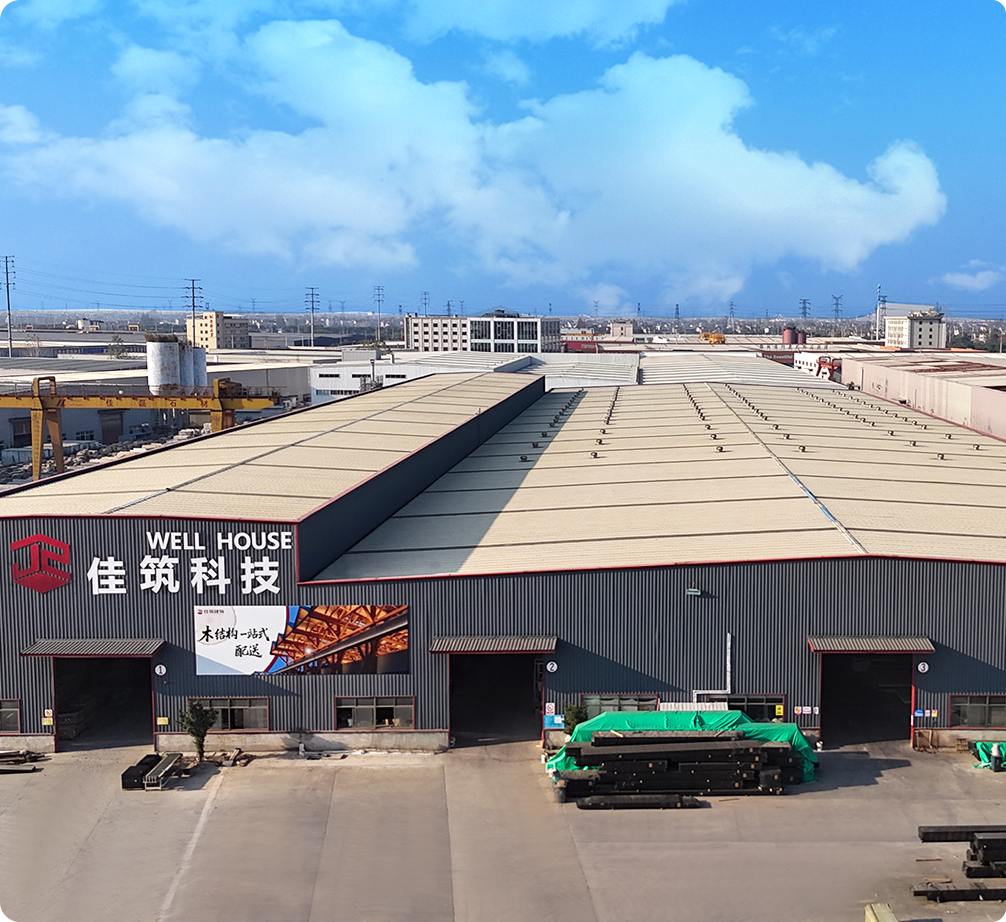
In modern landscape design and residential architecture, the Wooden Fence consistently holds an irreplaceable position. It is not merely a physical boundary for isolation but also acts as an emotional bridge between architectural aesthetics and the natural environment. As a leader in the timber structure construction field, Nantong Wellhouse Architectural Technology Co., Ltd. adheres to the concepts of green building and sustainable development, committing to empowering the Wooden Fence with higher structural strength and visual expression through high-quality glued laminated timber (Glulam) technology.
Natural Beauty and Landscape Integration
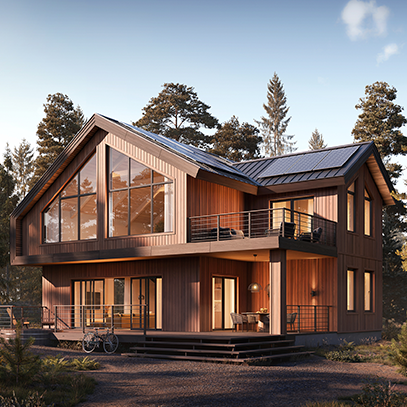
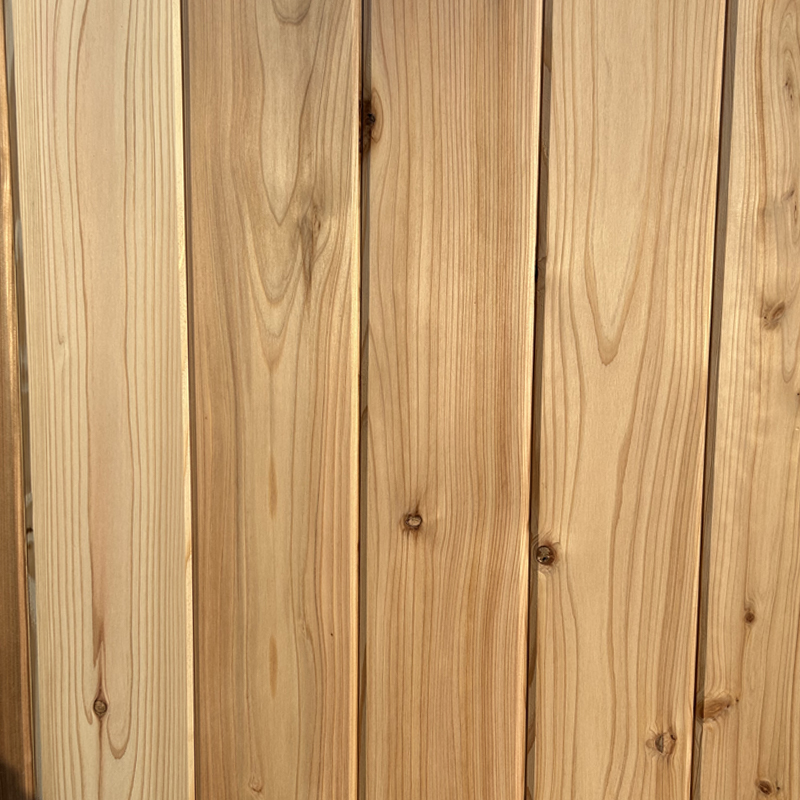
A Wooden Fence possesses natural textures and warm tones that can perfectly integrate with various plants, lawns, and stone pavers. Compared to metal or plastic materials, the biological affinity of wood makes living spaces feel warmer. Nantong Wellhouse Architectural Technology Co., Ltd. utilizes advanced machining centers and high-precision production lines to ensure every inch of wood retains its most original natural charm while making it more compatible with modern architectural aesthetics through precise craftsmanship. Under varying seasonal light and shadows, the luster and texture displayed by a Wooden Fence are incomparable to any synthetic material, making it a vital landscape element for enhancing property value.
Diverse Stylistic Expression
Whether seeking a classic rural picket design or a minimalist industrial horizontal line, a Wooden Fence offers immense space for customization. Relying on the strong technical support of Nantong Wellhouse Architectural Technology Co., Ltd., we utilize Glulam technology to manufacture ultra-long spans or complex curves that are difficult to achieve with traditional solid wood. This design flexibility means a Wooden Fence is more than just a wall; it can be an outdoor installation art piece. Our design team works closely with the R&D department, using cutting-edge equipment like KUKA robotic arms to precisely transform design concepts into reality, making your Wooden Fence the artistic focus of the community.
Privacy, Security, and Structural Stability
The core function of a Wooden Fence lies in providing private space and ensuring territorial security. To enhance its durability, Nantong Wellhouse Architectural Technology Co., Ltd. employs industry-leading equipment for production. For instance, through the Bohai integrated finger-jointing line (with a monthly capacity of approximately 2,000 cubic meters) and 9 glulam presses, we ensure that the structural components of the Wooden Fence possess exceptional resistance to deformation and mechanical strength. When facing strong winds or external impacts, a Wooden Fence processed with this precision craftsmanship exhibits greater toughness, effectively protecting family privacy and property safety.
Technical Parameter Comparison: Traditional Wood vs. Nantong Wellhouse High-Performance Glulam
| Performance Indicator |
Traditional Solid Wood |
Nantong Wellhouse Glulam |
Advantage Description |
| Bending Strength |
Lower, easily affected by knots |
Extremely High (Uniformly distributed stress points) |
Glulam process eliminates natural defects and improves overall strength |
| Dimensional Stability |
Prone to cracking/warping due to humidity |
Excellent Performance |
Precision molded via 9 presses after professional drying; virtually no deformation |
| Processing Accuracy |
Dependent on manual labor, larger errors |
±0.5mm (K2i/KUKA Robot processing) |
German K2i machining center ensures tight mortise and tenon joints for the Wooden Fence |
| Monthly Capacity |
Fragmented, hard to guarantee large projects |
2,000 Cubic Meters |
Large-scale lines ensure on-time delivery for high-volume Wooden Fence orders |
| Environmental Grade |
Varies significantly |
Compliant with Sustainable/Green Building standards |
Strictly follows the green R&D philosophy of Nantong Wellhouse |
Common Material Selections for Wooden Fence
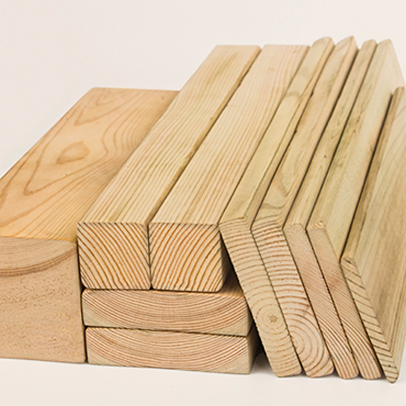
Selecting the right material determines the lifespan and appearance of a Wooden Fence. Nantong Wellhouse Architectural Technology Co., Ltd. specializes in the R&D of Glulam and timber structure products, providing customers with material solutions that balance beauty and durability through in-depth analysis of different wood characteristics.
Cedar — The Natural Preservative Pioneer
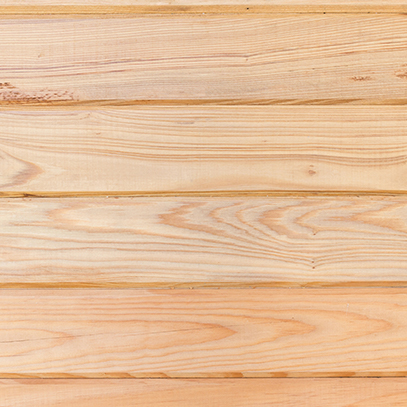
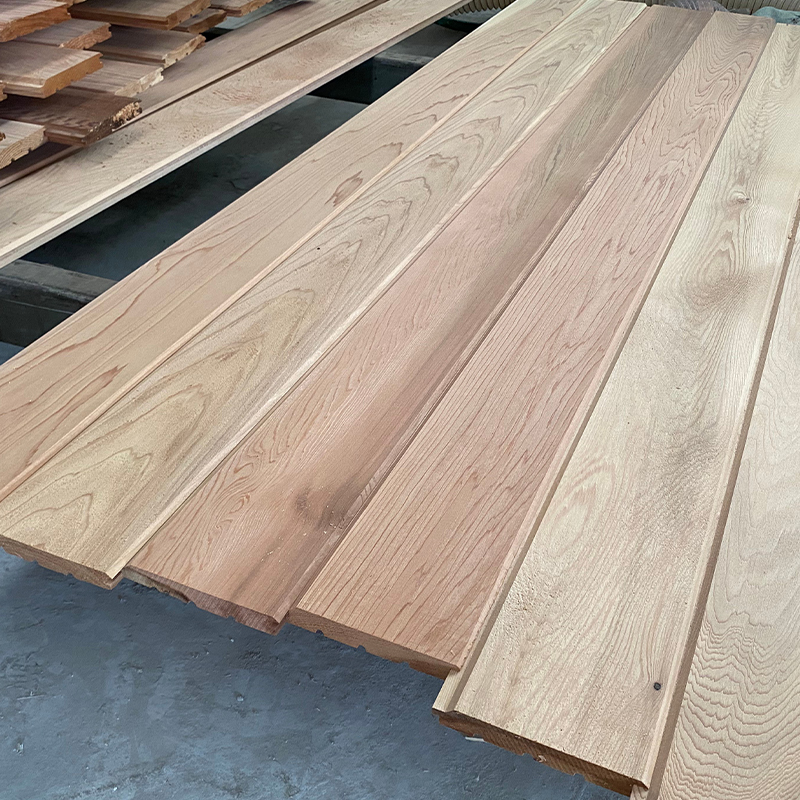
Cedar is one of the most popular natural materials for crafting a Wooden Fence. It contains natural oils that resist insect infestation and decay. A Wooden Fence made of cedar has straight grains and remains stable in outdoor environments even without chemical treatment. The color of this wood elegantly turns to a silvery gray over time, or its reddish-brown original appearance can be maintained through regular oiling. Nantong Wellhouse Architectural Technology Co., Ltd., during the pre-production stage, uses advanced Taiwanese four-sided planers to perform high-precision smoothing on cedar, making the surface touch more delicate and minimizing burrs and cracks.
Pressure-Treated Wood — Balance of Economy and Durability
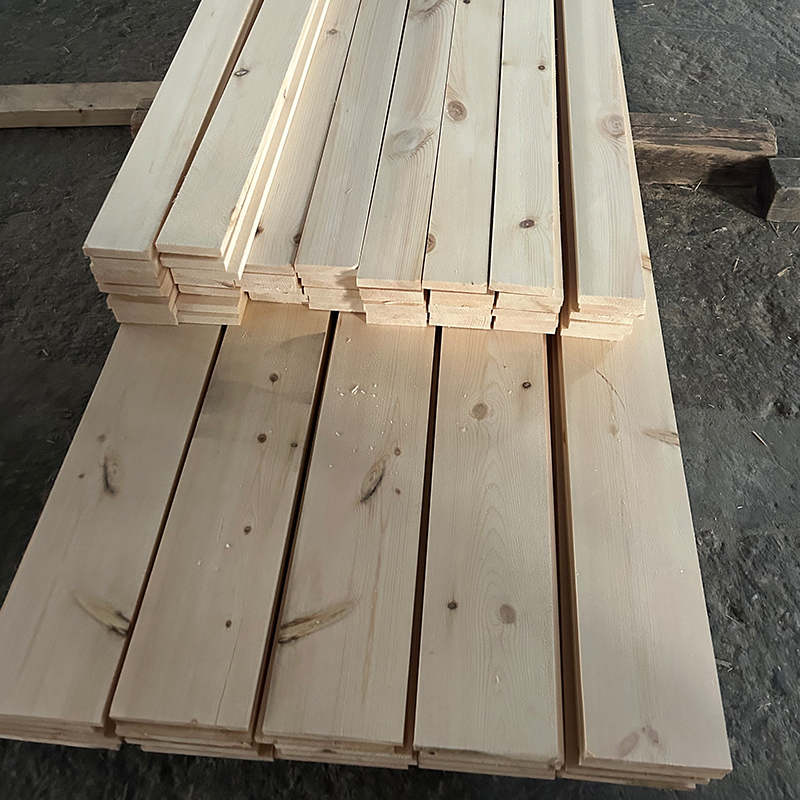
For Wooden Fence projects pursuing cost-effectiveness, pressure-treated wood is an ideal choice. By injecting preservatives into wood fibers under high pressure, it gains strong resistance to termites and moisture. This treatment significantly extends the lifespan of ordinary wood, allowing it to cope with harsher outdoor environments. The integrated production lines at Nantong Wellhouse Architectural Technology Co., Ltd. ensure every piece of wood used for a Wooden Fence undergoes thorough chemical penetration and post-drying through precise process control. We strictly monitor chemical content to provide long-term protection while meeting environmental requirements.
High-Performance Glulam — The Crystallization of Modern Technology
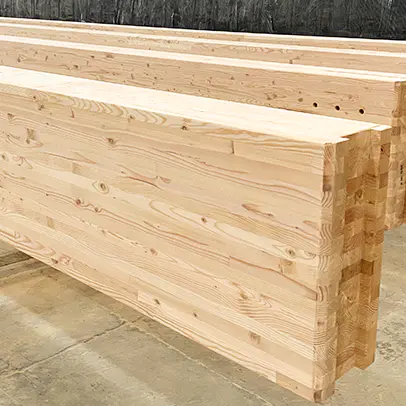
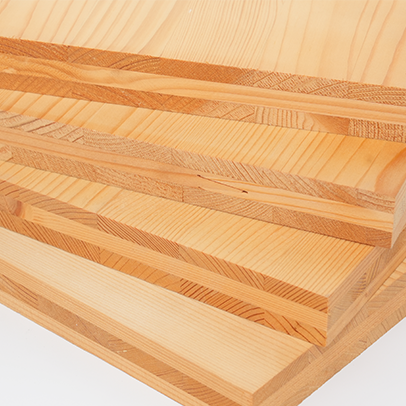
As the core product of Nantong Wellhouse Architectural Technology Co., Ltd., Glulam is gradually becoming the new benchmark for high-end customized Wooden Fence solutions. Compared to single logs, Glulam is formed by bonding multiple layers of wood planks through the Bohai integrated finger-jointing line. This process completely eliminates the natural weaknesses of wood (such as large knots or natural cracks), solving the pain point of warping and cracking in large-sized Wooden Fence posts. This material is not only extremely strong but also offers excellent design flexibility, easily achieving ultra-large structural spans.
Material Performance Comparison for Wooden Fence Selection
| Performance Parameter |
Natural Cedar |
Pressure-Treated Wood |
Wellhouse Glulam |
| Density (kg/m³) |
Approx. 350 - 450 |
Approx. 500 - 600 |
550 - 800 (Controllable) |
| Compressive Strength (MPa) |
Medium |
Medium |
High (Reinforced Structure) |
| Weather Resistance |
Excellent (Natural) |
Great (Chemical Protection) |
Excellent (Stable structure & low moisture) |
| Environmental Grade |
Pure Natural |
Contains chemicals |
Compliant with Green/Sustainable standards |
| Suggested Use |
Decorative Wooden Fence |
Basic Support/Enclosure |
Large span, irregular & high-end projects |
Advanced Process Guarantee
To ensure the precision of these materials in Wooden Fence applications, Nantong Wellhouse Architectural Technology Co., Ltd. is equipped with German K2i machining centers and KUKA robotic arms. This means whether it is a cedar mortise-and-tenon joint or a complex Glulam shape, we can achieve high-precision output with a monthly capacity of 2,000 cubic meters. Through 2 curved press production lines, we can produce Glulam beams with elegant curves, allowing the material expression of a Wooden Fence to break free from traditional linear constraints.
Popular Wooden Fence Design Styles
The design style of a fence directly determines the overall temperament of a building. Nantong Wellhouse Architectural Technology Co., Ltd., with its industry-leading equipment and processing precision, can transform various design concepts into high-quality physical products. Whether it is a traditional rural style or an avant-garde modern design, we ensure every detail of the Wooden Fence is perfected using KUKA robotic arms and German K2i machining centers.
Privacy Fence — A Serene Private Domain
This is the most classic Wooden Fence style, with planks tightly arranged to completely block the line of sight. This design is perfect for backyards requiring high privacy, providing a haven for family members from outside interference. Nantong Wellhouse Architectural Technology Co., Ltd. uses its Bohai finger-jointing line and glulam presses to provide extremely dimensionally stable backer rails for this type of Wooden Fence. This effectively solves the common problem of expanding gaps in traditional privacy fences, ensuring long-term stability and shielding.
Picket Fence — Classic Rural Sentiment
The picket Wooden Fence represents residential aesthetics and is often used for front yard decoration. It is usually moderate in height, with spaced planks defining boundaries while retaining open views and light. Relying on our Taiwanese four-sided planer processing, we produce picket slats with extremely smooth surfaces and fluid lines, enhancing the touch of the Wooden Fence and aiding uniform paint adhesion. This exquisite craftsmanship gives the fence strong decorative attributes, making it an ideal choice for enhancing villa charm.
Horizontal Fence — An Extension of Minimalism
Modern architectural styles favor the extension of horizontal lines. Horizontal planks effectively broaden the sense of space in a courtyard visually, showcasing a clean and modern style. High-strength Glulam produced by Nantong Wellhouse Architectural Technology Co., Ltd. is particularly suitable for this design. Since horizontal arrangements place extreme demands on the wood's self-weight bearing and sag resistance, traditional wood often sags in the middle. Our glulam process ensures the structure remains upright even over long spans, providing perfect linear beauty for your Wooden Fence.
Lattice Fence — Combination of Light, Shadow, and Plants
This style is often used for internal garden partitions, balcony shading, or as a support for climbing plants. Exquisite cross-lattices require extremely high processing precision, as any small error is magnified after assembly. The K2i machining center at Nantong Wellhouse Architectural Technology Co., Ltd. can achieve millimeter-level cutting precision, ensuring the intersections of the Wooden Fence lattice are seamless. Combined with our 2 curved presses, we can even create lattice fences with arched tops, balancing structural stability with decorative artistry.
Comparison of Design Styles and Application Scenarios
| Performance/Style |
Privacy Fence |
Picket Fence |
Horizontal Fence |
Lattice Fence |
| Opacity |
100% (Very High) |
40% - 60% (Medium) |
80% - 95% (High) |
30% - 50% (Low) |
| Wind Resistance |
Higher (Requires solid posts) |
Lower |
Medium |
Very Low (Breathable) |
| Precision Req. |
Standard |
Standard |
Extremely High (Prevent Sagging) |
Extremely High (Joint Accuracy) |
| Core Equipment Support |
9 Glulam Presses |
Taiwanese Planer |
German K2i Center |
KUKA Robotic Arm |
| Suggested Scenarios |
Backyard, Poolside |
Front Yard, Landscape |
Modern Villa, Commercial |
Balcony, Climbing Plants |
Key Steps to Extend the Service Life of a Wooden Fence
Even with high-quality raw materials, scientific maintenance is essential to ensure a Wooden Fence stays like new. Nantong Wellhouse Architectural Technology Co., Ltd. always adheres to the concept of sustainable development, focusing not only on R&D and production but also on helping customers extend the life cycle of timber products through professional advice.
Initial Coating: Establishing the First Line of Defense
A newly installed Wooden Fence should be stained or painted as soon as possible. As a biological material, wood's moisture content is heavily influenced by the environment. Stains penetrate wood fibers, providing excellent UV protection while maintaining the natural grain of Nantong Wellhouse glulam. Using our smooth surfaces processed by four-sided planers, coatings can adhere more uniformly, effectively locking in internal moisture and preventing surface cracking or warping caused by shrinkage and swelling.
Regular Cleaning and Mildew Treatment
Due to long-term outdoor exposure, the surface of a Wooden Fence will inevitably accumulate dust, mold, moss, or lichen. If not cleaned in time, these biological attachments retain moisture and damage wood fibers. It is recommended to perform a deep clean once a year using a mild wood cleaner and a soft brush. Nantong Wellhouse Architectural Technology Co., Ltd. strictly controls wood moisture and uses advanced drying processes, significantly reducing the risk of mold growth from the source. Regular maintenance removes corrosive residues, keeping your fence colors vibrant.
Structural Inspection and Reinforcement
Seasonal changes, extreme weather, or geological shifts can cause soil displacement, affecting the stability of a Wooden Fence. Relying on standardized components produced by the high-precision machining centers of Nantong Wellhouse Architectural Technology Co., Ltd., users can easily inspect joints between posts and rails. If loose fasteners are found due to vibration or thermal expansion, they should be reinforced with professional rust-proof screws. This regular health check prevents small structural issues from turning into expensive full-wall repairs.
Maintenance Cycle and Performance Comparison Table
| Maintenance Dimension |
Standard Care |
Neglected |
Wellhouse Recommended Plan |
| Appearance Retention |
Fades over 3-5 years |
Graying/stains in 1-2 years |
Stable color for 10+ years |
| Structural Stability |
Occasional slight warping |
Large-scale deformation/rot |
Extremely stable due to Glulam |
| Cleaning Frequency |
Once every 2 years |
None |
Annually in Spring or Autumn |
| Technical Guarantee |
Common Preservation |
Original Natural Life |
K2i Precision + Moisture Control |
| Expected Total Life |
10 - 15 Years |
5 - 8 Years |
20+ Years (or longer) |
Professional Repair Support
If your Wooden Fence is partially damaged by external factors, the KUKA robotic arm technology at Nantong Wellhouse Architectural Technology Co., Ltd. can provide precise replacement parts. Our production line has a monthly capacity of 2,000 cubic meters, allowing us to respond quickly to customer needs for specific sizes or shapes based on historical records. This digital-based processing capability ensures that repaired sections achieve millimeter-level seamless integration with the original Wooden Fence.
Frequently Asked Questions (FAQ) about Wooden Fence
In the process of selecting, installing, and maintaining a Wooden Fence, users often encounter various technical and application questions. Nantong Wellhouse Architectural Technology Co., Ltd. has compiled the following professional answers based on its deep expertise in timber structure R&D and production.
Q: How many years does a Wooden Fence typically last?
A: This mainly depends on material selection and maintenance. Ordinary wood may only last about 10 years in harsh environments. However, by using high-performance Glulam or high-grade pressure-treated timber produced by Nantong Wellhouse Architectural Technology Co., Ltd., the lifespan can easily be extended to 20 years or more. Our use of the German K2i machining center ensures precision in all connections, minimizing moisture accumulation and significantly enhancing the durability of the Wooden Fence.
Q: Should I paint or stain my Wooden Fence?
A: This is a choice between visual effects and maintenance habits. Staining penetrates deep into the wood fibers, perfectly showcasing the fine texture processed by the Nantong Wellhouse Taiwanese planer, and does not require stripping old layers during future maintenance. Painting offers more saturated color options and forms a thicker protective film. Since our production line strictly executes wood drying processes to maintain moisture at a stable, scientific level, coatings will achieve excellent adhesion and durability on our Wooden Fence products.
Q: How can I prevent the bottom of a Wooden Fence from rotting?
A: The primary cause of rot is long-term contact with moisture and microorganisms in the soil. Nantong Wellhouse Architectural Technology Co., Ltd. suggests using concrete footings and high-precision stainless steel connectors to fix Wooden Fence posts about 5-10 cm above the ground. Furthermore, the structural materials produced by our Bohai finger-jointing line have a higher density than ordinary logs, significantly reducing capillary water absorption. Combined with our preservative pre-treatment, we prevent rot from both inside and out.
Q: Is a Wooden Fence suitable for all climates?
A: Yes, but different climates pose different challenges. In extreme conditions, ordinary solid wood is prone to cracking or severe deformation. Nantong Wellhouse Architectural Technology Co., Ltd. possesses 9 professional glulam presses and 2 curved presses, producing Glulam with "isotropic" characteristics that effectively counteract internal growth stresses. This allows our Wooden Fence to remain geometrically stable during harsh winters, hot summers, or long rainy seasons, resisting warping and cracking with strong environmental adaptability.
Technical Parameter Comparison: Environmental Adaptability of Wooden Fence
| Climate Environment |
Challenge Factors |
Traditional Wooden Fence |
Wellhouse Glulam Performance |
| Humid/Rainy |
Mold, Swelling |
Prone to rot, loose joints |
High-density layers, excellent water resistance |
| Dry/Strong UV |
Cracking, Fading |
Deep cracks, structural embrittlement |
Moisture controlled at ~12%, very stable |
| Windy/Stormy |
Structural Load/Shear |
Joints easily damaged or broken |
High-precision KUKA joints, solid structure |
| Extreme Temp Change |
Thermal Expansion |
Severe warping/deformation |
Multi-layer structure offsets stress, zero change |
Intelligent Manufacturing and Service Support
Nantong Wellhouse Architectural Technology Co., Ltd. is committed to integrating the core concepts of green building and sustainable development into the R&D and production of every Wooden Fence component. By utilizing the K2i machining center, KUKA robotic arms, and the efficient Bohai finger-jointing line, we not only achieve a high monthly output of 2,000 cubic meters but also ensure that every fence system delivered to global customers possesses industry-leading craftsmanship and an exceptionally long service life.



 English
 한국어
한국어 Español