Why is Wood Terrace Decking the Preferred Choice for Modern Outdoor Spaces?
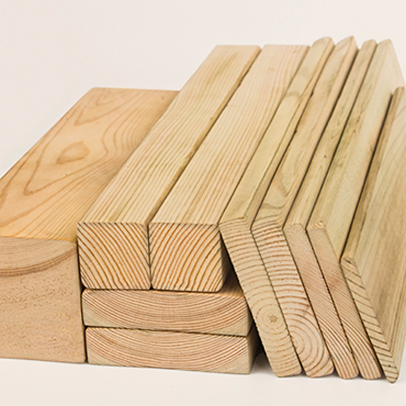
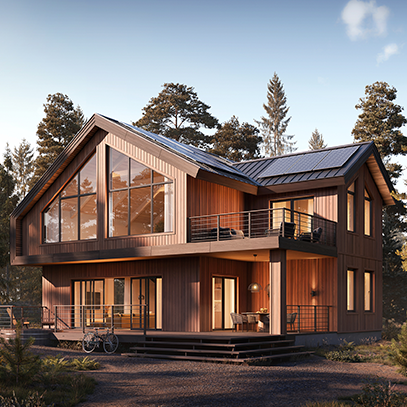
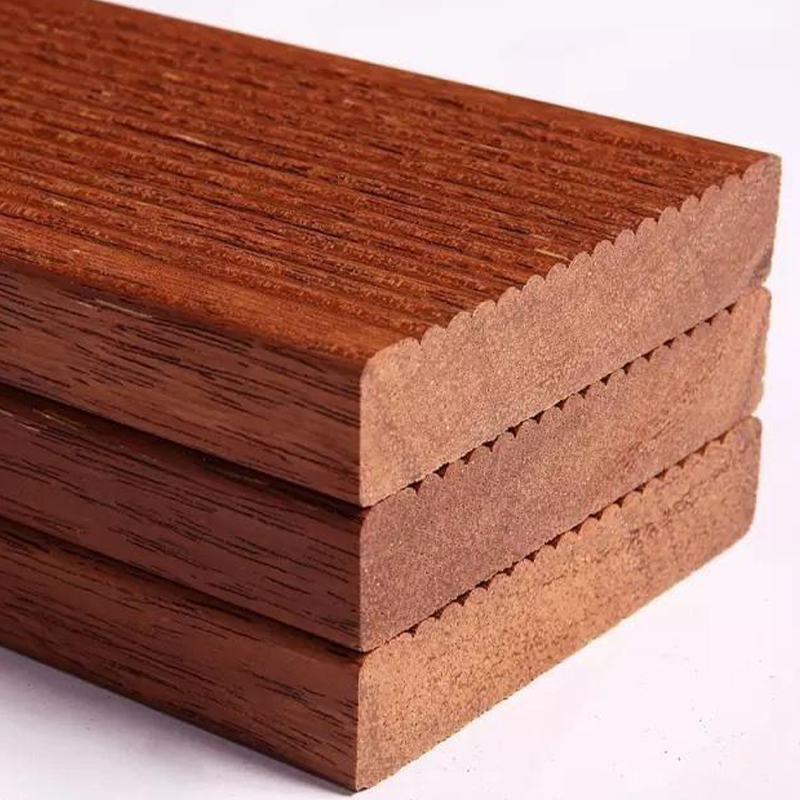
Wood terrace decking refers to the strategic and architectural use of high-quality timber boards to create stylish, highly functional outdoor flooring solutions tailored for patios, balconies, or expansive garden terraces. In the current era of Green Building and biophilic design—a concept that emphasizes the innate human connection to nature—premium Terrace Decking has emerged as a premier choice for visionary architects and discerning homeowners alike. It offers a sophisticated, carbon-neutral alternative to traditional, energy-intensive construction materials like concrete, steel, or vinyl.
The Natural Advantage: Beyond Aesthetics
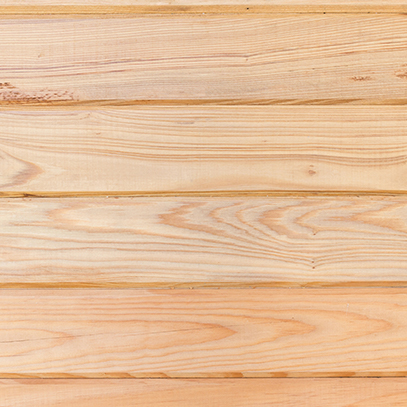
Unlike cold, industrial stone or heat-absorbing artificial composites, natural Wood terrace decking offers a unique, comforting warmth underfoot. This thermal property is a result of wood's low thermal conductivity, meaning it remains comfortable to walk on even under direct mid-day sunlight, whereas synthetic materials often become scaldingly hot. Beyond the physical sensation, timber provides a direct biological and visual connection to the surrounding landscape, softening the harsh lines of modern architecture and creating a seamless transition between the indoor and outdoor environment.
As a renewable resource, wood acts as a natural carbon sink, sequestering carbon dioxide absorbed during the tree's growth and aligning perfectly with global sustainable development goals. For an outdoor space to successfully transition from a mere functional area into a sophisticated cozy retreat, the selected timber must provide a dual promise: uncompromising structural integrity to withstand years of foot traffic and profound sensory comfort that invites relaxation.
Engineering Excellence: The Manufacturer's Role in Quality Control
Not all wood boards are created equal. The leap from raw timber to high-performance flooring relies on advanced, precision-driven manufacturing processes such as those utilized by leading Terrace Decking Manufacturers. The durability of a deck is largely determined before it even reaches the job site—during the kiln-drying, grading, and treatment phases.
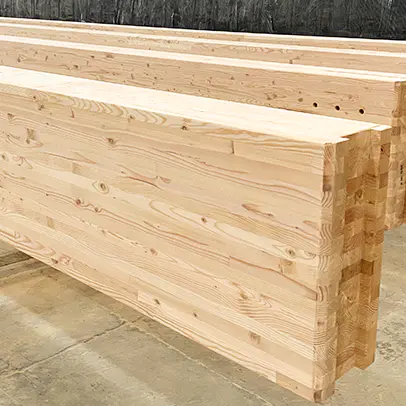
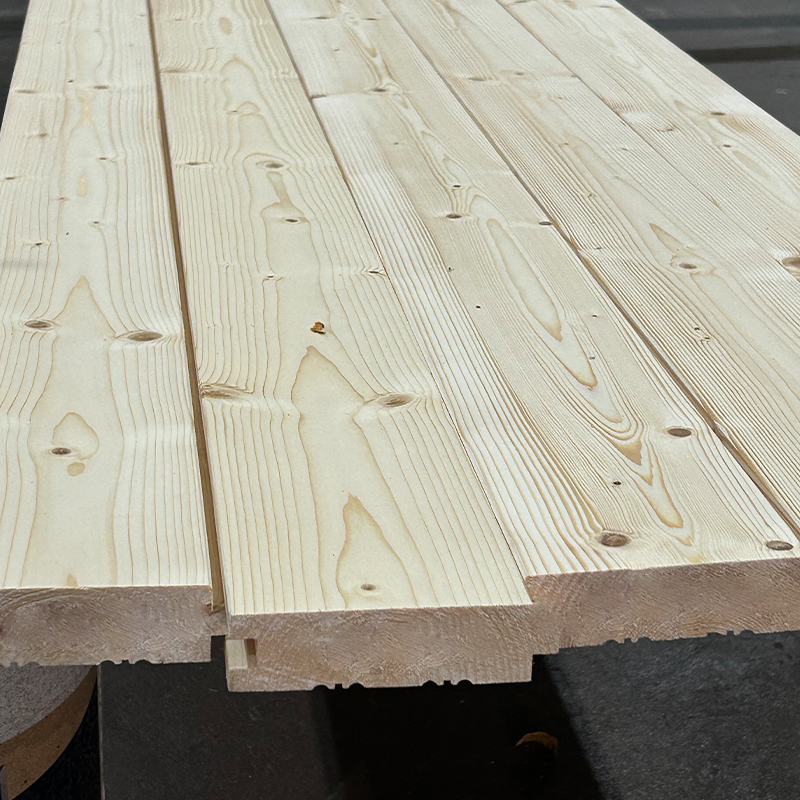
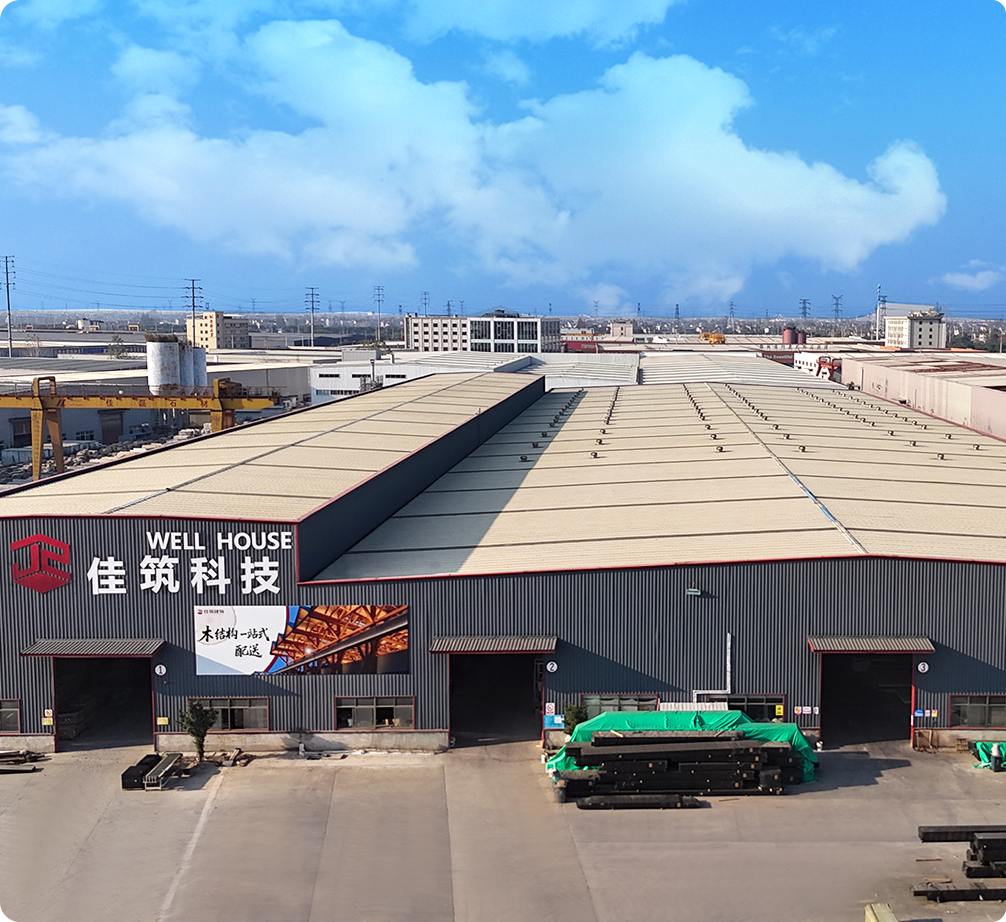
By leveraging a highly mechanized and standardized production environment, top-tier China Terrace Decking Suppliers like Nantong Wellhouse Architectural Technology Co., Ltd. can ensure that every board—whether it's solid wood or specialized glued laminated timber—meets strict industrial tolerances for moisture content and dimensional stability. This industrial precision significantly reduces the risk of post-installation warping, cupping, or splitting. In modern factories, computer-controlled sensors detect internal defects and knots that might compromise the board's structural rating, ensuring only the most resilient fibers are used for high-load applications.
What are the Technical Essentials for a Durable Decking Installation?
A beautiful Terrace Decking project is only as good as the engineering hidden beneath its surface. Achieving a flawless, long-lasting installation is a precise science that requires a delicate balance between rigid structural support and the inevitable natural movement of organic wood fibers. In the world of timber construction, we do not fight the wood's movement; we design to accommodate it through smart engineering and spacing.
The Substructure: The Invisible Foundation
The foundation of any high-end Terrace Decking system is its engineered substructure. Utilizing high-performance treated wood or heavy-duty metal joists is a non-negotiable requirement for ensuring long-term structural stability and load-bearing capacity. The joist spacing must be calculated based on the thickness and species of the decking boards to prevent bounciness or sagging over time. Furthermore, the substructure must be perfectly level and slightly pitched—usually one to two percent—to facilitate water runoff away from the building’s foundation.
The Critical Factor: Advanced Ventilation and Moisture Management
The most critical factor for the deck's survival is often invisible to the naked eye: Ventilation. In a terrace environment, moisture is the primary enemy. Without a continuous flow of air underneath and around the boards, humidity becomes trapped, creating a sauna effect that leads to rapid decay, fungal growth, and structural compromise.
|
Installation Factor
|
Specification
|
Purpose & Technical Detail
|
|
Decking Board Spacing
|
5–8 mm Gap
|
Allows for efficient water drainage and accommodates the natural radial expansion and contraction of wood cells.
|
|
Wall Clearance
|
15–20 mm Gap
|
Prevents localized waterlogging at the building's edge and ensures vital cross-ventilation chimney effect at the perimeter.
|
|
Substructure System
|
Treated Joists
|
Provides a rot-resistant, level base that anchors the walkable surface securely against wind-lift and shifting.
|
|
End-Edge Protection
|
Wax or Sealant
|
Seals the porous end-grain where water absorption is highest, preventing end-checking or deep longitudinal cracking.
|
|
Joist Flashing
|
Waterproof Tape
|
Protects the top of the wooden joists from sitting water that can seep through screw holes and cause rot.
|
Integrated Service Advantages: From Design to Construction
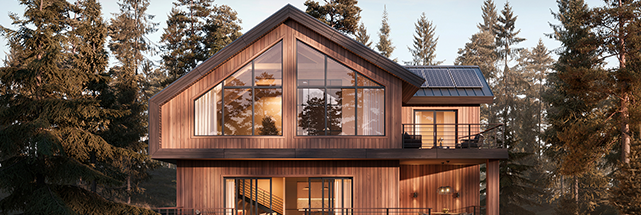
Leading Terrace Decking Manufacturers provide more than just raw materials; they offer full-cycle integrated services that redefine project efficiency and risk management. This comprehensive approach includes specialized architectural design, structural load calculations, and professional technical coordination. This ensures that the Terrace Decking system is perfectly compatible with the overall timber structure—be it a boutique private villa, a high-altitude mountain resort, or a complex, large-scale public venue like a timber bridge or amphitheater.
With a substantial monthly production capacity of 2,000 cubic meters, professional China Terrace Decking Suppliers can provide consistent, high-volume batches. This scale is essential for achieving the color harmony and grain texture uniformity required across expansive luxury projects, where variations between batches would otherwise be visually distracting.
How Can You Preserve the Beauty and Safety of Your Terrace Decking?
Wood is an inherently living, breathing material that constantly interacts with its atmospheric environment, expanding and contracting in response to humidity and temperature fluctuations. This organic dynamism means that a Wood terrace decking project is not a static installation, but an evolving part of your home's ecosystem.
To transform a simple decking project into a lasting, multi-generational retreat that maintains its structural grace and aesthetic depth, a proactive, disciplined, and scientifically-informed maintenance cycle is absolutely essential. Ignoring these biological requirements can lead to premature aging, surface graying, and fiber degradation.
The Science of Wood Aging and UV Protection
When wood is exposed to the elements, two main processes occur: UV degradation and moisture cycling. UV rays break down the lignin that holds wood fibers together, leading to a silver-gray weathered look. While some appreciate this aesthetic, it often precedes surface checking. Moisture cycling—the constant wetting and drying of the wood—causes the wood to move, which can eventually loosen fasteners if the maintenance is neglected.
Detailed Seasonal Care and Maintenance Protocol
Debris Management and Hygiene:
Regular cleaning serves as the critical first line of defense. Systematically removing fallen leaves, pine needles, and dirt from your Terrace Decking prevents the accumulation of damp organic matter. If left unchecked, this debris creates a micro-environment that fosters the growth of mold and wood-destroying fungi. Use a broom or a leaf blower weekly, and perform a deep wash with a specialized wood cleaner once or twice a year to remove embedded grime.
Comprehensive Annual Preservation:
To effectively resist moisture ingress and preserve the rich natural color of your Terrace Decking, a dedicated annual sealing or oiling treatment is highly recommended. High-quality glulam and solid wood products benefit significantly from premium, deep-penetrating oils rather than just forming a superficial plastic film. These oils saturate the wood fibers, making them hydrophobic while still allowing the wood to breathe and release internal vapors.
Proactive Structural Inspection:
Following major seasonal shifts, such as after a harsh winter or a monsoon season, it is vital to conduct a thorough inspection of the Terrace Decking boards. Look for:
Comprehensive Fastener Audit: Carefully inspect all visible screws and hidden fasteners to ensure they remain flush with the board surface. Persistent wood movement caused by expansion and contraction can cause screws to pop or pull through the grain. Protruding hardware not only compromises the board's secure attachment to the joists but also creates a significant puncture hazard for bare feet.
Detailed Surface Integrity Assessment: Check the face of each board for the emergence of checking or minor hairline surface cracks. These are natural responses to UV exposure and moisture fluctuations. Applying a localized treatment of high-penetration oil during the early stages of checking can saturate the wood fibers and stop these fissures from deepening into structural splits.
Structural and Drainage Alignment: Verify that the expansion gaps between boards are still clear of organic debris, sand, or pine needles. Maintaining these 5–8 mm gaps is essential for ensuring that surface water drains away quickly and that the vital airflow continues to ventilate the substructure, preventing the rot-inducing stagnation of humid air.
Active Safety Hazard Detection: Systematically scan the entire deck for the development of splinters, silvering fibers that have become brittle, or boards that have become slightly loose or springy. Address these issues immediately by sanding down rough spots or reinforcing fasteners to prevent trips, falls, or skin punctures, ensuring the retreat remains a safe environment for all users.
The Sustainability Factor and Future-Proofing
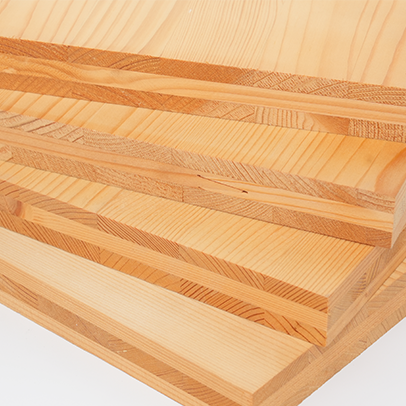
By choosing Terrace Decking produced under rigorous green building concepts, you are investing in a product meticulously designed for longevity and environmental harmony. Modern timber engineering, specifically the use of Cross-Laminated Timber and Glulam in outdoor applications, has revolutionized the scale at which wood can be used.
Professional Terrace Decking Manufacturers focus on the advanced research and development of timber structure products that are not only energy-efficient to produce but also exceptionally resilient in diverse and challenging climates—from humid coastal regions to dry, high-altitude plateaus. The use of mechanization ensures that every piece of wood is utilized with zero waste, as off-cuts are often repurposed into biomass energy or composite products.
When high-quality industrial production from reliable China Terrace Decking Suppliers meets diligent, informed maintenance by the owner, a wood terrace remains a functional, breathtaking piece of architectural art for decades. It stands as a testament to the enduring synergy between human engineering and the natural world.


 English
 한국어
한국어 Español