What Makes Pressure Treated Wood the Standard for Outdoor Durability?
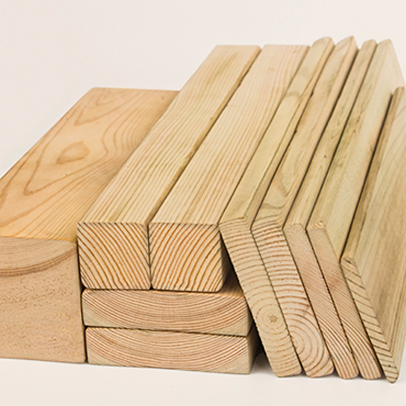
In the evolving landscape of architectural materials, Pressure Treated Wood stands as a testament to the synergy between natural resources and advanced chemical engineering. This specialized lumber is not merely wood; it is a fortified material that has undergone a sophisticated, high-pressure infusion process designed to fundamentally alter its biological resistance. Unlike standard timber, which is highly susceptible to the elements, Pressure Treated Wood is engineered to remain resilient against rot, wood-boring insects, and various forms of fungal decay. This makes it the indispensable foundation for modern outdoor infrastructure, from sprawling residential decks to complex agricultural fence systems.
The Science of High-Pressure Infusion: A Cellular Transformation
The transformation of raw lumber into a long-lasting outdoor asset occurs within a meticulously controlled environment. The process is far more than a surface treatment; it is a cellular-level protection strategy.
The Initial Vacuum Stage: The process begins by placing the lumber into a massive, airtight steel cylinder known as a retort. A powerful, industrial-grade vacuum is then applied to the chamber, which serves a critical dual purpose: it extracts residual air from the deep cellular cavities of the wood and draws out excess internal moisture. This stage is vital because air pockets act as barriers to chemical penetration. By effectively opening up the wood's internal vascular structure and creating a negative pressure environment, the wood is primed to act like a giant sponge, ensuring that the subsequent preservatives can reach deep into the heartwood rather than merely coating the easier-to-penetrate sapwood.
The High-Pressure Infusion Stage: Once the cells are successfully evacuated and the vacuum has been maintained for the required duration, the cylinder is flooded with a specialized chemical preservative solution. Common formulations utilized by top-tier Pressure Treated Wood Manufacturers include Copper Azole or Alkaline Copper Quaternary. Once the chamber is full, immense hydraulic pressure—often exceeding 150 pounds per square inch—is applied. This pressure forces the chemical solution deep into the microscopic fibers of the wood, saturating the cellular walls and ensuring an even distribution of the biocides throughout the entire cross-section of the timber, a feat impossible with simple dipping or brushing methods.
Long-Term Cellular Protection: This intense hydraulic pressure ensures that the protective agents do not just reside in the pores but become a permanent, chemically bonded part of the wood's composition. By anchoring copper and other high-performance fungicides within the cellular walls, the timber gains a robust, internal defense mechanism. This fortified structure allows the wood to withstand the harshest environmental challenges, including direct and constant soil contact, standing water in high-moisture zones, and relentless UV exposure, for several decades without losing its structural integrity or succumb to microbial breakdown.
Manufacturing Excellence and The Role of Intelligent Production
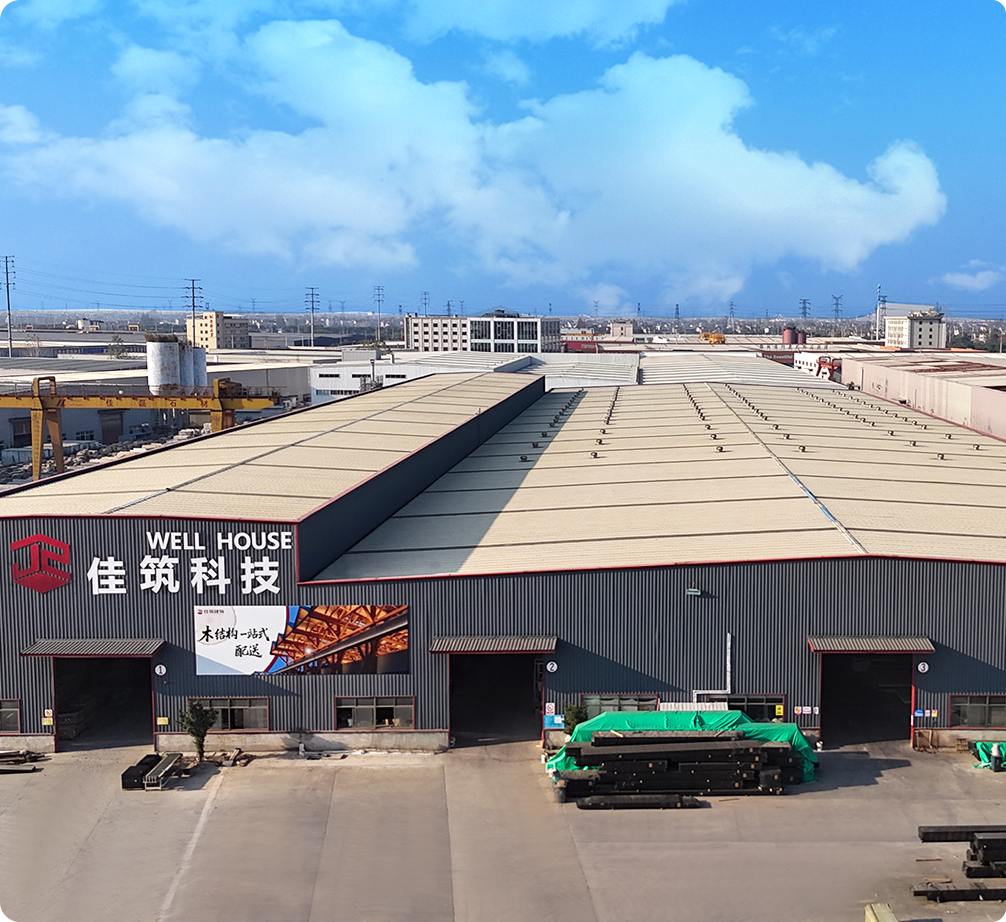
The effectiveness of this treatment is highly dependent on the precision and consistency of the manufacturing environment. Leading Pressure Treated Wood Manufacturers leverage highly mechanized and standardized factories to eliminate the human error often found in smaller-scale operations. For instance, Nantong Wellhouse Architectural Technology Co., Ltd. utilizes an intelligent production system where every batch's moisture content, chemical concentration, and pressure duration are monitored in real-time.
By maintaining a sophisticated and efficient production environment, professional China Pressure Treated Wood Suppliers can guarantee that every cubic meter of wood meets international safety and durability standards. This level of standardization is crucial for modern timber construction, where structural reliability is as important as environmental resistance.
Where is Pressure Treated Wood Most Effectively Applied in Construction?
The versatility of Pressure Treated Wood allows it to bridge the gap between heavy-duty structural engineering and aesthetic architectural design. Because of its enhanced longevity and cost-effectiveness, it has become the standard material for projects where wood meets the earth or is exposed to variable weather conditions.
Strategic Application Breakdown
To understand the full utility of this material, it is helpful to examine its performance across different construction categories:
|
Application Category
|
Specific Functional Uses
|
Technical Performance Requirements
|
|
Outdoor Living & Leisure
|
High-end decking, multi-level patios, pergolas, and gazebos.
|
Requires high resistance to foot-traffic abrasion and the ability to maintain aesthetic grain integrity under UV stress.
|
|
Boundary & Security
|
Heavy-duty fence posts, agricultural rails, and privacy gates.
|
Demands maximum resistance to ground-source rot, subterranean termites, and moisture-wicking at the post base.
|
|
Landscaping & Earth Retention
|
Retaining walls, raised garden beds, and terraced walkways.
|
Must maintain chemical stability to prevent leaching while resisting constant contact with damp soil and organic matter.
|
|
Public Infrastructure
|
Timber bridges, boardwalks, pier pilings, and playground equipment.
|
Requires exceptional load-bearing capacity and safety-compliant, splinter-resistant finishes for public use.
|
The Competitive Advantage of Integrated Production and Supply
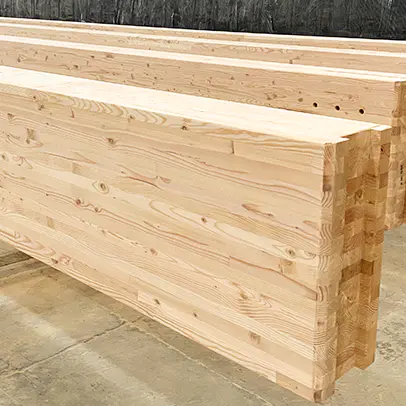
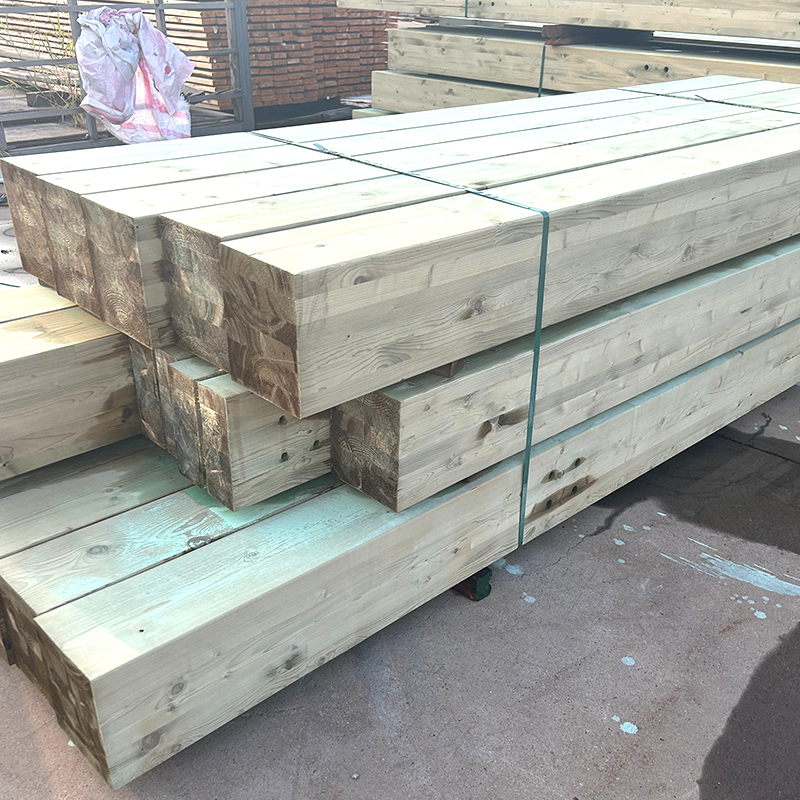
When sourcing from established China Pressure Treated Wood Suppliers, the primary advantage for architects and contractors lies in the scale and integration of services. A manufacturer with a significant monthly capacity—reaching up to 2,000 cubic meters—can offer a diverse portfolio that extends beyond standard boards. This includes specialized products like glued laminated timber (glulam) and Cross-Laminated Timber that have been pressure-treated for specific outdoor structural roles.
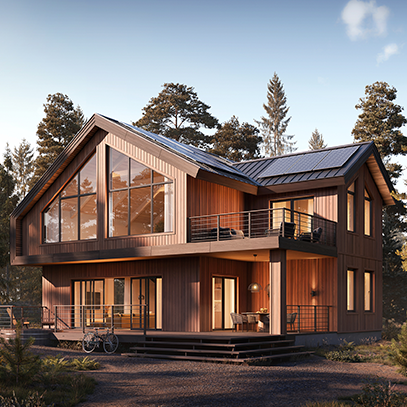
This "full-cycle" approach offered by top-tier Pressure Treated Wood Manufacturers allows for a cohesive architectural vision. When the technical coordination, design, and manufacturing happen under one roof, the resulting timber structures—whether they are luxury villas or massive public timber bridges—benefit from a higher degree of precision and a significantly longer life expectancy.
Advanced Maintenance and Installation: Ensuring Multi-Generational Longevity
While Pressure Treated Wood is designed for durability, its ultimate lifespan is significantly influenced by how it is handled during installation and how it is cared for in the years that follow. Understanding the material's behavior as a "living" organic product is key to successful long-term management.
Professional Installation Protocols
The installation phase is where the long-term success of a project is decided. Professional contractors follow a set of rigorous standards when working with treated lumber:
Critical Sealing of Cut Ends: When Pressure Treated Wood is cut, drilled, or notched on-site, the untreated internal fibers are suddenly exposed to the elements. These cross-sections act like straws, wicking moisture deep into the board's core where the pressure treatment may not have fully penetrated. It is mandatory to apply a high-quality, copper-based end-cut sealer or a specialized brush-on preservative to every single field cut. This extra layer of defense maintains the integrity of the chemical barrier and prevents localized rot from starting at the joints.
Advanced Fastener and Hardware Selection: The metallic salts used in the pressure treatment process, particularly copper-based formulations, can be highly corrosive to standard carbon steel. Utilizing the wrong fasteners will lead to rapid oxidation, resulting in unsightly "rust bleeding" stains and, eventually, catastrophic structural failure as the screws or nails degrade. It is essential to use only high-performance hardware, such as hot-dipped galvanized steel (meeting ASTM A153 standards) or, for coastal and high-moisture environments, 304 or 316-grade stainless steel fasteners.
Strategic Site Acclimatization: Like all organic timber products, treated lumber arrives with a specific internal moisture content. Before being permanently fastened into a rigid structure, the wood needs sufficient time to acclimate to the local humidity and temperature levels of the job site. This stabilization period allows the wood cells to reach an equilibrium moisture content, significantly reducing the risk of post-installation defects such as excessive shrinking, crowning, or dramatic warping that can occur if the wood dries too quickly while pinned in place.
The Proactive Maintenance Cycle
To preserve the vibrant appearance and structural strength of a deck or fence, a disciplined maintenance schedule should be followed. Over time, UV rays can break down the surface fibers, leading to a graying effect. Periodic cleaning with specialized wood cleaners and the application of a UV-resistant oil or sealer can keep the wood looking new and prevent "checking" or small surface cracks. For projects supplied by high-capacity Pressure Treated Wood Manufacturers, maintaining this protective layer ensures that the underlying structural strength of the glulam or solid wood remains uncompromised for thirty years or more.
How Does Pressure Treated Wood Contribute to Sustainable Green Building?
In the 21st century, sustainability is no longer an optional feature of construction; it is a fundamental requirement. Pressure Treated Wood plays a vital role in the "Green Building" movement by offering a renewable, carbon-sequestering alternative to carbon-intensive materials like plastic-based composites or aluminum.
Longevity as a Core Sustainability Metric
The environmental footprint of any construction project is inversely proportional to its lifespan. By extending the service life of timber through high-pressure treatment, we effectively reduce the frequency of replacement. This conserves forest resources and ensures that the carbon captured by the trees during their growth remains sequestered within the structure for as long as possible.
Leading Pressure Treated Wood Manufacturers are increasingly aligning their R&D efforts with sustainable development concepts. This includes utilizing more environmentally friendly chemical formulations and optimizing production efficiency to minimize waste. When a factory operates under an intelligent and highly mechanized system, the energy required per cubic meter of finished product is significantly reduced, further enhancing the material's green credentials.
Technical Coordination and the Future of Timber Structures
The future of sustainable architecture lies in the intelligent integration of various timber products. For instance, the combination of Pressure Treated Wood for ground-contact foundations with glulam beams for upper structural frames allows for the creation of massive, multi-story timber buildings that are both durable and eco-friendly.
Professional China Pressure Treated Wood Suppliers who offer full-cycle integrated services—encompassing everything from architectural design and budget estimation to construction installation—provide a safeguard against material waste. By ensuring that every beam is technically coordinated and utilized to its full structural potential, companies like Nantong Wellhouse Architectural Technology Co., Ltd. are helping to define a new era of efficient, beautiful, and sustainable timber architecture.
Through the synergy of high-tech manufacturing, rigorous quality control, and a commitment to green building principles, Pressure Treated Wood continues to be the most reliable and environmentally responsible choice for protecting and beautifying our outdoor world.



 English
 한국어
한국어 Español