What is Garden Wood, and How Does it Differ from Ordinary Wood?
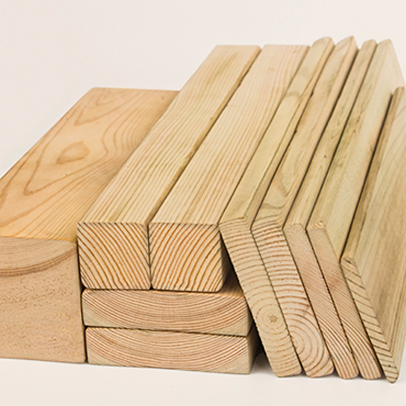
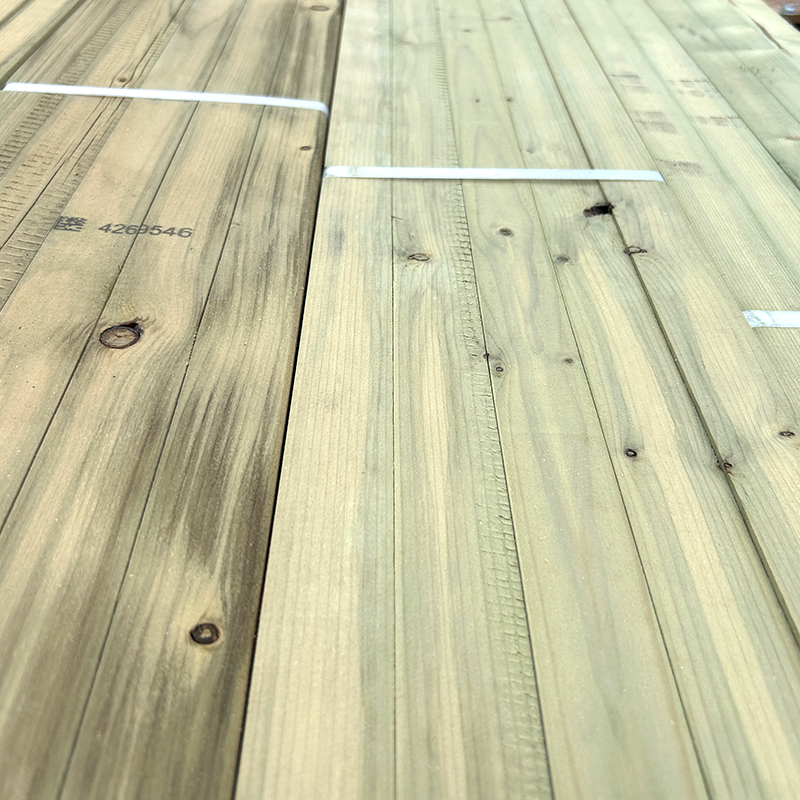
Garden wood is wood specifically designed for garden design and outdoor landscaping. Its biggest difference from ordinary wood lies in its design and processing techniques, particularly to cope with the specific challenges of outdoor environments (such as moisture, sunlight, wind, and rain). Garden wood typically needs to possess higher durability, corrosion resistance, and stability than ordinary wood.
Characteristics of Garden Wood
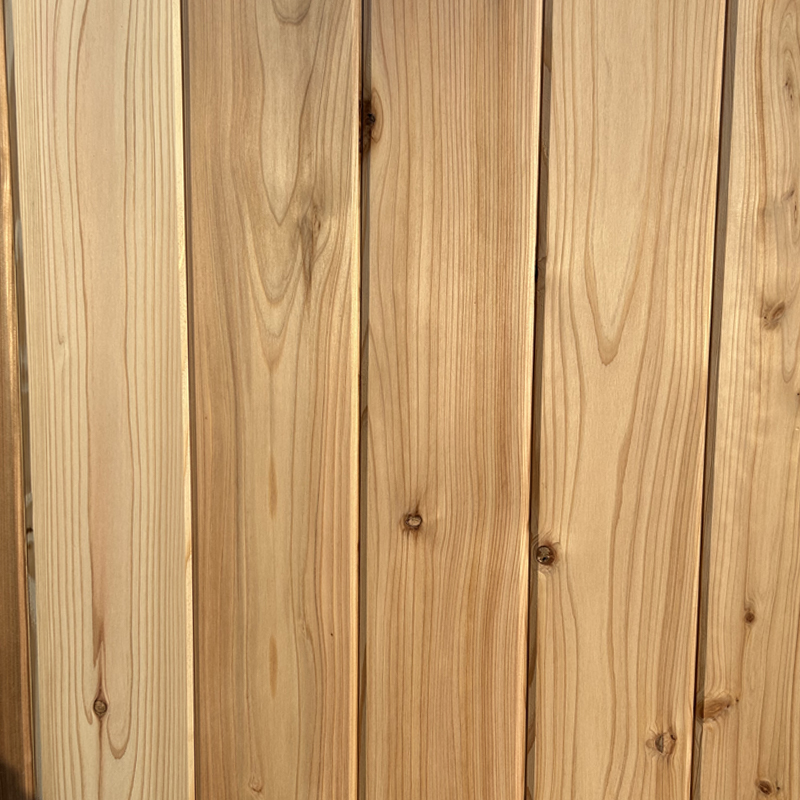
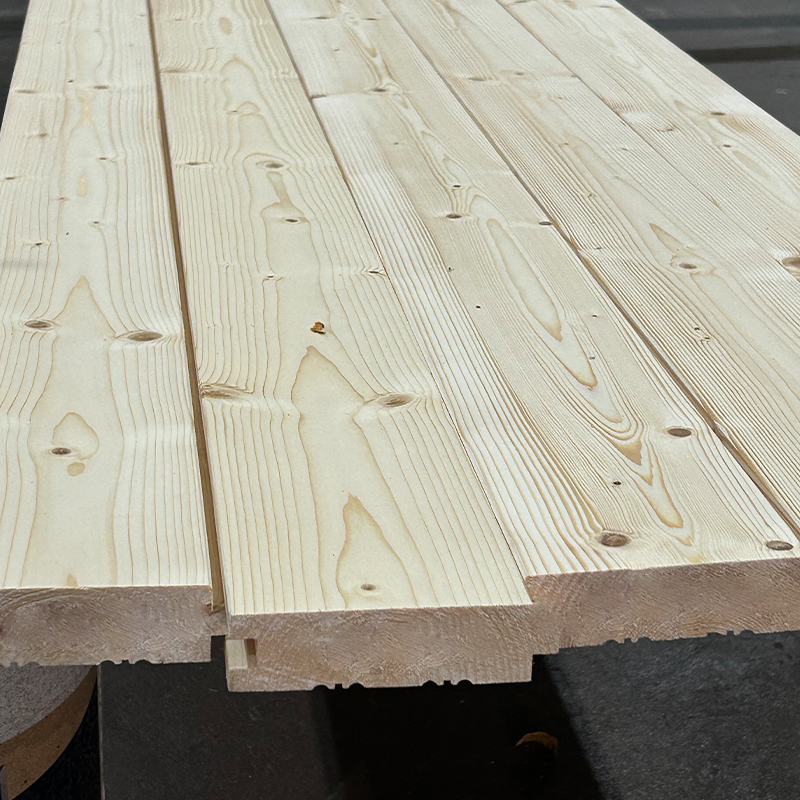
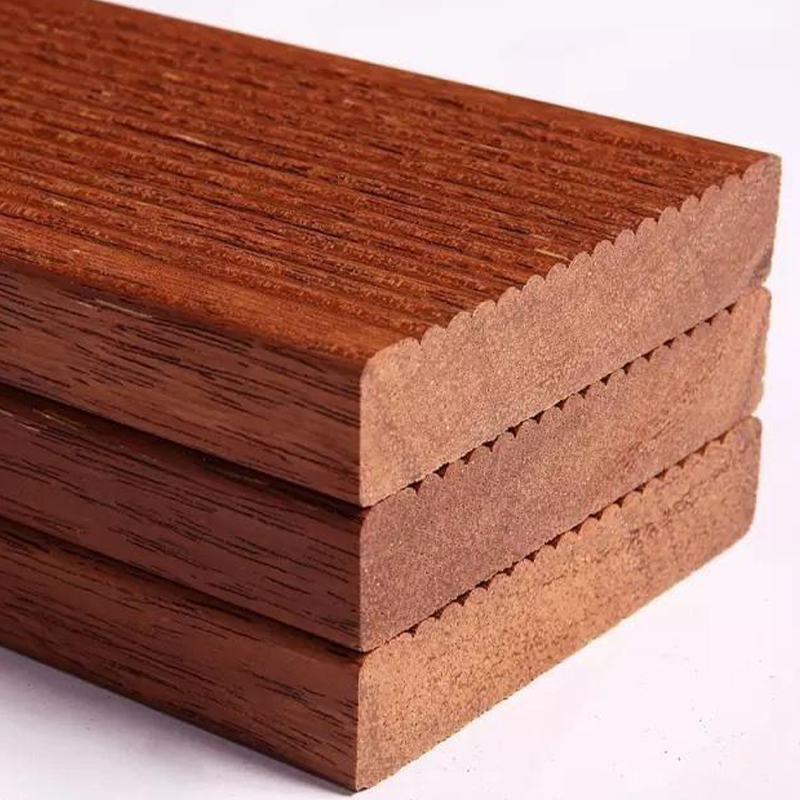
The first characteristic that distinguishes garden wood from ordinary wood is its weather resistance. Garden wood is usually made from wood species with naturally occurring preservative properties, such as cypress, mahogany, hemlock, and pine. These woods naturally possess strong resistance to corrosion and insect infestation, making them more suitable for outdoor environments. Through special treatment processes (such as pressure treatment, preservative oil impregnation, and heat treatment), garden wood gains enhanced water resistance and UV protection on both its surface and interior, preventing discoloration, rot, or cracking when exposed to the external environment.
In contrast, common wood is primarily used in indoor spaces, typically without preservative treatment, and its physical properties are relatively basic. This type of wood is suitable for structures not directly exposed to moisture or extreme climates, such as furniture, door and window frames, and stairs.
Differences between Garden Wood and Common Wood
- Preservative Resistance: Garden wood is usually treated with preservatives to resist rain, moisture, and insect infestation, reducing the risk of rot and deterioration. Common wood, if used outdoors, is more susceptible to these factors, leading to a shorter lifespan.
- Weather Resistance: Due to long-term exposure to sunlight, wind, and rain, garden wood requires stronger UV resistance to prevent fading and deterioration. Common wood generally does not face this requirement and is typically used indoors to avoid direct UV exposure.
- Stability: After special treatment, garden wood is less susceptible to expansion or contraction due to moisture and temperature changes, thus exhibiting better stability. Ordinary wood is prone to warping under fluctuating humidity and temperature conditions, affecting its performance.
Suitable Scenarios for Garden Wood
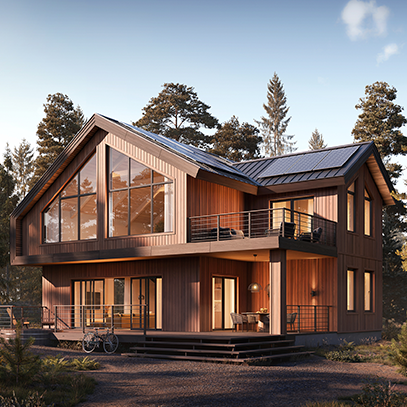
Garden wood is primarily used in outdoor landscaping projects, such as garden fences, boardwalks, garden ornaments, flower boxes, and garden benches. It blends well into the natural environment, providing both aesthetics and practicality for courtyards, gardens, and terraces. In these designs, garden wood not only meets structural and functional requirements but also adds natural beauty and warmth to the space. Ordinary wood, on the other hand, is mostly used for indoor furniture, building frames, and wood flooring, and is not suitable for long-term exposure to outdoor environments.
How Does Garden Wood Resist Weather Changes and Corrosion?
Garden wood used in outdoor environments faces various climate changes and corrosive factors. How to protect the wood from these adverse factors is a crucial issue that must be considered in the design and processing of garden wood. Garden wood enhances its corrosion resistance and weather resistance through material selection, processing, and surface treatment.
Choosing the Right Wood Species
The corrosion resistance of garden wood is closely related to the type of wood itself. Different types of wood naturally possess different corrosion resistance and weather resistance. For example:
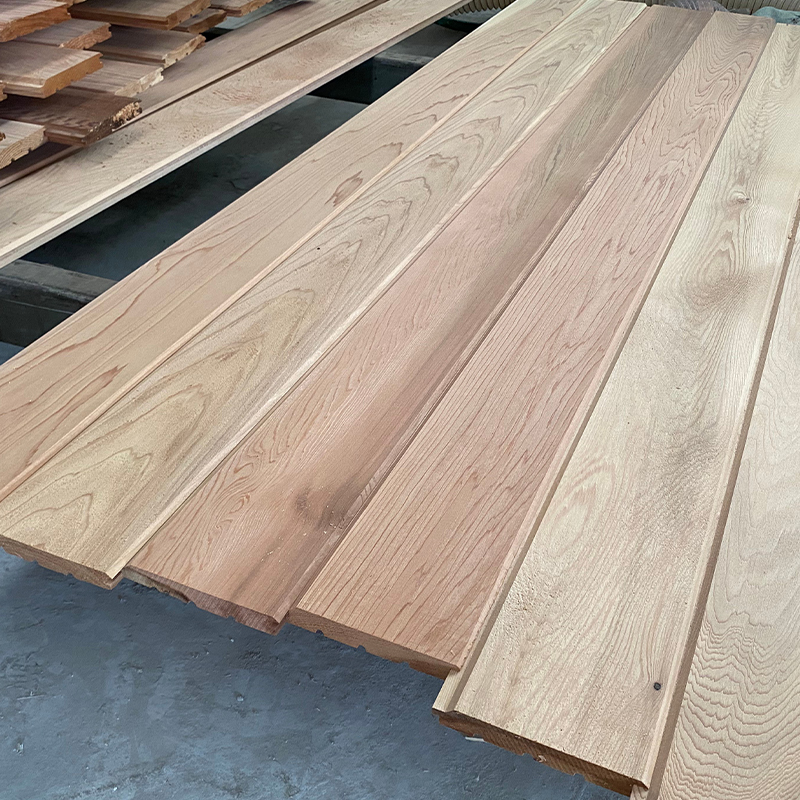
- Redwood: Redwood has a high density and natural oils, effectively resisting moisture penetration and fungal invasion, making it suitable for humid environments or environments with large temperature differences.
- Cypress: Cypress contains natural preservatives, effectively preventing the wood from rotting in rainy environments, making it suitable for garden fences and outdoor furniture.
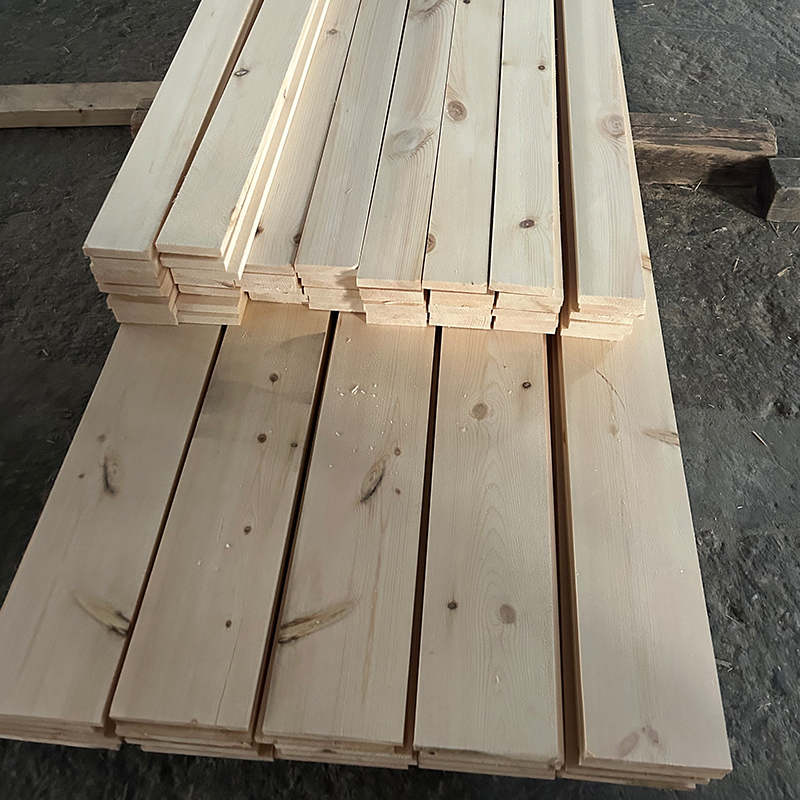
- Pine: Although pine is relatively common, it requires preservative treatment for long-term outdoor use. While its water and corrosion resistance is relatively weak, pressure treatment can enhance its durability.
These types of wood have strong natural preservative properties, reducing their susceptibility to climatic influences. When selecting garden wood, it is essential to choose species that can withstand external conditions such as moisture, temperature fluctuations, and ultraviolet radiation.
Preservative Treatment Technology
To enhance the wood's preservative resistance, garden wood typically undergoes a series of special treatments:
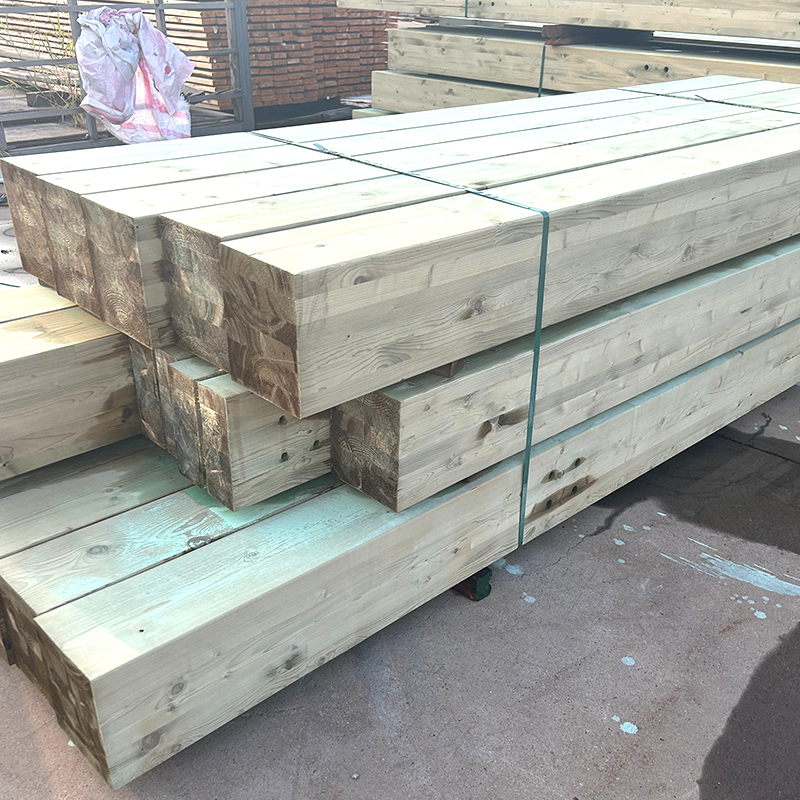
- Pressure Preservative Treatment: By placing the wood in a sealed pressure chamber, preservatives are injected into the wood's interior, allowing for deep absorption. This significantly improves the wood's corrosion resistance and water resistance.
- Heat Treatment: Heat treatment involves treating the wood at high temperatures, forming a stable protective film on its surface. This reduces the wood's absorption of moisture and makes it more resistant to ultraviolet radiation and microbial attack.
- Surface Coating Treatment: Applying waterproof and UV-resistant coatings effectively reduces direct exposure of the wood surface to rain and sunlight, preventing rot and fading.
Structural Stability of Wood
The structural design of garden wood must ensure its stability to withstand the stresses of climate change. For example, wood absorbs moisture and expands in humid environments, while shrinking in dry environments; this change can lead to cracking or warping. Therefore, garden wood design should consider the wood's "breathing space" to prevent excessive expansion or contraction. Sufficient gaps should be left between timbers during installation to ensure adequate room for expansion and contraction.
Preservative Oil and Regular Maintenance
To maintain the longevity of garden wood, regular application of preservative oil and a protective coating is essential. Preservative oil not only enhances the wood's water resistance but also provides an extra protective layer against UV rays and humid environments. Furthermore, regularly inspecting the surface condition of the wood and promptly repairing and reapplying it can extend its lifespan.
How to Prevent Cracking and Warping in Garden Wood?
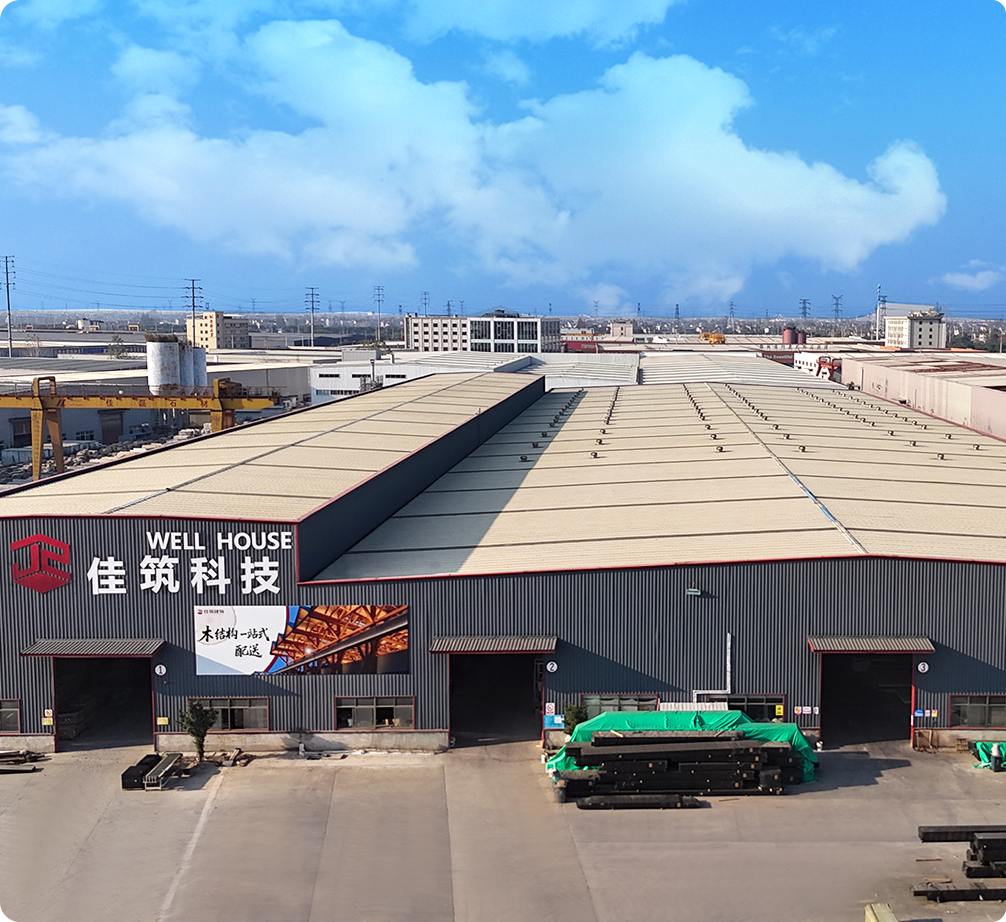
Garden wood, when used outdoors, is exposed to constantly changing climatic conditions, making it prone to cracking and warping. This is especially critical for projects that use wood as a structural and decorative material for extended periods. To address this issue, Nantong Wellhouse Architectural Technology Co., Ltd. employs several advanced measures in the production and application of its garden wood to ensure superior stability and durability.
Selecting Suitable Garden Wood Species and Raw Materials
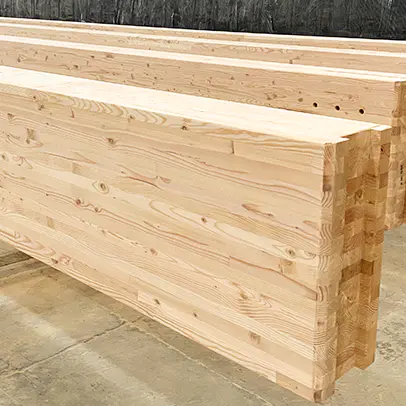
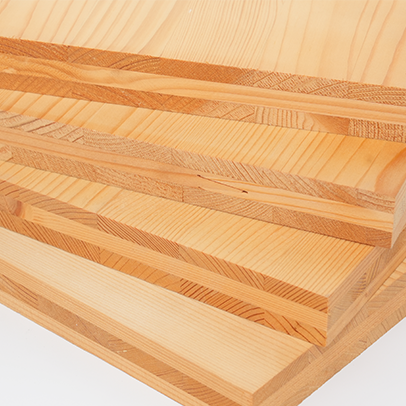
Nantong Wellhouse Architectural Technology Co., Ltd., a company specializing in wood structural products such as glulam and cross-laminated timber (CLT), has a very rigorous selection process for its garden wood. To prevent cracking and warping, the first step is to select wood species with natural stability and resistance to cracking and warping. In particular, species such as mahogany, cypress, oak, and some hardwoods exhibit better resistance to temperature and humidity changes due to their natural density and strength. Furthermore, the use of precision-processed wood products such as glulam and cross-laminated wood (CLT) not only enhances the structural strength of the wood but also effectively improves its stability. These woods undergo high-temperature, high-pressure processing during production, significantly reducing internal stress and thus lowering the risk of cracking and warping.
Refined Wood Treatment and Protection
To further enhance the crack and warping resistance of garden wood, Nantong Wellhouse Architectural Technology Co., Ltd.'s wood products undergo a series of anti-corrosion and waterproofing treatments. For example, pressure-based anti-corrosion technology and heat treatment processes form a strong protective film on the wood surface, reducing the penetration of external moisture and fundamentally improving the wood's moisture resistance.
For the surface of garden wood, the factory typically uses a UV-resistant coating and wood wax oil to protect the wood from sunlight and rain. These coatings not only prevent the wood from fading but also reduce the expansion and contraction caused by moisture absorption, effectively minimizing cracking and warping.
Reasonable Design and Installation
Nantong Wellhouse Architectural Technology Co., Ltd., when supplying timber for garden projects, not only focuses on the quality of the timber itself but also provides customized design solutions based on different usage scenarios. In the installation of garden wood, a reasonable design and installation method is crucial. For example, leaving sufficient expansion gaps between timbers allows the wood to expand or contract appropriately when affected by moisture or temperature changes, without causing structural deformation.
During the design phase, Nantong Wellhouse Architectural Technology Co., Ltd.'s professional team selects the most suitable timber species based on the project's characteristics and rationally designs its size, shape, and integration with other architectural elements, ensuring that the timber's use is unaffected by climate change. This design approach effectively prevents timber cracking and warping, maintaining long-term stability.
Regular Maintenance and Care
Even specially treated garden wood may experience wear, aging, or minor cracks due to prolonged exposure to the external environment over time. To minimize cracking and warping, Nantong Wellhouse Architectural Technology Co., Ltd. recommends regular maintenance and care. Regularly checking the surface condition of the wood and promptly applying preservative oil or coating can effectively extend its lifespan.
Furthermore, waterproofing measures and timely coating renewal are essential in garden wood maintenance. Applying a waterproof, UV-resistant coating annually can effectively mitigate cracking and warping caused by climate change.
Environmental and Sustainability Considerations
As a company committed to green building and sustainable development, Nantong Wellhouse Architectural Technology Co., Ltd. always places environmental protection and sustainability at the core of its product design and production. All garden wood products not only meet quality and durability requirements but also originate from forest resources that comply with environmental standards. In this way, Nantong Wellhouse Architectural Technology Co., Ltd. not only ensures the long-term stability of its products, but also provides customers with a more environmentally friendly and green option, reducing resource waste and the burden on the ecological environment.


 English
 한국어
한국어 Español