Advanced Material Technology in Industrial CLT Panels
The selection of timber species for
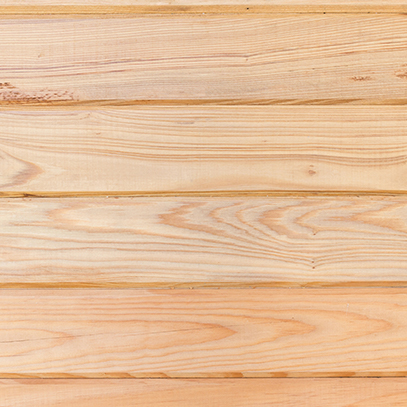
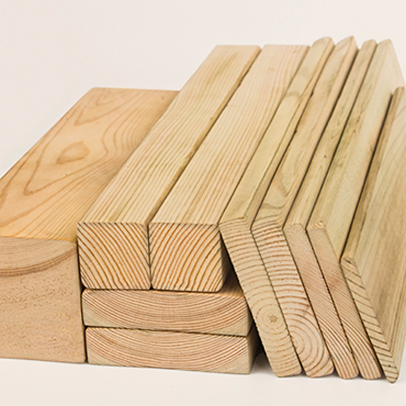
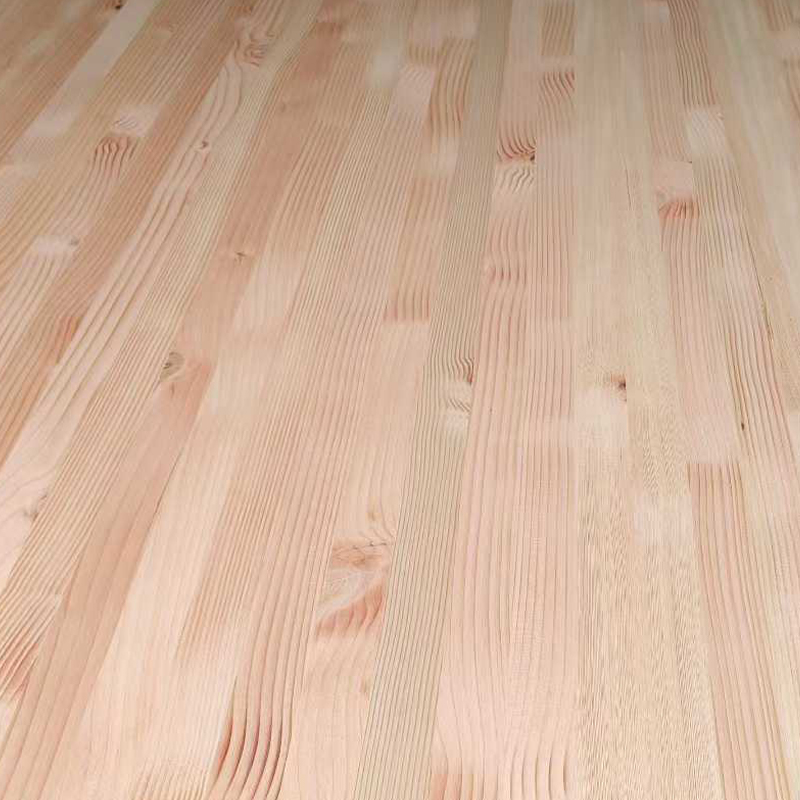
Industrial CLT Panels is one of the most critical stages in the manufacturing process. Timber is not simply chosen for aesthetic appeal but for its mechanical performance, sustainability, and suitability for cross-laminated technology. Softwood species like spruce, pine, and fir are generally preferred because they provide the optimal balance of weight, strength, and availability. These species are known for their straight grain, high elasticity, and durability, making them ideal candidates for the lamination process. The precision required in selecting timber ensures that each panel maintains a consistent performance level across multiple projects. In the production of Industrial CLT Panels, us, we, our team at Nantong Wellhouse Architectural Technology Co., Ltd. ensures that timber undergoes a comprehensive selection process to verify its structural integrity. This includes checking for grain consistency, absence of defects like knots, and verifying moisture content. Excessive moisture can compromise the adhesive bond and lead to deformation or weakening of the structure. Drying is a precise process, and to ensure that moisture content is controlled within a narrow range, us, we, our team relies on advanced kiln-drying technology. This also prevents issues such as shrinkage or swelling in the final product. Each timber board used in the production process is carefully inspected for defects and inconsistencies. By using state-of-the-art scanners, the quality control process can detect hidden defects, ensuring that only the highest-quality timber is selected for the production of Industrial CLT Panels. This meticulous attention to detail contributes to the panel’s long-term stability and resistance to environmental factors like humidity and temperature fluctuations.
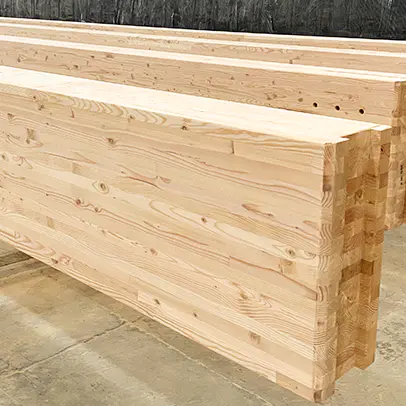
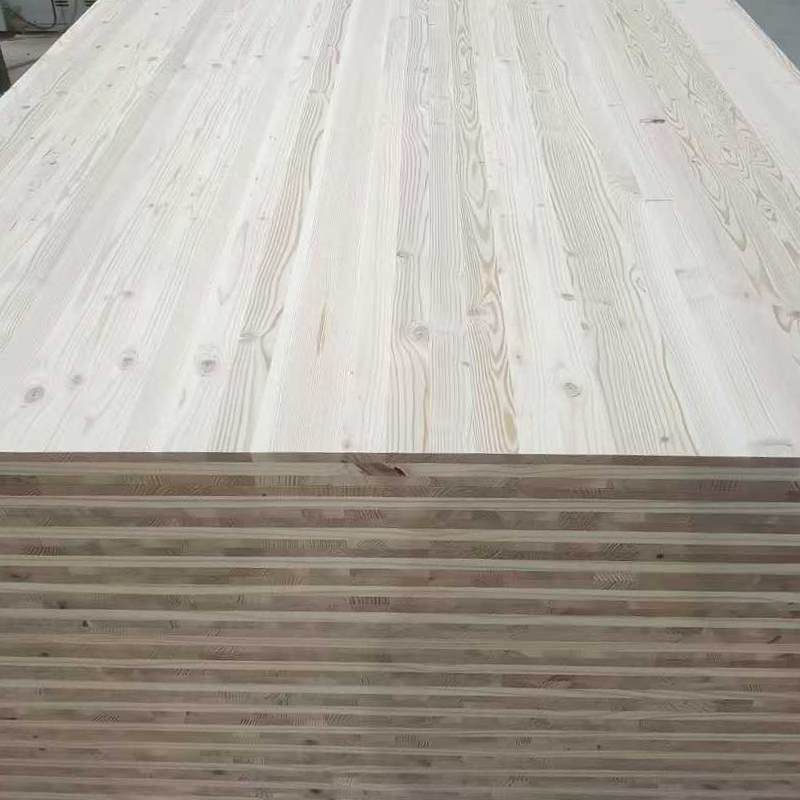
Glued laminated timber (glulam) forms the basis of many structural timber applications, and its integration into Industrial CLT Panels provides superior load-bearing capacity and dimensional stability. Glulam is created by bonding multiple layers of wood using strong adhesives under heat and pressure. This method enables the creation of large, solid timber elements without the natural limitations of a single piece of timber, such as defects or size restrictions. The resulting material is not only structurally stronger than solid wood but also more versatile in terms of design and use. Nantong Wellhouse Architectural Technology Co., Ltd. applies this glulam technology to manufacture Industrial CLT Panels that meet stringent strength and safety standards. Us, we, our glulam panels are produced with precise control over the adhesive bonding process, ensuring uniform distribution of glue across each layer of wood. This control guarantees that the glulam panels are as strong as possible and free of any weaknesses that might arise from uneven adhesive distribution. We employ advanced automated machinery to maintain the consistency of adhesive application, resulting in a finished product that performs reliably under varying environmental conditions. Our glulam panels are manufactured with a specific focus on long-term stability. When bonding the wood layers, us, we, our process also considers factors such as the potential for moisture absorption or environmental fluctuations that may cause the panels to expand or contract. To mitigate these risks, we utilize high-quality adhesives that are specifically designed to work with timber, offering superior durability and resilience.
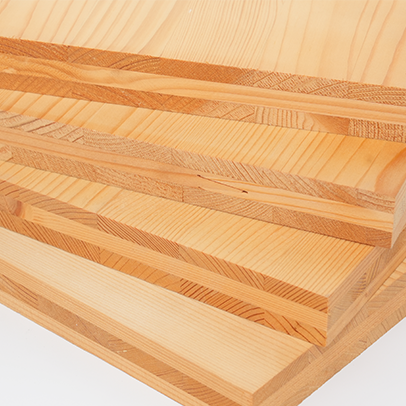
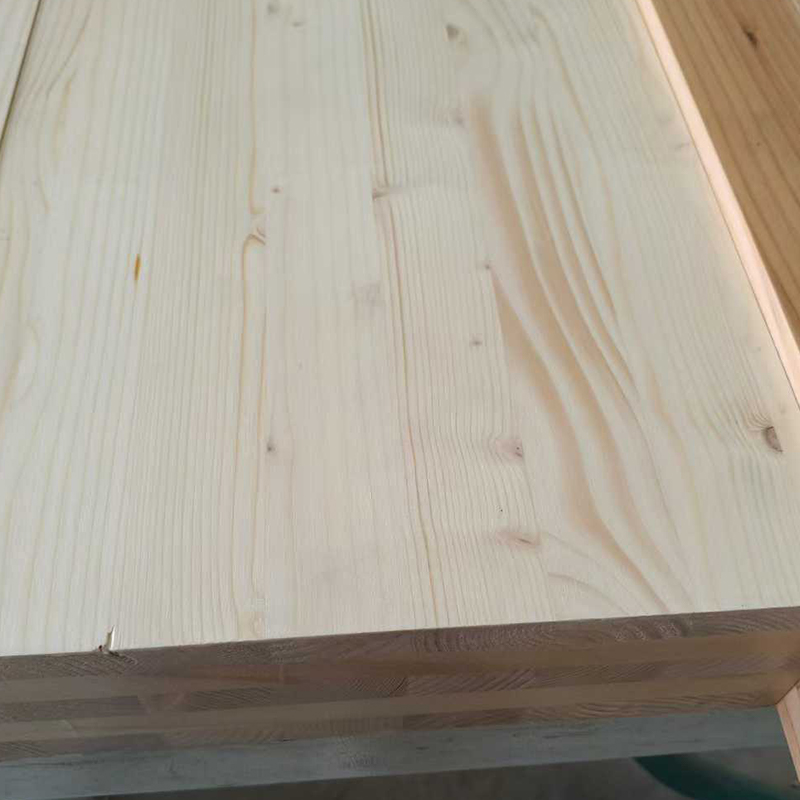
Cross-laminated timber (CLT) is one of the most significant advancements in modern timber construction. This technology involves arranging multiple layers of timber at right angles to each other and bonding them together using adhesives. The perpendicular arrangement of the layers distributes loads in multiple directions, providing exceptional stability and resistance to bending or warping. Each layer acts as a structural reinforcement for the layers below it, creating a panel that can support substantial weight and withstand forces that would typically cause deformation in traditional timber structures. Nantong Wellhouse Architectural Technology Co., Ltd. produces high-quality CLT panels with the utmost precision. Us, we, our process starts with selecting the finest raw timber, which is then precisely cut into uniform boards. The boards are stacked with alternating grain directions, bonded together with eco-friendly adhesives, and pressed under controlled conditions. The result is a strong, stable panel that can be used for load-bearing walls, floors, and roofs. The cross-lamination ensures that the panels are stable in both vertical and horizontal directions, which is especially useful in multi-story buildings. The manufacturing of Industrial CLT Panels is a sophisticated process that requires advanced machinery to cut and bond the panels to exact specifications. The panels are not only dimensionally precise but also optimized for strength and flexibility. Us, we, our company employs advanced CNC machines to achieve the highest possible level of precision, ensuring that each CLT panel conforms perfectly to its design specifications.
One of the key advantages of Industrial CLT Panels is their ability to be customized to meet the specific needs of a project. Panels can be manufactured in a range of thicknesses, lengths, and configurations to meet the architectural and structural demands of any building. This level of flexibility allows us to design modular solutions that can be easily assembled on-site, reducing construction time and minimizing waste. The customization of CLT panels begins with understanding the specific structural requirements of a project. Us, we, our team works closely with architects and engineers to design panels that meet the load-bearing capacity, insulation, and fire resistance standards required for the project. This includes creating customized profiles and shapes that fit into complex architectural designs. Modular construction using Industrial CLT Panels is a growing trend in the construction industry. Prefabricated panels are manufactured off-site, then transported to the construction site for rapid assembly. This approach reduces on-site labor requirements and speeds up the overall construction timeline. It also minimizes disruptions to the surrounding environment, as the construction process generates less waste and noise than traditional methods.
Surface treatments play a significant role in enhancing the durability and aesthetic appeal of Industrial CLT Panels. While the internal structure of the panels is engineered for strength and stability, the surface must be treated to provide protection against environmental factors such as moisture, UV light, and biological growth. Nantong Wellhouse Architectural Technology Co., Ltd. uses advanced surface treatments to improve the long-term performance of Industrial CLT Panels. Us, we, our team applies fire-retardant coatings that significantly reduce the combustibility of CLT panels, enhancing fire safety in timber structures. These coatings do not compromise the mechanical properties of the panels but instead create a protective barrier that slows down the spread of fire. In addition to fire protection, us, we, our surface treatments also include UV-resistant finishes that protect the wood from degradation caused by exposure to sunlight. UV light can cause timber to become discolored and brittle over time, so applying a UV-resistant finish ensures that the panels maintain their appearance and structural integrity for a longer period. We also utilize anti-fungal and anti-bacterial treatments to protect the wood from moisture-related issues, such as mold and mildew. This is especially important in climates with high humidity, where untreated timber may suffer from biological degradation. The surface treatments ensure that Industrial CLT Panels can withstand harsh conditions and continue to perform at a high level throughout the life of the structure.



 English
 한국어
한국어 Español