Key Advantages of Architectural CLT Panels in Modern Architecture
One of the primary reasons for the growing popularity of
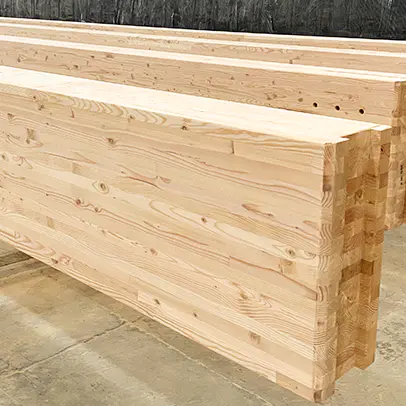
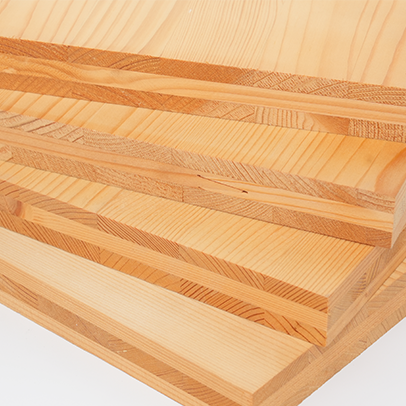
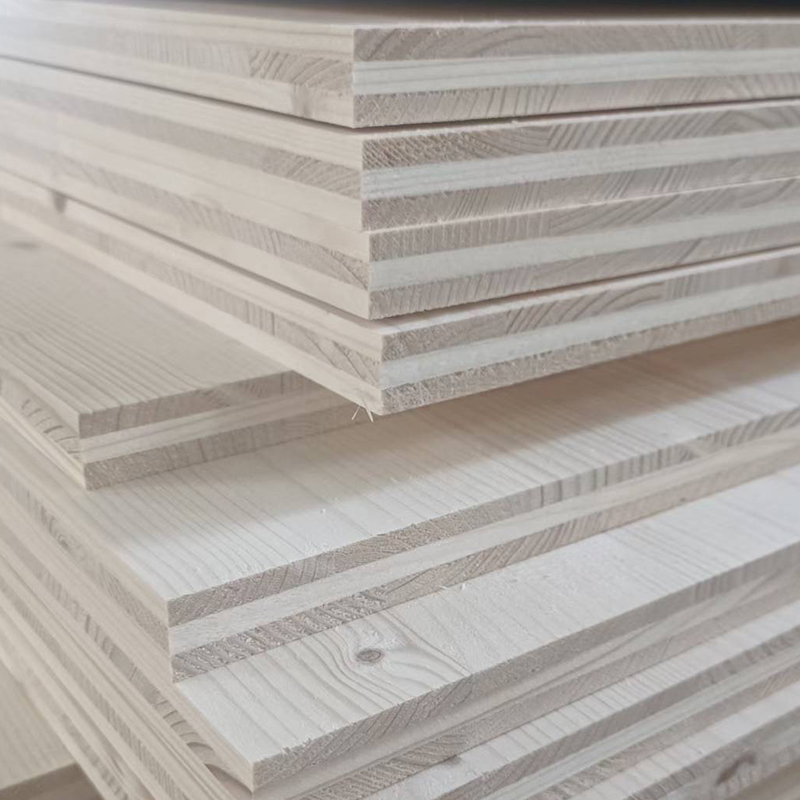
Architectural CLT Panels is their impressive strength and durability. Made by bonding multiple layers of timber at right angles to each other, the resulting panels provide superior strength compared to solid timber. This layered construction technique gives CLT panels a level of stability and resistance to warping, shrinking, and swelling, which are common issues with solid wood. The strength-to-weight ratio of CLT is another key advantage. Because CLT panels are relatively lightweight, it is easier to handle and transport them, which can reduce labor costs and overall construction time. Despite their lightweight nature, these panels can bear significant loads, making them suitable for multi-story buildings and even high-rise construction. The panels can be used for walls, floors, and roofs, providing a highly reliable and stable structural element in various types of buildings. As we incorporate Architectural CLT Panels into our designs, we are effectively using a material that performs at the same level—if not better—than traditional building materials such as concrete or steel, but with added sustainability benefits. This structural performance makes them ideal for both residential and commercial buildings, particularly in locations that require material strength capable of withstanding harsh weather conditions or seismic activity.
Architectural CLT Panels stand out for their sustainability benefits, making them an ideal choice for green building projects. Unlike concrete or steel, which are energy-intensive to produce and have high carbon footprints, CLT is made from renewable resources—timber. Timber, when sourced sustainably, can be a highly eco-friendly material, as it absorbs carbon dioxide from the atmosphere as it grows, storing it in the wood fibers even after the trees are harvested and processed. By using Architectural CLT Panels in construction, we are contributing to carbon sequestration, helping to mitigate climate change. The production process for CLT panels also generates far fewer carbon emissions compared to the production of traditional building materials. This reduction in environmental impact is a direct result of the use of wood, which is a naturally renewable resource. As CLT is manufactured through a highly controlled and efficient process, there is minimal waste generated during production, making the material even more sustainable. The carbon footprint of a building can be significantly reduced by opting for CLT as a primary construction material. This is especially important for projects aiming for LEED certification or other green building standards, where sustainability is a primary criterion. When we choose Architectural CLT Panels, we are not only making a material choice but also contributing to a larger movement toward sustainable construction practices, aligning with global efforts to combat climate change.
Another significant advantage of Architectural CLT Panels is their superior thermal insulation properties. Due to their unique structure, CLT panels provide excellent resistance to heat transfer, which helps maintain a comfortable internal temperature in buildings. This inherent insulation capability makes CLT an excellent choice for energy-efficient buildings, reducing the need for additional insulation materials and minimizing heating and cooling costs. Buildings constructed with CLT panels can benefit from natural thermal regulation. During the winter months, CLT helps retain heat within the building, reducing the need for artificial heating. Conversely, during the summer, CLT helps keep the building cooler, reducing the need for air conditioning. This reduction in energy consumption directly leads to lower utility costs and supports the goal of creating environmentally responsible buildings. The ability of CLT panels to regulate temperature also contributes to the overall sustainability of a building. By minimizing energy usage, we are reducing the carbon emissions associated with energy production, especially if the building is powered by non-renewable energy sources. As we continue to design and build with CLT, we are advancing the movement toward buildings that are not only energy-efficient but also environmentally sustainable in the long term.
Acoustic performance is another key advantage of Architectural CLT Panels, especially in multi-residential and commercial applications. The dense and layered structure of CLT panels helps absorb sound and reduce noise transmission between rooms, floors, and even from external sources. This makes CLT a perfect material for buildings that require high levels of sound insulation, such as apartment complexes, offices, and hotels. When we use Architectural CLT Panels, we are not only enhancing the comfort of the inhabitants but also promoting better quality living and working environments. The ability of CLT to absorb and dampen sound vibrations is crucial in creating buildings that foster productivity, relaxation, and well-being. By incorporating CLT into our designs, we ensure that noise pollution—whether from external traffic, neighbors, or mechanical systems—does not interfere with the comfort of the building’s occupants. CLT’s acoustic properties make it suitable for educational institutions, healthcare facilities, and performing arts centers, where a quiet, focused environment is essential. The soundproofing qualities of Architectural CLT Panels contribute to the overall functionality of these buildings, allowing for more effective use of space and better acoustics for specific purposes.
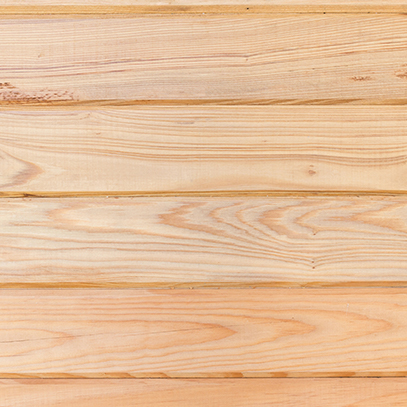
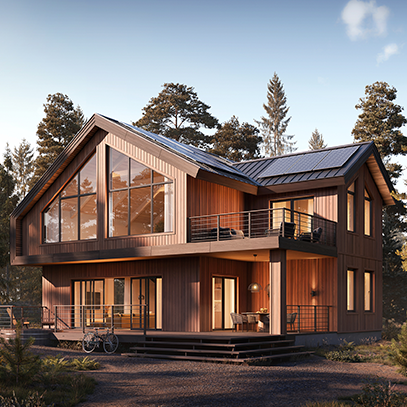
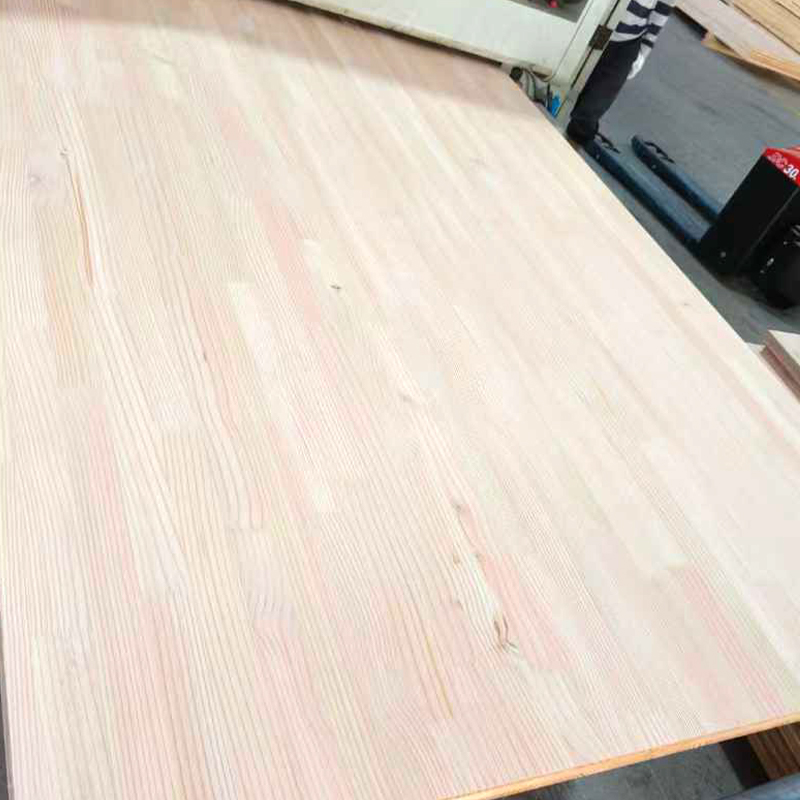
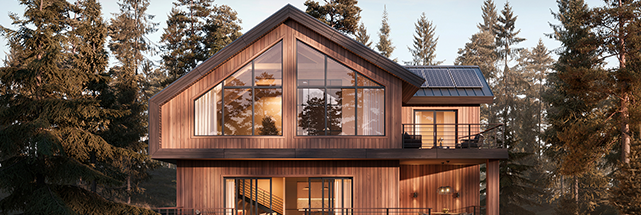
Architectural CLT Panels bring a unique aesthetic value to modern architecture. The natural grain of timber creates warm, inviting interiors that connect occupants with nature. The visual appeal of wood adds texture, depth, and character to spaces, making it a highly desirable material in interior design. Many architects and designers prefer using CLT because of its aesthetic flexibility; the wood can be left exposed for a natural look, or it can be finished with stains or paints to achieve a more polished or contemporary appearance. In addition to their visual appeal, CLT panels can be used to create striking architectural designs, from timber-frame buildings to complex geometries in modern, urban environments. The ability to shape and mold CLT into a variety of forms gives architects the freedom to express creativity and produce buildings that are not only functional but also beautiful. As we integrate Architectural CLT Panels into our designs, we have the opportunity to create buildings that reflect natural beauty, while also contributing to a more sustainable and human-centered built environment. Whether in a residential, commercial, or institutional setting, CLT’s aesthetic value enhances the overall design, making the building more inviting and comfortable for its users.
While it is a common misconception that wood is highly flammable, Architectural CLT Panels are actually fire-resistant and meet strict fire safety regulations. The fire resistance of CLT panels is a result of their unique construction. When exposed to fire, the outer layers of CLT panels char and create a protective barrier that slows down the spread of flames. This natural charring process enhances the structural integrity of the panels, preventing them from collapsing quickly in the event of a fire. Architectural CLT Panels are typically treated with fire retardant chemicals to further increase their fire resistance. The use of these treatments, combined with the material’s inherent properties, ensures that CLT buildings are safe and compliant with fire safety codes. In addition to offering fire protection, CLT also offers superior performance in terms of overall building safety, including seismic resistance and wind load management, making it an ideal choice for structures in areas prone to natural disasters. By incorporating Architectural CLT Panels into our buildings, we are not only adhering to safety regulations but also promoting a sense of security for the building’s occupants. Fire resistance, combined with other safety features, makes CLT a reliable material for ensuring the long-term durability and resilience of buildings.



 English
 한국어
한국어 Español