1. What is Cross Laminated Timber (CLT)?
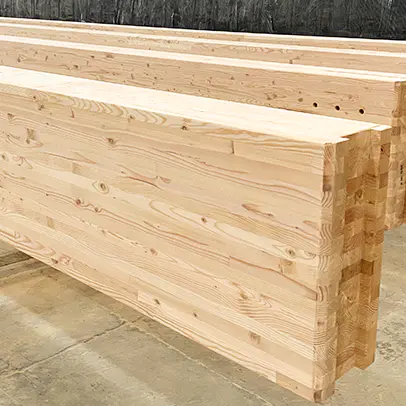
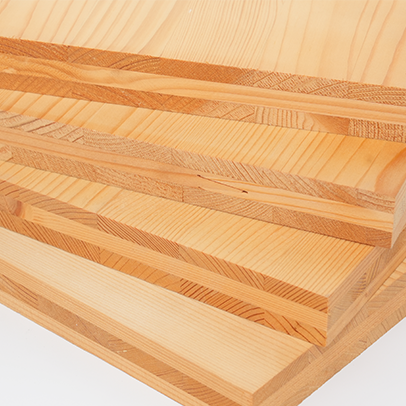
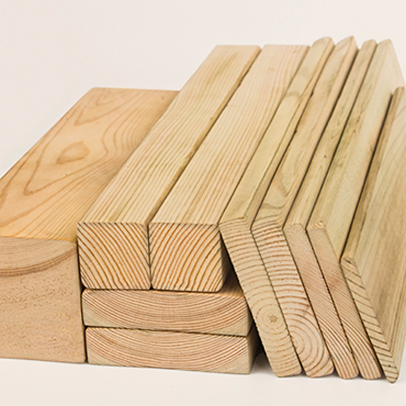
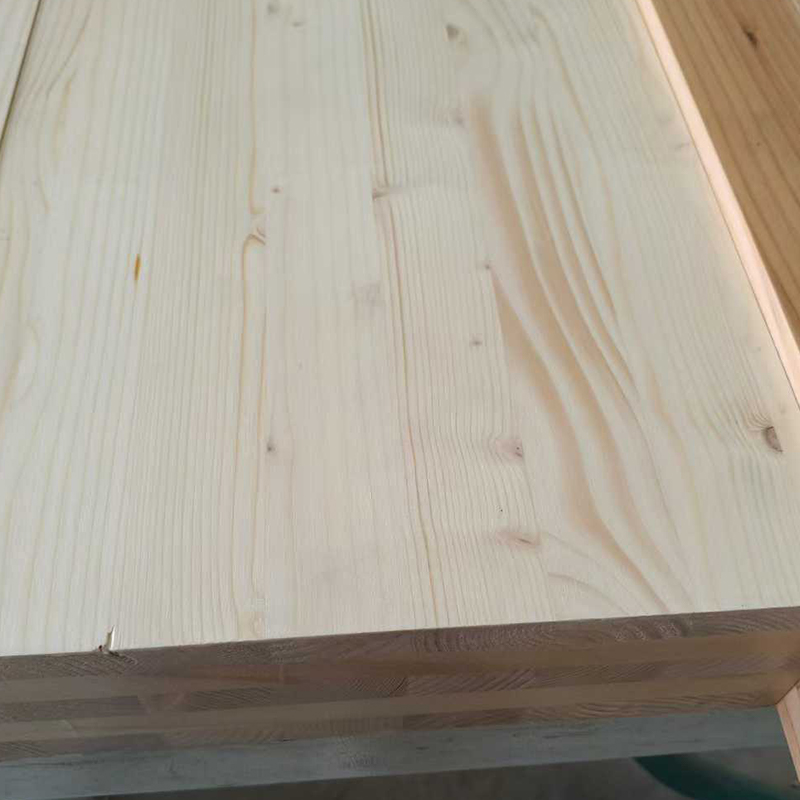
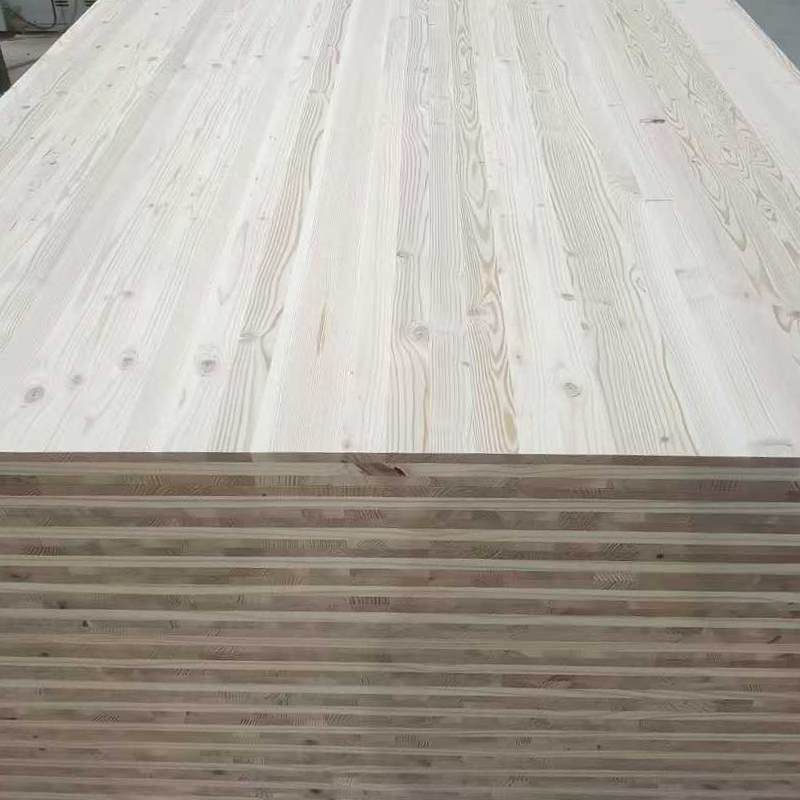
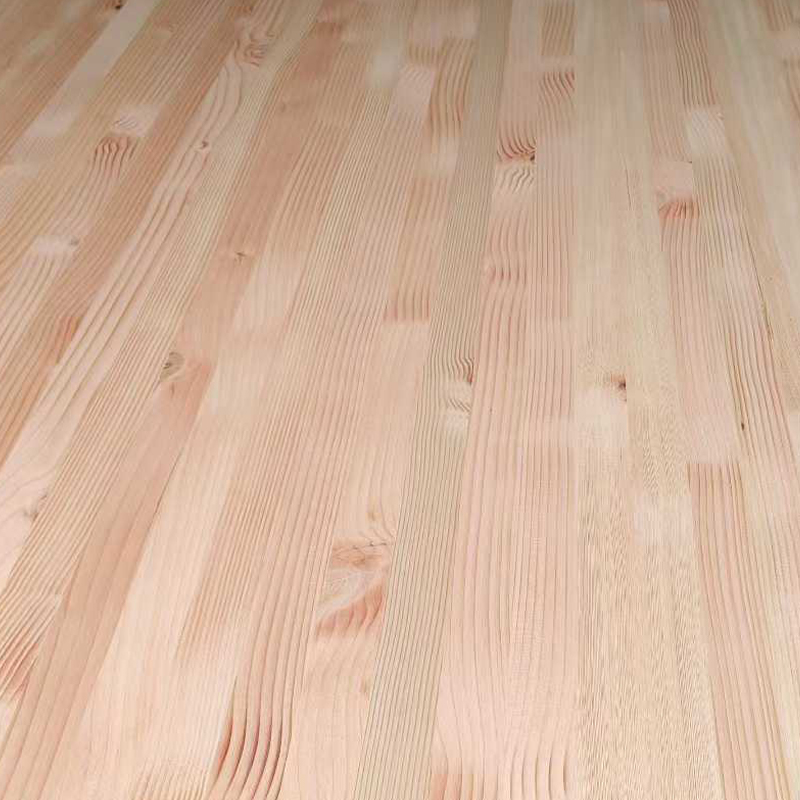
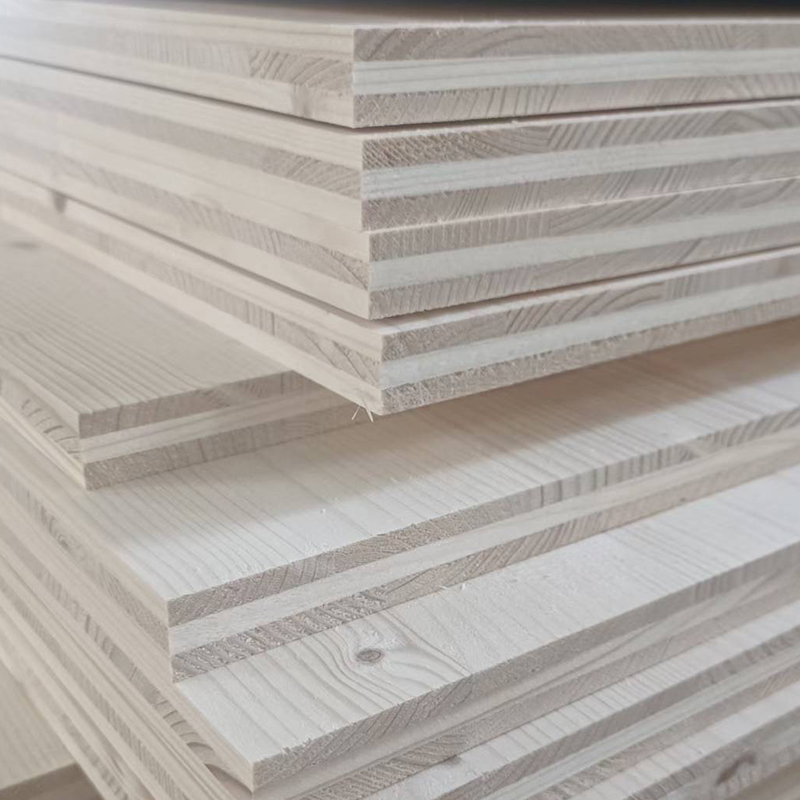
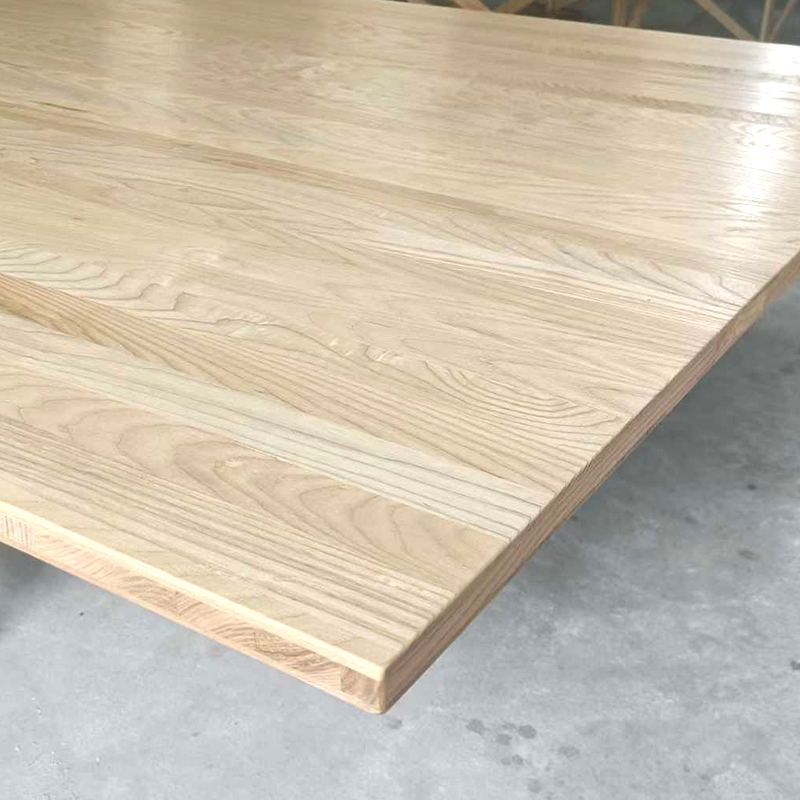
Cross Laminated Timber (CLT) is an advanced construction material made by bonding multiple layers of wood boards in alternating directions. This cross-lamination structure provides exceptional strength and stability, making CLT an ideal material in the construction industry. The wood grain of each layer is oriented perpendicular to the adjacent layers, greatly enhancing the tensile, compressive, and bending strength of the material, giving it load-bearing capabilities similar to steel and concrete, yet with the added benefits of being lightweight and environmentally friendly.
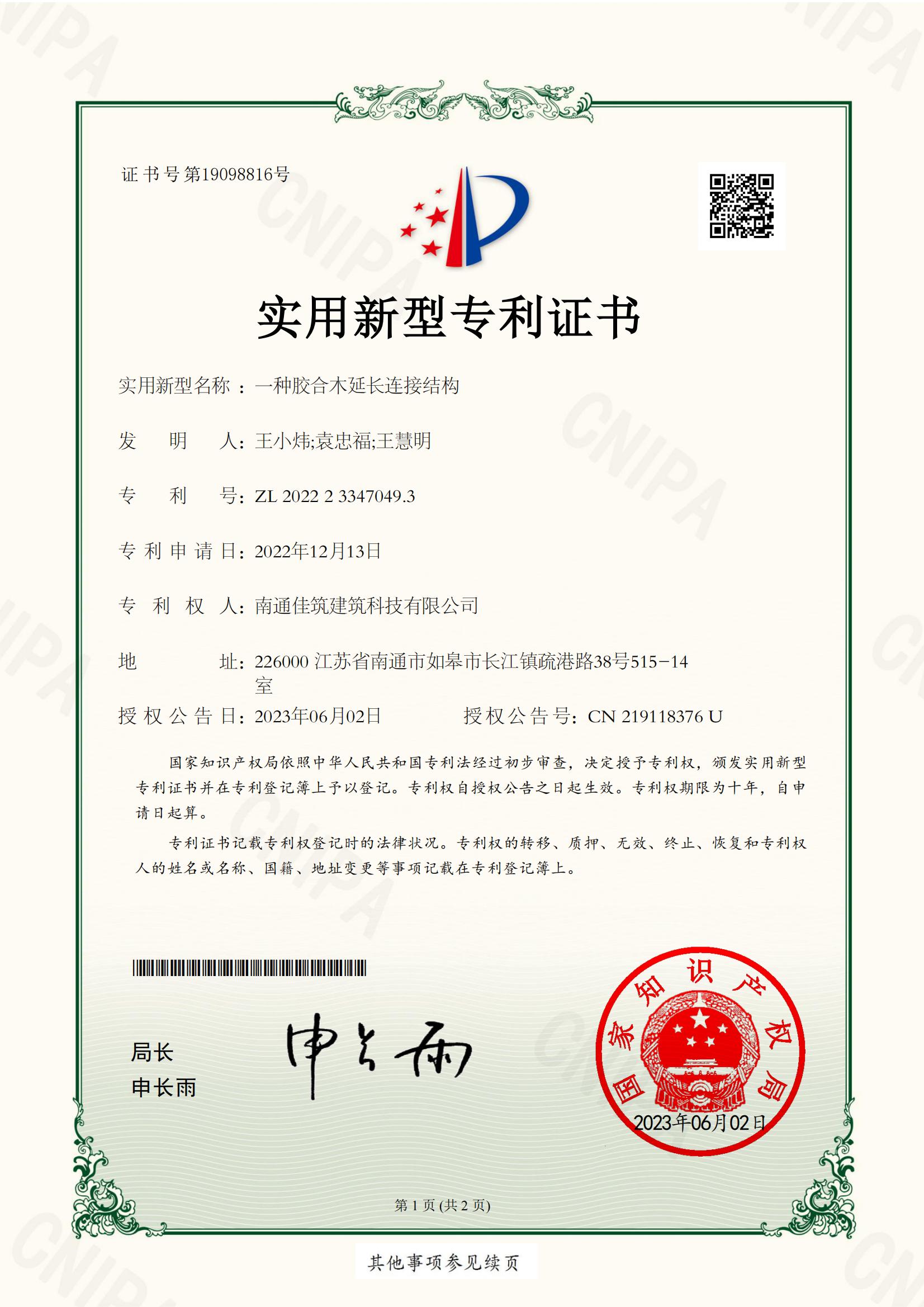
Nantong Wellhouse Architectural Technology Co., Ltd. is dedicated to advancing the use of CLT technology, producing and supplying high-quality CLT materials with cutting-edge technology and design concepts. Our company uses modern wood processing techniques to provide sustainable, high-performance CLT products widely used in residential, commercial, and public facility projects.
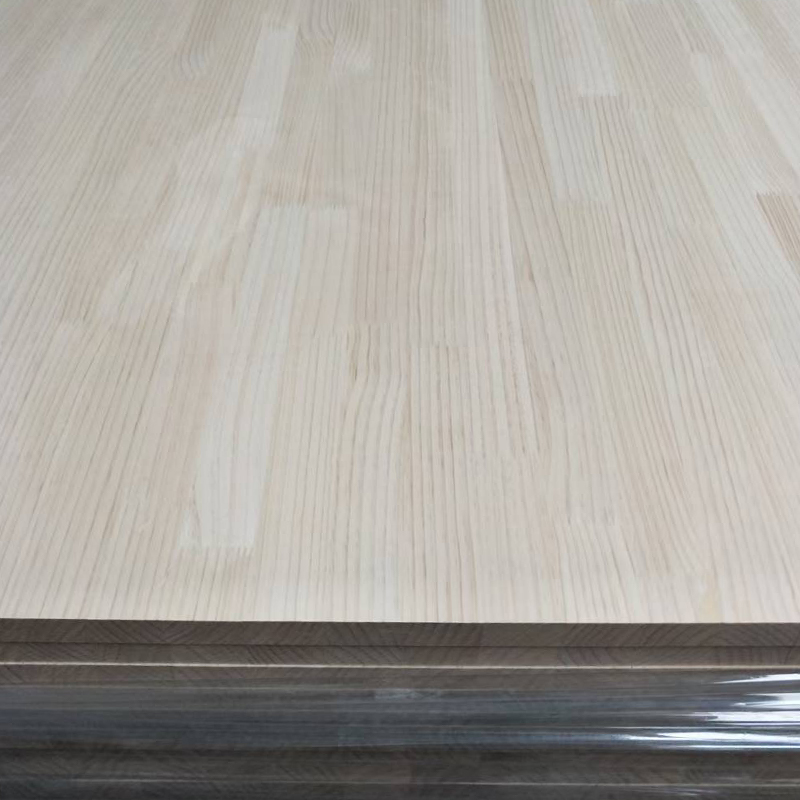
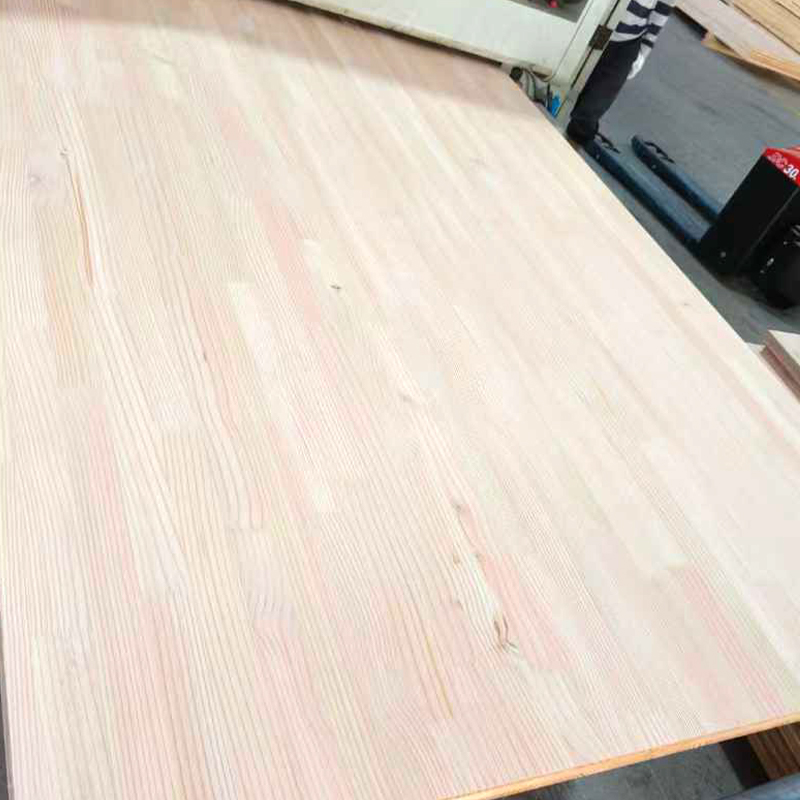
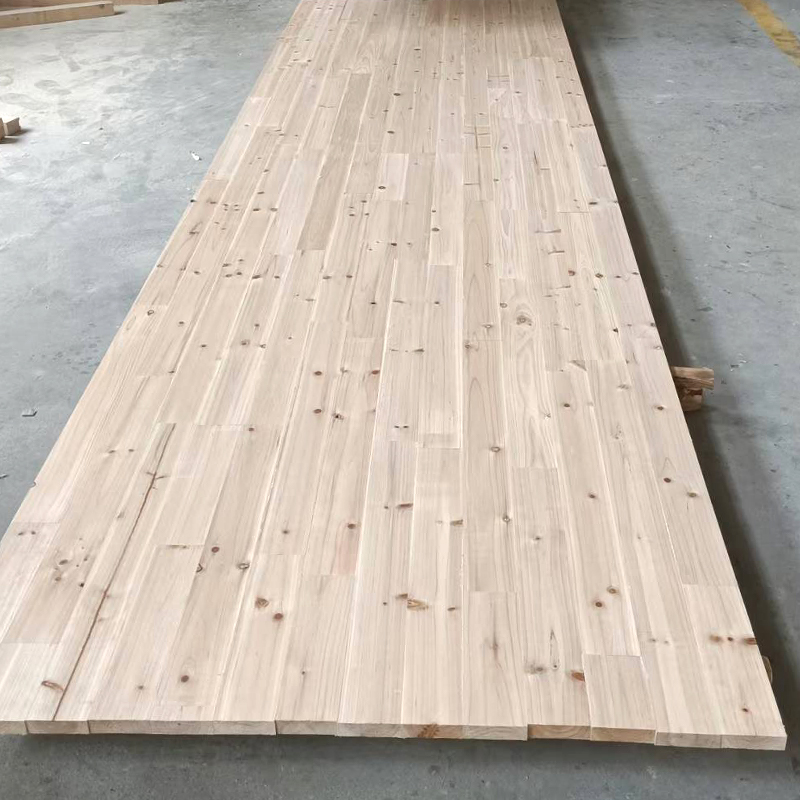
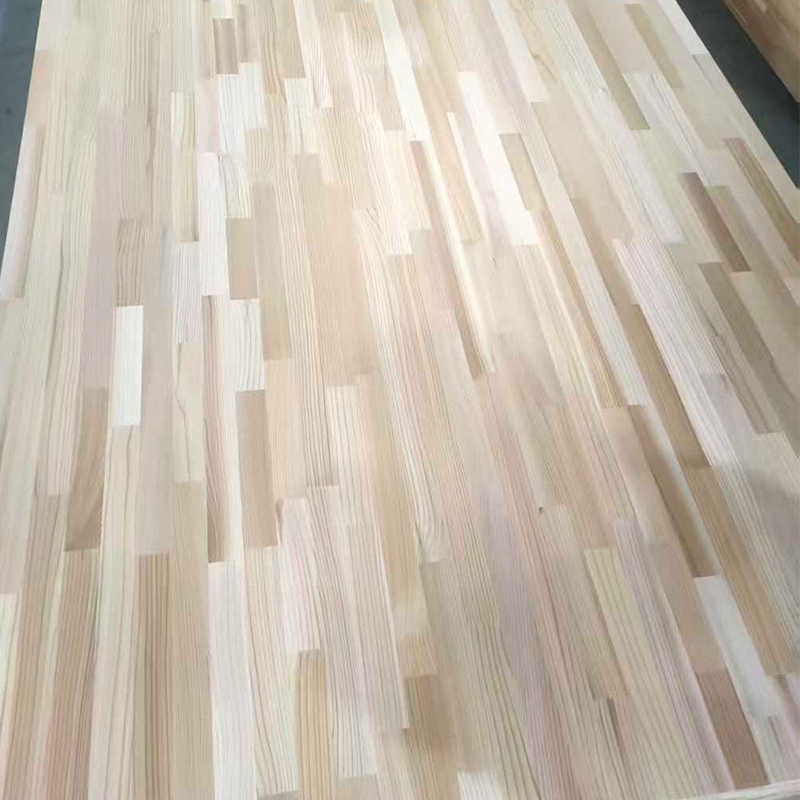
Typically, CLT panels consist of three to five layers of wood boards that are glued together under high pressure. The wood used in CLT production is carefully selected from species such as pine, spruce, and fir, which are processed through advanced techniques to ensure product stability and performance. At Nantong Wellhouse Architectural Technology Co., Ltd., we focus on wood selection and refining our manufacturing process to ensure each CLT panel meets industry standards and exhibits outstanding mechanical properties and eco-friendly features.
The cross-laminated structure not only gives CLT remarkable strength but also provides excellent thermal insulation and acoustic properties, making it an ideal choice for modern buildings. In today’s world, where sustainability and environmental concerns are increasingly critical, CLT is becoming one of the most sought-after green building materials.
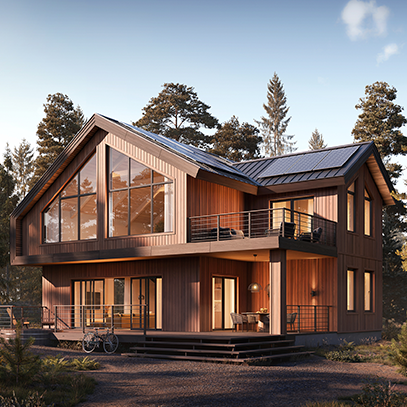
CLT is used in various applications, including residential, office, school, hospital, and public facility buildings. Particularly in low-rise to mid-rise construction, CLT has proven to be a superior material. Nantong Wellhouse Architectural Technology Co., Ltd. has extensive experience in CLT applications and has successfully completed numerous CLT-based projects, earning high praise from our clients.
Key Features of CLT:
| Feature |
Description |
| High Strength |
The cross-laminated structure enhances the bending, compressive, and shear strength of wood, making it suitable for various construction purposes. |
| Sustainability |
Made from natural wood, CLT has a low carbon footprint during production and contributes to reducing building environmental impact. |
| Construction Efficiency |
CLT panels are pre-fabricated in factories, reducing construction time and labor costs on-site. |
| Aesthetic Appeal |
The natural texture and color of wood enhance the visual appeal of buildings and fit well with modern design styles. |
At Nantong Wellhouse Architectural Technology Co., Ltd., we adopt the latest CLT production technologies to ensure the highest quality and performance. We are confident that CLT, as a sustainable and energy-efficient material, will play an important role in the future of the construction industry.
2. Advantages and Future Prospects of CLT
Advantages of CLT
- Sustainability and Environmental Friendliness
As global environmental awareness increases, the construction industry is paying more attention to using sustainable materials to reduce carbon emissions. CLT, made from natural wood, has a lower energy consumption in production compared to traditional materials like steel and concrete. Wood absorbs a significant amount of carbon dioxide during its growth through photosynthesis, making CLT not only a low-carbon material but also a product that helps reduce greenhouse gas emissions. At Nantong Wellhouse Architectural Technology Co., Ltd., we strive to provide eco-friendly and sustainable building materials, and CLT is an important innovation in our product lineup.
- Increased Construction Efficiency
In addition to reducing the overall weight of buildings, CLT panels, due to their high degree of prefabrication, significantly shorten construction periods. Traditional concrete structures require on-site pouring and curing, which takes considerable time and generates a large amount of waste. In contrast, CLT panels are pre-fabricated in factories and only need to be assembled on-site, reducing both construction time and labor intensity, leading to lower overall building costs.
- Seismic and Structural Stability
The cross-laminated structure of CLT not only provides exceptional load-bearing capacity but also gives it remarkable seismic performance. Compared to traditional concrete or steel structures, CLT can better distribute stresses during extreme conditions, such as earthquakes, enhancing the overall stability of the building. This makes CLT particularly suitable for regions with high seismic activity. Nantong Wellhouse Architectural Technology Co., Ltd. ensures that our CLT products meet the seismic requirements of various regions through rigorous quality control and testing.
- Aesthetic and Comfort
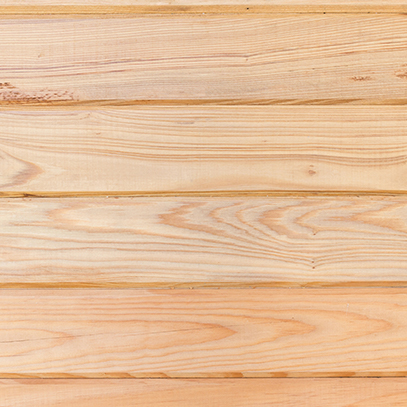
The unique grain and color of wood add a natural aesthetic to the building. CLT not only performs well structurally but also contributes to the interior design as part of the building’s aesthetic, enhancing the overall visual effect. Additionally, the natural properties of wood give CLT excellent thermal insulation and acoustic performance, ensuring a more comfortable interior environment.
Future Prospects of CLT
With the continued advancement of technology and growing market demand, the application prospects for CLT are becoming broader. In the future, CLT will not only be limited to low-rise and mid-rise residential buildings but is also gradually being applied in high-rise buildings, especially as environmental protection and energy-efficient construction become increasingly important. Nantong Wellhouse Architectural Technology Co., Ltd. is always at the forefront of the industry, continuously innovating to promote the use of CLT technology and aiming to gain a leading position in the future construction market.
| Application Field |
Description |
| Residential Buildings |
CLT is suitable for low-rise and mid-rise residential buildings, providing stable structures and excellent living comfort. |
| Commercial Buildings |
CLT’s environmental and aesthetic appeal makes it an ideal choice for commercial building construction. |
| Public Facilities |
CLT’s seismic performance and comfort make it widely used in public facilities like schools and hospitals. |
Nantong Wellhouse Architectural Technology Co., Ltd. has successfully applied CLT in several projects, and we will continue to expand its use across various types of buildings, offering sustainable and green building solutions to more clients.
3. Challenges and Future Development of CLT
Technical Challenges
Despite the significant advantages of CLT, its widespread adoption still faces some technical challenges. Firstly, there are varying standards and regulations for CLT in different countries and regions, making it difficult to achieve a global certification standard. This adds complexity to its cross-border application, as it requires adjustments based on local building codes. Secondly, the production process of CLT requires high precision, from wood selection to gluing techniques, which imposes higher demands on manufacturers. Nantong Wellhouse Architectural Technology Co., Ltd. continues to invest in research and development, refining our production processes to overcome these technical barriers.
Market Challenges
- Cost Issues
Although CLT offers many advantages, its initial cost can be relatively high, especially in markets where it is not yet fully established. The higher costs of raw materials and transportation can make CLT less price-competitive compared to traditional building materials. To address this issue, Nantong Wellhouse Architectural Technology Co., Ltd. is committed to reducing production costs by scaling up production and optimizing the supply chain, making CLT a more competitive option in the market.
- Wood Supply and Sustainability
As the demand for CLT grows, ensuring a stable supply of wood becomes a critical issue. Sustainable forest management practices and the protection of wood resources are vital for the long-term development of CLT. At Nantong Wellhouse Architectural Technology Co., Ltd., we prioritize the use of wood sourced from sustainable forestry practices, ensuring that every CLT product meets environmental protection requirements.
Future Development
Despite the challenges, the market potential for Cross laminated Timber is enormous. As environmental regulations become stricter, the demand for green building materials continues to rise. CLT, as a low-carbon, eco-friendly, and energy-efficient material, is bound to play a greater role in the future of the construction industry. Nantong Wellhouse Architectural Technology Co., Ltd. will continue to focus on research and development, promoting innovations in CLT technology, improving product performance, and expanding its presence in the global market.
| Sustainable Development Focus |
Description |
| Technological Innovation |
Continuously improving production processes, increasing CLT production efficiency, and reducing costs to enhance market competitiveness. |
| Environmental Certification |
Strengthening CLT product certifications to ensure compliance with global environmental and building standards. |
| Global Expansion |
Expanding into international markets to promote the application of CLT in global construction projects. |
Nantong Wellhouse Architectural Technology Co., Ltd. is committed to providing high-quality and sustainable CLT products, contributing to the future of green buildings.


 English
 한국어
한국어 Español